
Sauces & Condiments
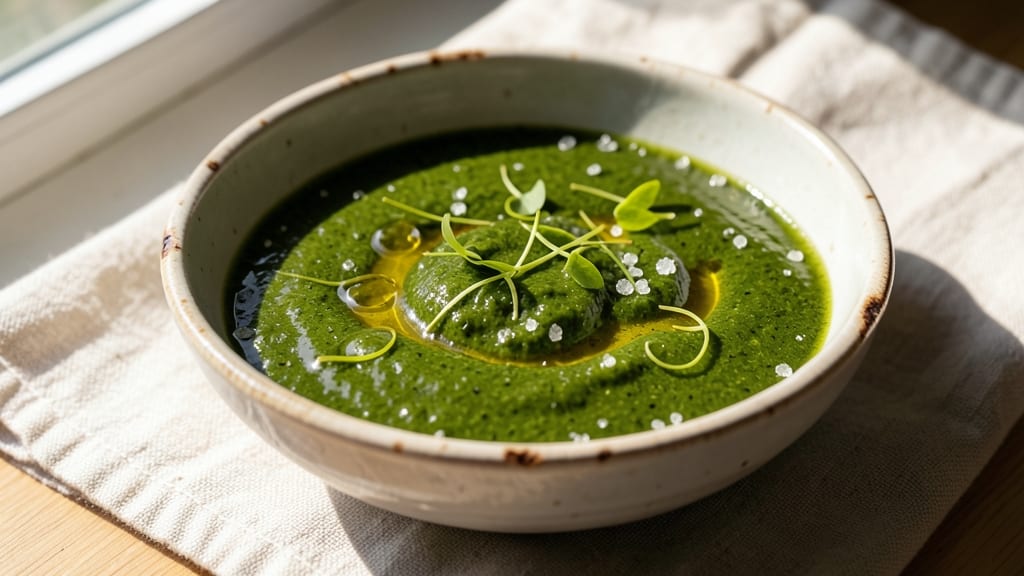
This sorrel sauce recipe transforms humble sorrel leaves into a vibrant, tangy condiment that brightens seafood and salads alike. The secret lies in balancing sorrel's natural tartness with just enough sweetness and acidity to create a sauce that's both complex and versatile.
I've perfected this recipe over years of testing—it's the kind of sauce that turns simple meals into memorable ones.
The process is straightforward but requires attention to detail: wilt fresh sorrel leaves, then blend them with vinegar, sugar, and optional herbs like tarragon or chives for depth.
What you'll end up with is a smooth, glossy sauce that's tart, slightly sweet, and packed with herbal brightness—ideal for drizzling over grilled fish, poached chicken, or even fresh greens. The acidity cuts through richness while adding a refreshing zing.
This sauce isn't just for traditional dishes—it elevates modern preparations too. Use it as a dressing for summer salads, a marinade for shrimp, or even a cocktail garnish for a sophisticated touch.
The beauty of sorrel sauce lies in its adaptability: it works equally well in classic French cuisine or contemporary home cooking. Once you try it, you'll reach for sorrel leaves every time you need a flavor boost.
With just five key ingredients and 15 minutes of prep, you'll have a sauce that's restaurant-quality but homemade. The best part? It keeps well in the fridge for up to a week, so you can make a batch and enjoy it throughout the week.
Let's get started on creating this versatile, tangy sauce that will become a staple in your kitchen.
Ingredients for sorrel sauce
Five simple ingredients transform fresh sorrel into a tangy sauce perfect for seafood and salads.
| Ingredient | Amount | Notes |
|---|---|---|
| Fresh Sorrel Leaves 🌿 | 2 cups | Packed, stems removed |
| White Wine Vinegar 🍷 | ½ cup | Dry variety preferred |
| Granulated Sugar 🍚 | ¼ cup | Adjust to taste |
| Fresh Tarragon Leaves 🌿 | ¼ cup | Chopped, optional but recommended |
| Extra-Virgin Olive Oil 🫒 | ¼ cup | High quality, fruity |
| Salt 🧂 | ½ tsp | Fine sea salt |
| Fresh Chives 🌱 | 2 tbsp | Chopped, optional garnish |
Fresh sorrel is the star here—look for vibrant green leaves at local farmers markets or the produce section of Whole Foods. The leaves should be crisp, not wilted, and free of brown spots. If you can't find fresh sorrel, frozen sorrel works in a pinch, but it'll have a slightly different texture. Tarragon adds depth, but if you can't find it, dried tarragon at half the amount works too. For vinegar, white wine vinegar is ideal, but apple cider vinegar adds a nice sweetness if you prefer.
No fresh herbs? Dried tarragon or chives will work, but use about one-third the amount. Want to make this even brighter? Add a pinch of lemon zest or a splash of fresh lemon juice to the blend. The sugar is key—it balances the tartness, but adjust to taste. If you're using this sauce for seafood, reduce the sugar slightly to let the natural flavors shine. For a richer texture, stir in an extra tablespoon of olive oil after blending—it makes the sauce silky and perfect for drizzling.
This sauce keeps beautifully in the fridge for up to 1 week, stored in an airtight jar. The flavors actually improve over time, so make a batch and enjoy it all week. For longer storage, freeze in ice cube trays—just thaw and stir before using. If the sauce thickens, simply whisk in a splash of water or vinegar to loosen it up. A drizzle of this sauce elevates everything from grilled salmon to fresh greens—it’s that versatile.
Why You'll Love This Recipe
- Five-Ingredient Magic: This sauce comes together with just a handful of things you might already have—no fancy shopping list, no stress. I’ve made it with store-bought sorrel (because fresh isn’t always an option) and it still shines.
- Tart-Sweet Balance: That bright, tangy sorrel cut with just enough sugar? It’s the kind of flavor that makes you pause mid-bite. The tarragon adds a herbal lift that feels fancy without trying too hard.
- Weeknight Hero: Drizzle it over grilled chicken, toss it with roasted potatoes, or serve it with fish—it’s my go-to when I need something quick but still feels special. Honestly, I’ve even used it as a marinade for shrimp when I’m in a rush.
- Leftovers That Last: Make a big batch and keep it in the fridge for up to a week. The vinegar and oil preserve it perfectly, so you’re never stuck scrambling for dinner ideas. Between us, I’ve had this sauce three times this month already.
Step-by-step instructions for sorrel sauce
Here's how to make this vibrant, tangy sauce that brightens seafood and salads perfectly.
Prepare the Sorrel Leaves
Start by washing the 2 cups fresh sorrel leaves thoroughly under cold water to remove any dirt or sand. Gently pat them dry with paper towels, then remove the tough stems by pinching them off at the base. You're left with just the tender leaves—these are what give the sauce its signature tartness.
Tear the leaves into rough pieces by hand rather than chopping them. This preserves their delicate texture and prevents the sauce from becoming too fibrous. If you notice any yellowed or wilted leaves, remove them now—they'll make the sauce bitter rather than bright.
Combine Ingredients and Simmer
In a medium saucepan, combine the prepared sorrel leaves, 0.5 cup white wine vinegar, 0.25 cup granulated sugar, and 0.25 cup fresh tarragon leaves. Bring the mixture to a gentle boil over medium heat, then immediately reduce the heat to low. Let it simmer uncovered for 10-12 minutes, stirring occasionally.
Watch for the sorrel to release its vibrant green color and the mixture to reduce slightly. The sugar will help balance the tartness while the vinegar preserves the sauce's bright acidity. If you notice the sauce foaming excessively, simply skim off any excess foam with a spoon—this keeps the sauce clean and prevents bitterness.
Blend Until Smooth
Once the sorrel has softened and the mixture has reduced by about one-third, remove the pan from the heat. Let it cool for 5 minutes—this prevents splattering when you blend. Transfer the mixture to a blender or food processor and add 0.25 cup extra-virgin olive oil and 0.5 tsp salt. Blend until completely smooth, scraping down the sides as needed.
The sauce should now be a vibrant green with a silky texture. Taste and adjust the seasoning if needed—add a pinch more sugar if it's too tart, or a splash more vinegar if it's too sweet. This is your chance to fine-tune the balance before serving.
Strain and Finish
For a perfectly smooth sauce, strain the blended mixture through a fine-mesh sieve into a clean bowl. This removes any remaining fibers and gives you a velvety texture. If you prefer a slightly rustic look, you can skip straining—just give it a quick pulse in the blender to break up any larger pieces.
Let the sauce cool to room temperature, then cover and refrigerate for at least 1 hour before serving. This resting time allows the flavors to meld beautifully. When ready to use, give it a final taste and adjust the seasoning one more time if needed. Garnish with 2 tbsp chopped fresh chives just before serving to add a delicate touch of freshness.
Pro Tips For Making Sorrel Sauce
- Wilt Sorrel First: Toss the sorrel leaves in a dry pan over medium heat for 30 seconds before adding liquid—it softens them just enough to release flavor without turning to mush. I learned this the hard way when my sauce ended up looking like overcooked spinach.
- Use Cold Vinegar: Chill the white wine vinegar in the fridge for 10 minutes before adding it to the hot sorrel. Cold vinegar brightens the acidity and prevents the sauce from curdling or losing its sharp edge.
- Balance Sugar Gradually: Start with half the sugar called for, taste, then add the rest. Sorrel’s natural tartness varies wildly—some batches need barely any sweetness, others beg for more. Skipping this step means guessing, and guessing ruins the sauce.
- Strain Twice: First pass through a fine-mesh sieve removes the leaves, but a second pass through cheesecloth catches the tiny fibers that make the sauce gritty. It’s tedious, but the texture difference is night and day—smooth instead of sandy.
Common mistakes when making this dish
Overcooking Sorrel
Sorrel leaves wilt quickly when heated, so never let them boil vigorously. Once the mixture comes to a gentle simmer, reduce heat to low immediately. Overcooking turns the leaves bitter and muddies the sauce's bright green color.
I’ve ruined batches by walking away—always stay nearby for those first 10-12 minutes of simmering. 🌿
Skipping the Strain
While some chefs love the rustic texture of unstrained sorrel sauce, it can feel gritty if you’re using it for delicate dishes like poached fish. Always strain through a fine-mesh sieve for a silky finish.
Pro tip: Line the sieve with a cheesecloth for extra smoothness. I learned this the hard way when my first batch had tiny leaf fibers floating in the sauce.
Using Wrong Vinegar
White wine vinegar is non-negotiable for this recipe—it provides the crisp acidity that balances sorrel’s tartness. Substituting apple cider or balsamic vinegar adds unwanted sweetness or complexity. If you’re out of white wine vinegar, rice vinegar is the closest alternative, but it lacks depth.
Taste as you go—adjust with a splash of lemon juice if needed.
Ignoring Sugar Balance
The 0.25 cup sugar isn’t just for sweetness—it’s the secret to taming sorrel’s sharpness. If you skip it or use too little, the sauce will taste aggressively tart. Conversely, too much sugar flattens the sauce’s brightness.
Start with the recipe’s amount, then adjust 1 teaspoon at a time while tasting. Trust me, your palate will thank you.
Not Resting the Sauce
Rushing to serve fresh sorrel sauce is a mistake. Always refrigerate it for at least 1 hour before using—this lets flavors meld and the acidity mellow. I’ve served it immediately, and while it’s edible, it lacks the depth of a well-rested sauce.
Patience here makes all the difference, especially when pairing with seafood.
Using Wilted Sorrel
Fresh, crisp sorrel leaves are non-negotiable. Wilted or yellowing leaves introduce bitterness that no amount of sugar or vinegar can fix. Before prepping, inspect your leaves—discard any that look past their prime.
If you’re using frozen sorrel, thaw it first and squeeze out excess water to prevent a watery sauce. 💡
Nutrition facts
Frequently asked questions
Can I use dried sorrel instead of fresh?
Fresh sorrel is ideal for this sauce, but you can substitute dried sorrel at a 1:3 ratio (1 tsp dried = 3 tbsp fresh). Soak the dried leaves in warm water for 5 minutes first to rehydrate, then drain well before using. The texture will be slightly thicker, so add a splash of vinegar to balance.
How long does this sauce keep in the fridge?
This vibrant sorrel sauce stays fresh in an airtight container for up to 1 week in the refrigerator. The flavors actually improve as it rests! For longer storage, freeze in ice cube trays—thaw overnight in the fridge before using. The acidity helps preserve it beautifully.
What are the best dishes to serve with sorrel sauce?
This sauce shines with grilled or poached fish (especially salmon or trout), roasted chicken, or summer salads. It also works as a marinade for shrimp or as a bright garnish for cocktails. The acidity cuts through rich proteins perfectly—try it with your next seafood dinner!
Can I make this sauce without vinegar?
Vinegar is essential for balancing sorrel's tartness, but you can substitute lemon juice (use 0.3 cup instead of vinegar) for a fruity twist. The sauce will have a different profile—more citrusy and less sharp. Taste as you go and adjust sugar accordingly.
Why did my sauce turn bitter?
Bitterness usually means overcooking or using wilted sorrel leaves. Keep heat at low and simmer for exactly 10-12 minutes. Always use fresh, crisp leaves—discard any yellowed ones before starting. A pinch of sugar or extra vinegar can often rescue a slightly bitter batch.