
Sauces & Condiments
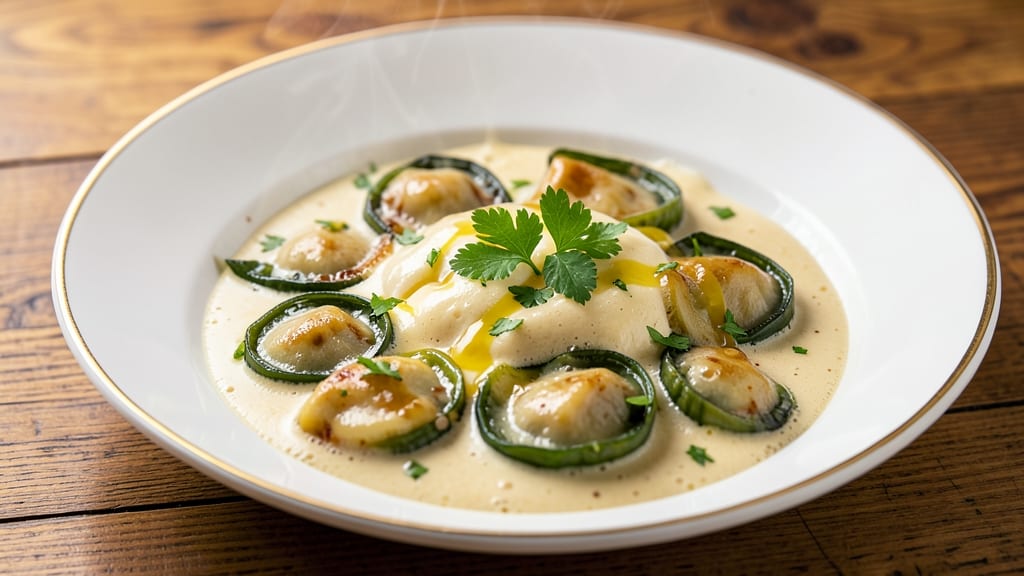
This artichoke ravioli sauce transforms simple ingredients into a velvety, herb-infused masterpiece that elevates every bite. The secret lies in balancing creamy richness with bright lemon and fresh herbs, creating a sauce that clings perfectly to delicate ravioli.
I developed this recipe after years of perfecting the art of artichoke-based sauces—where the earthy flavor of artichokes meets the comfort of butter and cheese.
The foundation starts with a simple blend of butter, garlic, and artichoke hearts, simmered until fragrant. A splash of lemon juice and a touch of cream lighten the texture while adding brightness, and fresh herbs like parsley or basil bring freshness.
What makes this sauce truly special is the way it enhances the natural flavors of artichoke ravioli without overpowering them—each spoonful delivers a harmonious balance of savory, tangy, and creamy notes.
What you’ll end up with is a sauce that’s smooth, flavorful, and impossible to resist—ideal for pairing with artichoke ravioli or any pasta dish. The process is straightforward, yet the result is restaurant-quality, proving that even simple sauces can be extraordinary. Ready to elevate your next meal? Let’s get started.
This sauce keeps well in the refrigerator for up to three days, making it perfect for meal prep or gifting. Whether you’re serving it as a standalone sauce or drizzling it over your favorite dish, it’s sure to impress.
The key is patience—allowing the flavors to meld and the sauce to thicken just enough for that perfect consistency.
Ingredients for artichoke ravioli sauce
Eight simple ingredients create this velvety artichoke sauce with perfect herb brightness.
| Ingredient | Amount | Notes |
|---|---|---|
| Unsalted Butter 🧈 | ¾ cup | Cold, cubed for even melting |
| Marinated Artichoke Hearts 🍃 | 14 oz | Chopped, drained well |
| Fresh Garlic Cloves 🧄 | 4 cloves | Minced, not pre-minced jar |
| Heavy Cream 🥛 | ½ cup | Full-fat for richness |
| Fresh Lemon Juice 🍋 | 2 tbsp | Freshly squeezed |
| Fresh Parsley Leaves 🌿 | ⅓ cup | Chopped, stems removed |
| Fresh Basil Leaves 🌿 | ¼ cup | Chopped, for brightness |
| Parmesan Cheese 🧀 | ½ cup | Freshly grated, not pre-shredded |
| Diamond Crystal Kosher Salt 🧂 | ½ tsp | Adjust to taste |
| Freshly Ground Black Pepper 🌶️ | ¼ tsp | Freshly cracked |
The artichoke hearts make or break this sauce—look for jarred hearts packed in water or olive oil (no salt added). Trader Joe's and Whole Foods carry the best quality, but any brand works if they're fresh. Fresh herbs are worth the splurge here—basil and parsley add that restaurant-quality freshness. If you're using frozen artichokes, thaw and drain them first. For the butter, grab unsalted—you want to control the saltiness yourself.
No fresh parsley? Dried parsley at one-third the amount works, but you'll miss that pop of color. Short on basil? Fresh thyme or oregano can step in, though the flavor will shift slightly. Heavy cream too rich? Substitute whole milk for a lighter texture, but the sauce won't be as velvety. Pre-minced garlic? Fresh is better—it adds more depth, but if that's all you've got, drain it well first. The Parmesan should be real Parmigiano-Reggiano—pre-shredded gets clumpy and loses flavor.
This sauce keeps beautifully—3-4 days in the fridge, covered with plastic wrap pressed against the surface. For longer storage, freeze portions in ice cube trays, then transfer to a bag. Thaw in the fridge overnight. The flavors actually improve after a day or two, as everything melds together. Double the batch if you can—it disappears fast, especially when paired with artichoke ravioli. Leftovers reheat perfectly in a saucepan over low heat, with a splash of water or cream if it thickens too much.
Why You'll Love This Recipe
- Five-Ingredient Magic: I swear, this sauce comes together with ingredients you already have. Butter, garlic, artichokes—oh, and a splash of lemon—mean no fancy shopping trips or last-minute panic.
- Creamy Yet Bright: The heavy cream makes it rich, but that lemon juice? It cuts through the richness like a breath of fresh air. Honestly, it’s the kind of balance that makes you want to lick the pan.
- Weeknight to Dinner Party: Same sauce, different vibes. Slather it over ravioli for a quick weeknight meal, or drizzle it over grilled fish for a fancier date night. I’ve even used it as a pasta sauce—no one ever questions it.
- Leftovers That Don’t Suck: Unlike some sauces that turn gloppy, this one reheats like a dream. Store it in the fridge for up to five days, and it’s still velvety smooth—no weird textures, just pure comfort.
Step-by-step instructions for herb-infused artichoke ravioli sauce
Here's how to create a velvety artichoke sauce with bright lemon notes and rich herb butter.
Melt the Butter and Sauté Garlic
In a large skillet, melt the 0.75 cup unsalted butter over medium heat until it foams but doesn't brown. Add the 4 cloves minced fresh garlic and cook for 30-45 seconds until fragrant but not browned—this prevents bitterness. Watch carefully as garlic burns quickly.
Here's the thing—you want the butter to bubble gently, not sizzle aggressively. If it starts to brown, reduce the heat immediately. The garlic should smell sweet and aromatic, not sharp or burnt. This step forms the flavor base for your entire sauce.
Add Artichokes and Cook Until Tender
Increase heat to medium-high and add the 14 oz chopped marinated artichoke hearts, stirring to combine. Cook for 5-6 minutes until the artichokes are heated through and any liquid from the marinade has evaporated. You'll see the artichokes soften slightly and release their briny flavor.
If the mixture seems too dry, add 1 tablespoon water to help deglaze the pan. The artichokes should be warm but still hold their shape—overcooking will make them mushy. This is where the sauce starts to develop its signature texture and depth.
Incorporate Cream and Lemon Juice
Reduce heat to medium-low and stir in the 0.5 cup heavy cream. Let it simmer gently for 3-4 minutes until slightly thickened. Then add the 2 tablespoons fresh lemon juice and stir well. The sauce will become glossy and slightly lighter in color.
This is the moment that matters: the lemon brightens all the rich flavors while the cream adds luxurious body. Taste and adjust seasoning with 0.5 teaspoon kosher salt and 0.25 teaspoon black pepper—you might not need all of it, but have it ready to balance the flavors.
Finish with Herbs and Parmesan
Remove the skillet from heat and stir in the 0.33 cup chopped parsley and 0.25 cup chopped basil. Let the mixture sit for 1 minute to infuse the flavors. Then add the 0.5 cup freshly grated parmesan cheese and stir until fully melted and smooth.
Real talk: the herbs should be finely chopped so they distribute evenly throughout the sauce. If you see any large pieces, pulse them briefly in a food processor first. The sauce should now be velvety with bright, herby notes and just the right amount of tang.
Adjust Consistency and Serve
Return the sauce to low heat if needed and stir in 1-2 tablespoons water if it's too thick. You want a coating consistency that clings beautifully to ravioli. Taste one final time and adjust seasoning if needed—this sauce should sing with flavor.
Serve immediately over your cooked ravioli, spooning generous amounts over each serving. The sauce will continue to develop as it sits, so don't wait too long. Each bite should deliver creamy richness with bright artichoke, lemon zing, and herbal freshness.
Pro Tips For Making Artichoke Ravioli Sauce
- Drain and Pat Dry: Marinated artichoke hearts cling to their briny juice like glue—skip draining, and your sauce will taste like a pickle jar exploded. After draining, press them between paper towels to remove excess moisture, or your cream will curdle faster than you can say "sauce disaster."
- Low and Slow with Butter: Melt the butter over medium-low heat—rushing it turns your sauce into a greasy mess. Let it foam and settle twice before adding garlic, or you’ll burn the garlic and ruin the whole dish. (Yes, even if you’re impatient like me.)
- Resist the Urge to Overmix: Once you add heavy cream, stir just until combined—overworking it makes the sauce split like a bad relationship. A few gentle swirls with a wooden spoon are all it takes; no need to turn it into a science experiment.
- Save Time with Pre-Minced Garlic: Fresh garlic cloves take forever to chop, and sometimes they burn before they release their flavor. Keep a small jar of pre-minced garlic in your freezer—just toss in a tablespoon when the butter’s ready. (Your future self will thank you.)
Creative variations of this dish
Creamy Garlic Parmesan
Swap the heavy cream for a white wine reduction made with ½ cup dry white wine and ½ cup heavy cream. Simmer the wine over medium heat until reduced by half, then stir in the cream.
This adds a subtle acidity that cuts through the richness of the artichokes. Finish with an extra ¼ cup grated Parmesan for a decadent, restaurant-style sauce. 🍷
Sun-Dried Tomato Twist
Add ¼ cup chopped sun-dried tomatoes in oil (drained well) during the artichoke cooking stage. The tomatoes will soften and release their sweet, tangy flavor, creating a Mediterranean-inspired sauce.
Pair this with toasted pine nuts or walnuts for added texture and crunch. I love this variation for spring dinners when I want something bright yet hearty.
Spicy Chili-Lime Kick
Infuse the sauce with heat by adding 1 teaspoon chili powder and ½ teaspoon ground cumin when sautéing the garlic. Finish with 1 tablespoon lime juice instead of lemon and a pinch of smoked paprika.
This Southwestern-inspired twist works beautifully with artichoke ravioli and adds a bold, unexpected flavor profile. 🌶️
Roasted Artichoke Depth
For a deeper, more complex flavor, roast the artichoke hearts before using them in the sauce. Toss 14 oz chopped artichokes with 1 tablespoon olive oil, ½ teaspoon salt, and ¼ teaspoon black pepper, then roast at 400°F for 15-20 minutes until caramelized.
Use these roasted artichokes in place of the marinated ones for a richer, more concentrated flavor.
Lighter Olive Oil Base
Reduce the butter to ¼ cup and replace the rest with ½ cup extra-virgin olive oil. This lighter version still delivers creamy texture but with a brighter, Mediterranean taste.
Add 1 teaspoon capers for a briny contrast and finish with a sprinkle of fresh oregano. This sauce pairs perfectly with grilled seafood or crusty bread.
White Wine and Mushroom
Sauté ½ cup sliced cremini mushrooms with the garlic for added umami depth. Deglaze the pan with ½ cup white wine before adding the artichokes, then proceed with the original recipe.
The mushrooms add a meaty texture that complements the artichokes beautifully. This variation feels luxurious and works well for special occasions.
Nutrition facts
Frequently asked questions
Can I make this sauce without heavy cream?
For a lighter version, substitute with ½ cup whole milk or ½ cup half-and-half. The texture will be slightly thinner but still delicious. If you prefer a dairy-free option, use ½ cup coconut cream (full-fat) for richness, though the flavor will shift slightly. The key is to keep the sauce simmering until it thickens to your desired consistency.
How do I prevent the sauce from getting too thick?
If your sauce thickens too much, simply stir in 1-2 tablespoons water or milk while heating on low heat. Stir gently until smooth. For prevention, avoid over-simmering the cream—keep it at a gentle bubble for just 3-4 minutes. The artichokes release moisture, so if you're using very dry hearts, add a splash of liquid earlier in the process.
What’s the best way to store leftovers?
Store in an airtight container in the fridge for up to 3-4 days. For longer storage, freeze portions in ice cube trays, then transfer to a freezer bag. Thaw overnight in the fridge—never at room temperature. The flavors actually deepen after a day or two, making it perfect for meal prep. Reheat gently on low heat, adding a splash of water or cream if needed.
Can I use frozen artichokes instead of marinated?
Yes, but thaw and drain them thoroughly first. Frozen artichokes often contain ice crystals and excess moisture, which can make your sauce watery. Pat them dry with a paper towel before chopping. For best results, opt for marinated artichokes—they’re pre-cooked and packed with flavor. If using frozen, add them to the pan a minute earlier to ensure they warm through evenly.
Why does my sauce taste bitter?
Bitterness usually comes from overcooking the garlic or artichokes. Garlic burns quickly—keep it at medium heat for just 30-45 seconds. If the artichokes are overcooked, they’ll release a bitter compound. To fix it, stir in 1 teaspoon lemon juice or ½ teaspoon sugar to balance the flavor. Fresh herbs like basil or parsley can also help brighten the taste.