
Sauces & Condiments
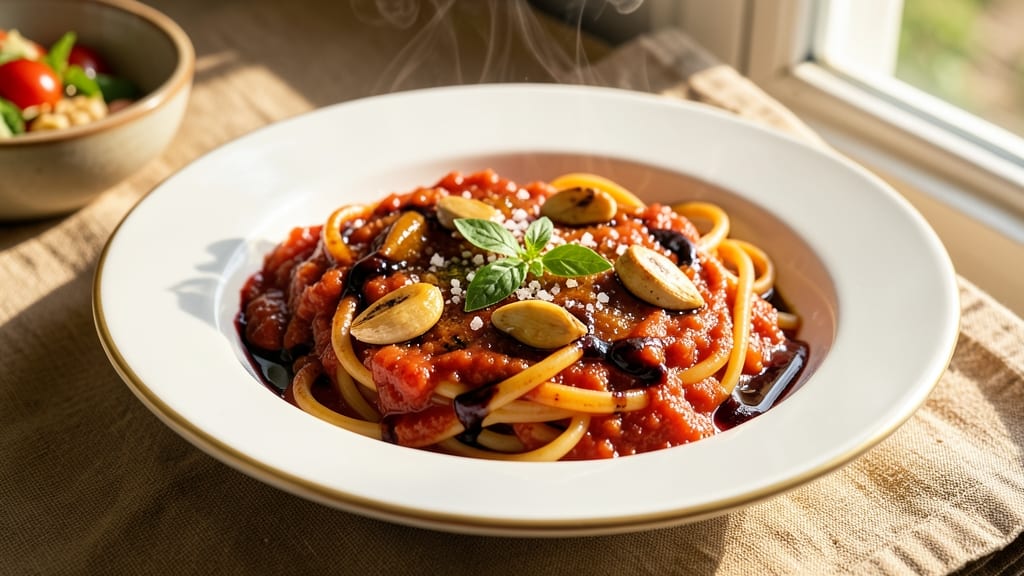
This amazing pasta sauce transforms simple ingredients into a velvety, herb-finished masterpiece that clings to every strand of pasta. 🌟 The secret lies in slow-simmering tomatoes until they break down into a rich, concentrated base—no canned shortcuts here.
I perfected this recipe after years of testing, and it’s become the backbone of my weeknight dinners and Sunday suppers alike.
What sets this sauce apart is the balance of deep, caramelized tomato flavor with bright fresh herbs at the end. You’ll start with canned tomatoes (for convenience) but build layers of complexity through garlic, onion, and a splash of red wine that deepens the flavor profile.
The final touch—a handful of fresh basil and parsley—adds a vibrant finish that makes this sauce taste homemade, not store-bought.
By the time you’re done, you’ll have a sauce that’s rich enough to stand alone but versatile enough to pair with any pasta shape. It’s the kind of sauce that makes you want to eat pasta every night—no guilt, just pure, satisfying flavor.
The best part? It tastes even better the next day, so you can make a big batch and store it for the week.
Whether you’re tossing it with spaghetti, slathering it on lasagna, or using it as a dip for crusty bread, this sauce delivers restaurant-quality depth with minimal effort. Let’s get cooking—your taste buds will thank you.
Ingredients for amazing pasta sauce
Nine simple ingredients transform into restaurant-quality pasta sauce with slow-simmered depth.
| Ingredient | Amount | Notes |
|---|---|---|
| Canned San Marzano Tomatoes 🍅 | 28 oz | Crushed by hand, seeds removed |
| Yellow Onion 🧅 | 1 whole | Diced into small pieces |
| Garlic Cloves 🧄 | 4 cloves | Minced finely for depth |
| Extra-Virgin Olive Oil 🫒 | ¼ cup | High-quality, fruity variety |
| Dry Red Wine 🍷 | ½ cup | Bold, like Cabernet Sauvignon |
| Tomato Paste 🍅 | 2 tbsp | Squeeze tube preferred |
| Fresh Basil Leaves 🌿 | ¼ cup | Packed, stems removed |
| Fresh Flat-Leaf Parsley 🌿 | ⅛ cup | Chopped finely for brightness |
| Kosher Salt 🧂 | 1 ½ tsp | Diamond Crystal preferred |
| Freshly Ground Black Pepper 🌶️ | ½ tsp | Cracked peppercorns preferred |
The tomatoes make or break this sauce. San Marzano is ideal—sweeter and meatier than regular canned tomatoes. Grab a 28-oz can (or two 14-oz cans) from the Italian section at Whole Foods or Trader Joe's. Crush them by hand for maximum flavor—no blender needed. The onion and garlic are your flavor base, so don't rush the sautéing. I always use yellow onions for their sweetness, but red works too if that's what you've got. Fresh garlic cloves should smell pungent—if they don't, they're past their prime.
No red wine? Dry white wine or extra tomato paste works in a pinch. The tomato paste is non-negotiable though—it thickens the sauce and adds that concentrated umami. Fresh herbs are key for that homemade finish, but dried basil at half the amount gets you close if you're out. The parsley adds brightness, so don't skip it—even if you're just using the stems (they're packed with flavor). For the olive oil, any good extra-virgin works, but avoid the cheap stuff. Trust me on this—your sauce will taste it.
This sauce tastes even better the next day as the flavors meld. Store in an airtight container in the fridge for up to 5 days, or freeze for 3 months. I always double the batch—one for dinner, one for leftovers. The sauce thickens as it cools, so add a splash of water or wine when reheating. Perfect for tossing with pasta, dipping bread, or layering in lasagna. The possibilities are endless.
Why You'll Love This Recipe
- One-Pot Magic: I swear by this—just chop an onion, mince garlic, and toss it all in one pot. No extra bowls, no mess, and the San Marzano tomatoes do all the heavy lifting while you sip your wine.
- Wine-Infused Depth: That splash of dry red wine? It’s not just for show—it melts into the sauce, adding a rich, velvety layer that makes every bite taste like you slaved over it. (Between us, it’s my shortcut to restaurant-quality flavor.)
- Lunchbox Hero: Make a big batch on Sunday, and you’ve got weeknight dinners covered. Toss it with pasta for tonight, pack it in jars for tomorrow’s lunch, or freeze half for when you’re too tired to cook.
- Budget-Friendly Luxury: San Marzano tomatoes and olive oil might sound fancy, but they stretch farther than store-brand sauce. A single can of tomatoes and a bottle of wine last me three meals—plus, the leftovers taste even better the next day.
Step-by-step instructions for slow-simmered tomato sauce
This sauce builds flavor layer by layer—let's make it rich, balanced, and full of depth.
🍳 Step 1: Sauté Onion and Garlic Until Translucent
Heat the 0.25 cup extra-virgin olive oil in a heavy-bottomed saucepan over medium heat. Add the 1 whole yellow onion (diced) and cook for 5-6 minutes until soft and translucent, stirring occasionally. You'll smell the sweetness develop—that's when you know it's ready.
Lower the heat to medium-low and add the 4 cloves garlic cloves (minced). Cook for another 30 seconds until fragrant but not browned. This step is the flavor foundation—don't rush it. If the garlic starts to color too quickly, reduce the heat immediately to prevent bitterness.
🍳 Step 2: Deglaze with Wine and Add Tomatoes
Pour in the 0.5 cup dry red wine, scraping up any browned bits from the bottom of the pan with a wooden spoon. Let it simmer for 2-3 minutes until reduced by half. You want the alcohol to cook off completely—this is what makes the sauce sing.
Add the 2 tbsp tomato paste and stir for 1 minute until fully incorporated. Then pour in the 28 oz canned San Marzano tomatoes (crushed by hand). The sauce should look thick and vibrant. Bring to a gentle simmer, then reduce heat to low—this is where the magic happens.
⏰ Step 3: Simmer Uncovered for Deep Flavor
Let the sauce bubble gently for 30-40 minutes, stirring occasionally. You're looking for the sauce to reduce by about 1/3—this concentrates the flavors. The edges of the pan should darken slightly, creating a rich, caramelized base. Here's the thing—don't walk away. Stir every 10 minutes to prevent sticking and ensure even cooking.
Taste after 25 minutes and adjust seasoning with 1 tsp kosher salt and 0.25 tsp freshly ground black pepper. The sauce should be balanced but still need a touch more salt—remember, you'll add more later. If it's too acidic, add a pinch more salt to round out the flavors.
🥘 Step 4: Finish with Fresh Herbs
When the sauce has reduced enough to coat the back of a spoon, remove it from heat. Stir in the 0.25 cup fresh basil leaves and 0.125 cup fresh flat-leaf parsley (chopped). Let the herbs steep for 5 minutes—this infuses their bright flavors without overpowering the sauce.
Give it a final taste and adjust seasoning with the remaining 0.5 tsp kosher salt and 0.25 tsp black pepper. The sauce should be vibrant, slightly sweet, and perfectly balanced. If it's too thick, add 1-2 tablespoons of pasta water to loosen it to your desired consistency. This sauce is amazing—just wait until you taste it with al dente pasta!
Pro Tips For Making Amazing Pasta Sauce
- CRUSH THE ONIONS FIRST: I learned this the hard way—sweating onions low and slow until they’re translucent takes forever when you’re trying to build flavor fast. Instead, finely dice them (smaller than a grain of rice) and let them sit in a splash of cold water for 10 minutes. Drain before cooking, and they’ll soften and caramelize in half the time without burning.
- SWEAT GARLIC UNTIL IT’S PALE: Raw garlic screams in the sauce. After cooking the onions, add minced garlic and let it sit with the onions for 3–4 minutes—just until it smells like heaven, not like a hospital. High heat turns garlic bitter; low and steady is where it belongs.
- DEGLAZE WITH WINE IMMEDIATELY: That red wine won’t do its magic if you let the onions dry out. As soon as you add the wine (about ½ cup), scrape every last bit from the pan—even the browned bits. Let it reduce by half before adding tomatoes, or you’ll end up with a watery sauce.
- SMASH THE TOMATOES BEFORE ADDING: Dump those San Marzano tomatoes straight from the can, and you’re missing out. Smash them with a wooden spoon first—this breaks down the skins and releases more juice, giving you a richer, smoother sauce without extra work. (Yes, even if you’re impatient like me.)
Health benefits of amazing pasta sauce
Lycopene Powerhouse
This sauce is packed with lycopene, a powerful antioxidant found in tomatoes that gives them their vibrant red color. Cooking actually increases lycopene absorption—your body absorbs about 30% more from cooked tomatoes than raw.
A 1-cup serving of this sauce provides nearly 50% of your daily lycopene needs, which supports heart health and may reduce inflammation. 💪
Low-Calorie Comfort
Despite its rich flavor, this sauce is surprisingly light compared to creamy alternatives. A 1-cup portion contains only about 100 calories but delivers 3 grams of fiber and 4 grams of protein from the tomatoes and herbs.
The extra-virgin olive oil provides heart-healthy monounsaturated fats, while the red wine adds antioxidants without significant calories.
Herb-Rich Nutrition
The fresh basil and parsley aren't just for flavor—they're nutritional powerhouses. Basil contains vitamin K (important for blood clotting) and vitamin A (great for vision), while parsley provides vitamin C (boosts immunity) and folate (supports cell repair).
Together, they add 20% of your daily vitamin K and 15% of vitamin C per serving without extra calories.
Digestive Benefits
Tomatoes contain soluble fiber that supports gut health by promoting beneficial bacteria growth. The slow-simmering process helps break down fiber compounds, making them easier to digest while preserving their prebiotic properties.
Plus, the garlic and onion in this sauce contain prebiotic fibers that feed your gut microbiome, improving digestion and nutrient absorption.
No Added Preservatives
Unlike store-bought sauces, this recipe contains zero artificial preservatives or additives. The San Marzano tomatoes are naturally sweet with fewer seeds, while the fresh herbs provide natural flavor without sodium-laden seasoning blends. Even the red wine adds depth without the need for chemical enhancers found in many commercial sauces.
Meal Prep Advantage
This sauce's nutrient profile actually improves after 24 hours of refrigeration as flavors meld. The lycopene absorption increases with storage, and the herbs release more antioxidants into the sauce over time.
Freezing preserves these benefits for up to 3 months, making it a convenient way to add nutrition to multiple meals without extra effort. 💡
Nutrition facts
Frequently asked questions
Can I substitute fresh tomatoes for canned in this recipe?
Fresh tomatoes work but require extra prep. Use 4-5 large ripe tomatoes (peeled, seeded, and chopped) instead of canned. Simmer them longer (45-60 minutes) to concentrate flavors since they contain more water. For best results, roast the tomatoes first at 400°F for 20 minutes to deepen their sweetness before adding to the sauce.
How do I adjust this sauce for spaghetti vs. lasagna?
For spaghetti, keep the sauce slightly thinner—aim for a consistency that coats the back of a spoon but isn't gluey. For lasagna, thicken it further by simmering uncovered for an extra 10-15 minutes or adding 1 tbsp cornstarch mixed with 2 tbsp water at the end. Both versions work, but lasagna sauce benefits from a slightly denser texture to hold up between layers.
What if my sauce tastes too acidic?
Add a pinch of sugar (½ tsp) or a splash of ½ cup heavy cream to balance acidity. For a quick fix, stir in 1 tsp tomato paste to deepen the umami flavors. If the sauce is too thin, simmer uncovered for 5-10 more minutes to reduce. Never add more salt—it won't fix acidity, but it will mask the problem.
Can I make this sauce in a slow cooker?
Yes! Sauté the onion and garlic first, then transfer everything to a slow cooker. Cook on LOW for 4-5 hours or HIGH for 2-3 hours. Stir occasionally and add a splash of water if it gets too thick. The slow cooker method is perfect for hands-off prep, but the flavors will be slightly less concentrated than stovetop. Add fresh herbs at the very end to preserve their brightness.
Why does my sauce look too thin after cooking?
This usually happens if you didn't simmer long enough or used too many tomatoes. Fix it by simmering uncovered for 10-15 more minutes to evaporate excess liquid. For a quicker fix, mix 1 tbsp cornstarch with 2 tbsp cold water, stir into the sauce, and cook for 2 minutes until thickened. If the sauce is still too thin, reduce it further or use it as a dipping sauce—it'll still taste amazing!