
Sauces & Condiments
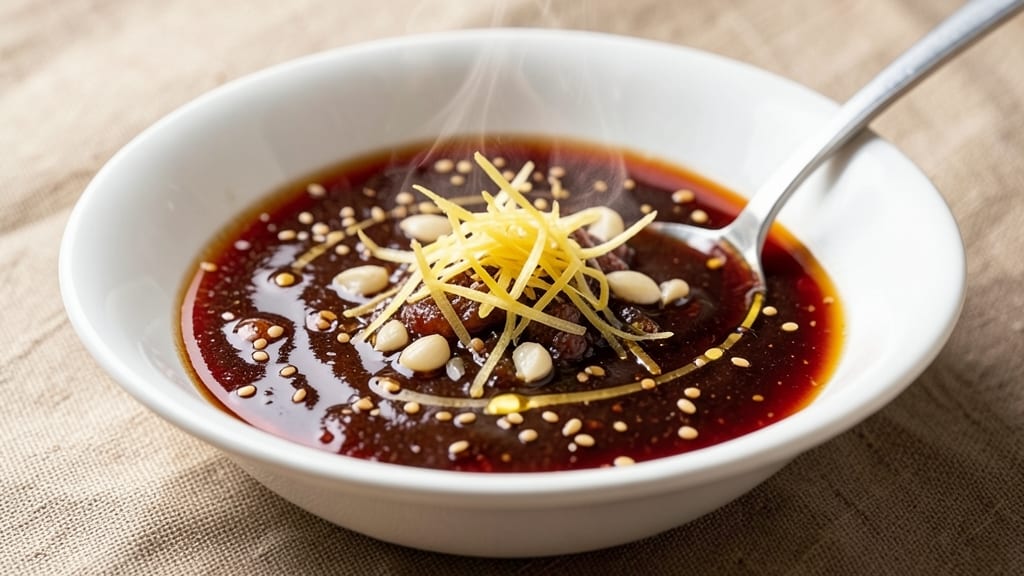
This siopao sauce recipe delivers the perfect balance of sweet, savory, and umami that makes every bite of siopao unforgettable. The secret lies in a harmonious blend of soy sauce, ginger, and vinegar that creates a glaze so rich it transforms simple steamed buns into restaurant-worthy treats.
After years of perfecting this sauce, I've found the ideal ratio of ingredients that ensures depth of flavor without overpowering the delicate siopao dough.
The foundation of this sauce begins with a simple yet powerful combination of soy sauce and vinegar, which form the umami backbone. Fresh ginger adds warmth and complexity, while brown sugar provides that signature sweetness that Filipinos love.
The sauce is designed to be versatile—whether you're brushing it onto steamed buns, drizzling it over fried siopao, or using it as a dipping sauce for extra richness.
The result is a sauce that's both restaurant-quality and easy to make at home, requiring just a few pantry staples and 15 minutes of active time.
What makes this sauce truly special is its ability to elevate any dish it touches. The aroma alone will have your kitchen smelling like a bustling Filipino bakery, while the taste delivers that perfect harmony of sweet, tangy, and savory notes.
Each batch keeps well in the refrigerator for up to two weeks, making it an ideal sauce to have on hand for quick meals or entertaining guests. The instructions are straightforward, ensuring you'll achieve that glossy, flavorful finish every time without any guesswork.
Once you try this sauce, you'll never settle for store-bought versions again. It's the kind of recipe that becomes a staple in your kitchen, transforming ordinary meals into something truly special.
Whether you're serving siopao for breakfast, lunch, or even as a snack, this sauce will be the star of the show. Let's get started on creating your own batch today!
Ingredients for siopao sauce
Nine simple ingredients transform into the sweet-savory glaze that makes siopao unforgettable.
| Ingredient | Amount | Notes |
|---|---|---|
| Soy Sauce 🥢 | ½ cup | Light or dark variety preferred |
| Rice Vinegar 🍶 | ¼ cup | White or seasoned vinegar |
| Fresh Ginger 🧅 | 2 tbsp | Finely grated, aromatic |
| Light Brown Sugar 🍯 | ¼ cup | Packed lightly for sweetness |
| Sesame Oil 🫒 | 1 tbsp | Toasted sesame oil preferred |
| Garlic Cloves 🧄 | 3 cloves | Minced finely for depth |
| Cornstarch 🌾 | 1 tbsp | For thickening consistency |
| Water 💧 | 2 tbsp | Room temperature for mixing |
| Salt 🧂 | ½ tsp | Adjust to taste balance |
| Black Pepper 🌶️ | ¼ tsp | Freshly ground for warmth |
The soy sauce is non-negotiable—Kikkoman or Lee Kum Kee give that authentic depth. For vinegar, Mushroom or rice vinegar from Trader Joe's adds a subtle umami kick. Fresh ginger is a must (the good stuff, not the jarred kind)—look for plump, firm rhizomes with no soft spots. I grab mine at Asian markets where they keep it refrigerated. The brown sugar? Light variety dissolves smoother than dark, and Trader Joe's has it in bulk for easy measuring. Sesame oil should smell nutty and toasted—avoid the cheap stuff that tastes like paint thinner.
No rice vinegar? Apple cider vinegar works in a pinch—just add a pinch of sugar to balance. Fresh ginger too spicy? Reduce to 1 tbsp and add a splash of honey (1 tsp) for sweetness. Sesame oil missing? Neutral oil plus 1/2 tsp toasted sesame seeds mimics the flavor. The cornstarch slurry (mix with water first) is key—skip it, and your sauce will be runny. For extra richness, add 1 tsp oyster sauce (like Lee Kum Kee) or a dash of fish sauce (like Red Boat). The garlic can be pre-minced from a jar (in a bind), but fresh is always better—just toss it in whole and let it simmer down.
This sauce keeps for 2 weeks in the fridge, sealed in a jar. The flavor actually improves as it sits—trust the process. For longer storage, freeze in ice cube trays and thaw as needed. Reheat gently in a small saucepan over low heat, stirring until smooth. A quick tip: add 1 tsp water when reheating to restore glossiness. Leftovers make amazing dipping sauce for egg rolls or dumplings—just thin with a splash of hot water if needed.
Why You'll Love This Recipe
- Pantry Staple Magic: I swear by this sauce because it’s made with things I already have—soy sauce, vinegar, a knob of ginger, and a spoonful of sugar. No fancy shopping trips, no last-minute grocery runs. Just open, measure, simmer.
- Umami Bomb Combo: That ginger-zing with the deep soy caramel? It’s the kind of flavor that sticks with you. The brown sugar rounds out the sharpness while the sesame oil adds this nutty, toasty finish—like a hug in a bottle.
- Dip or Drizzle: Use it for siopao, sure, but I’ve slathered it on dumplings, tossed it with noodles, even drizzled it over grilled chicken. It’s the one sauce that makes everything feel a little more special, no matter the dish.
- Budget-Friendly Powerhouse: A little goes a long way—this sauce stretches across multiple meals without breaking the bank. I double the batch, store it in the fridge, and still have leftovers for weeks. Cheap, easy, and always delicious.
Step-by-step instructions for siopao sauce
Here's how to create a perfectly balanced sweet-savory glaze that brings siopao to life.
Create the Soy-Ginger Base
In a small saucepan, combine the 0.5 cup soy sauce, 0.25 cup rice vinegar, 2 tbsp finely grated fresh ginger, and 0.25 cup light brown sugar. Bring this mixture to a gentle simmer over medium heat, stirring constantly to dissolve the sugar completely. You'll notice the aroma become rich and complex as the flavors meld together.
The sugar will dissolve more quickly if you stir vigorously. Let it simmer for about 5 minutes until the mixture reduces slightly and becomes syrupy. This foundational step builds the sweet-savory balance that makes siopao sauce special. If you see any sugar grains remaining at the bottom, keep stirring until fully incorporated.
Add Aromatics and Build Depth
Reduce the heat to low and add the 3 minced garlic cloves and 1 tbsp sesame oil. Stir gently for 1-2 minutes until the garlic becomes fragrant but doesn't brown. The sesame oil will add nutty depth that carries beautifully through the glaze. Here's where the sauce starts developing its signature complexity.
Watch the mixture closely as garlic burns quickly. You want it just fragrant enough to enhance the sauce without adding bitterness. The sesame oil should be evenly distributed, creating a shimmering quality that signals proper integration. This step transforms your basic soy mixture into something truly special.
Thicken the Sauce to Perfect Consistency
In a small bowl, whisk together the 1 tbsp cornstarch with the 2 tbsp water until completely dissolved. This creates a smooth slurry that will thicken your sauce beautifully. Return the saucepan to medium heat and slowly pour in the cornstarch mixture while stirring constantly.
Let the sauce thicken for 2-3 minutes until it coats the back of a spoon. You're aiming for a glossy, syrupy consistency that will cling perfectly to siopao. The sauce should be thick enough to glaze but still flow smoothly. If it thickens too quickly, add 1 teaspoon of water at a time until you reach the ideal consistency.
Season and Finish
Remove the sauce from heat and stir in the 0.5 tsp salt and 0.25 tsp freshly ground black pepper. Taste and adjust the seasoning if needed - you might want to add a touch more soy sauce for saltiness or a bit more sugar for sweetness. The sauce should be perfectly balanced between sweet, salty, and umami flavors.
Let the sauce cool slightly before using. This resting period allows all the flavors to fully meld together. The finished sauce should have a beautiful glossy sheen and be thick enough to coat the back of a spoon without being stiff. This versatile glaze works perfectly for brushing onto steamed buns, drizzling over dumplings, or even as a dipping sauce.
Pro Tips For Making Siopao Sauce
- Grate Ginger Fine: I learned this the hard way—chunky ginger in siopao sauce just sits there like a stubborn guest. Use a microplane or the smallest holes on a box grater to turn it into a paste. This lets the flavor dissolve smoothly instead of floating in lumps, especially when you’re simmering low and slow.
- Simmer Low and Slow: After burning three batches, I finally figured out: this sauce isn’t a race. Keep the heat at a bare simmer—just enough to see tiny bubbles breaking the surface—so the sugar caramelizes without turning into syrup. Five minutes too fast, and you’re left with a bitter mess.
- Balance the Vinegar: Rice vinegar can make or break the sauce—too much and it’s sharp, too little and it’s flat. Start with half the amount listed, taste, then add the rest gradually. If you’re using aged vinegar (like black vinegar), cut it by a third; it’s stronger than you think.
- Toast Sesame Oil Last: Sounds weird, but it works: add the sesame oil when the sauce is off the heat. Heating it too long burns the aroma right out, leaving you with a sad, bitter aftertaste. A few drops at the end? That’s what makes it sing.
Storing and reheating your leftovers
Refrigerator Storage
Store your homemade siopao sauce in an airtight glass jar (I use Le Parfait 16-ounce jars) in the refrigerator for up to 2 weeks. The glass preserves flavor better than plastic, and the wide mouth makes it easy to pour.
Always let the sauce cool completely before sealing—hot sauce creates condensation that can dilute flavors over time. 💫
I like to label my jars with the date using a masking pen so I can track freshness. The sauce actually develops deeper flavor as it sits, so don't be afraid to make a big batch.
For extra insurance, add a parchment paper circle between the lid and sauce to prevent any potential aluminum taste transfer.
Freezing for Long-Term
For longer storage, freeze the sauce in ice cube trays—each cube makes a perfect single-use portion. Once frozen, transfer the cubes to a ziplock freezer bag with all air removed.
This method preserves texture perfectly when thawed. The sauce keeps its quality for up to 3 months in the freezer. 🧊
When ready to use, thaw overnight in the fridge or quickly in a bowl of warm water. For immediate use, microwave the frozen cube for 15 seconds then stir with 1 teaspoon water to restore glossiness.
The texture will be slightly thinner after freezing, but it reheats beautifully for brushing or dipping.
Reheating Techniques
For best results, reheat sauce gently in a small saucepan over low heat for 3-5 minutes, stirring constantly. The low heat prevents burning while restoring that perfect glossy consistency.
If the sauce seems too thick after reheating, add 1 teaspoon water at a time until it reaches ideal pouring consistency. 🔥
Microwave reheating works in a pinch: heat for 20-30 seconds on 50% power, then stir vigorously. The sauce may separate slightly—just stir until smooth. For extra richness after reheating, add a dash of toasted sesame oil (about ½ teaspoon) to restore that nutty depth.
Reviving Stale Sauce
If your refrigerated sauce has thickened too much, thin it with 1 teaspoon hot water per 2 tablespoons of sauce. Stir well and let sit for 5 minutes before using.
The heat reactivates the cornstarch, restoring that perfect glaze consistency. For extra flavor boost, add a pinch of grated ginger or ½ teaspoon soy sauce.
Never refrigerate sauce in metal containers—it can react with the acidity in vinegar. Glass or food-grade plastic is always the best choice. The sauce should maintain its glossy appearance even after storage—if it looks dull, reheat gently to restore shine.
This simple trick keeps your siopao tasting fresh every time. ✨
Nutrition facts
Frequently asked questions
What's the best way to use this siopao glaze?
This sauce works perfectly for brushing onto steamed siopao right before serving, or as a dipping sauce for extra flavor. For fried siopao, drizzle it generously while still hot to create a sticky, caramelized crust. You can also use it as a marinade for 10-15 minutes before grilling chicken or pork skewers.
Can I make this sauce without cornstarch?
Yes! For a naturally thickened version, reduce the soy-vinegar mixture by half (about 10 minutes on medium-high heat) until syrupy. This works best for dipping sauces rather than glazing. Alternatively, use 1 tbsp arrowroot powder mixed with water for a similar effect.
Why does my sauce taste too sweet or salty?
Adjust the balance by adding 1 tsp more soy sauce for saltiness or 1 tsp vinegar for tang. Too sweet? Add ½ tsp grated ginger or a pinch of black pepper to cut through. Taste as you go—this sauce is highly customizable! For extra depth, a dash of oyster sauce (½ tsp) adds umami without altering sweetness.
How can I make this sauce spicier?
Add ½ tsp sriracha or ¼ tsp cayenne pepper to the finished sauce. For heat with complexity, infuse 1 tsp chili oil into the warm sauce and let it steep for 5 minutes before using. For a smoky kick, substitute ½ tsp smoked paprika for the regular black pepper.
Will this sauce work for other Asian dishes?
This versatile glaze elevates dumplings, bao buns, or even grilled meats. For pork belly, brush it on during the last 5 minutes of roasting. For vegetarian options, drizzle over tofu or egg rolls. The soy-ginger base pairs beautifully with rice, noodles, or stir-fries—just adjust thickness by adding water if needed.