
Sauces & Condiments
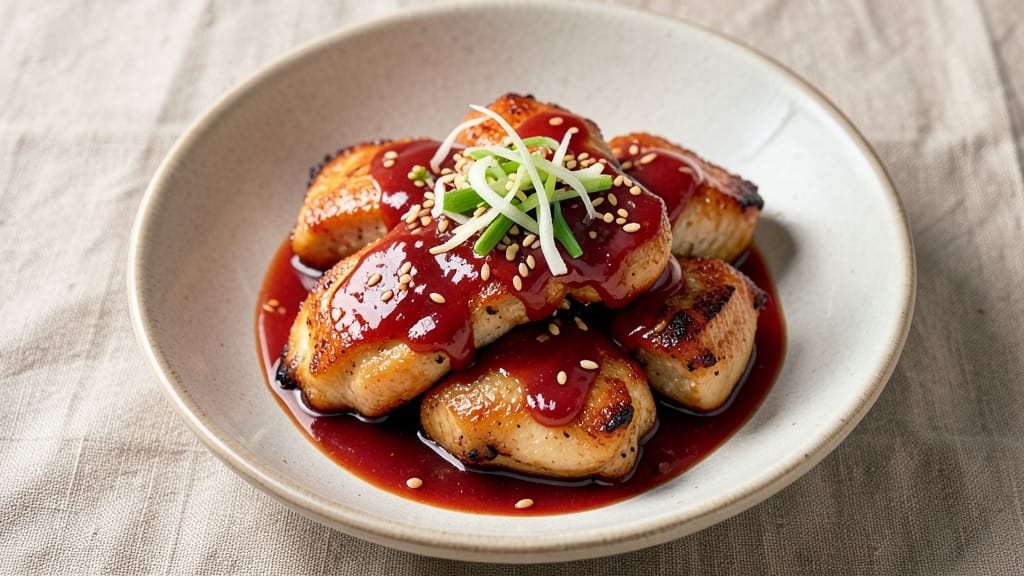
This Asian plum sauce chicken recipe delivers a perfect balance of sweet, tangy, and umami flavors with a crispy bite that stays intact even after glazing. I developed this dish while perfecting my fusion techniques, blending Southeast Asian influences with my Southern roots—where bold flavors meet precision cooking.
The secret lies in the sauce: a harmonious blend of plum paste, soy, and garlic that caramelizes beautifully while keeping the chicken tender yet crispy.
The recipe begins with a simple marinade that tenderizes the chicken while building flavor, followed by a quick sear to lock in juices before glazing. What sets this apart is the plum sauce technique—reducing it just enough to coat the chicken without overwhelming its natural taste.
The result is a dish that's restaurant-quality yet achievable at home, with a sauce that's versatile enough to use on other proteins or vegetables.
By the final step, you'll have golden-brown chicken pieces with a glossy, sticky-sauce crust that's sweet, tangy, and slightly spicy—each bite delivers a perfect contrast of textures and flavors. The sauce's depth comes from slow reduction, while the chicken's crispy edges are achieved through precise heat control.
This is the kind of dish that transforms a simple weeknight dinner into a memorable meal.
Serve it over jasmine rice for a complete meal, or pair with steamed bok choy and sesame noodles for a full Asian-inspired spread. The sauce keeps well in the fridge, so you can make extra for future meals. Let's get started on this flavorful fusion dish that's sure to impress.
Ingredients for asian plum sauce chicken
Bold flavors meet crispy texture in this Asian plum sauce chicken recipe—just 15 ingredients for a dish that feels restaurant-worthy.
| Ingredient | Amount | Notes |
|---|---|---|
| Boneless, Skinless Chicken Thighs 🍗 | 1 ½ lb | Cut into even-sized pieces |
| Asian Plum Paste 🍑 | ½ cup | High-quality, unsweetened preferred |
| Low-Sodium Soy Sauce 🥢 | ⅓ cup | Or tamari for gluten-free |
| Rice Vinegar 🍶 | ¼ cup | White or seasoned variety |
| Garlic Cloves 🧄 | 6 cloves | Minced for marinade and sauce |
| Fresh Ginger 🌿 | 2 tbsp | Finely grated, peeled |
| Honey 🍯 | 2 tbsp | Or maple syrup for vegan |
| Sesame Oil 🫒 | 1 tbsp | Toasted for aroma |
| Cornstarch 🌾 | 1 tbsp | For sauce thickening |
| Neutral Oil 🫒 | 2 tbsp | Vegetable or canola |
| Red Chili Flakes 🌶️ | 1 tsp | Adjust for spice preference |
| Salt 🧂 | 1 tsp | Kosher or sea salt |
| Black Pepper 🌶️ | ½ tsp | Freshly ground |
| Green Onions 🧅 | 3 whole | Sliced, for garnish |
| Sesame Seeds 🌱 | 1 tbsp | Toasted, for garnish |
The plum paste is non-negotiable here—look for the unsweetened kind at Asian markets, like the brand sold at H Mart or 99 Ranch. If you can't find it, Plum Perfect from Trader Joe's works in a pinch. For the chicken, thighs stay juicier than breasts during the crisping process. Cut them into even-sized pieces (about 1.5-inch chunks) so they cook uniformly. Fresh ginger and garlic are worth the extra minute to prep—they make all the difference in flavor depth. If you're short on time, jarred minced garlic and ginger work, but fresh is ideal.
No plum paste? Mango chutney plus a splash of balsamic vinegar gets you close, though it won't be identical. Swapping soy sauce for coconut aminos cuts the sodium but adds a slight coconut note. The cornstarch is key for that glossy sauce—don't skip it. For extra crispiness, toss the chicken in arrowroot powder instead of cornstarch before frying. The sesame oil adds aroma, but if you're sensitive to its flavor, reduce to 1/2 tablespoon. The rice vinegar can be subbed with apple cider vinegar, though it'll be slightly less tangy.
The sauce keeps beautifully—transfer it to a jar and store for up to 2 weeks in the fridge. Reheat gently in a saucepan or microwave, adding a splash of water if it thickens too much. The chicken reheats best in a skillet over medium heat for 2-3 minutes per side—just until warmed through. Double the sauce recipe if you're serving a crowd; it's that good. Garnish with toasted sesame seeds right before serving, so they stay crisp. Freeze extras in ice cube trays for easy portioning later.
Why You'll Love This Recipe
- Foolproof Stovetop: I swear by this one—just sear the thighs in a hot pan, then toss everything in one bowl. No fancy techniques, no waiting for the oven to heat. That plum paste? It melts into the sauce like magic, turning a simple weeknight into "I actually cooked" night.
- Umami Bomb: The combo of low-sodium soy and plum paste is next-level—sweet, tangy, with that deep savory punch. Honestly, I’ve tried store-bought sauces, but this? It’s the kind of flavor that makes you pause mid-bite. The garlic cloves? Minced or whole—your call, but I crush them with the flat of my knife for extra punch.
- Lunchbox Hero: Between us, this is my go-to for meal prep. The sauce clings to the chicken like glue, so it stays juicy even after three days. Pack it with rice or noodles, and suddenly you’ve got a lunch that doesn’t taste like yesterday’s leftovers. My kids even ask for it—(yes, even on a Tuesday).
- Budget Win: Chicken thighs are forgiving and cheap, and plum paste stretches like crazy. I’ve made this for four people for under $12, and it still feels special. Plus, the leftovers? They’re even better the second day—if you can resist eating them all at once.
Step-by-step instructions for Asian plum sauce chicken
Here's how to create tender chicken thighs with that signature sweet-tangy glaze and perfect crispy edges.
Prepare the Chicken for Maximum Flavor
Cut the 1.5 lb boneless, skinless chicken thighs into even-sized pieces, about 1-inch thick each. This ensures they cook uniformly. Place them in a bowl and mix with 1 tsp salt, 0.5 tsp black pepper, 1 tsp red chili flakes, 6 cloves minced garlic, and 2 tbsp finely grated ginger. The marinade should coat the chicken completely - I like to rub it in with my hands for even distribution.
Let the chicken marinate for at least 30 minutes at room temperature. This allows the flavors to penetrate deeply. If you have time, marinate overnight in the fridge for even more flavor development. The chicken will develop a beautiful reddish hue from the chili flakes and garlic, which is your first sign that the marinade is working.
Create the Signature Plum Sauce
In a small bowl, whisk together 0.5 cup Asian plum paste, 0.33 cup low-sodium soy sauce, 0.25 cup rice vinegar, 2 tbsp honey, and 1 tbsp sesame oil. This mixture should be smooth and well combined. I like to taste it at this stage to ensure the balance of sweet, tangy, and umami flavors. If it needs more sweetness, add a touch more honey; if it needs more tang, add a splash of rice vinegar.
In a separate small bowl, mix 1 tbsp cornstarch with 2 tablespoons water to create a slurry. This will help thicken the sauce beautifully. Set both mixtures aside while you cook the chicken - they'll be ready when you need them.
Cook the Chicken to Juicy Perfection
Heat 2 tablespoons neutral oil in a large skillet over medium-high heat until shimmering. Add the marinated chicken pieces in a single layer, being careful not to overcrowd the pan. Cook for 4-5 minutes per side until the chicken is golden brown and develops a nice crispy crust. You'll know it's ready when it releases easily from the pan and the internal temperature reaches 165°F when checked with a meat thermometer.
Once the chicken is cooked, remove it from the skillet and set it aside on a plate. The residual heat will keep it warm while you prepare the sauce. Don't be tempted to overcook it - chicken thighs are forgiving and will stay juicy even if you remove them slightly before they reach 165°F.
Build the Glazing Sauce
With the chicken removed, reduce the heat to medium in the same skillet. Add the plum sauce mixture and bring it to a gentle simmer. Let it cook for 3-4 minutes, stirring occasionally, until it begins to thicken slightly. This is where the magic happens - the natural sugars in the plum paste will start to caramelize, deepening the sauce's flavor.
Next, add the cornstarch slurry and stir continuously for 1-2 minutes until the sauce thickens to a glossy, coatable consistency. It should be thick enough to cling to the chicken but still flow smoothly. If it thickens too quickly, add 1-2 tablespoons water to reach your desired consistency. The sauce should be vibrant red with a glossy sheen.
Glaze and Garnish for Presentation
Return the cooked chicken to the skillet and spoon the plum sauce generously over the top. Let it simmer together for 2-3 minutes until the chicken is fully coated and the sauce has absorbed into the meat. The chicken should be beautifully glazed with that signature sweet-tangy sauce.
Transfer the chicken to a serving platter and garnish with 3 whole sliced green onions and 1 tbsp toasted sesame seeds. The green onions add a fresh, bright contrast to the rich plum sauce, while the sesame seeds provide a nutty crunch. Serve immediately while the chicken is hot and the sauce is glossy. The combination of crispy edges, tender meat, and that perfect sweet-tangy glaze makes every bite unforgettable.
Pro Tips For Making Asian Plum Sauce Chicken
- CRISP THE THIGHS FIRST: I learned this the hard way—skipping the sear means your chicken will turn out tender but pale. Pat the thighs very dry, then hit them with a hot pan (no oil needed) for 2-3 minutes per side until golden. The crust locks in the plum sauce’s sweetness later, so don’t rush this.
- MINCE THAT GARLIC: Whole cloves in this dish just won’t cut it. Use a knife to finely chop the garlic into a paste—think more like a thick jam than chunks. This ensures every bite gets that bright, aromatic punch without bitterness. (Yes, even if you’re impatient like me.)
- DON’T BOIL THE SAUCE: The plum paste will curdle if you simmer too hard. Keep the heat low once you add the vinegar and soy sauce, and stir constantly. If it starts to bubble aggressively, pull the pan back and let it mellow out. You’re aiming for a glossy, thick glaze, not a sticky mess.
- USE THE AFTERNOON JUICE: If your plum paste is dry or crumbly, mix in 1-2 teaspoons of rice vinegar right away when building the sauce. This reactivates the paste’s moisture and prevents clumping. (Pro move: Save the leftover vinegar—it’s perfect for balancing the richness later.)
Best sauces and condiments for asian plum sauce chicken
Sweet-Tangy Glaze
The star of this dish is the plum sauce, where Asian plum paste meets soy sauce and rice vinegar for that signature balance. I always use high-quality plum paste—look for brands like Plum Perfect from Trader Joe's or H Mart's unsweetened version.
The key is reducing it just enough to caramelize the natural sugars, which gives that glossy, sticky texture. 🍑
For extra depth, I add a touch of honey and sesame oil—this trio creates the perfect harmony of sweet, tangy, and nutty notes. The cornstarch slurry is non-negotiable; it thickens the sauce to a perfect coatable consistency without making it gluey.
If you're short on time, a quick 5-minute reduction on high heat works, but I prefer a gentler simmer for 8-10 minutes to let the flavors meld.
Umami Boost
Don’t skip the low-sodium soy sauce—it’s what ties all the flavors together. For a deeper umami kick, I sometimes add 1 tsp fish sauce or 1 tbsp oyster sauce to the sauce mixture.
The garlic and ginger in the marinade also infuse the sauce with their aromatic oils, so every bite is packed with flavor. If you’re feeling adventurous, a pinch of white pepper adds a subtle warmth that pairs beautifully with the sweetness.
Spicy Kick
The red chili flakes in the marinade add a gentle heat that brightens the dish. For a milder version, reduce to ½ tsp, or swap in Sichuan peppercorns for a numbing, citrusy spice.
If you love heat, add 1 tsp chili crisp or 1 tbsp gochujang to the sauce for a smoky, fiery twist. The chili flakes also give the sauce a beautiful vibrant red hue, making it look as good as it tastes. 🌶️
Versatile Sauce
This plum sauce isn’t just for chicken—it’s a game-changer for grilled pork, tofu, or even roasted vegetables. I’ve used it on baked salmon and crispy Brussels sprouts with amazing results.
The sauce keeps well in the fridge for up to 2 weeks, so make extra for future meals.
For a quicker version, blend ½ cup plum paste with 2 tbsp soy sauce, 1 tbsp rice vinegar, and 1 tsp honey—it’s not as refined but still delicious in a pinch.
Garnish Like a Pro
The finishing touches make all the difference. Toasted sesame seeds add a nutty crunch, while sliced green onions bring freshness. For extra flair, I sometimes drizzle with a few drops of chili oil or sprinkle crushed peanuts on top.
The contrast of textures—crispy chicken, glossy sauce, and crunchy garnishes—elevates the dish from good to unforgettable. Serve with steamed jasmine rice or noodles to soak up every last drop of that sweet-tangy goodness. ✨
Nutrition facts
Frequently asked questions
Can I use chicken breast instead of thighs for this recipe?
Chicken breast works, but thighs are ideal because they stay juicier during the crisping process. If using breast, cut into ½-inch thick pieces and reduce cooking time to 3-4 minutes per side to prevent drying out. The sauce will still cling beautifully, but thighs deliver that perfect crispy-tender contrast.
What if I can't find Asian plum paste at my local store?
No problem! Substitute with ½ cup mango chutney plus 1 tbsp balsamic vinegar for tang. For a closer match, blend ½ cup dried plums with 2 tbsp water and simmer until thickened. The flavor won't be identical, but it'll still deliver that sweet-tangy profile. Asian markets or online retailers like H Mart usually carry plum paste.
How do I make the sauce thicker or thinner?
For a thicker sauce, add ½ tbsp cornstarch mixed with 1 tsp water and simmer for 1-2 minutes. Need it thinner? Stir in 1-2 tbsp water or rice vinegar while heating. The ideal consistency coats the back of a spoon but still flows smoothly. Adjust gradually—sauces thicken as they cool!
Can I prepare this dish ahead of time?
Marinate the chicken overnight for deeper flavor. For make-ahead meals, cook the chicken and sauce 1 day ahead, then refrigerate. Reheat gently in a skillet over medium heat for 3-4 minutes—add a splash of water if the sauce thickens too much. The sauce reheats beautifully, though it may need a quick stir to restore glossiness.
What are the best sides to serve with this dish?
Pair with steamed jasmine rice or coconut rice to soak up the sauce. For a lighter option, try stir-fried bok choy or sesame noodles. My go-to is quick-pickled cucumbers—the cool crunch cuts through the richness. For a heartier meal, add roasted sweet potatoes or miso-glazed eggplant.