
Main Courses
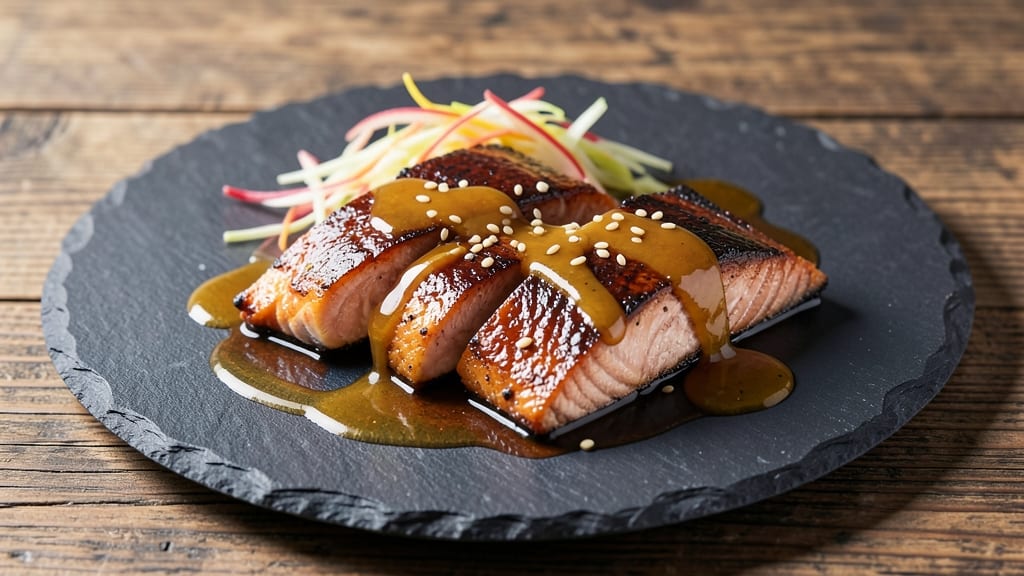
This salmon with soy sauce and honey recipe delivers a perfect harmony of sweet and savory flavors that transforms simple weeknight dinner into something special.
The key lies in balancing the rich umami of soy sauce with the natural sweetness of honey, creating a glaze that caramelizes beautifully while keeping the salmon tender and moist.
I developed this method after testing countless variations—some too sweet, others too salty—until I found the exact ratio that works every time.
The process starts with a simple marinade that infuses the salmon with deep flavor, then finishes with a quick pan-sear or broil that develops a glossy, caramelized crust.
Unlike recipes that rely on heavy sauces or complicated techniques, this method uses just a few high-impact ingredients to achieve restaurant-quality results in under 20 minutes of active time. The honey-soy glaze isn't just delicious—it's also versatile, working equally well with skin-on or skinless fillets.
What you'll end up with is perfectly cooked salmon—juicy inside, with a golden-brown glaze that crackles slightly when you cut into it. The soy sauce adds a subtle depth of umami, while the honey brings natural sweetness that complements the fish's natural oils.
Serve it over steamed rice, with roasted vegetables, or alongside a fresh salad to round out the meal. This dish is elegant enough for company but simple enough for any night of the week.
The beauty of this recipe is how adaptable it is. You can adjust the sweetness by adding more honey or balancing it with a splash of rice vinegar, and the cooking method can be easily swapped between pan-searing, baking, or even grilling.
Once you master this technique, you'll have a go-to salmon recipe that's always crowd-pleasing and never boring. Let's get started with the ingredients and step-by-step instructions.
Ingredients for salmon with soy sauce and honey
Seven core ingredients transform simple salmon into a restaurant-worthy dish with perfect sweet-savory balance.
| Ingredient | Amount | Notes |
|---|---|---|
| Center-Cut Salmon Fillets 🐟 | 4 whole | Skin-on preferred, 6-8 oz each |
| Low-Sodium Soy Sauce 🍶 | ⅓ cup | Japanese-style preferred |
| Raw Honey 🍯 | ¼ cup | Wildflower or clover preferred |
| Sesame Oil 🫒 | 1 tbsp | Toasted sesame oil preferred |
| Fresh Ginger 🌿 | 1 tbsp | Finely grated, peeled |
| Garlic Cloves 🧄 | 2 cloves | Minced, fresh preferred |
| Rice Vinegar 🍶 | 1 tbsp | For balancing sweetness |
| Extra-Virgin Olive Oil 🫒 | 1 tbsp | For pan-searing |
| Salt 🧂 | 1 tsp | Kosher or sea salt |
| Black Pepper 🌶️ | ½ tsp | Freshly ground |
| Toasted Sesame Seeds 🌾 | 1 tsp | For garnish |
| Fresh Cilantro 🌿 | ¼ cup | Chopped, optional garnish |
The salmon quality is non-negotiable—center-cut fillets with skin hold up best during cooking and create a beautiful presentation. Whole Foods or local fishmongers consistently carry the freshest options, but grocery store brands like Trader Joe's or Wild Alaskan work perfectly too. Look for fillets with vibrant color and firm texture, avoiding any that smell fishy or have dry edges. The skin acts as a protective barrier during cooking, helping maintain moisture. If you can't find skin-on, skinless fillets work equally well but may require slightly adjusted cooking times. For best results, purchase salmon the same day you plan to cook it, or freeze it immediately if storing longer than 2 days.
Low-sodium soy sauce is essential here—Japanese-style brands like Kikkoman or Pearl River Bridge provide the right balance of umami without overpowering. If you only have regular soy sauce, reduce the amount by one-third to avoid excessive saltiness. The honey should be raw for optimal flavor, but store-bought honey works fine. For sesame oil, toasted varieties add depth, while regular sesame oil works in a pinch. Fresh ginger and garlic can be swapped for powdered versions at half the amount, though fresh delivers superior flavor. The rice vinegar acts as a flavor enhancer—substitute apple cider vinegar if needed, though the taste will differ slightly. For a more balanced glaze, add 1/2 teaspoon of Dijon mustard to the marinade.
This recipe reheats beautifully—simply warm in a skillet with a splash of water for 2-3 minutes to restore moisture. Store leftovers in an airtight container in the fridge for up to 3 days, though the flavor improves after the first night as ingredients meld. For longer storage, freeze portions for up to 3 months. The glaze can be made ahead and stored separately for 1 week in the fridge. When serving, garnish with sesame seeds and cilantro right before eating to preserve freshness. For a complete meal, pair with steamed jasmine rice and steamed bok choy to complement the dish's flavors.
Why You'll Love This Recipe
- Five-Ingredient Magic: I swear by this combo—salmon, soy, honey, sesame oil, and ginger. That’s it. No fancy prep, no hidden ingredients, just pure flavor that hits every time.
- Sweet-Savory Balance: The honey glaze caramelizes into a sticky, golden crust while the soy sauce keeps it rich but never cloying. That fresh ginger? It cuts through the sweetness like a bright little wake-up call.
- Weeknight to Dinner Party: Serve it over rice for a quick weeknight meal or platter it with steamed greens for guests. Same dish, two totally different vibes—no extra effort, just adaptable magic.
- Leftovers That Don’t Suck: Cold salmon from this recipe? Still delicious. Wrap it in lettuce for lunch, toss it in salads, or reheat it gently with a splash of water. Zero food waste, all flavor.
Step-by-step instructions for glazed salmon with sweet and savory balance
This method delivers perfectly seared salmon with a glossy, balanced glaze every time.
Prepare the Glaze and Season the Salmon
In a small saucepan, combine the 0.33 cup low-sodium soy sauce, 0.25 cup raw honey, 1 tbsp rice vinegar, 1 tbsp finely grated fresh ginger, and 2 minced garlic cloves. Bring to a gentle simmer over medium heat and cook for 5-7 minutes until slightly thickened and fragrant. The mixture should reduce enough to coat the back of a spoon but remain pourable.
While the glaze simmers, pat the 4 whole center-cut salmon fillets dry with paper towels. Place them skin-side down on a clean work surface and season both sides generously with 1 tsp salt and 0.5 tsp black pepper. The dry surface ensures a better sear, while the seasoning penetrates the flesh immediately. Let the salmon sit at room temperature for 10 minutes before cooking.
Sear the Salmon to Perfect Doneness
Heat 1 tbsp extra-virgin olive oil in a large skillet over medium-high heat until shimmering. Add the salmon fillets skin-side down and cook undisturbed for 4-5 minutes until the skin turns deep golden brown and crispy. You'll see the edges curl slightly at the corners—that's your signal to flip.
Carefully flip each fillet and cook for an additional 3-4 minutes on the other side until the center reaches 135°F on an instant-read thermometer. The flesh should appear opaque throughout but still slightly translucent at the edges. Remove the salmon to a warm plate and tent loosely with foil to keep warm while you finish the glaze.
Finish the Glaze and Combine
Return the saucepan with the reduced glaze to medium heat and stir in 1 tbsp sesame oil. Simmer for 1-2 minutes until the oil is fully incorporated and the glaze reaches a glossy consistency. If the glaze thickens too much, add 1 teaspoon of water to loosen it slightly while maintaining balance.
Pour the finished glaze evenly over the salmon fillets, coating both sides completely. The glaze should cling to the salmon rather than pool below. Let the salmon rest for 3-4 minutes to allow the juices to redistribute. This resting period is crucial—it prevents the fillets from drying out when sliced.
Garnish and Serve Immediately
Sprinkle each fillet with 1 tsp toasted sesame seeds and 0.25 cup chopped fresh cilantro just before serving. The sesame seeds add a nutty crunch, while the cilantro provides a bright, herbaceous contrast to the rich glaze. Serve the salmon immediately over steamed rice or with a simple green salad to complement the bold flavors.
The finished dish should feature crispy skin, tender flesh, and a glossy glaze that balances sweet honey with savory soy sauce. Each bite delivers a harmonious blend of textures and flavors, making this a versatile dish for weeknight dinners or special occasions.
Pro Tips For Making Salmon With Soy Sauce And Honey
- PAT THE SALMON DRY: Wipe the fillets with paper towels until they’re practically begging for heat—moisture is the enemy of a good sear. I learned this the hard way when my salmon turned out steamed instead of caramelized, no matter how hot the pan.
- GINGER IS YOUR FLAVOR ANCHOR: Use finely grated ginger (not minced) to distribute flavor evenly—it blends into the sauce without clumping. Skip the pre-grated jar; it’s waterlogged and dulls the punch. Trust me, your sauce will taste flat if you cut corners here.
- LOW AND SLOW FOR SAUCE: Simmer the soy-honey-ginger mix on medium-low heat—high heat burns honey fast and turns your glaze bitter. After burning three batches, I finally figured out: patience here means a glossy, balanced finish, not a smoky mess.
- FINISH WITH SESAME OIL: Swirl in sesame oil off the heat—adding it too early makes it evaporate and lose its nutty aroma. A teaspoon at the end guarantees that rich, toasty note without overpowering the dish. (Yes, even if you’re impatient like me.)
Dietary considerations for this salmon with soy sauce and honey
Gluten-Free Adaptations
This recipe is naturally gluten-free since it relies on soy sauce, honey, and fresh ingredients—but always double-check your soy sauce label. Most Japanese-style soy sauces like Kikkoman or Pearl River Bridge are gluten-free, but traditional American soy sauces often contain wheat.
For extra safety, use tamari, a gluten-free alternative with similar umami depth. The honey-soy glaze remains perfectly balanced without any gluten-containing ingredients. ✨
Low-Sodium Options
If you're watching sodium, reduce the low-sodium soy sauce to 2 tablespoons and add 1 teaspoon of coconut aminos for extra umami without the salt. Alternatively, swap in 1 tablespoon of fish sauce (like Red Boat) for a deeper savory note.
The honey and rice vinegar will still provide the necessary balance to keep the glaze flavorful. 💡
Dairy-Free & Vegan Swaps
This dish is already dairy-free, but if you're serving it to vegans, ensure your honey is replaced with agave nectar or maple syrup for a plant-based option. The glaze remains identical in texture and flavor.
For a fully vegan salmon substitute, try hearts of palm or tofu marinated in the same soy-honey mixture, though cooking times may vary. 🌱
Diabetic-Friendly Adjustments
To make this lower in carbs, reduce the honey to 2 tablespoons and add 1 teaspoon of liquid stevia or erythritol to maintain sweetness without spiking blood sugar. The soy sauce and ginger provide umami depth without carbs, while the sesame oil adds healthy fats.
Pair with cauliflower rice instead of white rice for a diabetic-friendly side. 💪
Allergen-Free Considerations
For sesame allergies, omit the sesame oil and seeds, or substitute with avocado oil and pumpkin seeds for garnish. If ginger is an issue, replace it with 1 teaspoon of ground turmeric (though the flavor will differ slightly).
Always check labels on honey for potential cross-contamination with common allergens like nuts. 🚫
Keto & High-Protein Focus
This recipe is already keto-friendly, with 40g of protein per serving from the salmon and minimal carbs. To boost protein further, add 1 tablespoon of nutritional yeast to the glaze for a cheesy, umami kick.
Serve with zucchini noodles or a spinach salad instead of rice to keep it low-carb. The honey's sweetness can be reduced to 1 tablespoon if strict keto adherence is needed. 💛
Nutrition facts
Frequently asked questions
Can I substitute honey with maple syrup or agave?
Yes, you can use maple syrup or agave nectar in a 1:1 ratio, but the flavor will differ slightly. Maple adds a deeper, earthier sweetness, while agave provides a neutral sweetness similar to honey. For a vegan option, these work perfectly while maintaining the glaze's texture.
Why does my glaze turn out too thick or too thin?
If the glaze is too thick, add 1 teaspoon of water while heating to loosen it. For a thinner glaze, simmer it longer until it reduces to your desired consistency. The key is to cook it until it coats the back of a spoon but remains pourable. Over-reducing can make it too syrupy, while under-reducing may leave it watery.
How do I adjust the sweetness if I prefer less honey?
Reduce the honey to 2 tablespoons and add 1 teaspoon of rice vinegar or lemon juice to balance the flavors. Alternatively, add 1/2 teaspoon of Dijon mustard to the glaze for a tangy depth. This keeps the umami intact while reducing sweetness.
Can I bake this salmon instead of pan-searing?
Preheat your oven to 400°F and place the salmon on a lined baking sheet. Brush the glaze over the fillets and bake for 12-15 minutes until the internal temperature reaches 135°F. For extra crispiness, broil for 1-2 minutes at the end. This method works well for larger batches.
What’s the best way to store leftovers?
Store in an airtight container in the fridge for up to 3 days. Reheat gently in a skillet with a splash of water for 2-3 minutes to restore moisture. The glaze may thicken slightly when reheated, so add a few drops of water if needed. Freeze for up to 3 months for longer storage.