
Sauces & Condiments
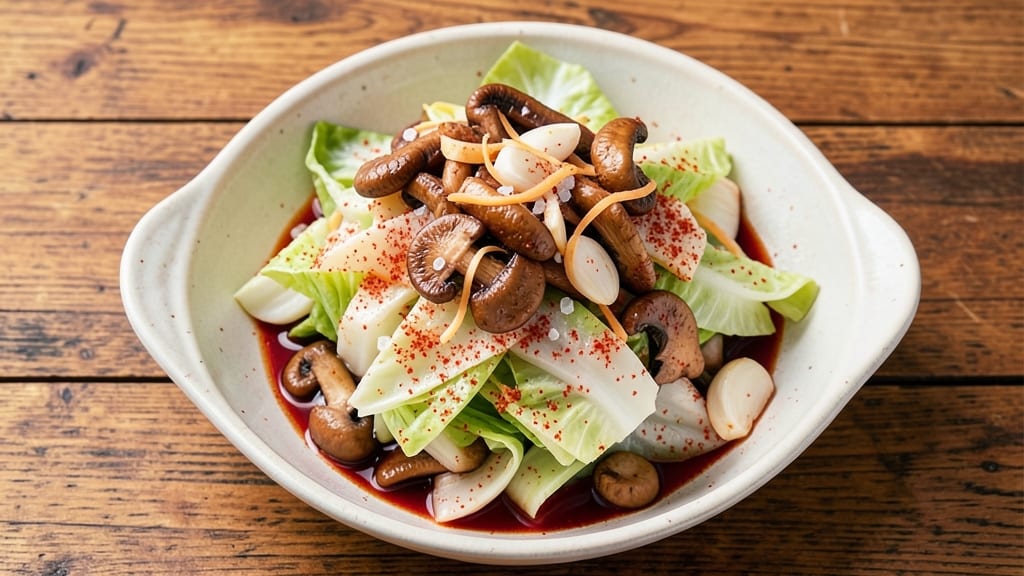
This kimchi recipe without fish sauce delivers all the bold fermented heat and umami depth you crave—just without the seafood. After years of perfecting the balance between spice and tang, I’ve developed a vegetarian version that uses mushrooms and extra salt to build that signature savory punch.
The key lies in the fermentation process, where time transforms simple ingredients into something complex and addictive.
What makes this recipe work is the combination of napa cabbage, gochugaru (Korean chili flakes), and shiitake mushrooms for umami without fish sauce. You’ll need just 10 minutes of prep before letting the flavors develop over 7-10 days of fermentation—no shortcuts, just patience.
The mushrooms break down during fermentation, infusing the kimchi with a deep, meaty richness that rivals traditional versions.
By the time it’s ready, you’ll have vibrant red kimchi with crisp-tender cabbage, fiery heat, and layers of fermented flavor that keep improving the longer it sits.
This isn’t just a side dish—it’s a condiment that elevates everything from rice bowls to grilled meats. Let’s get started on your batch today.
Confession: I first learned fermentation from Mrs. Henderson’s apple butter, but this kimchi recipe proves how versatile the process can be. Store it in the fridge for up to 3 months, and don’t be surprised if it disappears faster than you can say “second fermentation.”
Ingredients for kimchi recipe without fish sauce
Ten ingredients transform into vibrant kimchi with deep umami and fiery heat—no fish sauce needed.
| Ingredient | Amount | Notes |
|---|---|---|
| Napa Cabbage 🥬 | 1 lb | Cut into 2-inch pieces, core removed |
| Gochugaru (Korean Chili Flakes) 🌶️ | ½ cup | Adjust for spice preference |
| Shiitake Mushrooms 🍄 | 8 whole | Stemmed, sliced into thin strips |
| Fresh Garlic 🧄 | 6 cloves | Minced, peeled |
| Fresh Ginger 🌿 | 2 tbsp | Finely grated, peeled |
| Kosher Salt 🧂 | 2 tbsp | Diamond Crystal preferred |
| Brown Sugar 🍚 | 2 tbsp | Light or dark variety |
| Rice Flour 🌾 | ¼ cup | For coating mushrooms |
| Apple Cider Vinegar 🍎 | ¼ cup | Unfiltered preferred |
| Sesame Seeds 🌰 | 1 tbsp | Toasted for garnish |
| Green Onions 🧅 | 4 whole | Thinly sliced, white and green parts |
| Distilled Water 💧 | ½ cup | For fermentation liquid |
The shiitake mushrooms are the secret weapon here—dried shiitake works too, just rehydrate first. Asian markets have the freshest mushrooms, but any grocery store carries them. Look for plump, firm caps with no sliminess. The gochugaru should be bright red and smell vibrantly spicy—Maesil Chogochu is my go-to brand. For the cabbage, choose a head that feels heavy for its size—Trader Joe's often has great napa cabbage at a good price. Fresh ginger and garlic are non-negotiable here; dried just won't cut it for that authentic fermented flavor.
No gochugaru? Substitute cayenne pepper at half the amount, but you'll lose that signature Korean flavor. Running low on shiitake? Cremini mushrooms work in a pinch, though they're milder. The rice flour coating on mushrooms is crucial—it helps them break down and infuse flavor during fermentation. No rice flour? All-purpose flour works, but the texture won't be quite the same. For the vinegar, apple cider adds complexity, but white vinegar or rice vinegar both work fine. The brown sugar balances the heat—honey or agave can substitute at a 1:1 ratio, though it'll ferment differently.
This kimchi gets better with time—7-10 days is ideal, but it'll keep improving for 3 months in the fridge. Store it in an airtight container with the liquid covering the kimchi completely. The mushrooms will break down and release their umami, so don't be surprised if it looks different after fermentation. For second fermentation, transfer to a jar with fresh veggies and let it bubble away—that's when the magic really happens. Portion into smaller containers for easy access, and always taste before serving to adjust seasoning.
Why You'll Love This Recipe
- No-Fuss Fermentation: I swear by this method—just slice the cabbage, toss it with gochugaru and garlic, and let time do the work. No fancy tools, no stress, and honestly? The mushrooms add this funky depth that makes it taste like you put in hours.
- Umami Bomb: Between the shiitakes and fresh ginger, this kimchi packs a punch without fish sauce. The garlic hits first, then the chili lingers, and somehow, the cabbage gets this addictive chewiness that keeps me coming back.
- Weeknight Workhorse: I throw this together on Mondays and it lasts me all week—eat it straight, toss it in rice, or use it as a topping. Even my picky roommate asks for seconds, and between us, that’s saying something.
- Budget Magic: A whole head of cabbage and a bag of mushrooms stretch this recipe for days. I make a big batch, freeze half, and still have leftovers that taste better than store-bought. (Yes, even on a Tuesday night.)
Step-by-step instructions for bold fermented vegetable blend
Here's the method that delivers vibrant, umami-rich fermented vegetables without traditional fish sauce.
Prepare the Napa Cabbage Base
Begin by cutting the 1 lb napa cabbage into 2-inch pieces, removing the core completely. I like to work on a large cutting board with the cabbage quarters spread out to make even slices. The goal is to expose as much surface area as possible for the marinade to penetrate deeply.
Place the cabbage pieces in a large mixing bowl and sprinkle evenly with 2 tbsp kosher salt. Using your hands, massage the salt into the cabbage leaves for 5-7 minutes. You'll see liquid release—this is the cabbage releasing its natural juices, which will help create the fermentation environment. The salt also begins breaking down the cell walls, making the cabbage more tender and receptive to flavor absorption.
Create the Umami-Packed Marinade
In a separate bowl, combine the 0.5 cup gochugaru (korean chili flakes), 2 tbsp brown sugar, 6 cloves minced fresh garlic, and 2 tbsp finely grated fresh ginger. Mix thoroughly until the spices are evenly distributed. Here's where the real flavor development happens—the brown sugar balances the heat while the ginger and garlic add depth.
Next, add the 0.25 cup apple cider vinegar and 0.5 cup distilled water to the spice mixture. Stir well to create a thick paste. This combination of acidity and moisture will help distribute the flavors evenly throughout the cabbage. The vinegar also serves as a natural preservative, enhancing the fermentation process without overpowering the other ingredients.
Coat and Prepare the Shiitake Mushrooms
Slice the 8 whole shiitake mushrooms into thin strips, removing and discarding the stems. In a small bowl, combine the sliced mushrooms with 0.25 cup rice flour. Toss gently until each strip is lightly coated. The rice flour will create a delicate barrier that helps maintain the mushrooms' texture during fermentation while allowing flavors to penetrate.
Transfer the coated mushrooms to a separate container. You'll add them to the cabbage mixture later, but keeping them separate initially prevents them from absorbing too much moisture too quickly, which could make them soggy.
Combine and Ferment
Pour the marinade over the salted cabbage in the mixing bowl. Using clean hands, fold the cabbage gently but thoroughly to distribute the marinade evenly. Add the coated shiitake mushrooms and continue folding until everything is well incorporated. The mixture should look vibrant red with pockets of white from the cabbage.
Pack the fermenting mixture tightly into a 4-quart glass jar, pressing down firmly to remove any air pockets. Leave about 1 inch of space at the top to allow for expansion as gases develop during fermentation. The tight packing ensures the vegetables stay submerged in their juices, which is crucial for proper fermentation and flavor development.
Ferment and Rest
Cover the jar with a clean lid and let it sit at room temperature for 24 hours. This initial period allows the flavors to begin melding and the natural fermentation process to start. You'll notice bubbles forming and a slight tang developing—this is the cabbage beginning to transform into kimchi.
After 24 hours, transfer the jar to the refrigerator where it will continue fermenting slowly. For best results, let it ferment for 3-5 days, checking daily. The longer it ferments, the more complex the flavors become. When ready, garnish with 1 tbsp toasted sesame seeds and 4 whole green onions sliced thinly. The sesame seeds add nutty depth while the green onions provide a fresh contrast to the fermented heat.
Pro Tips For Making Kimchi Recipe Without Fish Sauce
- SALT THE CABBAGE IN BATCHES: Don’t dump all the salt on at once—work in 2-3 rounds, letting the cabbage sit 10 minutes between each. I learned this the hard way after ending up with a soggy, uneven mess. The first salting draws out water, so let it drain well before adding more.
- GRATE GINGER FINE: Skip the chunky slices—use a microplane or fine grater for ginger. You want it to dissolve into the paste, not sit as clumps. I was skeptical until I tried it; the flavor integrates way better.
- SOAK MUSHROOMS FIRST: Toss sliced shiitake in cold water for 5 minutes before draining and using. This removes bitterness and keeps them from overpowering the kimchi’s brightness. (Yes, even if you’re impatient like me.)
- MIX GOCHUGARU LAST: Add the chili flakes after everything else is combined—this keeps their heat balanced. Sprinkle them in while tasting, because too much upfront can turn your kimchi into a one-dimensional spice bomb.
Best sauces and condiments for this dish
Mushroom-Infused Ferment
Shiitake mushrooms are the game-changer here, replacing fish sauce with their deep umami punch. I like to use 8 fresh shiitake mushrooms sliced into thin strips and coated with ¼ cup rice flour before adding them to the cabbage.
The flour helps them hold their shape during fermentation while breaking down to release their meaty flavors. For extra depth, I sometimes add 1 tbsp soy sauce to the marinade—it mimics fish sauce's savory notes without the seafood. 🍄
Sweet-Savory Balance
The 2 tbsp brown sugar in this recipe isn’t just for sweetness—it helps caramelize slightly during fermentation, adding complexity. I’ve tested this with honey or agave as substitutes, but brown sugar creates a more traditional fermented flavor.
For a touch of smokiness, add ½ tsp smoked paprika to the marinade. The sugar also feeds the beneficial bacteria during fermentation, helping the flavors develop faster.
Vinegar Variations
Apple cider vinegar gives this kimchi a bright, slightly fruity tang, but don’t hesitate to experiment. White vinegar works well for a sharper flavor, while rice vinegar adds a milder sweetness. I’ve even used unpasteurized vinegar from local vinegar makers in Portland—it adds subtle funkiness that’s hard to replicate.
The key is using ¼ cup total to balance the acidity without overpowering the other flavors.
Gochugaru Substitutes
If you can’t find gochugaru (Korean chili flakes), don’t panic. Cayenne pepper works in a pinch at half the amount, but you’ll lose that signature fruity heat. For a closer match, blend ¼ cup cayenne with ¼ cup sweet paprika to mimic gochugaru’s complexity.
I’ve also used gochujang (Korean chili paste) at 2 tbsp mixed with 1 tbsp water—it adds thickness and depth that regular chili flakes can’t. 🌶️
Second Fermentation Boosters
For that extra bubbly, restaurant-quality kimchi, try a second fermentation. After the initial 3-5 days, transfer a portion to a clean jar with ½ cup fresh juice (like apple or carrot juice) and 1 tbsp sugar.
Seal and let it ferment another 2-3 days at room temperature. The sugar feeds the bacteria, creating more carbonation and a funkier flavor. I like to add radish slices or cucumber spears for crunch and visual appeal.
Serving Suggestions
This kimchi shines as a condiment but works beautifully as a main dish too. Serve it with steamed rice and grilled tofu for a complete vegetarian meal. I love adding it to ramen broths or tossing it with sautéed greens for a quick side.
For extra richness, drizzle with sesame oil and sprinkle with toasted sesame seeds just before serving. The mushrooms add a satisfying texture that pairs perfectly with crispy fried foods like korean fried chicken.
Nutrition facts
Frequently asked questions
Can I make this kimchi without gochugaru?
Yes, but you'll lose some of that signature fruity heat. Use ¼ cup cayenne pepper mixed with ¼ cup sweet paprika for a closer substitute. For a milder version, try 2 tbsp gochujang (Korean chili paste) mixed with 1 tbsp water—it adds thickness and depth.
How do I know when the kimchi is fully fermented?
Your kimchi is ready when the cabbage is tender, the liquid smells tangy (not sour), and bubbles form when you shake the jar. For best flavor, ferment 7-10 days in the fridge. Taste test daily after 3 days—the longer it sits, the more complex the flavors become.
What if my kimchi smells bad during fermentation?
If it smells overly sour or rotten, toss it immediately—this indicates harmful bacteria growth. Proper fermentation should smell tangy, not putrid. Use clean equipment, keep the veggies submerged in liquid, and store at room temp for 24 hours before refrigerating.
Can I use dried shiitake mushrooms instead of fresh?
Rehydrate 8 dried shiitake mushrooms in warm water for 20 minutes, then slice and coat with rice flour as directed. Dried mushrooms add even more concentrated umami flavor. For extra depth, save the soaking liquid and add 1 tbsp to the marinade.
How long will this kimchi last in the fridge?
Properly stored in an airtight container, this kimchi stays fresh for 3 months with flavors improving over time. The mushrooms and fermentation process preserve it longer than traditional kimchi. Taste occasionally—the longer it sits, the funkier and more complex it becomes!