
Sauces & Condiments
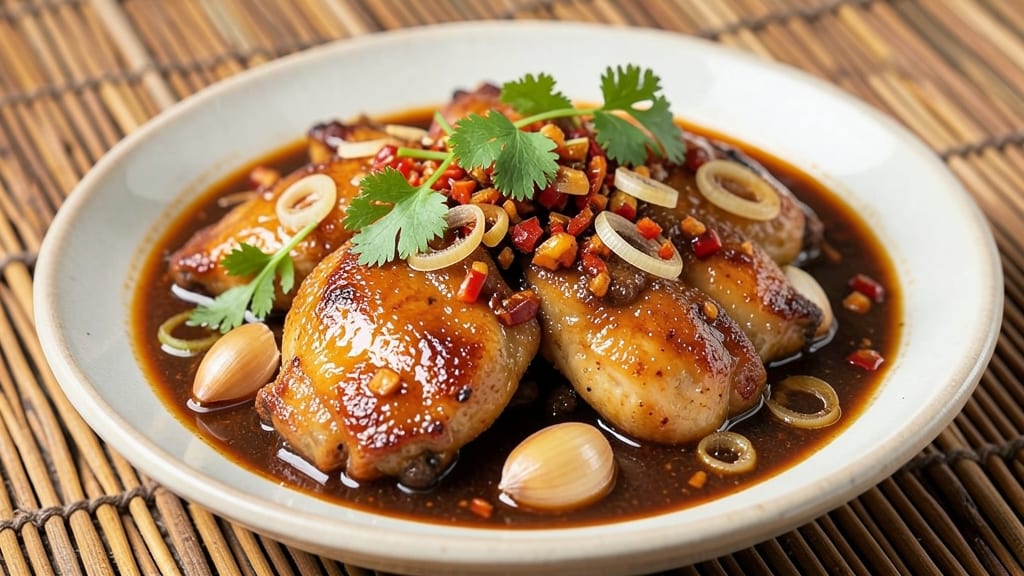
This Ayamase sauce recipe delivers the bold, garlicky-sweet punch that defines Indonesian stir-fries—where umami, spice, and depth collide. The secret lies in fermented shrimp paste (terasi), chili, and tamarind, which create a complex sauce that balances heat, tang, and richness.
I’ve perfected this version to cut through fatty meats and elevate simple vegetables, all while staying true to its traditional roots.
The sauce starts with a fragrant paste of shallots, garlic, and shrimp paste, cooked until aromatic before adding tamarind for tang and soy sauce for depth. Chili paste introduces heat, while a touch of brown sugar mellows the flavors into harmony.
The result? A sauce that’s sticky, vibrant, and impossible to resist—ideal for tossing with satay skewers, marinating tofu, or drizzling over steamed rice.
What makes this sauce special is its versatility. Use it as a marinade for 30 minutes to tenderize proteins, or stir it into hot oil for a quick glaze. The flavors intensify when reduced, so don’t rush the cooking process.
Store it in the fridge for up to 2 weeks, or freeze for longer shelf life—though you’ll likely use it all before then.
This isn’t just a sauce; it’s the backbone of Indonesian home cooking. Whether you’re searing chicken, stir-frying greens, or finishing off a noodle dish, Ayamase sauce transforms ordinary meals into something extraordinary. Let’s get cooking—your taste buds will thank you.
Ingredients for ayamase sauce
Nine ingredients, infinite flavor—this sauce is your stir-fry game-changer.
| Ingredient | Amount | Notes |
|---|---|---|
| Shallots 🧅 | ½ cup | Finely minced for aromatic base |
| Garlic Cloves 🧄 | 6 cloves | Peeled and smashed for deep flavor |
| Fermented Shrimp Paste (Terasi) 🦐 | 2 tbsp | Indonesian brand preferred (e.g., Bumbu Rasa) |
| Red Chili Paste 🌶️ | 2 tbsp | Sambal oelek or fresh chili blend |
| Tamarind Paste 🍈 | 2 tbsp | Unsweetened, for authentic tang |
| Soy Sauce 🥄 | ¼ cup | Dark soy for richer color |
| Brown Sugar 🍯 | 2 tbsp | Lightly packed for balance |
| Vegetable Oil 🫒 | ½ cup | For frying shallot-garlic base |
| Water 💧 | ½ cup | Adjust for desired consistency |
Fermented shrimp paste (terasi) is non-negotiable here—Bumbu Rasa or Indofood brands are my go-tos, usually in the Asian aisle. Look for the deep umami aroma and avoid anything that smells overly fishy. Trader Joe's often carries it, but if you can't find it, Asian markets will have fresh blocks. The shallots and garlic should be freshly minced—pre-minced gets bitter. For chili paste, Sambal Oelek is the gold standard, but any hot sambal works. Tamarind paste? Avoid the sweetened kind—look for unsweetened blocks at Latin markets or online.
No terasi? Anchovy paste at half the amount works in a pinch, but the flavor won't be identical. Running low on tamarind? Lime juice plus a pinch of salt mimics the tang, though it lacks depth. Dark soy sauce is key for that signature color—light soy won't cut it. Brown sugar can be swapped for palm sugar or coconut sugar if you're avoiding refined sugar. For extra heat, add a pinch of cayenne or fresh chili flakes. And if your sauce seems too thick, water is your friend—add it gradually while stirring.
This sauce keeps for 2 weeks in the fridge, sealed in an airtight jar. For longer storage, freeze in ice cube trays—perfect for single-use portions. The flavors actually improve over time, so don't hesitate to make a big batch. Double the recipe if you're feeding a crowd or plan to use it often. Always stir before using—settled ingredients can separate. And trust me, the first time you drizzle this over crispy satay or toss it with tofu, you'll be hooked.
Why You'll Love This Recipe
- No Chopping Needed: The shallots and garlic just need a quick mash—no fancy dicing or mincing. I’ll be real: I’ve burned my fingers trying to julienne shallots, but this sauce? Just smash them with the flat side of your knife and move on.
- Fermented Shrimp Magic: That terasi paste might sound intimidating, but it’s the secret weapon—umami bomb in a paste. One teaspoon transforms the sauce from "meh" to "why didn’t I do this sooner?" The tamarind balances it so well, you’ll want to drizzle it on everything.
- Weeknight & Potlucks: Make a double batch—it keeps for days in the fridge and freezes like a dream. I’ve brought this to BBQs, and honestly? It’s the only sauce people ask for seconds on, even over grilled chicken or rice.
- Budget Flavor Boost: A jar of terasi and a bottle of tamarind paste last forever, and you’re getting restaurant-level depth for pennies. My grocery bill laughs at me when I buy this stuff, but my taste buds? They’re always happy.
Step-by-step instructions for Ayamase sauce
This vibrant sauce delivers layers of umami, heat, and sweetness in perfect balance.
Build the Aromatic Base
Heat the 0.5 cup vegetable oil in a medium saucepan over medium heat. Add the 0.5 cup finely minced shallots and cook for 3-4 minutes until they soften and begin to turn golden. This creates the foundational flavor that carries the entire sauce.
Add the 6 cloves smashed garlic cloves and 2 tbsp fermented shrimp paste (terasi). Stir continuously for 1-2 minutes until the garlic becomes fragrant and the shrimp paste dissolves into the oil. The terasi will release its deep, savory aroma—this is where the sauce gets its signature complexity. If the mixture smells too pungent at this stage, don't worry; the other ingredients will balance it out.
Incorporate Heat and Tang
Reduce the heat to medium-low and add the 2 tbsp red chili paste and 2 tbsp tamarind paste. Stir well to combine, cooking for 2-3 minutes until the chili paste darkens slightly and the tamarind begins to melt into the mixture. The tamarind will add a bright, citrusy tang that cuts through the richness of the terasi and garlic.
Here's where the sauce starts to transform—watch for the mixture to bubble gently. If it smells too sharp or acidic, add 1 tsp brown sugar now to balance the flavors. The tamarind should be fully incorporated, creating a smooth paste rather than clumpy bits. If you see any uncooked terasi at the bottom, stir vigorously to ensure it blends completely.
Balance with Soy and Sweetness
Pour in the 0.25 cup soy sauce and 2 tbsp brown sugar, stirring constantly. Increase the heat to medium-high and let the mixture simmer for 3-4 minutes until the sugar dissolves and the sauce begins to thicken slightly. The soy sauce will deepen the umami, while the brown sugar adds a subtle caramel note that rounds out the flavors.
Taste the sauce at this stage—it should be bold, slightly sweet, and have a lingering heat. If it needs more depth, add 1 tbsp water to loosen it. If it's too thin, simmer for another 1-2 minutes to reduce slightly. The goal is a sauce that coats the back of a spoon but remains fluid enough to glaze stir-fries or drizzle over noodles.
Finish with Water and Adjust
Remove the sauce from heat and stir in the 0.5 cup water. Let it cool for 2-3 minutes, then taste again. The water dilutes the sauce just enough to create a glossy, balanced consistency perfect for tossing with proteins or vegetables. If the sauce is too thin, simmer it again for 1-2 minutes to reduce. If it's too thick, add 1 tbsp water at a time until it reaches your desired texture.
This sauce is incredibly versatile—use it immediately over stir-fried chicken, tofu, or vegetables, or store it in an airtight container in the refrigerator for up to 5 days. The flavors will deepen over time, making it even more complex. For extra richness, stir in 1 tbsp coconut milk before serving, but only if you're using it right away.
Pro Tips For Making Ayamase Sauce
- Bloom the Aromatics: Sauté shallots and garlic in small batches until they’re golden—not brown—before adding terasi. I learned this the hard way: rushing them burns the sweetness right out, leaving you with bitter, acrid sauce. A crowded pan steams instead of caramelizes, and that’s the flavor you’re after.
- Toast the Terasi: Fry the fermented shrimp paste (terasi) for 30 seconds on medium heat until it smells intensely funky and slightly smoky. Skipping this step means your sauce will taste raw and one-dimensional—like someone forgot to wake up the flavor. (Yes, even if you’re impatient like me.)
- Balance the Tamarind: Start with half the tamarind paste called for, taste, then adjust. Store-bought paste varies wildly in acidity—some brands are tart enough to pucker, others taste like weak lemonade. Dilute with a splash of water if needed, but don’t overdo it or your sauce turns into glue.
- Simmer, Don’t Boil: Keep the sauce at a gentle simmer (tiny bubbles, occasional swirls) for 10–15 minutes. Boiling burns the chili paste and makes it taste harsh. I used to walk away and come back to a sad, watery mess—now I watch it like a hawk. (Your future self will thank you.)
Creative variations of this recipe
Spicy-Sweet Fusion
For a sweet-and-spicy twist, add 1 tbsp honey or 1 tbsp palm sugar to the finished sauce. This balances the heat while adding a caramelized depth that works beautifully with grilled pork skewers or crispy tofu.
I like to stir it in during the last 2 minutes of simmering so the sugar caramelizes slightly for extra richness. 🌶️
Coconut Milk Creaminess
Transform Ayamase into a creamy satay sauce by stirring in ¼ cup coconut milk at the end. Heat the sauce gently to 160°F to prevent curdling, then drizzle over grilled chicken satay or steamed rice.
For extra texture, top with toasted coconut flakes or crushed peanuts. This version feels luxurious but still stays true to the sauce’s bold roots.
Lemongrass-Infused Twist
Add 2 stalks lemongrass (finely minced) to the shallot-garlic base for a fragrant Southeast Asian variation. Simmer the lemongrass for 5 minutes before adding other ingredients to infuse its citrusy aroma.
This works amazingly with shrimp stir-fries or noodle dishes, adding a bright, herbal note that cuts through the richness. 💛
Smoky Chipotle Boost
For a smoky depth, stir in 1 tsp chipotle powder or ½ chipotle pepper in adobo during the final simmer. This adds a Mexican-Indonesian fusion flavor that’s perfect for blackened fish or spicy chicken wings.
The smokiness pairs surprisingly well with the tamarind’s tang, creating a complex, layered sauce. Use sparingly—chipotle can overpower if added too much.
Herb-Forward Variation
Brighten the sauce with 2 tbsp chopped cilantro or 1 tbsp fresh Thai basil at the end. These herbs add a fresh, aromatic finish that’s ideal for summer dishes or light salads.
For extra brightness, add 1 tsp lime zest alongside the herbs. This version shines when drizzled over steamed greens or rice bowls, adding a vibrant pop of color and freshness.
Protein-Specific Marinade
Use this sauce as a marinade for 30-60 minutes before cooking. For chicken or tofu, add 1 tbsp cornstarch to thicken the marinade slightly, ensuring a sticky, flavorful crust. For fish or shrimp, reduce the chili paste to 1 tbsp to avoid overpowering delicate flavors.
The marinade works wonders for grilled skewers or pan-seared proteins, locking in moisture and flavor. ✨
Nutrition facts
Frequently asked questions
What makes Ayamase sauce different from other Indonesian sauces like sambal?
Ayamase sauce stands out with its balanced sweet-spicy-tangy profile, thanks to tamarind and brown sugar, while sambal focuses purely on heat from chili. The fermented shrimp paste (terasi) gives Ayamase its deep umami backbone, making it richer and more complex than sambal's fiery simplicity. Think of it as sambal's sophisticated cousin—perfect for glazing or marinating rather than just adding heat.
Can I substitute terasi (shrimp paste) if I can't find it?
Yes! Use ½ tbsp anchovy paste per 1 tbsp terasi for a similar umami kick, though the flavor won't be identical. For a vegan option, try 1 tsp miso paste + ½ tsp soy sauce, but the texture will be less concentrated. If you're avoiding fish entirely, 1 tsp nutritional yeast adds a mild savory note, though it lacks depth.
How long should I marinate proteins in Ayamase sauce?
For chicken or tofu, marinate for 30-60 minutes to tenderize and infuse flavor. For fish or shrimp, keep it to 15-20 minutes to avoid overcooking delicate proteins. Pro tip: Add 1 tbsp cornstarch to the marinade for a sticky, flavorful crust when grilling or pan-searing.
Why did my sauce turn out too thick or too thin?
Thick sauce? Simmer uncovered for 2-3 extra minutes to reduce. Too thin? Stir in 1 tbsp cornstarch mixed with 2 tbsp water and simmer until it thickens. The key is balancing heat and water—medium heat prevents burning, while stirring constantly ensures even consistency. Adjust gradually to avoid overcorrecting!
What dishes pair best with Ayamase sauce?
This sauce shines with grilled meats (chicken, pork, or beef skewers), stir-fried vegetables, tofu, or as a dipping sauce for spring rolls. For rice dishes, drizzle it over nasi goreng or fried rice—the sweet-spicy contrast is unbeatable. Even noodle soups get a flavor upgrade when this sauce is swirled into the broth!