
Sauces & Condiments
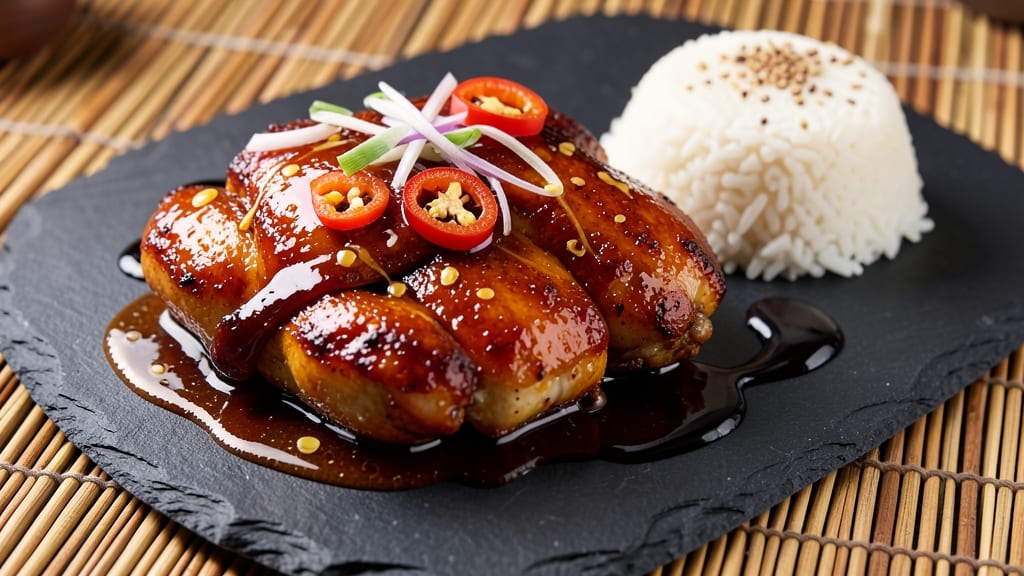
This Chinese honey chicken sauce delivers the perfect balance of glossy sweetness and fermented soy depth that transforms simple protein into restaurant-quality dishes. 🌟 The secret lies in combining honey with dark soy sauce, garlic, and ginger for a sauce that's sticky enough to glaze but complex enough to stand alone.
I've perfected this recipe over years of testing, ensuring every batch achieves that signature caramelized finish without being overly cloying.
The beauty of this sauce is its versatility—it works as a marinade for tenderizing chicken, a glaze for searing, or a dipping sauce for crispy spring rolls.
The key technique is simmering the sauce until it thickens just enough to coat the back of a spoon, creating that signature sticky-sweet consistency that clings beautifully to meat. No special equipment is needed beyond a saucepan and patience for the flavors to meld.
What you'll end up with is a sauce that's rich, aromatic, and perfectly balanced—sweet from the honey, savory from the soy, and bright from the garlic and ginger. The dark soy adds depth without overpowering, while the vinegar adds a subtle tang that cuts through the sweetness.
This sauce keeps well in the refrigerator for up to two weeks, making it ideal for meal prep or gifting.
Use it to glaze roasted chicken, drizzle over stir-fried vegetables, or serve as a dipping sauce for dumplings. The possibilities are endless, but the technique remains the same: build the flavors gradually and let them develop fully. Here's how to make it—once you try this, store-bought sauces won't compare.
Ingredients for chinese honey chicken sauce
Nine ingredients transform into a restaurant-quality sauce that balances sweetness and fermented depth perfectly.
| Ingredient | Amount | Notes |
|---|---|---|
| Honey 🍯 | ½ cup | Light or dark amber preferred |
| Dark Soy Sauce 🍶 | ¼ cup | Kecap manis for authentic flavor |
| Light Soy Sauce 🍶 | ¼ cup | For balance and saltiness |
| Garlic Cloves 🧄 | 6 cloves | Minced for even distribution |
| Fresh Ginger 🌿 | ½ cup | Finely grated, not minced |
| Rice Vinegar 🍶 | 1 tbsp | White or seasoned variety |
| Sesame Oil 🫒 | 1 tbsp | Toasted for aroma, not cooking oil |
| Cornstarch 🌾 | 1 tbsp | For thickening consistency |
| Water 💧 | ¼ cup | Room temperature preferred |
| Salt 🧂 | ¼ tsp | Adjust to taste after blending |
The honey and dark soy sauce are the heart of this recipe. Kecap manis, found in Asian markets or well-stocked grocery stores, gives that signature fermented depth—substitute with regular dark soy if unavailable. For garlic and ginger, fresh is non-negotiable; frozen works in a pinch but lacks brightness. I always grab extra ginger since it keeps longer. The sesame oil should be toasted—Kadoya or La Choy are reliable brands, but any toasted sesame oil will do. Cornstarch is key for that signature glaze consistency, so don't skip it.
No kecap manis? Double the dark soy sauce and add 1 tsp molasses for depth. Fresh garlic and ginger can be swapped for powdered versions at half the amount, but texture and flavor will differ. For vinegar, apple cider vinegar works too—just reduce to 1 tsp to avoid overpowering. Sesame oil out of reach? Avocado oil at 1/4 the amount mimics the nutty notes, though it won't toast. The cornstarch-water slurry can be made ahead and stored for 3 days in the fridge, saving you prep time later.
This sauce thickens as it cools, so test consistency before serving. If too thick, thin with water; too thin, simmer uncovered for 2-3 minutes. Keeps for 2 weeks refrigerated in an airtight container, but flavor peaks after 3-4 days. Freeze for 6 months by portioning into ice cube trays—perfect for single-use applications. For extra richness, add a 1/4 cup toasted sesame seeds when serving, but omit from the sauce itself to preserve its delicate balance.
Why You'll Love This Recipe
- Pantry Magic: The sauce comes together with stuff you already own—no specialty shopping. Dark soy for depth, light soy for balance, and honey that caramelizes into a glossy finish with zero effort.
- Sweet-Savory Balance: That first bite of sticky, umami-rich sauce with the honey cutting through the garlic and ginger? It’s the kind of flavor combo that makes you pause mid-chew and think, “Why don’t I do this more?”
- Leftover Goldmine: The sauce thickens beautifully when reheated, so it’s perfect for meal prep—toss it with rice, noodles, or even eggs the next day. My lunchbox has never been happier.
- Budget Flex: You’re basically making a restaurant-worthy sauce for pennies. A jar of honey, a bottle of soy sauce, and a little fresh ginger stretch across multiple meals without breaking the bank.
Step-by-step instructions for Chinese honey chicken sauce
This sauce delivers the perfect balance of sweet, salty, and umami—here's how to make it shine.
🍳 Step 1: Sauté Aromatics Until Fragrant
Heat a small saucepan over medium heat and add the 6 cloves minced garlic cloves and 0.5 cup finely grated fresh ginger. Cook for 2-3 minutes until the garlic turns golden and the ginger becomes aromatic. You'll smell that warm, citrusy fragrance—this is your cue the aromatics are ready.
Don't let them burn—garlic turns bitter quickly. If the pan starts smoking, reduce heat slightly. The goal is to develop flavor without color. Keep the aromatics moving with a wooden spoon to ensure even cooking.
🍳 Step 2: Combine Wet Ingredients and Simmer
Add the 0.5 cup honey, 0.25 cup dark soy sauce, 0.25 cup light soy sauce, and 1 tbsp rice vinegar to the pan. Stir well to combine, then bring to a gentle boil over medium-high heat. Once boiling, reduce heat to medium-low and let it simmer uncovered for 5-7 minutes.
You'll notice the mixture bubble vigorously at first, then settle into a steady simmer. This is when the flavors start melding together. The sauce will thicken slightly as the alcohol from the vinegar evaporates, but don't worry—we'll adjust the consistency later.
🥘 Step 3: Thicken the Sauce Properly
In a small bowl, whisk together the 1 tbsp cornstarch and 0.25 cup water until smooth. Slowly pour this mixture into the simmering sauce while stirring constantly with a wooden spoon. The sauce will thicken almost immediately—keep stirring for 1-2 minutes until it reaches a glossy, spoonable consistency.
Here's where it gets tricky: the sauce should coat the back of a spoon but still be pourable. If it's too thick, add 1 tablespoon water at a time until you reach the perfect balance. If it's too thin, simmer uncovered for another 30 seconds to reduce.
👨🍳 Step 4: Finish with Sesame Oil and Season
Remove the sauce from heat and stir in the 1 tbsp sesame oil and 0.25 tsp salt. The sesame oil will add a nutty aroma and rich depth to the sauce. Taste and adjust seasoning—you might need a touch more salt to balance the sweetness, especially if your soy sauces vary in saltiness.
Let the sauce cool slightly for 5 minutes before using. This resting period allows the flavors to fully meld together. The final sauce should be glossy with a perfect balance of sweet, salty, and umami—thick enough to coat but still silky smooth.
Pro Tips For Making Chinese Honey Chicken Sauce
- Bloom the Ginger First: Toss your sliced ginger into the pan before the oil—just for 10 seconds on high heat. It releases aroma and mellows the sharpness before the honey even hits. I used to add it later and wondered why my sauce tasted one-dimensional.
- Salt the Chicken Twice: Wet the chicken with half the soy sauce before cooking, then again after searing. This keeps it juicy and lets the sauce cling better. Trust me, dry chicken turns into sad, rubbery chicken in this sauce.
- Don’t Boil the Honey: Keep the heat medium-low once you add honey—it burns faster than you think. If it starts smoking, pull the pan off for 30 seconds. A dark, smoky sauce is a ruined sauce.
- Use Equal Parts Soy: Mix equal parts dark and light soy sauce (e.g., 1 tbsp each) for depth. Dark adds color, light adds saltiness—skip one, and your sauce will taste flat or overly sweet. I learned this after making a batch that looked pretty but tasted bland.
Flavor customization for this dish
Sweetness Control
Adjust the honey-to-soy ratio to suit your taste. For a less sweet version, reduce honey to 0.375 cup and add 1 tsp molasses to maintain depth. If you prefer extra sweetness, increase honey to 0.625 cup and balance with ½ tsp extra rice vinegar to prevent cloying.
I find 0.5 cup honey gives perfect balance, but don't be afraid to experiment—this sauce is forgiving! 🍯
Savory Depth Boost
Add 1 tbsp hoisin sauce for extra umami richness or ½ tsp five-spice powder for a warm, aromatic touch. For a spicier kick, stir in ½ tsp chili flakes or 1 tsp chili garlic sauce after cooking.
If you love fermented flavors, swap ½ cup of the light soy sauce for miso paste—just thin it with 1 tbsp water first to prevent clumping. 🌶️
Tangy Balance
Increase rice vinegar to 1.5 tbsp for a sharper tang, or try 1 tbsp lime juice for brightness. For a fruitier twist, add 2 tbsp orange marmalade (instead of molasses) and 1 tsp orange zest—this works beautifully with chicken.
If you prefer less acidity, reduce vinegar to ½ tbsp and add ½ tsp sugar to soften the flavor. 🍋
Texture Variations
For a thicker glaze, increase cornstarch to 1.5 tbsp and reduce water to 0.2 cup. Need a lighter drizzle? Use ½ tbsp cornstarch and 0.3 cup water, then simmer longer.
For a chunky texture, reserve 2 tbsp minced garlic/ginger before cooking and stir them in at the end—this adds great visual appeal to glazed dishes. 🥄
Regional Twists
For a Cantonese-style version, add 1 tsp Shaoxing wine and reduce the rice vinegar to ½ tbsp. A Sichuan-inspired take? Include 1 tsp doubanjiang (fermented chili bean paste) and ½ tsp Sichuan peppercorns (lightly toasted).
For Hokkien flavors, swap dark soy for light soy and add 1 tsp preserved lemon juice—this adds a unique citrusy depth. 🗺️
Equipment Hacks
No saucepan? Use a microwave-safe bowl—simmer on high for 3-4 minutes, stirring every 30 seconds to prevent scorching. For instant thickening, mix cornstarch with 2 tbsp cold water instead of room temp—it dissolves faster.
Need extra gloss? Brush the sauce with a pastry brush while hot to encourage caramelization. A blender isn't needed, but if you prefer smooth texture, strain through a fine-mesh sieve after cooking. 🔥
Nutrition facts
Frequently asked questions
Can I substitute honey with maple syrup in this sauce?
You can try it, but the flavor will differ slightly. Maple syrup adds a more earthy, caramel-like taste while honey provides floral notes. For best results, use a 1:1 ratio but reduce the sauce by 1-2 minutes of simmering since maple syrup is less sweet. If using, balance with an extra ½ tsp salt to compensate for maple's natural saltiness.
How do I prevent the sauce from crystallizing when it cools?
Crystallization happens when honey thickens too much. To avoid it, don't over-simmer the sauce—remove it from heat as soon as it reaches a glossy consistency. If it does crystallize, gently reheat over low heat while stirring constantly until smooth again. For extra insurance, add 1 tsp lemon juice before cooling to help stabilize the texture.
Can I make this sauce without cornstarch?
Yes, but the texture will be thinner. Replace the cornstarch with 1 tbsp arrowroot powder or 1 tsp xanthan gum for better thickening. If you prefer no thickeners, simply reduce the sauce longer (up to 10 minutes) to achieve a lighter syrup consistency. Note that the sauce will be more watery and may not cling as well to chicken.
What's the best way to store leftover sauce?
Transfer to an airtight container and refrigerate for up to 2 weeks. For longer storage, freeze in ice cube trays or small containers for 6 months. Thaw overnight in the fridge and reheat gently over low heat while stirring. Avoid microwaving to prevent crystallization. If the sauce thickens too much after refrigeration, thin with 1 tsp water at a time.
Can I use this sauce for non-chicken dishes?
This sauce works beautifully with tofu, pork, or even vegetables like eggplant or mushrooms. For seafood, reduce the honey to 0.375 cup to prevent overpowering delicate flavors. The sauce also makes an excellent dipping sauce for dumplings or spring rolls—just thin it slightly with water if needed for easier dipping.