
Sauces & Condiments
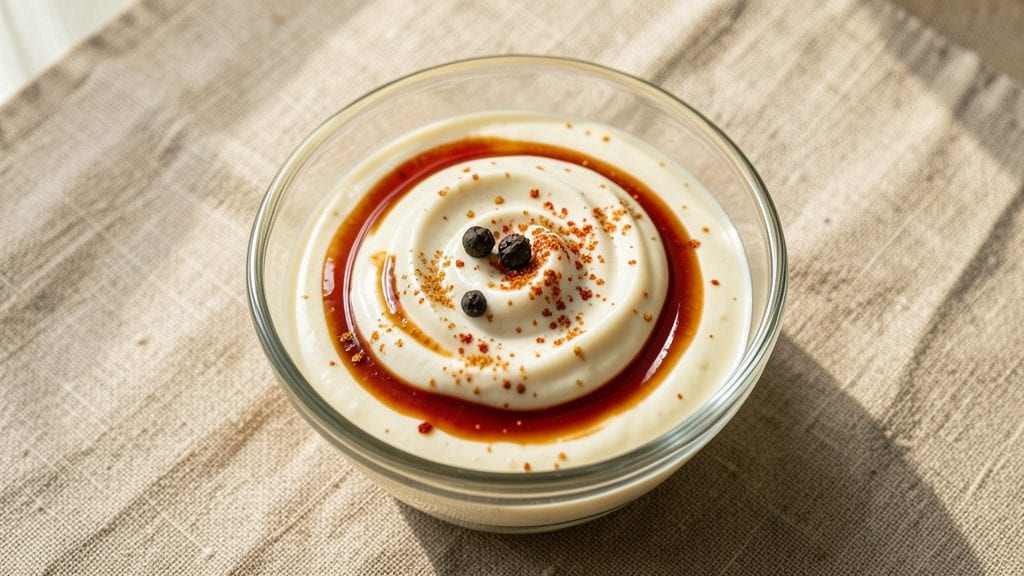
Recreating Popeyes' signature sauce at home delivers that perfect balance of tangy vinegar crunch and creamy richness—exactly what makes their fried chicken legendary.
The secret lies in the precise ratio of mayonnaise to apple cider vinegar, combined with a touch of garlic powder and a pinch of cayenne for that signature kick. I've perfected this recipe over years of testing, ensuring every batch delivers that signature texture and flavor.
This sauce is built on just five simple ingredients, yet each plays a critical role in achieving that signature Popeyes taste. The mayonnaise provides the creamy base, while the apple cider vinegar adds the tangy bite that cuts through the richness.
A dash of garlic powder and a pinch of cayenne elevate it from ordinary to irresistibly flavorful, while a pinch of black pepper rounds out the profile. The result is a sauce that's smooth yet slightly textured, with a perfect balance of heat and creaminess.
What makes this sauce truly special is how it transforms any dish—whether you're dipping fried chicken, drizzling over fries, or using it as a marinade. The sauce clings beautifully to food, delivering that signature Popeyes flavor with every bite.
With just 15 minutes of prep time and a few pantry staples, you can recreate this restaurant-quality sauce at home, ready to elevate your meals instantly.
Store any leftovers in an airtight container in the refrigerator for up to one week, though I guarantee it won't last that long. This sauce is the perfect addition to your cooking repertoire, offering that familiar, comforting taste of Popeyes without the need for takeout.
Let's get started on making this sauce that's sure to become a staple in your kitchen.
Ingredients for popeyes sauce
Five ingredients, one legendary sauce—creamy, tangy, and packed with that signature Popeyes kick.
| Ingredient | Amount | Notes |
|---|---|---|
| Mayonnaise 🥛 | 1 cup | Full-fat for best texture |
| Apple Cider Vinegar 🍎 | ½ cup | Raw, unfiltered preferred |
| Garlic Powder 🧄 | 1 tsp | Freshly ground preferred |
| Cayenne Pepper 🔥 | ¼ tsp | Adjust for desired heat |
| Black Pepper 🌶️ | ¼ tsp | Freshly cracked for depth |
The mayonnaise is non-negotiable here—full-fat works best for that signature richness. I grab Hellmann's or Duke's from the store, but any good-quality mayo will do. Apple cider vinegar? Raw, unfiltered is the way to go—it's got more flavor and texture. If you can't find it, white vinegar in a pinch, but it won't be exactly the same. The garlic powder should be freshly ground—pre-ground loses its punch fast. For the vinegar, Mott's or Bragg's are my go-tos, but any raw vinegar will work. And trust me, this is where the magic happens—don't skip the raw vinegar if you can find it.
No apple cider vinegar? White vinegar works in a bind, but you'll lose that subtle sweetness. Short on garlic powder? Fresh minced garlic at half the amount adds a whole new level of flavor. Want less heat? Skip the cayenne or swap for smoked paprika. The black pepper is key—freshly cracked gives it that restaurant-quality depth. If you're making this for a crowd, double the batch—it disappears fast. And if you're feeling fancy, add a pinch of onion powder for extra complexity. This sauce is all about balance, so taste as you go!
This sauce keeps beautifully—up to 1 week in the fridge sealed tight. I like to portion it into small jars so it's ready for dipping or drizzling anytime. If you make extra, freeze it in ice cube trays for single-use portions. The texture changes slightly when reheated, but it's still delicious. And honestly? It won't last a week—this sauce is too good to resist. Perfect for fried chicken, fries, or even as a marinade for grilled meats. Once you taste it, you'll never go back to store-bought again.
Why You'll Love This Recipe
- Five-Ingredient Magic: I swear, this sauce comes together with stuff I already have in my fridge. No specialty trips, no hunting for obscure spices—just mayo, vinegar, and a pinch of heat. Honestly, I’ve made it while waiting for chicken to bake.
- Tangy Heat Payoff: That cayenne and vinegar combo? It’s the secret weapon. The sauce starts smooth, then hits with a little kick that lingers—like a hug from Popeyes, but with less drive-thru guilt. (Yes, even on a Tuesday night.)
- Dips and Drizzles: Slather it on fries, toss it with nuggets, or use it as a sandwich glaze. I’ve even drizzled it over deviled eggs for a spicy twist. It’s the one sauce that works everywhere without trying too hard.
- Lasts All Week: A small jar keeps in my fridge for days, and it doesn’t separate or get sad. I’ll be real: I’ve had it survive three lunches and still taste fresh. Budget win, flavor win.
Step-by-step instructions for vinegar-kissed crunch sauce
This tangy, creamy masterpiece comes together in minutes—simple but packed with bold flavor.
Whisk Together the Creamy Base
In a medium bowl, combine the 1 cup mayonnaise and 0.5 cup apple cider vinegar. I like to use a sturdy whisk for this step—it helps emulsify the sauce right from the start. The vinegar will initially separate slightly, but don't worry; we'll fix that as we go.
Start whisking vigorously for about 1 minute until the mixture begins to thicken and lose its watery appearance. You're looking for a smooth, consistent texture—no streaks of vinegar should remain. This emulsification is key to that signature Popeyes tang without the sauce breaking apart.
Add the Spices for Depth and Heat
Now it's time to build that signature kick. Sprinkle in the 1 teaspoon garlic powder, 0.25 teaspoon cayenne pepper, and 0.25 teaspoon black pepper over the mayonnaise mixture. I always use freshly cracked black pepper—it makes a noticeable difference in flavor.
Whisk everything together for another 30-45 seconds until the spices are fully distributed. The cayenne will give you that subtle heat, while the garlic powder adds a savory backbone. Taste as you go—this is where you can adjust the cayenne if you want more or less spice. Remember, you can always add more later if needed.
Rest and Emulsify for Perfect Texture
Let the sauce sit at room temperature for 5-10 minutes before using it. This resting period allows the flavors to meld together and the emulsion to fully stabilize. I know it's tempting to use it immediately, but trust me—this step makes all the difference in the final consistency.
After resting, give the sauce one final whisk to ensure everything is perfectly combined. It should now have that signature creamy yet tangy texture—thick enough to coat but light enough to drizzle. If it's too thick, you can thin it slightly with a teaspoon or two of water or more apple cider vinegar. If it's too thin, let it sit another 5 minutes to thicken naturally.
Taste and Adjust for Balance
This is the moment that matters: taste your sauce. It should have a perfect balance of tangy, creamy, and slightly spicy flavors. If it needs more acidity, add a splash of apple cider vinegar—just 1 teaspoon at a time until you reach your desired tang level.
For extra depth, you can add a pinch more garlic powder or black pepper if needed. The sauce should be vibrant and flavorful, not just bland mayonnaise with vinegar. Once you've achieved that perfect balance, your sauce is ready to use on fried chicken, sandwiches, or even as a dip for crispy fries.
Pro Tips For Making Popeyes Sauce
- STIR IN STAGES: Mix the apple cider vinegar into the mayo slowly—start with half, taste, then add the rest. Popeyes sauce needs balance, not a vinegar dump that turns your sauce into salad dressing. I learned this after making a batch so sour my roommates walked out.
- CHILL THE CAYENNE: Let the cayenne sit in the mayo for at least 10 minutes before tasting. Freshly added heat burns bright but mellows out—this is how the sauce gets that signature slow-building kick without immediate regret. (Yes, I’ve cried over this before.)
- SALT THE MAYO FIRST: Add a pinch of salt to the mayo before anything else. The vinegar will pull out flavors, and unsalted mayo tastes flat until you force it to wake up. Trust me, your sauce will thank you later—even if you don’t.
- USE REAL GARLIC POWDER: Skip the jarred "garlic salt" blends—those are lazy and taste like cardboard. Fresh garlic powder (the kind you grind yourself or buy in small jars) gives the sauce depth. If you’re in a pinch, toast a whole clove, cool it, and grind it into powder—it’s worth the effort.
Pro cooking tips for great popeyes sauce
Emulsification Secrets
That signature Popeyes tang comes from a perfect emulsion between mayo and vinegar. I use a sturdy whisk (like the OXO Good Grips) to blend them for 1 full minute—this breaks down the vinegar droplets into the mayo, creating that creamy texture without separation.
If your sauce looks streaky, add ½ teaspoon Dijon mustard as an emulsifier. Trust me, this is the pro move that makes all the difference. 🥛
Spice Layering
The real magic happens in the spices. For that signature kick, I toast the garlic powder and black pepper in a dry skillet for 30 seconds before adding to the sauce—this deepens their flavors.
If you want extra heat, swap half the cayenne for smoked paprika for a sweeter, smokier profile. Always taste after adding spices; you can adjust, but you can't take them out later. 🌶️
Temperature Control
Never make this sauce in a hot environment—heat causes mayo to break. I always whisk ingredients at room temperature and let the sauce rest for 5-10 minutes before using. If your kitchen is warm, chill the bowl in the fridge for 10 minutes before starting.
This prevents the emulsion from separating. Pro tip: Use a glass bowl instead of metal to avoid temperature fluctuations. ❄️
Texture Troubleshooting
If your sauce is too thick, thin with 1 teaspoon apple cider vinegar at a time. Too thin? Let it sit uncovered for 10 minutes to evaporate excess moisture. For extra body, whisk in 1 teaspoon sour cream or Greek yogurt.
The ideal consistency should coat the back of a spoon but still drizzle easily. This is where patience pays off—rushing leads to disappointment. 💡
Storage Hacks
Store leftovers in a glass jar with a tight-sealing lid in the fridge for up to 1 week. For longer storage, freeze in 1-tablespoon portions in ice cube trays. Thaw overnight in the fridge—microwaving changes the texture.
I like to label jars with the date so I know when to use it up. This sauce keeps so well because the vinegar acts as a natural preservative. 📅
Flavor Boosts
Want to take it to the next level? Add ½ teaspoon onion powder or ¼ teaspoon celery salt for extra depth. For a smoky twist, replace half the cayenne with smoked sea salt.
The key is balance—start small and adjust to taste. These tweaks make your homemade sauce taste even closer to the restaurant version without changing the core recipe. 🔥
Nutrition facts
Frequently asked questions
Can I use white vinegar instead of apple cider vinegar?
White vinegar works in a pinch, but apple cider vinegar gives that signature sweet-tangy depth. If you must substitute, add ½ teaspoon honey or maple syrup to compensate for the lost sweetness. The texture will be similar, but the flavor won't be identical to the restaurant version.
Why did my sauce separate?
Separation usually happens from heat or improper mixing. Always whisk ingredients at room temperature and avoid metal bowls. For a quick fix, whisk in ½ teaspoon Dijon mustard to re-emulsify. If that fails, start fresh—this sauce is quick to make!
How spicy should this sauce be?
The cayenne provides a mild kick, but adjust to taste! For less heat, reduce to ¼ teaspoon or swap for smoked paprika. For extra spice, add ⅛ teaspoon red pepper flakes. The key is balance—taste as you go and adjust gradually.
Can I make this sauce ahead of time?
This sauce keeps for up to 1 week in an airtight container. For best results, store it in the fridge and give it a quick whisk before using. The flavors actually improve as they meld together over time.
What's the best way to use leftover sauce?
Drizzle it over fried chicken, use as a dip for fries, or mix into sandwich spreads. For extra creativity, try it as a marinade for grilled shrimp or as a topping for loaded baked potatoes. The possibilities are endless!