
Sauces & Condiments
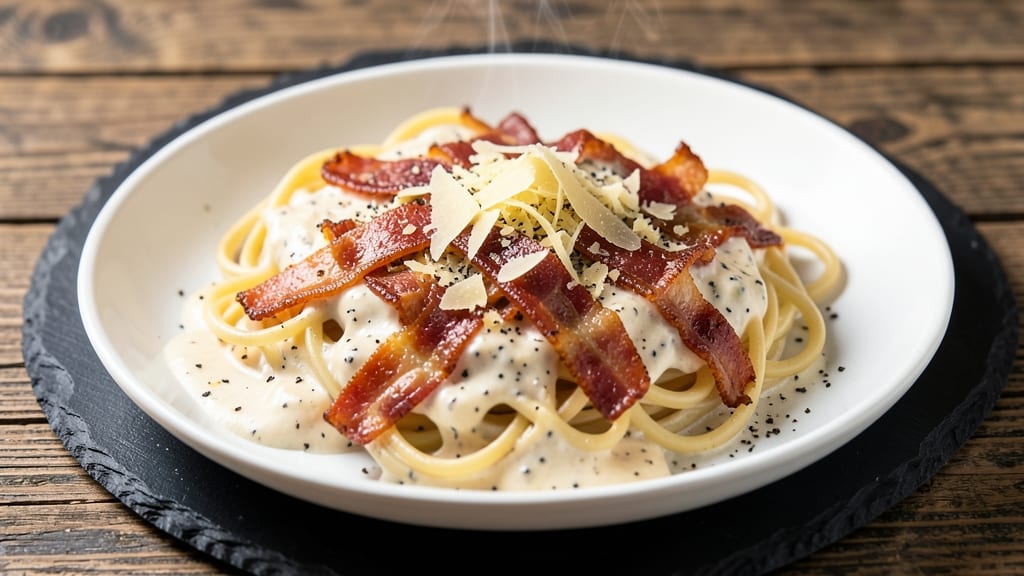
This bacon carbonara sauce recipe delivers the perfect balance of crispy pancetta crunch and velvety egg-yolk richness that makes every forkful irresistible. The secret lies in proper emulsification—combining hot pasta water with raw egg yolks to create a silky, clinging sauce that coats each bite.
I've perfected this technique after years of trial and error, ensuring the sauce never breaks or turns grainy, even when reheated.
The foundation starts with crispy pancetta, rendered until golden and crisp at the edges, then tossed with Pecorino Romano and black pepper for depth.
The real magic happens when you temper the egg yolks with starchy pasta water, creating a luxurious sauce that's richer than traditional carbonara but lighter than cream-based versions. This method guarantees a sauce that's foolproof every time, with that signature creamy texture and savory bite.
What sets this sauce apart is the texture contrast—crispy pancetta bits that crackle with each bite against the smooth, custardy sauce. The Pecorino Romano adds a sharp, salty edge that cuts through the richness, while black pepper provides warmth.
This sauce works beautifully over spaghetti, fettuccine, or even as a dipping sauce for crusty bread, delivering restaurant-quality results at home.
Best of all, the sauce keeps well for up to 3 days in the refrigerator, with just a quick reheat needed to restore its creamy consistency. The crispiness of the pancetta actually improves after resting, making it perfect for meal prep.
Here's how to make it—once you try this, you'll never go back to store-bought again.
Ingredients for bacon carbonara sauce
Eight ingredients transform into the creamiest, crispest carbonara sauce you'll ever make.
| Ingredient | Amount | Notes |
|---|---|---|
| Pancetta 🥓 | 6 oz | Thinly sliced, crispy rendered |
| Large Egg Yolks 🥚 | 4 whole | Fresh, room temperature |
| Pecorino Romano Cheese 🧀 | 1 cup | Freshly grated, aged |
| Freshly Ground Black Pepper 🌶️ | ½ tsp | Coarsely cracked |
| Extra-Virgin Olive Oil 🫒 | ¼ cup | High-quality, fruity |
| Pasta Water 💧 | 1 ½ cups | Starchy, freshly cooked |
| Unsalted Butter 🧈 | 2 tbsp | Cold, cubed |
| Salt 🧂 | 1 tsp | Kosher or sea salt |
Pancetta is the star here—look for thick-cut slices from the deli counter, not pre-cubed bacon. Whole Foods or Trader Joe's carry the best quality, but any reputable butcher will have it. Render it low and slow until golden and crisp at the edges (about 10 minutes)—that's when the magic happens. Fresh egg yolks are non-negotiable; room temperature is key for perfect emulsification. If you're using store-bought, separate them yourself for the freshest results. The Pecorino Romano should be aged at least 8 months—it adds that sharp, salty bite that cuts through the richness.
No pancetta? Guanciale or thick-cut bacon works in a pinch, but the flavor won't be quite the same. Running short on egg yolks? Substitute with 2 whole eggs, but you'll lose that ultra-smooth texture. For a dairy-free twist, swap the Pecorino for nutritional yeast (though it won't be identical). The pasta water is your secret weapon—save 1.5 cups of starchy water from boiling your noodles. If you accidentally throw it out, just add a splash of hot water to thin the sauce. And trust me on the butter—cold cubes melt slower, creating tiny pockets of richness that make the sauce sing.
This sauce is a meal prep dream—reheats beautifully and actually tastes better the next day as the pancetta gets even crispier. Store in an airtight container with a thin layer of olive oil on top to prevent a skin from forming. Keeps for 3 days in the fridge or 3 months frozen. For freezing, portion into ice cube trays, then transfer to a bag—perfect for tossing with fresh pasta later. Pro tip: If the sauce looks too thick after reheating, just whisk in a splash of hot water or pasta water to restore that silky consistency.
Why You'll Love This Recipe
- No Fuss, Big Payoff: I swear by this sauce because it’s the kind of dish where you can almost multitask. Pancetta renders down fast, yolks emulsify like magic, and the Pecorino melts into something dangerously rich—all while you’re still chopping the garlic.
- Peppery Umami Bomb: That first crack of black pepper against the salty pancetta and sharp Pecorino? It’s the kind of flavor that makes you pause mid-bite. The olive oil ties it all together, but honestly, the yolks steal the show—creamy, luxurious, and just thick enough to coat every strand of pasta.
- Weeknight to Dinner Party: Between us, this sauce is my go-to for lazy Mondays and fancier dinners. Toss it with spaghetti for a quick meal, or drizzle it over grilled chicken for a restaurant-worthy dish. (Yes, even on a Tuesday night.)
- Leftovers That Lie: I make a double batch because the second day is even better—the flavors deepen, the texture gets richer, and somehow it always tastes fresher than the first. Plus, it reheats like a dream, so you’re not stuck eating cold pasta the next morning.
Step-by-step instructions for bacon carbonara sauce
This sauce delivers that perfect balance of crispy pancetta and velvety egg richness every time.
Render the Pancetta Until Crispy
Heat a large skillet over medium heat and add the 6 oz pancetta. Let it cook undisturbed for 5-6 minutes until the fat begins to render and the pancetta starts to crisp. Here's the thing—don't stir too often. You want those edges to get golden and crispy while the fat pools underneath.
Once the pancetta is deep golden brown with crispy edges, use a slotted spoon to remove it from the pan and set it aside on a paper towel-lined plate. Leave the rendered fat in the pan—this is your flavor foundation. If you're worried about excess fat, drain all but 2 tablespoons in the pan. This remaining fat will help create that silky sauce later.
Prepare the Egg and Cheese Mixture
In a medium bowl, whisk together the 4 whole large egg yolks, 1 cup freshly grated Pecorino Romano cheese, and 0.5 teaspoon freshly ground black pepper until completely smooth. This mixture should be pale yellow and well combined. I like to use a fork for this step—it gives you better control than a whisk for such a small quantity.
The reason we're using whole egg yolks here is to create that signature Roman carbonara richness. The yolks add body and creaminess without making the sauce too heavy. If you're feeling fancy, you can add a pinch of 1 teaspoon salt to this mixture, but I usually let the pancetta and cheese handle the seasoning. Keep this bowl ready—you'll be adding it to the hot pan in just a moment.
Cook the Pasta and Reserve Water
While the pancetta cooks, bring a large pot of water to a rolling boil and add 1 teaspoon salt. Cook your pasta until it's 1 minute before al dente—this sauce will finish cooking the pasta. Reserve 1.5 cups of pasta water before draining. This starchy water is crucial for creating the silky sauce. I keep a measuring cup right by the stove so I don't forget this important step.
Drain the pasta but don't rinse it—those surface starches are what help the sauce cling to each strand. Immediately after draining, add the pasta back to the pot and toss it with 2 tablespoons cold unsalted butter to prevent sticking. This butter also adds richness that complements the pancetta perfectly.
Combine Everything Off Heat
Here's where it gets exciting. Turn off the heat and quickly add the drained pasta to the skillet with the pancetta fat. Toss everything together for about 30 seconds to coat the pasta in that delicious rendered fat. Then, immediately add the egg and cheese mixture you prepared earlier.
Now for the critical part: toss the pasta constantly for 1-2 minutes until the sauce becomes creamy and coats the back of a spoon. The residual heat from the pasta and pan will gently cook the eggs into a silky sauce. If the sauce starts to look too thick, add 1 tablespoon at a time of the reserved pasta water until you reach your desired consistency. You want it to be creamy but still cling to the pasta strands.
Finish with Crispy Pancetta and Olive Oil
Return the crispy pancetta to the skillet and toss everything together one final time. The contrast between the crispy pancetta and creamy sauce is what makes this carbonara special. Drizzle in the 0.25 cup extra-virgin olive oil and toss again to distribute it evenly. This final touch adds brightness and helps emulsify the sauce.
Serve immediately while the pancetta is still crispy and the sauce is hot. Each bite should deliver that perfect combination of textures—creamy, rich sauce with crispy pancetta bites. If you find the sauce thickening as it cools, simply add a splash of hot pasta water to loosen it back up. This carbonara sauce is best enjoyed fresh from the pan!
Pro Tips For Making Bacon Carbonara Sauce
- Render Pancetta Slow: Low heat wins here—crank the stove to medium and let that fat render gently for 8-10 minutes. I learned this the hard way after burning pancetta twice; it’s the only way to get crispy edges without bitter smoke. (Yes, even if you’re impatient like me.)
- Grate Pecorino Fresh: Use a microplane or fine grater for the cheese—pre-shredded pecorino packs too much starch and turns the sauce grainy. Do it right before tossing with the eggs, or the cheese will clump like sad cottage cheese.
- Temper Eggs Off Heat: Remove the pan from heat before adding the egg-yolk mixture—this keeps the sauce silky instead of scrambled. Slowly drizzle in the hot pasta water while whisking like your life depends on it. (Your future self will thank you.)
- Reserve Starchy Water: Save ½ cup of pasta water before draining—it’s liquid gold for emulsifying the sauce. If the sauce looks too thick, add a splash and whisk fast. No water? You’re starting over. (I know, I know.)
Pro cooking tips for bacon carbonara sauce
Emulsification Secrets
The key to a silky carbonara sauce lies in proper emulsification—combining hot pasta water with raw egg yolks creates that signature creamy texture. I always whisk the 4 egg yolks with 1 cup Pecorino Romano until completely smooth before adding to the hot pan.
The residual heat from the pasta cooks the eggs gently, creating a velvety sauce without scrambling. If your sauce starts to break, immediately add 1 tablespoon of hot pasta water at a time until it smooths out. 💫
Pancetta Crispiness
True carbonara magic begins with perfectly crispy pancetta. Cook the 6 oz pancetta over medium heat for 5-6 minutes without stirring too often—this lets the edges get golden and crispy while the fat pools underneath.
Remove the pancetta with a slotted spoon and leave 2 tablespoons of fat in the pan; this fat is essential for emulsifying the sauce later. For extra crispiness, I like to spread the pancetta pieces on a wire rack for 5 minutes after cooking to drain excess fat. 🥓
Temperature Control
Working off-heat is crucial for preventing scrambled eggs. After adding the pasta to the skillet, immediately turn off the burner and toss everything together for 1-2 minutes using the residual heat. The eggs should gently thicken into a creamy sauce without cooking solid.
If the pan feels too cool, place it over low heat for 30 seconds max—any longer risks curdling the eggs. I keep a thermometer handy to monitor the pan temperature around 160°F during this step. 🌡️
Cheese Selection
Pecorino Romano is non-negotiable for authentic flavor—it's saltier and sharper than Parmesan, cutting through the richness perfectly. Use 1 cup freshly grated (pre-shredded cheese has anti-caking agents that prevent proper emulsification).
For extra depth, I like to add 1 tablespoon of grated Parmesan at the end—it adds a milder, sweeter note that balances the sharpness. Avoid pre-grated cheese blends; they contain starches that make the sauce grainy. 🧀
Pasta Water Rescue
The starchy pasta water is your secret weapon for fixing any sauce consistency issues. Always reserve 1.5 cups before draining—this water contains the starch that helps emulsify the sauce.
If your sauce looks too thick after combining all ingredients, add the pasta water 1 tablespoon at a time while stirring constantly. For reheating leftovers, add 2-3 tablespoons of hot water or pasta water to restore that silky texture. Never use cold water—it shocks the eggs and causes separation. 💧
Butter Boost
The 2 tablespoons cold unsalted butter added to the pasta after draining serves two purposes: it prevents sticking and adds luxurious richness. Cold butter melts slowly, creating tiny pockets of fat that enhance the sauce's creaminess.
For extra flavor, I sometimes add 1 teaspoon of white truffle oil at the end—it elevates the dish without overpowering the pancetta's savory notes. This final touch makes the sauce taste even more decadent. 🧈
Nutrition facts
Frequently asked questions about bacon carbonara sauce
Why does the sauce need to be made off-heat?
Working off-heat prevents scrambled eggs—direct heat causes the yolks to cook too quickly and curdle. The residual heat from the hot pasta gently thickens the eggs into a silky sauce while maintaining that perfect creamy texture.
Can I make this sauce ahead of time?
Yes! Store the sauce in an airtight container for up to 3 days in the fridge. The pancetta actually gets crispier after resting, and you can restore the creamy texture by adding a splash of hot pasta water when reheating. For freezing, portion into ice cube trays for easy use later.
What if my sauce breaks or looks grainy?
Don't panic! Immediately whisk in 1 tablespoon of hot pasta water at a time until smooth. The starchy water helps re-emulsify the sauce. For reheating leftovers, add 2-3 tablespoons of hot water or pasta water to restore that velvety consistency. Never use cold water—it shocks the eggs.
Can I substitute bacon for pancetta?
Thick-cut bacon works in a pinch, but pancetta delivers that authentic Italian flavor. For best results, look for thick-cut bacon without sugar additives. Render it until crispy (about 10 minutes) and drain excess fat to maintain the sauce's balance.
How do I know when the pancetta is crispy enough?
Perfectly crispy pancetta should be deep golden brown with edges that crackle when you press them. It should take about 5-6 minutes of undisturbed cooking. Remove it when the fat pools underneath look clear and the pieces hold their shape when lifted with tongs.