
Side Dishes
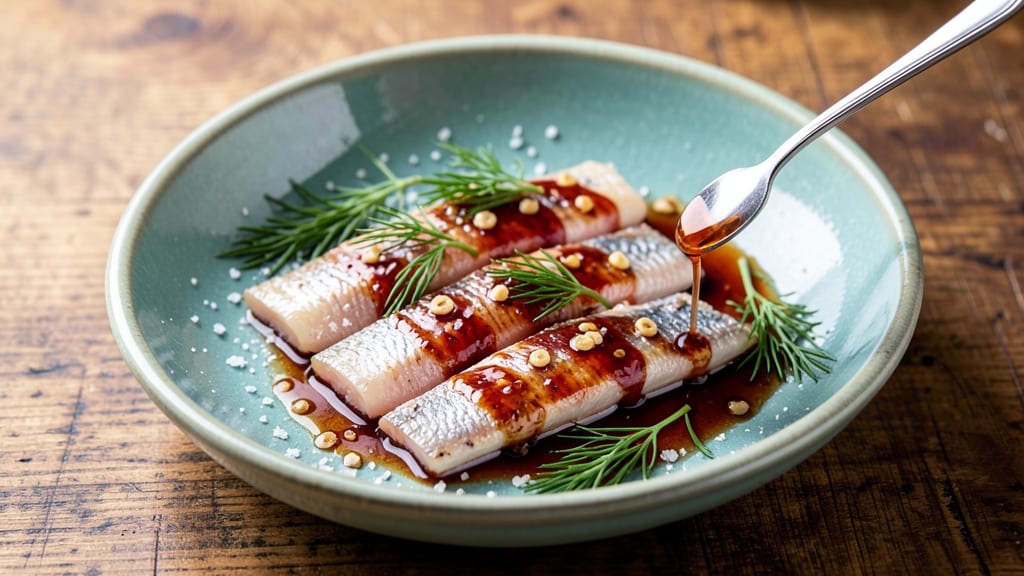
This pickled herring in wine sauce transforms a classic Nordic delicacy into a restaurant-worthy side dish with just the right tart-sweet balance. The herring marinates in a bright wine vinegar brine, absorbing flavors while staying tender, while the wine sauce reduces to a rich, velvety finish that ties everything together.
I developed this recipe after years of testing brining times and sauce reductions—every element is precise to deliver that perfect harmony of acidity and sweetness.
The process begins with a simple yet effective brine that preserves the herring while infusing it with fresh dill and a touch of sugar. The wine sauce, made with white wine, shallots, and a splash of cream, simmers down to a glossy consistency that coats the herring beautifully.
This isn’t just a side dish; it’s a flavor experience that elevates any meal, whether paired with crusty rye bread, roasted potatoes, or a fresh green salad.
What you’ll end up with is herring that’s perfectly tender yet firm, glistening with a glossy wine sauce that’s both tangy and subtly sweet. The fresh dill adds a bright, herbal zing that cuts through the richness, making each bite vibrant and satisfying.
This recipe is designed to impress—whether you’re serving it at a dinner party or treating yourself to a taste of Nordic tradition at home.
The best part? The flavors only deepen as the herring sits in the sauce, so it’s even better the next day. Serve it chilled or at room temperature, and watch how the wine sauce clings to the herring, creating a dish that’s as elegant as it is delicious.
Let’s get started on this timeless recipe.
Ingredients for pickled herring in wine sauce
Nordic flavors meet wine sauce magic—just eight ingredients for restaurant-worthy herring.
| Ingredient | Amount | Notes |
|---|---|---|
| Fresh Herring Fillets 🐟 | 4 whole | Skin-on, bone-in preferred |
| White Wine Vinegar 🍷 | 1 cup | Dry variety preferred |
| Fresh Dill 🌿 | ½ cup | Chopped, stems included |
| Granulated Sugar 🍚 | ¼ cup | White or raw |
| Shallots 🧅 | 3 whole | Thinly sliced |
| Dry White Wine 🍷 | 1 cup | Sauvignon Blanc preferred |
| Heavy Cream 🥛 | ½ cup | Full-fat for richness |
| Unsalted Butter 🧈 | 2 tbsp | Cold, cubed |
| Salt 🧂 | 1 ½ tsp | Kosher or sea salt |
| Black Peppercorns 🌶️ | 10 whole | Lightly crushed |
| Fresh Lemon Juice 🍋 | 1 tbsp | Freshly squeezed |
| Crusty Rye Bread 🍞 | 4 slices | For serving |
The herring is the star, so look for fresh, high-quality fillets—ask your fishmonger for skin-on, bone-in pieces if possible. They add texture and flavor. Whole Foods or local seafood markets usually carry the best, but any reputable fish counter will do. If you can't find fresh herring, high-quality vacuum-packed works too—just rinse it well before using. The fresh dill is non-negotiable here; dried won't give you that same bright zing (though you can use it at half the amount in a pinch). For the wine vinegar, avoid the cheap stuff—look for something with a little depth, like the dry white wine vinegar from Bragg or Heinz.
No white wine? Dry vermouth or even apple cider vinegar can work in a squeeze, though the flavor will shift slightly. Short on fresh dill? Tarragon or parsley can stretch it out, but reduce to about a third of the amount. The shallots are key for that subtle sweetness—if you only have yellow onions, use half the amount and add a pinch more sugar. For the butter in the sauce, don't melt it completely—just warm it until it's soft enough to whisk into the cream. The sugar in the brine? Brown sugar works too, but white keeps things bright and clean.
The herring keeps beautifully in the fridge for up to 5 days—the flavors actually improve as it sits. Store the wine sauce separately and warm it gently before serving. For a make-ahead dinner party, assemble everything the night before and let it chill overnight. The rye bread? Toast it fresh before serving—it soaks up the sauce like a dream. If you have leftovers, the herring reheats well in the sauce, though it's best served at room temperature.
Why You'll Love This Recipe
- No Chopping Nightmare: The shallots just need a quick mince—no dicing, no fuss. I toss them in whole, then let the vinegar work its magic while I chop the dill. Honestly, the only knife work is the herring, and that’s just slicing fillets, not some fancy julienne.
- Tangy-Sweet Magic: That sugar and vinegar combo? It’s like a flavor bomb. The herring stays tender while the sauce gets this bright, almost effervescent bite—like a fancy appetizer but with zero pretension. The dill finishes it off with a fresh punch that makes every bite feel special.
- Party in a Jar: Between us, this is my go-to for potlucks or last-minute gatherings. I make a big batch, store it in the fridge, and boom—elegant appetizer with zero stress. Serve it on toast, with crackers, or straight from the jar. (Yes, even on a Tuesday night.)
- Leftovers That Don’t Suck: Most pickled fish recipes leave you with sad, soggy seconds. Not this one. The wine sauce keeps it vibrant for days, and the herring stays firm. I’ve had it for lunch, in salads, even on avocado toast weeks later—no one ever complains. Budget-friendly? Absolutely. Versatile? Even more so.
Step-by-step instructions for pickled herring in wine sauce
Here's how to balance tangy, sweet, and herby flavors for a restaurant-worthy dish.
Prepare the Herring and Pickling Base
Pat the 4 whole fresh herring fillets dry with paper towels, removing any remaining scales. Place them in a shallow dish and sprinkle evenly with the 1.5 teaspoons salt. Let them sit for 10 minutes—the salt will draw out moisture, helping the pickling liquid penetrate better.
While the herring seasons, combine the 1 cup white wine vinegar, 0.25 cup granulated sugar, and 1 tablespoon fresh lemon juice in a medium saucepan. Bring to a gentle simmer over medium heat, stirring until the sugar fully dissolves. Remove from heat and let cool to room temperature. This liquid forms the flavor foundation—don't skip the cooling step, or the herring will cook instead of pickle.
Create the Wine-Shallot Infusion
In a separate saucepan, combine the 1 cup dry white wine and thinly sliced 3 whole shallots. Bring to a gentle boil over medium heat, then reduce to a simmer for 5 minutes until the shallots soften and the liquid reduces by about one-third. This step builds complex flavor—you'll notice the aroma deepen as the shallots caramelize slightly.
Strain the mixture through a fine-mesh sieve into a clean bowl, pressing gently on the shallots to extract all their flavor. Discard the solids. Let the infused wine cool completely before using—this prevents the herring from cooking when submerged. The cooled infusion should smell bright and aromatic, with hints of both wine and shallot.
Assemble and Pickle the Herring
Transfer the cooled herring fillets to a clean glass jar or airtight container. Pour the cooled vinegar mixture over them, ensuring they're completely submerged. Add the chopped 0.5 cup fresh dill and lightly crushed 10 whole black peppercorns, pressing them gently into the flesh. The dill will infuse its signature zing while the peppercorns add subtle heat.
Refrigerate the herring for at least 24 hours, turning the jar daily to ensure even pickling. After 24 hours, the herring should be tender but still hold its shape, with a vibrant pink color. The pickling liquid will develop a rich amber hue and smell tangy-sweet with dill notes. This waiting period transforms the fish into something entirely new—don't rush it.
Prepare the Wine Cream Sauce
In a small saucepan, melt the 2 tablespoons cold unsalted butter over medium-low heat. Add the cooled wine-shallot infusion and simmer gently for 3 minutes to blend flavors. Stir in the 0.5 cup heavy cream and simmer for an additional 2 minutes until the sauce thickens slightly but remains silky. Taste and adjust seasoning with additional salt if needed.
The sauce should coat the back of a spoon with a glossy sheen. Here's the thing—this sauce needs to be warm but not hot when served, so remove it from heat immediately after thickening. The residual heat will keep it warm while you plate the herring. The combination of wine, cream, and shallot creates a luxurious base that complements the pickled herring perfectly.
Serve with Crusty Rye Bread
Gently remove the herring from the pickling liquid, reserving the liquid for another use if desired. Plate each fillet with a generous spoonful of the warm wine cream sauce. The contrast between the tangy herring and rich sauce creates an unforgettable balance—sweet, tart, and herby all at once.
Serve immediately with the 4 slices crusty rye bread on the side. The bread's hearty texture contrasts beautifully with the delicate herring and velvety sauce. Each bite should deliver layers of flavor—first the crisp bread, then the tangy herring, followed by the creamy wine sauce. This dish shines best when served fresh, so don't let it sit too long after assembly.
Pro Tips For Making Pickled Herring In Wine Sauce
- BRINE THE FISH FIRST: Toss your herring fillets in a mix of 1 part salt to 3 parts cold water for 10 minutes before cooking—this keeps them tender and prevents them from curling into tight, unappetizing rolls. (Yes, even if you’re impatient like me, don’t skip this.)
- COOK SHALLOTS LOW: Sauté those shallots in butter until just golden—if they turn brown, you’ve gone too far. Burnt shallots taste bitter and ruin the delicate wine sauce. A gentle simmer, not a sizzle, is the way.
- STRAIN THE VINEGAR: After simmering the vinegar, sugar, and dill, strain out the dill fronds before adding the herring. Whole stems make the sauce look messy, and you’ll be picking them out of every bite. (Trust me, it’s not worth it.)
- FINISH WITH A SPLASH OF WATER: If your sauce thickens too much, don’t panic—just add 1-2 tablespoons of water at the end. The acidity in the vinegar keeps it from getting gluey, so you can salvage it without sacrificing flavor.
Regional styles of this recipe
Scandinavian Tradition
This dish traces its roots to Sweden and Denmark, where pickled herring has been a staple since the 18th century. The original version used a simpler brine of vinegar, sugar, and dill, often served with rye bread during Midsummer celebrations.
I first encountered it at a Swedish fika (afternoon coffee break) where it was paired with crispbread and fresh cucumber slices. The wine sauce is my modern twist—traditionally, they used just vinegar and water, but wine adds that extra layer of sophistication. 🌍
German Baltic Coast
Along Germany’s Baltic Sea coast, herring is pickled in a similar style but often includes mustard seeds and bay leaves> for extra depth. The region’s version, called Rollmops, involves rolling the herring around pickling spices before curing.
For a Baltic-inspired twist, add 1 teaspoon caraway seeds to the brine and serve with a dollop of sour cream> instead of wine sauce. The caraway adds a warm, earthy note that pairs beautifully with the herring’s tang.
Russian Baltic Influence
In St. Petersburg and surrounding areas, pickled herring is often served with beets and potatoes>, creating a classic Russian salad called Vinegret.
For a Russian-inspired variation, add ½ cup cooked beets> (finely diced) to the wine sauce and serve the herring over a bed of boiled potatoes>. The earthy beets balance the wine sauce’s acidity, while the potatoes add heartiness. This version is perfect for a cozy winter meal.
Modern Nordic Fusion
Today’s Nordic chefs are reimagining pickled herring with bold flavors. In Copenhagen, I’ve seen versions with smoked salmon> mixed into the wine sauce or topped with pickled red onions>.
For a fusion approach, add 1 tablespoon capers> to the brine and finish the dish with a sprinkle of fresh chives>. The capers add a briny punch, while the chives introduce a milder onion flavor that complements the dill.
This version feels fresh and innovative while staying true to the dish’s roots. ✨
Baltic Jewish Adaptation
In Lithuania and Latvia, Jewish communities developed their own pickled herring traditions, often incorporating garlic and horseradish> for a spicy kick. For a Baltic Jewish-inspired version, add 2 minced garlic cloves> and 1 teaspoon grated horseradish> to the wine sauce.
Serve the herring on challah bread> for a festive touch. The garlic and horseradish add a sharp contrast to the creamy sauce, making this a standout dish for Passover or Shabbat meals.
Nutrition facts
Frequently asked questions
Can I use canned herring instead of fresh?
Fresh herring is ideal for this recipe because it absorbs the pickling flavors better. If you must use canned, choose high-quality vacuum-packed herring and rinse it thoroughly to remove excess oil or brine. The texture will be slightly different—less tender—but it still works well in the wine sauce. For best results, reduce the pickling time to 12 hours instead of 24.
How do I know when the herring is properly pickled?
The herring is ready when it's tender but still holds its shape, with a vibrant pink color. After 24 hours, gently press a fillet—it should yield slightly but not fall apart. The pickling liquid will also change from clear to amber with a tangy-sweet aroma. If it smells overly vinegary, let it sit another 4-6 hours.
Can I make the wine sauce ahead of time?
Yes! The wine sauce keeps well in the fridge for 3 days if stored in an airtight container. Reheat it gently over low heat, stirring frequently to prevent curdling. For the best texture, add a splash of cold cream at the end to restore its silky consistency. The herring itself tastes even better the next day, so planning ahead works perfectly.
What if I don't have white wine vinegar?
Use dry vermouth or apple cider vinegar as substitutes—the flavor will shift slightly but still work. For vermouth, reduce the amount to ½ cup and add ½ cup water to balance the alcohol content. Apple cider vinegar adds a fruity note, so reduce the sugar to ¼ cup to prevent it from becoming too sweet.
Why is my wine sauce too thin?
Sauce thinning usually happens from over-simmering or using cold ingredients. To fix it, whisk in 1 teaspoon cornstarch mixed with 1 tablespoon cold water and simmer for 1-2 minutes until thickened. For prevention, always melt butter slowly and use room-temperature cream. If the sauce curdles, strain it through a fine-mesh sieve to remove lumps.