
Sauces & Condiments
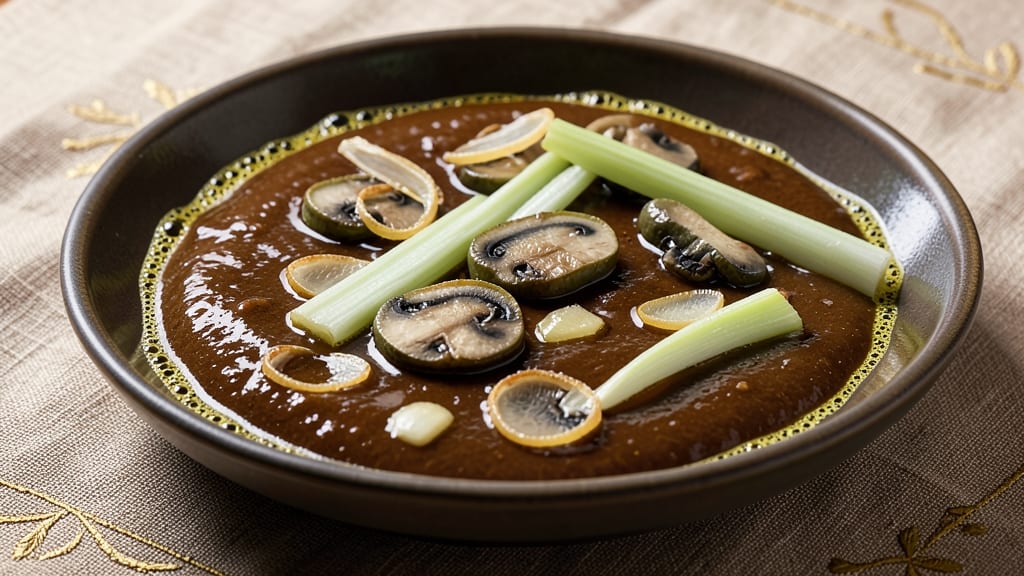
Antiboise sauce transforms simple dishes into restaurant-worthy meals with its velvety texture and delicate balance of cream, vinegar, and fresh herbs. This classic French condiment—named after its celery crown—pairs perfectly with steak, chicken, or even pasta, adding depth without overpowering. The secret lies in slow reduction and proper seasoning, ensuring every spoonful delivers that signature tangy richness.
At its core, this sauce relies on a foundational trio: butter, cream, and vinegar, enriched with mushrooms and shallots for umami. The celery crown isn’t just decorative—it infuses the sauce with subtle freshness, making it brighter than traditional béchamel-based condiments.
What sets it apart is the vinegar’s hidden zing, which brightens the richness and keeps the flavor dynamic.
Once mastered, this sauce becomes your secret weapon for elevating proteins and vegetables alike. It’s versatile enough for weeknight dinners but elegant enough for special occasions, all while requiring just 20 minutes of active prep.
The key is patience—letting the sauce reduce gradually ensures a silky, cohesive finish that clings beautifully to any dish.
Store leftovers in the fridge for up to 5 days, or freeze for 3 months without sacrificing texture. Pair it with grilled meats, roasted vegetables, or even mashed potatoes for a touch of sophistication. Here’s how to make it—step by step.
Ingredients for antiboise sauce
Velvety butter and cream meet vinegar's tang, crowned with celery for freshness—just ten ingredients for restaurant-quality sauce.
| Ingredient | Amount | Notes |
|---|---|---|
| Unsalted Butter 🧈 | ½ cup | Cold, cubed for even melting |
| Heavy Cream 🥛 | 1 cup | Full-fat for richness |
| White Wine Vinegar 🍷 | ½ cup | Dry, not sweetened |
| Shallots 🧅 | 3 whole | Minced, not chopped |
| Mushrooms 🍄 | 8 oz | Cremini or button, sliced thin |
| Celery Stems 🧅 | 3 whole | Leaves reserved for garnish |
| Fresh Thyme 🌿 | 1 tbsp | Leaves only, stems removed |
| Fresh Parsley 🌿 | 1 tbsp | Chopped, for finishing |
| Diamond Crystal Kosher Salt 🧂 | ½ tsp | Adjust to taste |
| Freshly Ground Black Pepper 🌶️ | ¼ tsp | Light hand, not overdone |
The butter and cream form the sauce's luxurious base, so use full-fat versions—none of that low-fat nonsense here. For the vinegar, white wine vinegar is ideal, but apple cider vinegar works in a pinch. Shallots and mushrooms are where the umami magic happens—cremini mushrooms add depth, while shallots bring sweetness without overpowering. The celery crown isn't just for looks; those leaves infuse subtle freshness. Grab organic celery from the store's produce section if possible—it's brighter and more flavorful. Fresh thyme and parsley? Trader Joe's usually has great bundles, but any grocery store's herb section will do.
No white wine vinegar? Rice vinegar or lemon juice can stand in, but taste first—the acidity level matters. Mushrooms missing? Sautéed leeks or asparagus add a similar earthiness. Celery leaves wilted? Fresh basil or tarragon can mimic that herbal brightness. The salt is non-negotiable—Diamond Crystal dissolves better than Morton, so if you've got it, use it. Fresh herbs are ideal, but dried thyme at one-third the amount works if you're in a bind. Just remember: this sauce is all about balance, so don't rush the seasoning.
This sauce peaks after a day in the fridge—the flavors meld beautifully. Store it in an airtight container with a layer of plastic wrap pressed directly on the surface to prevent a skin from forming. Keeps for 5 days refrigerated or 3 months frozen. For freezing, portion into ice cube trays first—perfect for single-use servings. Reheat gently on the stove, stirring constantly to avoid curdling. The celery crown? Use it within 2 days for maximum freshness, but toss it in at the end for that signature garnish.
Why You'll Love This Recipe
- Mushrooms Do the Work: I swear, the earthy depth from sautéed mushrooms and shallots builds flavor while I’m chopping veggies for dinner. No fancy techniques—just a pan, a little time, and those mushrooms caramelizing into a rich base.
- Creamy Without Effort: That velvety heavy cream and butter combo makes it silky smooth with almost no stirring. Honestly, the sauce feels luxurious, but it’s just a few whisk strokes away from being ready.
- Weeknight to Dinner Party: Slather it on grilled steak for a quick weeknight meal or drizzle it over seared scallops for a restaurant-worthy dish. The white wine vinegar keeps it bright enough to play well with anything.
- Budget-Friendly Luxury: A small block of butter and a handful of mushrooms stretch into enough sauce for two meals. Between us, this is the kind of recipe that makes frugal cooking feel indulgent.
Step-by-step instructions for antiboise sauce
Here's how to craft this velvety, aromatic sauce that balances creamy richness with bright acidity.
Sauté the Aromatic Base
Heat the 0.5 cup unsalted butter in a medium saucepan over medium heat. Add the 3 whole shallots and 8 oz mushrooms, sliced thin, stirring occasionally for 5-6 minutes until the mushrooms soften and release their moisture. The shallots should turn translucent while developing a gentle caramelization.
Here's the thing—don't rush this step. You want the mushrooms to break down completely and the shallots to release their natural sweetness. If the pan starts to brown too quickly, reduce the heat slightly. Once the mushrooms are tender and most of their liquid has evaporated, add the 3 whole celery stems, minced, and cook for another 2 minutes until fragrant.
Deglaze with Vinegar
Pour in the 0.5 cup white wine vinegar and increase the heat to medium-high. Let the vinegar simmer vigorously for 3-4 minutes until it reduces by about half and the mixture thickens slightly. This reduction is crucial—it concentrates the flavors and balances the acidity with the creamy elements to come.
Stir frequently during this process to prevent sticking. You'll notice the sauce darken slightly as the vinegar's acidity reacts with the butter and aromatics, creating a deeper, more complex flavor profile. This is where the sauce gets its signature tangy bite that cuts through the richness.
Incorporate Cream and Seasonings
Reduce the heat to low and slowly whisk in the 1 cup heavy cream, letting it warm through gradually. Add the 1 tbsp fresh thyme leaves and 0.5 tsp Diamond Crystal kosher salt, stirring gently to combine. The sauce should begin to thicken as it simmers, but don't let it boil—just maintain a gentle simmer for 5-6 minutes until it reaches your desired consistency.
Taste and adjust the seasoning with additional salt or a pinch of 0.25 tsp freshly ground black pepper if needed. The sauce should be creamy but not overly thick—it should coat the back of a spoon without being gluey. If it's too thick, whisk in a splash of warm water or more cream to loosen it.
Finish and Garnish
Remove the sauce from heat and stir in the 1 tbsp chopped fresh parsley. Let it sit for 2-3 minutes to allow the flavors to meld fully. The parsley adds a fresh, bright note that complements the deep umami of the mushrooms and the acidity of the vinegar.
For serving, reserve some of the celery leaves for garnish. The sauce pairs beautifully with roasted meats, grilled fish, or even as a creamy dip. If you're using it for dipping, you might want to thin it slightly with a bit more cream for an even silkier texture. Serve warm to fully appreciate its velvety texture and complex flavor profile.
Pro Tips For Making Antiboise Sauce
- Cook Shallots Slow: Don’t rush them—shallots need 8-10 minutes on medium-low to caramelize properly. I used to burn them because I thought higher heat was faster, but low and steady gives that sweet, jammy depth the sauce needs. (Yes, even if you’re impatient like me.)
- Sauté Mushrooms Dry: No oil needed—just the butter from the shallots. The mushrooms will release enough moisture to steam themselves, but the butter will crisp the edges into little golden bits that make the sauce sing. Skip the extra fat unless you’re drowning in it.
- Whisk in Cream Gradually: Temper the cream by adding it in two batches, 10 seconds apart. I learned this after one disastrous curdling incident—hot cream + cold butter is a one-way ticket to lumps. Stir like you’re trying to polish silver.
- Acid Last, Not First: Toss in the white wine vinegar after the cream has thickened, not when you start. The acid will thin the sauce if added too early, and you’ll end up chasing consistency instead of tasting the balance. Save it for the final 30 seconds.
Wine and beer pairings for this antiboise sauce
White Wine Pairings
Antiboise sauce’s creamy texture and vinegar brightness call for crisp, acidic whites that won’t compete with its depth. A Chablis from Burgundy—specifically a 100% Chardonnay—is my go-to. Its mineral-driven profile and bright citrus notes cut through the richness while complementing the mushroom umami.
Look for a 2022 Louis Latour Chablis Grand Cru for that perfect balance of elegance and tang. 🍷
If you prefer something lighter, a Sancerre from the Loire Valley—made from Sauvignon Blanc—adds herbal freshness that mirrors the parsley and celery in the sauce. The grape’s zesty lime and green apple flavors echo the vinegar’s brightness without overpowering.
For a budget-friendly option, Oyster Bay Sancerre delivers the same zing for half the price.
Red Wine Pairings
For those who insist on red, a Pinot Noir from Oregon’s Willamette Valley is ideal. The wine’s earthy notes and red fruit undertones harmonize beautifully with the mushrooms and thyme, while its low tannins prevent bitterness from clashing.
A 2021 Domaine Serene Pinot Noir offers a silky texture that mirrors the sauce’s creaminess. 🍷
Avoid heavy reds like Cabernet Sauvignon—their bold tannins and dark fruit flavors will dominate the sauce’s delicate balance. Instead, opt for a light-bodied, fruit-forward Gamay from Beaujolais if you’re set on red.
The 2023 Domaine des Terres Dorées Gamay brings juicy cherry notes that play nicely with the sauce’s umami depth.
Beer Pairings
For beer lovers, a Belgian Witbier like Hoegaarden is a match made in heaven. Its corianander and orange peel notes brighten the sauce’s richness, while the light effervescence cleanses the palate between bites. The beer’s subtle spice also complements the thyme in the sauce. 🍺
If you prefer something darker, a German Helles Lager—like Weihenstephaner Original—works surprisingly well. Its malty sweetness and hint of caramel soften the vinegar’s acidity, creating a smooth, balanced pairing.
For a craft option, try a Belgian Saison like Brouwerij Boelens—its peppery notes add an extra layer of complexity.
Non-Alcoholic Options
Don’t overlook sparkling water with a twist. Add a splash of lemon juice and a pinch of salt to LaCroix Lemon for a refreshing contrast to the sauce’s creaminess. The bubbles help reset your palate between bites, making each spoonful of sauce feel fresh. 💧
For a more substantial non-alcoholic option, try a ginger beer like Feather Ginger Beer. The spicy ginger enhances the thyme in the sauce, while the effervescence keeps the experience lively. Serve it chilled for the best contrast to the warm, velvety sauce.
Nutrition facts
Frequently asked questions
Why does antiboise sauce have vinegar if it's supposed to be creamy?
The vinegar is key to balancing the sauce's richness! It adds a subtle tang that cuts through the butter and cream, preventing the sauce from tasting too heavy. The reduction step concentrates the acidity, so you only get a hint of brightness—not enough to overpower, just enough to make every bite more dynamic.
Can I make this sauce ahead of time?
Absolutely—it actually tastes better after resting! Let it cool completely, then store in an airtight container for up to 5 days in the fridge. The flavors meld beautifully overnight, and it reheats perfectly. For freezing, portion into ice cube trays first—ideal for single-use servings.
What if I don't have fresh thyme or parsley?
No problem! Use 1 teaspoon dried thyme (one-third the fresh amount) and 1 tablespoon dried parsley. For extra brightness, add a pinch of lemon zest or a few drops of lemon juice at the end. The celery leaves are the most critical fresh element—don't skip those!
How do I fix a sauce that's too thick or too thin?
For a thick sauce: Whisk in 1 tablespoon warm water or cream at a time until silky. For a thin sauce: Simmer uncovered for 2-3 minutes to reduce, or stir in 1 teaspoon cornstarch mixed with water. Always adjust gradually—you can't undo over-thickening!
What's the best way to reheat leftovers?
Gently reheat on the stove over low heat, stirring constantly to prevent curdling. Avoid microwaving—it can create hot spots and break the sauce's silky texture. For dipping sauces, thin slightly with warm cream or broth before reheating for the perfect consistency.