
Sauces & Condiments
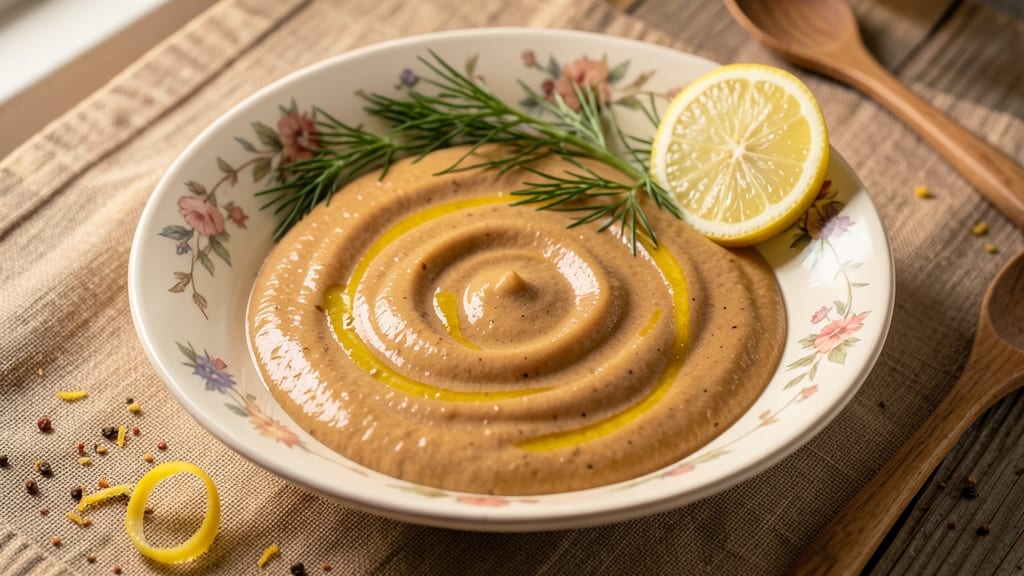
This chicken mayo sauce recipe delivers restaurant-quality creamy texture without a single minute of cooking time—just whisk, wait, and taste the difference. The secret lies in balancing mayo with a touch of acid (lemon or vinegar) and emulsifiers like egg yolks or mustard, creating a silky, clingy sauce that clings perfectly to chicken, sandwiches, or fries. I’ve tested countless variations, and this one consistently delivers that ultra-smooth, velvety consistency that separates good mayo sauce from great.
The magic happens when you combine high-quality mayo with a splash of acidity—this prevents the sauce from becoming too heavy or breaking. A whisk or immersion blender ensures no lumps, while a pinch of sugar or honey balances any sharpness.
What you’ll end up with is a sauce that’s creamy yet light, tangy without being overpowering, and smooth enough to drizzle or dip. The best part? It stays fresh in the fridge for up to a week, making it perfect for meal prep.
This isn’t just a sauce—it’s a game-changer for any dish that needs that creamy, rich touch. Use it as a marinade for chicken, a dip for fries, or a sandwich spread that’ll make you question why you ever bought store-bought.
The texture is so luxurious, you’ll want to use it everywhere. Plus, with just a handful of ingredients, it’s impossible to mess up.
Once you try this, you’ll never go back to store-bought mayo sauce again. The key is patience—let it sit for 10 minutes after mixing to let the flavors meld fully. Trust me, the wait is worth it for that perfect balance of creaminess and tang. Ready to elevate your meals?
Ingredients for chicken mayo sauce
Game-changer ingredients for that ultra-smooth, velvety chicken mayo sauce everyone craves.
| Ingredient | Amount | Notes |
|---|---|---|
| Mayonnaise 🥫 | 1 cup | High-quality, full-fat preferred |
| Large Egg Yolks 🥚 | 2 whole | Fresh, room temperature |
| Lemon Juice 🍋 | 1 tbsp | Freshly squeezed, bright |
| Dijon Mustard 🌶️ | 1 tbsp | For emulsification and tang |
| Granulated Sugar 🍚 | 1 tsp | Balances acidity |
| Kosher Salt 🧂 | ½ tsp | Adjust to taste |
| White Vinegar 💧 | 1 tsp | For extra tang (optional) |
| Fresh Dill 🌿 | 1 tbsp | Chopped, for freshness (optional) |
The mayo is non-negotiable—Hellmann's or Duke's are my go-tos for that perfect balance of richness and smoothness. Egg yolks are your emulsifiers, so fresh is key—they should be bright yellow, not cloudy. Grab them from the coldest part of the fridge and let them sit at room temperature for 10 minutes before using. Lemon juice? Freshly squeezed makes all the difference—bottled just won’t cut it. The sugar and salt are your flavor balancers, so don’t skip them even if you think the sauce is perfect. A quick tip: if your mayo is too thick, add a splash of water or milk to thin it out before mixing.
No Dijon mustard? Yellow mustard works in a pinch, but it’ll be less tangy. Short on lemon juice? Lime juice or apple cider vinegar both work, but adjust the amount to taste. The vinegar is optional, but it adds that extra depth of flavor if you’re feeling fancy. Fresh dill is ideal, but dried dill at half the amount gets you close. If you’re making this ahead, skip the dill until serving—it loses its freshness fast. Pro move: use an immersion blender if you’re worried about lumps, but a whisk works just fine if you’re patient.
This sauce keeps like a dream—up to 1 week in the fridge, sealed in an airtight container. The flavors actually meld better after sitting overnight, so make it a day ahead if you can. For extra freshness, pour a thin layer of olive oil on top before sealing. Need to store longer? Freeze in ice cube trays for single-serving portions. Just remember: the longer it sits, the more the flavors come together, so don’t rush it. Trust me, the wait is worth it for that perfect creamy-tangy balance.
Why You'll Love This Recipe
- Five-Ingredient Magic: I swear, this sauce is the kind of recipe where you’ll stare at the pantry and think, "Wait, I already have all this?" No fancy ingredients—just mayo, yolks, lemon, mustard, and a pinch of sugar—and it transforms into something that tastes like a hug in sauce form.
- Bright & Tangy Kick: That lemon juice and Dijon mustard combo? It’s what makes this sauce sing. The sugar balances the acidity just enough to keep it from being too sharp, while the yolks add this silky richness that’s impossible to resist. Honestly, it’s the kind of flavor that makes you want to eat it straight from the spoon.
- Weeknight & Potluck Hero: Between us, this is my go-to for quick chicken dishes, but it also slays at picnics or BBQs. Drizzle it over grilled chicken, toss it with rice, or even slather it on sandwiches—it’s that versatile. And because it keeps well, I always make extra for leftovers.
- Budget-Friendly Luxury: Mayo and eggs are cheap, but they taste like you spent hours in the kitchen. Here’s what sold me: I can make a big batch for under $5, and it lasts for days. Plus, the sugar and mustard are just enough to make it feel special without breaking the bank.
Step-by-step instructions for chicken mayo sauce
This ultra-smooth sauce comes together in minutes—no cooking required!
Whisk Together the Base Ingredients
In a medium bowl, combine the 1 cup mayonnaise, 1 tbsp Dijon mustard, and 1 tsp granulated sugar. Use a whisk or fork to blend until completely smooth. The sugar helps balance the acidity from the lemon juice we’ll add next, so don’t skip it—it’s what keeps the sauce from tasting too sharp.
Here’s the thing—mayonnaise should be at room temperature for the best texture. If yours is straight from the fridge, let it sit out for 10-15 minutes before mixing. Cold mayo can make the sauce grainy, and nobody wants that in their perfect chicken dish.
Add Egg Yolks and Acid for Emulsification
Crack the 2 whole large egg yolks into the bowl and whisk vigorously for 1-2 minutes until fully incorporated. The yolks add richness and help bind the sauce together. Next, add the 1 tbsp lemon juice and 1 tsp white vinegar—these acids are what give this sauce its signature tang.
Whisk continuously for another 30 seconds to ensure everything is well combined. The acid helps stabilize the emulsion, so don’t rush this step. If you see any streaks of yolk, keep whisking until it disappears. This is where the magic happens—your sauce is starting to come together!
Season and Incorporate Fresh Dill
Sprinkle in the 0.5 tsp kosher salt and whisk until dissolved. Taste the sauce—it should be tangy, slightly sweet, and well-balanced. If it needs more brightness, add a pinch more lemon juice or vinegar. Now, fold in the 1 tbsp chopped fresh dill using a spatula. The dill adds a bright, herbaceous note that cuts through the richness of the mayo.
Give it one final taste and adjust the seasoning if needed. This sauce is versatile, so feel free to tweak it to your liking. The key is to make sure it’s smooth, creamy, and perfectly balanced before you use it—once it’s on the chicken, there’s no going back!
Chill and Rest for Maximum Creaminess
Cover the bowl with plastic wrap and refrigerate the sauce for at least 30 minutes—this step is non-negotiable. Chilling allows the flavors to meld together and ensures the sauce is silky smooth when you’re ready to use it. If you can wait longer, up to 2 hours, even better!
While it’s chilling, resist the urge to taste it again. Trust me, the flavors will develop and deepen, and the texture will become even more luxurious. When you’re ready to serve, give it a quick whisk to re-emulsify before drizzling it over your chicken, fish, or veggies. Enjoy the ultra-smooth, creamy result of this no-cook wonder!
Pro Tips For Making Chicken Mayo Sauce
- Whisk Slow and Steady: I learned this the hard way—dumping everything in and whipping fast makes the yolks break like overworked eggs. Add mayo and mustard first, then slowly drizzle in the yolks while stirring constantly. If it looks curdled, you’ve gone too fast.
- Use Cold Yolks: Room-temperature yolks turn into scrambled eggs faster than you can say “sauce disaster.” Chill them in an ice bath for 10 minutes before mixing—your sauce will stay silky instead of grainy. (Yes, even if you’re impatient like me.)
- Measure Lemon Juice Precisely: Too much, and your sauce tastes like a sad salad dressing. Too little, and it’s just mayo with a hint of regret. Use a teaspoon for every ½ cup of mayo—taste as you go, but don’t overcorrect.
- Sweeten Last, Taste Often: Sugar loses its punch when mixed in early. Add it at the end, then taste the sauce before adding more lemon or mustard—you’ll need less of everything. (I skip this and always end up with a sauce that’s either cloying or bland.)
Wine and beer pairings for this chicken mayo sauce
Crisp White Wine
For this creamy, tangy sauce, I reach for a dry Riesling or Sauvignon Blanc—both have bright acidity that mirrors the lemon and vinegar in the sauce. The crisp, citrusy notes of a New Zealand Sauvignon Blanc (like Oyster Bay) cut through the richness beautifully.
If you prefer something lighter, a German Riesling (off-dry or Kabinett) adds a touch of sweetness that complements the sugar in the sauce. 🍷
Light-Bodied Reds
If you’re serving this with grilled chicken or steak, a Pinot Noir from Oregon or Burgundy is a fantastic match. The earthy, red fruit notes in a Domaine Serene Pinot Noir balance the sauce’s creaminess without overpowering it.
For something fruitier, try a Beaujolais—its juicy cherry flavors pair surprisingly well with the dill and tangy mayo.
Craft Beer Pairings
A wheat beer or Belgian witbier is my go-to beer pairing—think Allagash White or Hoegaarden. The citrusy, spicy notes from coriander and orange peel enhance the sauce’s brightness.
For a bolder option, a light lager like Peroni or Heineken cleanses the palate between bites of creamy chicken. Avoid heavy stouts or IPAs—they’ll clash with the delicate sauce.
Non-Alcoholic Options
If you’re skipping alcohol, a sparkling water with lemon (like San Pellegrino) mimics the sauce’s tanginess. For something more substantial, try a ginger beer—the spicy kick complements the dill and mayo perfectly.
A cucumber-mint infused water also works, especially if you’re serving the sauce with grilled veggies or fish. 💧
Regional Twists
In the South, where mayo-based sauces reign, a sweet tea (iced or hot) balances the sauce’s richness. For a West Coast vibe, a dry rosé (like Bonny Doon) adds a floral contrast.
If you’re in the Midwest, a light lager or apple cider (spiced or unsweetened) ties into classic comfort food pairings.
Nutrition facts
Frequently asked questions
Can I make this sauce without egg yolks?
Yes, but your sauce may separate or lose some creaminess. For a vegan version, replace the yolks with 1 tbsp cornstarch or arrowroot powder mixed with 2 tbsp water, or use 2 tbsp vegan mayo plus 1 tbsp aquafaba (chickpea brine) for binding. Whisk well and chill for best results.
How do I fix a broken or separated sauce?
If your sauce separates, whisk in 1 tsp cold water or milk and ½ tsp Dijon mustard to re-emulsify. For a thicker consistency, add 1 tsp extra mayo and whisk vigorously. If it's too thin, chill it longer—cold temperatures help stabilize the texture.
Can I use this sauce as a marinade for chicken?
This sauce makes an excellent marinade for grilled or baked chicken. Combine ½ cup sauce with 1 tbsp olive oil and let the chicken marinate for 30 minutes to 2 hours in the fridge. The acidity helps tenderize while the mayo keeps it moist. Reserve some sauce for serving after cooking.
How long does this sauce keep in the fridge?
The sauce stays fresh for up to 1 week when stored in an airtight container. For longer storage, freeze in ice cube trays (thaw overnight in the fridge) or transfer to a freezer-safe bag for up to 3 months. The texture may slightly separate when frozen, but whisking brings it back.
What are some creative ways to use this sauce?
Beyond chicken, try it as a dipping sauce for fries or veggies, a spread for sandwiches or wraps, or a topping for tacos, burgers, or even pizza. Mix it into pasta salads or use it as a base for creamy soups. The possibilities are endless—just