
Sauces & Condiments
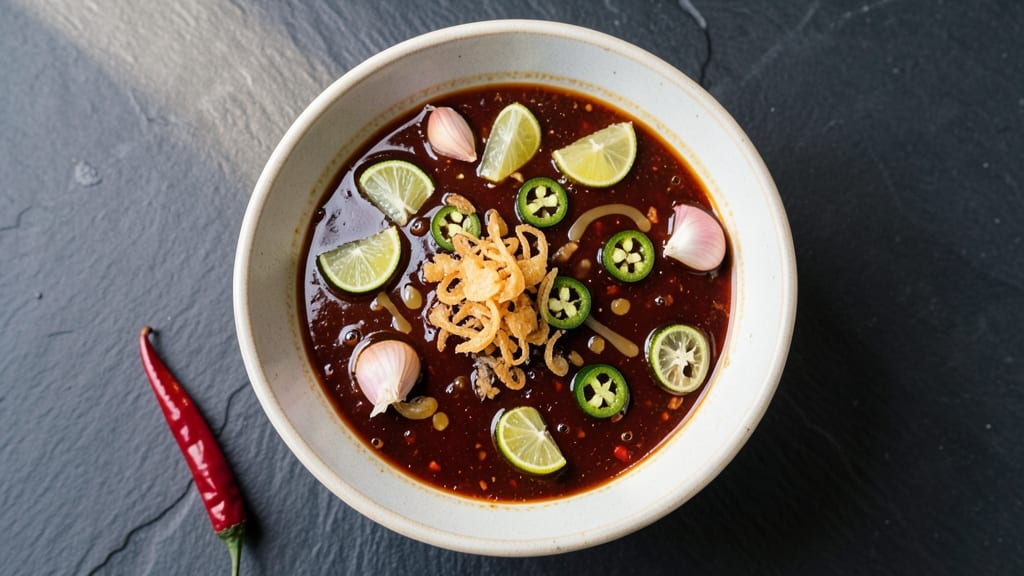
Balut sauce transforms this bold Filipino street food into a harmonious bite—where vinegar’s tang cuts through the rich, savory depth of the egg, and chili adds just enough heat to balance the experience. This recipe captures the soul of traditional balut seasoning while offering a modern twist that’s easy to replicate at home. The key lies in the ratio of acidity to spice, creating a sauce that enhances rather than overpowers the dish’s unique texture.
The foundation of this sauce is simple yet powerful: a mix of rice vinegar for brightness, soy sauce for umami depth, and a touch of sugar to round out the flavors.
Fresh chili peppers (or chili flakes for convenience) bring the heat, while a splash of calamansi—if available—or lime juice adds that signature Filipino citrus tang. The result is a versatile sauce that can be adjusted to suit your heat tolerance, from mild and tangy to fiery and complex.
What makes this sauce special is its ability to elevate balut without overwhelming it. The vinegar’s sharpness cleanses the palate between bites, while the chili and soy sauce create a savory-sweet contrast that complements the egg’s creamy, custard-like interior.
It’s a recipe designed to be made in minutes, with ingredients you likely already have on hand, yet it delivers restaurant-quality flavor.
Store any leftovers in an airtight container in the refrigerator for up to a week, though the freshest batches always taste best. This sauce isn’t just for balut—it’s a game-changer for grilled meats, seafood, or even as a bold dipping sauce for spring rolls. Let’s get started!
Ingredients for balut sauce
Six key ingredients balance tangy, spicy, and savory notes for perfect balut sauce.
| Ingredient | Amount | Notes |
|---|---|---|
| Rice Vinegar 🍶 | ½ cup | White or seasoned variety |
| Soy Sauce 🥢 | ¼ cup | Light or dark preferred |
| Granulated Sugar 🍚 | 2 tbsp | White or brown sugar |
| Fresh Chili Peppers 🌶️ | 2 whole | Thai or siling labuyo preferred |
| Calamansi Juice 🍋 | ¼ cup | Substitute lime juice if unavailable |
| Garlic Cloves 🧄 | 4 cloves | Minced for depth of flavor |
| Fish Sauce 🐟 | 1 tbsp | Red Boat preferred for quality |
| Sesame Oil 🫒 | 1 tsp | Toasted for nutty aroma |
| Salt 🧂 | ½ tsp | Kosher or sea salt preferred |
| Black Peppercorns 🌶️ | ¼ tsp | Freshly ground for texture |
The rice vinegar is your flavor anchor—Kikkoman or Mushroom brand work best for that bright acidity. Look for fresh, plump chili peppers at Asian markets; they pack more heat than grocery store options. If calamansi isn't available, Mexican lime juice is the closest substitute, though it lacks the same floral tang. The fish sauce should smell pungent but not fishy—Red Boat is consistently reliable. Garlic cloves should be firm and free of sprouts for the best flavor punch.
No fresh chili peppers? Chili flakes or crushed red pepper at half the amount works in a pinch. Substitute fish sauce with soy sauce plus a splash of vinegar, though the umami depth won't be identical. For extra sweetness, swap brown sugar for honey or agave (though calamansi's acidity pairs better with white sugar). The sesame oil is non-negotiable for that authentic nutty aroma—toasted sesame oil from Trader Joe's is my go-to. If you're sensitive to heat, reduce chili to 1 pepper or use mild jalapeño instead.
This sauce keeps beautifully in an airtight container for 1 week in the fridge, though it tastes freshest within 3-4 days. For longer storage, freeze in ice cube trays—thaw and shake to recombine. The sauce intensifies overnight, so make it a day ahead for restaurant-quality flavor. Use within 2 weeks when frozen. Perfect for balut, but also elevates grilled shrimp or as a dipping sauce for spring rolls.
Why You'll Love This Recipe
- Five-Ingredient Magic: I swear by this—just vinegar, soy, sugar, chili, and calamansi. That’s it. No fancy prep, no hidden pantry raids. Honestly, I keep a jar of this in my fridge because it’s the kind of sauce that turns a simple meal into something special without trying too hard.
- Tangy Kick: The calamansi brightens everything up, while the chili adds heat that lingers just right. Between us, that balance of sweet, salty, and spicy is ridiculously good—especially when you’re craving something that wakes up your taste buds. I’ll be real: I’ve drizzled it on rice, eggs, even grilled fish, and it never disappoints.
- Party-Ready Secret: This sauce is my go-to for gatherings because it works with everything—from balut (obviously) to dumplings or even as a quick marinade. Here’s what sold me: it’s the kind of thing you can make ahead and keep in the fridge for weeks. Just add a splash of water if it thickens, and you’re good to go.
- Budget-Friendly Flex: I’m not joking when I say this costs pennies to make. Soy sauce and vinegar stretch forever, and a single calamansi lasts me multiple batches. Plus, the leftovers? They’re my lazy weeknight savior—drizzle on whatever’s left in the fridge and pretend you’re a chef. (No one will know.)
Step-by-step instructions for balut sauce recipe
This sauce delivers the perfect balance of tangy, sweet, and spicy flavors to complement balut's unique texture.
Prepare the Chili and Garlic Base
In a small saucepan, combine the 2 whole fresh chili peppers and 4 cloves garlic cloves. Add just enough water to cover them by about ½ inch. Bring to a gentle simmer over medium heat and cook for 5-7 minutes until the chilies soften and the garlic becomes fragrant.
Use a wooden spoon to gently mash the chilies against the side of the pan, creating a rough purée. This step builds the foundation for the sauce's heat and aromatic depth. If the chilies are particularly spicy, you can remove the seeds before cooking, but leave them whole for a more intense flavor profile. Keep the mixture warm while you prepare the remaining ingredients.
Combine Wet Ingredients for Flavor Balance
In a mixing bowl, whisk together the 0.5 cup rice vinegar, 0.25 cup soy sauce, 0.25 cup calamansi juice, 1 tbsp fish sauce, 2 tbsp granulated sugar, 0.5 tsp salt, and 0.25 tsp freshly ground black peppercorns. The sugar should dissolve completely, creating a smooth, slightly syrupy liquid.
This combination creates the perfect balance of tanginess from the vinegar and calamansi, umami from the soy sauce and fish sauce, and a touch of sweetness to cut through the heat. Taste the mixture now—it should be pleasantly acidic with a hint of saltiness. Adjust the sugar slightly if needed, but remember the chilies will add their own heat later.
Simmer and Infuse the Sauce
Return the chili-garlic mixture to the saucepan and add the prepared wet ingredients. Stir well to combine, then bring the mixture to a gentle simmer over medium-low heat. Let it cook uncovered for 8-10 minutes, stirring occasionally, until the liquid reduces by about one-third and becomes slightly syrupy.
During this time, the flavors will meld together, with the vinegar's acidity brightening the umami notes from the soy sauce and fish sauce. The sugar will caramelize slightly, adding depth. You're looking for a sauce that coats the back of a spoon but isn't overly thick—it should still flow freely enough to drizzle over balut.
Finish with Sesame Oil and Adjust Seasoning
Remove the sauce from heat and stir in the 1 tsp sesame oil. This final ingredient adds a nutty aroma that complements the tangy and spicy notes. Let the sauce sit for 2-3 minutes to allow the sesame oil to fully integrate into the mixture.
Taste the sauce one final time and make any necessary adjustments. If it needs more acidity, add a splash of additional rice vinegar or calamansi juice. For more heat, you can add a pinch of red pepper flakes or a tiny bit of the reserved chili liquid. The sauce should be vibrant, slightly sweet, and properly balanced between tangy and spicy—ready to elevate your balut experience.
Pro Tips For Making Balut Sauce
- STRAIN THE CHILI WATER: After mincing fresh chilies for the sauce, don’t just toss the water—strain it through a fine-mesh sieve into your saucepan. That liquid carries heat and depth you’ll lose otherwise, and it’s the difference between a sharp, vibrant sauce and something that tastes flat after mixing.
- SWEAT THE VINEGAR FIRST: Heat your rice vinegar in the pan for 30 seconds before adding anything else. This drives off the harsh alcohol edge and lets the acidity mellow into the sauce, so it doesn’t overwhelm the soy or sugar. (Yes, it sounds weird, but trust the process.)
- MEASURE SUGAR BY WEIGHT: Granulated sugar is finicky when spooned—pack it down to avoid a watery sauce. Use a scale for 1:1 ratio with soy sauce (e.g., 20g sugar to 20g soy), or at least shake your measuring spoon to level it off. Too much sugar later? You’re stuck with syrup.
- RESERVE CALAMANSI JUICE: Strain the calamansi juice after mixing the base sauce, then drizzle it in last. This keeps the bright citrus note from cooking off into oblivion—your sauce will taste fresher, not stewed. (I learned this the hard way when I added it too early.)
Creative variations of this balut sauce
Spicy-Sweet Fusion
For a modern twist, blend 1 tbsp honey into the finished sauce and add ½ tsp ground cinnamon for warmth. This fusion works beautifully with balut served in banana leaves—think of it as a Filipino-inspired glaze.
I first tried this variation at a fusion food festival and it became an instant crowd-pleaser. 🌶️✨
Citrus-Forward Variation
Double the calamansi juice to ½ cup and add zest of 1 lime for an extra citrus kick. This version pairs perfectly with grilled shrimp skewers or as a marinade for chicken.
The bright acidity cuts through richer proteins beautifully. For extra zing, muddle 3 fresh mint leaves into the sauce before serving.
Smoky Chipotle Twist
Replace fresh chilies with 1 chipotle pepper in adobo sauce (minced) and add ½ tsp smoked paprika for depth. This smoky variation adds complexity that works surprisingly well with balut's earthy flavors. I discovered this version while experimenting with Tex-Mex fusion—it adds a slow-cooked, almost BBQ-like quality to the sauce.
Herb-Infused Version
Stir in 1 tbsp finely chopped cilantro and 1 tsp minced lemongrass (from 2 stalks) at the end. This herbaceous twist elevates the sauce for use as a dipping sauce for spring rolls or grilled vegetables.
The lemongrass adds a floral note that complements the vinegar's brightness. For extra freshness, add herbs just before serving to preserve their vibrant color.
Mild Family-Friendly
Reduce chilies to 1 mild jalapeño (seeds removed) and add 1 tsp honey to balance any residual heat. This version maintains the sauce's tangy-sweet profile while being gentle enough for kids.
I make this version when hosting family gatherings—it's surprising how well the reduced heat still enhances the balut experience. 💛
Fermented Umami Boost
Add 1 tsp fish sauce reduction (simmer 1 tbsp fish sauce until syrupy) and ½ tsp white miso paste for a deeper umami punch. This variation works exceptionally well with fermented foods like kimchi or pickled vegetables.
The miso adds a subtle earthiness that rounds out the sauce's acidity. For best results, let the sauce sit overnight to allow flavors to fully develop.
Nutrition facts
Frequently asked questions
Can I make this balut sauce without fresh chili peppers?
Yes! For a milder heat, substitute with 1-2 teaspoons of chili flakes or ½ teaspoon of crushed red pepper. If you prefer no heat at all, omit the chili entirely and add an extra ½ teaspoon of sugar to maintain balance. The sauce will still have tangy and savory depth without the spice.
How long does this sauce keep, and can I freeze it?
The sauce stays fresh in an airtight container in the fridge for up to 1 week, though it tastes best within 3-4 days. For longer storage, freeze in ice cube trays—thaw and shake to recombine. The texture may separate slightly after freezing, but it’s fully usable. Avoid freezing if you prefer a completely smooth consistency.
What’s the best way to adjust the heat level?
Start with 1 whole chili pepper for mild heat, or use ½ a Thai chili for a gentle kick. For extra spice, add ½ teaspoon of red pepper flakes or a dash of hot sauce after cooking. Always taste as you go—you can’t overdo the heat, but you can’t take it out!
Can I use this sauce for other dishes besides balut?
This versatile sauce works wonders on grilled shrimp, spring rolls, or even as a marinade for chicken skewers. The tangy-savory-spicy combo also pairs beautifully with rice dishes or as a dip for fresh spring vegetables. Just adjust the heat to match your dish’s flavor profile.
Why does my sauce taste too sweet or sour?
If it’s too sweet, add a splash of rice vinegar or calamansi juice to brighten the acidity. For a sour taste, balance it with ½ teaspoon more sugar or a pinch of salt. The key is harmony—taste as you go and adjust gradually. The sauce should have a tangy, slightly sweet, and spicy balance, not one dominant flavor.