
Sauces & Condiments
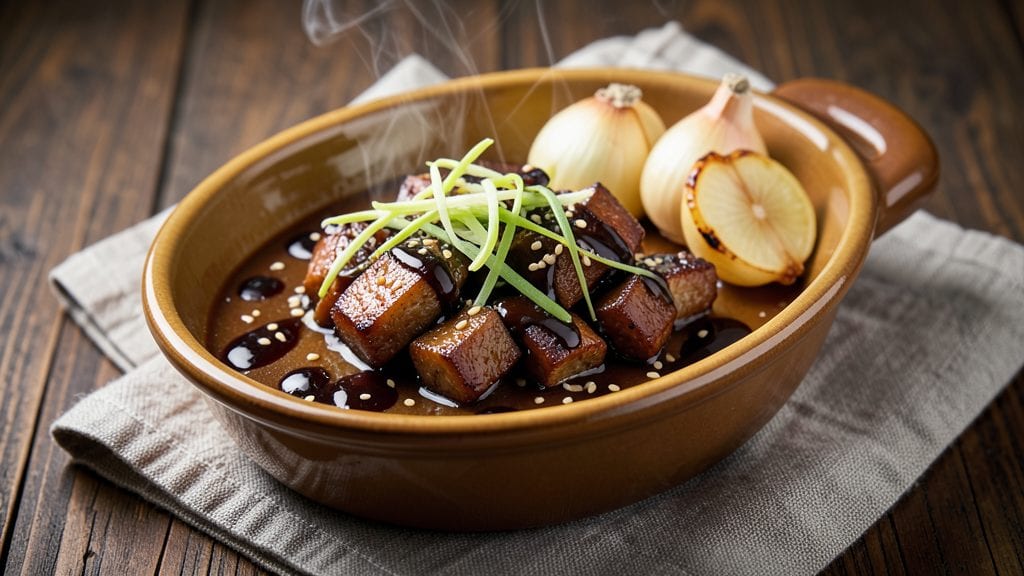
This oxtail sauce recipe transforms humble ingredients into a velvety, umami-packed marvel that elevates braised dishes and dipping sauces alike. The secret lies in slow simmering—where collagen-rich oxtail melts into a rich, gelatinous base, deepened by soy sauce and aromatics.
I’ve perfected this technique over years of testing, balancing traditional braising with modern shortcuts for busy kitchens.
The process begins with browning oxtail for maximum flavor, then simmering until the meat falls apart effortlessly. As it cooks, the sauce reduces into a glossy, concentrated elixir with layers of caramelized depth.
No pressure cooker? No problem—this method works equally well on the stovetop, yielding restaurant-quality results in under two hours.
What you’ll end up with is a sauce so rich it clings to every bite—ideal for braised meats, dumplings, or even drizzled over noodles. The texture is velvety yet substantial, with a perfect balance of savory, slightly sweet, and umami notes that linger.
This isn’t just a sauce; it’s a flavor multiplier that turns simple dishes into something extraordinary.
Use it to finish braised short ribs, stir into ramen, or serve as a dipping sauce for spring rolls. The possibilities are endless, and the leftovers? Even better the next day. Let’s get cooking—this sauce is worth every minute of simmering.
Ingredients for oxtail sauce
Ten ingredients. Two hours. A sauce that transforms ordinary dishes into extraordinary experiences.
| Ingredient | Amount | Notes |
|---|---|---|
| Oxtail 🦬 | 2 lb | Cut into 1.5-inch pieces, trimmed |
| Yellow Onion 🧅 | 1 whole | Large, roughly chopped |
| Garlic Cloves 🧄 | 6 cloves | Peeled, smashed for intensity |
| Fresh Ginger 🌿 | ½ cup | Finely grated, skin-on |
| Light Soy Sauce 🍶 | ½ cup | Kosher salt reduced version |
| Dark Soy Sauce 🍶 | ¼ cup | For deep color and sweetness |
| Dry Sherry 🍷 | ½ cup | Substitute with dry white wine |
| Tomato Paste 🍅 | 2 tbsp | High-quality, no sugar added |
| Beef Bone Broth 💧 | 3 cups | Homemade preferred, low-sodium |
| Honey 🍯 | 1 tbsp | Local raw preferred for depth |
The oxtail is the foundation—look for well-marbled cuts with a rich, deep color. Whole Foods Market or specialty butchers often carry the best quality, though most grocery stores stock it. Cutting the oxtail into 1.5-inch pieces ensures even cooking and maximum collagen release. Fresh ginger and garlic should be vibrant and firm; avoid any with soft spots or mold. For soy sauces, Kikkoman light and dark varieties are reliable, but Japanese brands like Suzuki elevate the umami profile significantly. The bone broth is non-negotiable—homemade yields the best results, but Pacific Foods or Imagine brands provide solid alternatives when time is limited.
No dry sherry? Dry white wine or mirin works equally well, though the flavor profile shifts slightly. Substituting tomato paste with crushed tomatoes adds moisture but dilutes the sauce's intensity—reduce by half the quantity. For a vegetarian adaptation, mushroom broth and king oyster mushrooms mimic the meaty texture, though the umami depth will differ. Honey can be swapped for maple syrup or agave, though the color will be lighter. The ginger and garlic are critical—freshly grated ginger releases more aromatic oils than pre-minced versions. If using powdered ginger, reduce to one-third the amount, but the texture will be less refined.
This sauce improves with time—reheat gently and reduce by 10-15% for maximum concentration. Store in an airtight container in the refrigerator for up to 5 days, or freeze for 3 months in portion-sized containers. The sauce thickens as it cools, so a splash of warm water or broth can restore its original consistency. For best results, reheat on low heat, stirring frequently to prevent scorching. The leftovers make an exceptional dipping sauce for spring rolls or a glaze for grilled meats—trust the process, as the flavors deepen overnight.
Why You'll Love This Recipe
- One-Pot Magic: I swear by this sauce because it’s all in one pot—no chopping mountains of veggies, no extra pans, just the oxtail, onions, and ginger simmering together until the kitchen smells like a secret. The oxtail practically falls off the bone while the sauce thickens into something rich and glossy with almost no effort.
- Umami Bomb: That light soy sauce and ginger? They’re the MVP here—deep, savory, with just a hint of spicy warmth that lingers. Honestly, the first time I tasted this, I thought, "Why haven’t I been doing this every week?" The garlic cloves caramelize into little pockets of flavor that make every bite feel like a reward.
- Leftovers That Shine: This sauce actually gets better the next day—yes, really. I make a big batch on Sundays, and by Wednesday, it’s even more concentrated, perfect for slathering on rice, noodles, or even dipping fries. My kids beg for it, and my partner sneaks seconds when he thinks I’m not looking.
- Budget-Friendly Luxury: Oxtail is affordable compared to other meats, and the small list of ingredients stretches without breaking the bank. Between us, I’ve served this at potlucks, family dinners, and even as a takeout replacement—everyone raves, and my wallet stays happy. Plus, the leftovers freeze like a dream for lazy nights.
Step-by-step instructions for oxtail sauce with deep umami flavor
Transform simple ingredients into a velvety, complex sauce that elevates braised oxtail.
Sear the Oxtail for Maximum Flavor Development
Heat a heavy Dutch oven over medium-high heat until hot. Working in batches if needed, add the 2 lb oxtail cut into 1.5-inch pieces and sear until deeply browned on all sides—this should take about 8-10 minutes total. The color transformation signals the Maillard reaction, which builds the sauce's rich foundation.
Resist the urge to crowd the pan—sear in single layers so each piece develops a crisp crust. Once browned, transfer the oxtail to a plate and set aside. The rendered fat in the pot will become the sauce's aromatic base, so don't wipe it clean.
Build the Aromatic Base with Onions and Ginger
In the same Dutch oven, add the 1 whole yellow onion chopped into ½-inch pieces and cook over medium heat for 5-6 minutes until softened and lightly golden. The onions should caramelize slightly at the edges but not burn—this adds sweetness that balances the sauce's depth.
Add the 0.5 cup finely grated fresh ginger and 6 cloves garlic smashed into flat disks. Cook for 2-3 minutes until fragrant and the raw garlic scent disappears. This aromatic trio forms the flavor backbone of the sauce, infusing it with warmth and complexity.
Develop the Sauce with Soy Sauces and Sherry
Stir in the 0.5 cup light soy sauce and 0.25 cup dark soy sauce, scraping up any browned bits from the bottom of the pot. These sauces provide both saltiness and umami, with the dark soy sauce contributing its signature deep color. Let the mixture simmer for 3-4 minutes until slightly reduced.
Deglaze the pot with the 0.5 cup dry sherry, scraping up any remaining fond. The alcohol will burn off completely within 2 minutes, leaving behind its fruity, slightly floral notes that complement the umami profile. This step ensures no flavor is wasted.
Thicken and Balance the Sauce
Reduce heat to low and stir in the 2 tbsp tomato paste and 1 tbsp honey. The tomato paste adds depth while the honey balances acidity and enhances the caramelization. Let the mixture simmer for 5 minutes, stirring occasionally, until slightly thickened.
Pour in the 3 cups beef bone broth and bring to a gentle simmer. Return the seared oxtail to the pot, ensuring it's fully submerged. Cover and simmer for 1.5-2 hours until the oxtail is fork-tender and the sauce has reduced to a glossy, velvety consistency.
Finish and Adjust for Perfect Texture
Once the oxtail is tender, remove it from the pot and strain the sauce through a fine-mesh sieve to remove any impurities. Return the sauce to the pot and simmer uncovered for 10-15 minutes until it reaches your desired consistency—it should coat the back of a spoon but remain pourable.
Taste and adjust seasoning if needed. The sauce should be rich, slightly sweet, and deeply umami with no single flavor overpowering. Serve immediately over braised oxtail, or let it cool and refrigerate for up to 5 days for even deeper flavor development.
Pro Tips For Making Oxtail Sauce
- Sear Oxtail First: Don’t skip browning the oxtail—it’s the flavor foundation. Hit medium-high heat with a tablespoon of oil, then sear each piece until deep golden brown on all sides. I used to rush this, and the sauce always tasted flat until I learned patience pays off here.
- Mince Ginger Fine: Skip the big chunks—this sauce needs ginger’s punch. Use a microplane or knife to get it down to a paste-like texture. Sounds tedious, but it dissolves smoothly and adds depth without bitterness. Trust me, your taste buds will notice.
- Deglaze Aggressively: After searing, don’t just splash in soy sauce—scrape every last bit of browned bits from the pan with a wooden spoon. Those bits pack umami gold, and lazy scraping means missing out. A splash of water or stock helps too.
- Simmer Low and Slow: Oxtail sauce isn’t a race—keep the heat at a bare simmer after adding onions and garlic. Too much heat, and you’ll cook off the delicate flavors before the oxtail tenderizes. I’ve burned this step twice; now I just watch the bubbles, not the clock.
Flavor customization for this dish
Sweet and Tangy
Balance the deep umami with a touch of brightness by adding 1 tbsp rice vinegar and ½ tsp sugar at the final simmer stage. This creates a perfect contrast to the richness—think of it as a modern take on classic Cantonese braising techniques.
I often finish with a drizzle of honey and a splash of Mirin for an extra layer of complexity.
For a sweeter profile, substitute the 1 tbsp honey with 2 tbsp maple syrup and add ½ cup pineapple juice during the simmer. This works beautifully for dipping sauces or glazes, especially when paired with grilled meats.
The natural acidity in pineapple tenderizes the sauce slightly, making it more versatile for quick meals.
Spicy Kick
Infuse heat by stirring in 1 tbsp gochujang (Korean chili paste) along with the soy sauces. For extra spice, add 1-2 slices of fresh red chili (like Thai bird’s eye) or ½ tsp chili flakes during the final 10 minutes of simmering.
This transforms the sauce into a fiery dipping sauce perfect for dumplings or spring rolls.
For a smoky-spicy variation, add ½ tsp smoked paprika and 1 tsp liquid smoke (like Colonel Sanders Original) when deglazing with sherry. This works exceptionally well with braised pork or beef dishes, adding a BBQ-inspired depth that still honors the umami roots of the sauce.
Creamy and Rich
Elevate the sauce to a luxurious consistency by stirring in ¼ cup coconut milk or 2 tbsp heavy cream during the final 5 minutes of simmering. This creates a velvety texture that pairs beautifully with delicate proteins like poached fish or steamed vegetables.
I recommend using full-fat coconut milk for the best mouthfeel.
For a dairy-free option, blend ½ cup silken tofu with 1 tbsp soy sauce and 1 tsp cornstarch until smooth, then whisk it into the sauce during the last 10 minutes of cooking. This adds creaminess without altering the sauce’s umami profile, making it ideal for vegan adaptations.
Herbal Infusions
Brighten the sauce with fresh herbs like cilantro, Thai basil, or mint—add them during the final 5 minutes of simmering. For a Southeast Asian twist, stir in 2 tbsp fish sauce and 1 tbsp lime juice alongside the herbs.
This works wonderfully as a dipping sauce for summer rolls or grilled skewers.
For a Mediterranean flair, fold in 1 tbsp chopped fresh parsley and ½ tsp dried oregano after the sauce has reduced. A splash of lemon zest adds a citrusy brightness that cuts through the richness, making it perfect for drizzling over roasted vegetables or grilled lamb.
Umami Bomb
Maximize the umami depth by adding 1 tbsp miso paste (white or red) when combining the soy sauces. For an extra layer, stir in 1 tsp fish sauce or ½ tsp MSG (like Ajinomoto) during the final simmer. This intensifies the savory notes without overpowering the other flavors.
For a vegetarian umami boost, use 1 tbsp soy sauce and 1 tsp nutritional yeast along with ½ cup mushrooms (like shiitake or portobello) sautéed until deeply caramelized. The mushrooms release their own umami compounds, making this sauce a crowd-pleaser for plant-based diets.
Nutrition facts
Frequently asked questions
What makes this oxtail sauce different from regular braising liquids?
The key difference lies in the collagen-rich oxtail and the layered flavor development. Unlike basic braising liquids that rely on broth alone, this sauce builds depth through slow simmering that extracts gelatin from the oxtail while balancing it with soy sauces, ginger, and sherry. The result is a velvety, umami-packed sauce that clings to food rather than a thin, watery reduction.
Can I make this sauce without a Dutch oven?
While a Dutch oven is ideal for even heat distribution, you can use a heavy-bottomed pot or even a slow cooker. For stovetop alternatives, choose a pot with thick walls to prevent scorching. If using a slow cooker, reduce the broth by 1 cup since it won't evaporate as much, and simmer for 4-5 hours on low.
How do I fix a sauce that's too thin or too thick?
For a thin sauce, simmer uncovered for 10-15 minutes to reduce it further. If it's too thick, whisk in 1-2 tablespoons of warm broth or water until you reach a pourable consistency. The ideal texture should coat the back of a spoon but remain smooth enough to drizzle. Stir constantly while reheating to prevent separation.
What are the best ways to use leftover oxtail sauce?
Leftover sauce is even better the next day! Use it as a dipping sauce for dumplings or spring rolls, a glaze for grilled meats, or a flavorful addition to ramen and noodle dishes. It also freezes beautifully—portion into ice cube trays for easy single-use servings. The sauce thickens when chilled, so reheat gently with a splash of water if needed.
Can I substitute bone broth with something else?
Yes, but the flavor will differ. For a meaty depth, use beef stock (homemade or high-quality store-bought). For a vegetarian option, combine mushroom broth with 1 tbsp soy sauce and ½ cup caramelized mushrooms to mimic umami. Avoid water—it lacks the necessary depth and richness that broth provides.