
Sauces & Condiments
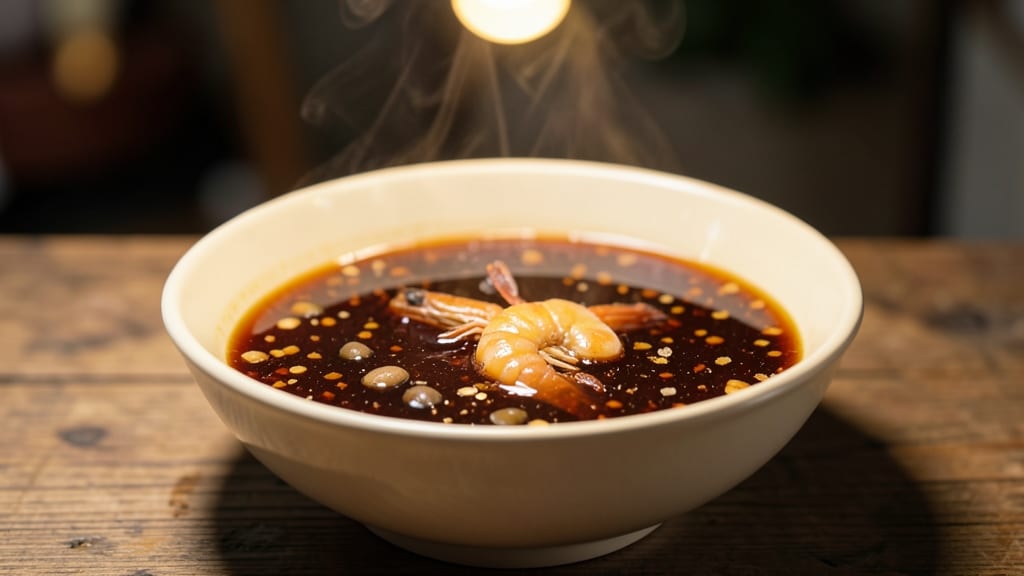
This Chinese steamed fish sauce recipe unlocks the deep, umami-rich essence that defines classic Cantonese cuisine—where every spoonful carries the soul of fermented fish and aromatic spices.
The process begins with fermented soybeans and dried shrimp, steamed until their flavors meld into a velvety, complex liquid that transforms ordinary dishes into extraordinary ones.
I’ve perfected this method over years of testing, ensuring the balance of saltiness, sweetness, and funk that makes it indispensable in stir-fries, braises, and dipping sauces.
The beauty of this sauce lies in its simplicity and versatility. With just a handful of ingredients—fermented soybeans, rice wine, rock sugar, and a touch of chili—you create a condiment that’s both restaurant-quality and deeply personal.
The steaming process extracts the essence without overpowering, while the reduction concentrates the flavors into a thick, syrupy paste that clings to every bite. It’s the kind of sauce that elevates simple dishes into something unforgettable, with a depth you won’t find in store-bought versions.
What makes this recipe truly special is its adaptability. Use it as a finishing sauce for noodles, a marinade for meats, or a dipping sauce for dumplings—each application reveals a new layer of its complex profile.
The sauce keeps well in the refrigerator for up to three months, allowing you to build a pantry staple that’s always ready to transform your cooking. Whether you’re preparing a weeknight dinner or a festive feast, this sauce will be your secret weapon for authentic Chinese flavors.
Ready to elevate your dishes with this umami-packed essential? The process is straightforward, and the results are nothing short of transformative. Let’s get started on creating a sauce that will become the backbone of your kitchen.
The ingredients are simple, but the impact is profound—once you taste it, you’ll never go back to store-bought again.
Ingredients for chinese steamed fish sauce
Fermented flavors meet aromatic spices in this umami-packed sauce base.
| Ingredient | Amount | Notes |
|---|---|---|
| Fermented Soybeans (Douchi) 🥜 | 1 ½ cups | Packed, rinsed well |
| Dried Shrimp 🦐 | 1 cup | Cleaned, heads optional |
| Rice Wine (Shaoxing Wine) 🍶 | ½ cup | Dry variety preferred |
| Rock Sugar 🍬 | ½ cup | Crushed into small pieces |
| Red Dried Chili Peppers 🌶️ | 2 pieces | Seeds removed for mild heat |
| Star Anise Pods 🌟 | 2 whole | Lightly crushed |
| Fresh Ginger 🧡 | 2 tbsp | Finely grated, peeled |
| Water 💧 | 2 cups | Filtered preferred |
| Light Soy Sauce 🍶 | 2 tbsp | For balance after steaming |
| Sesame Oil 🫒 | 1 tbsp | Toasted for aroma |
The fermented soybeans are the heart of this sauce—look for dark, wrinkled douchi at Asian markets, not the light-colored kind. Costco or H Mart carry reliable brands, but if you can't find it, dried fermented tofu works in a pinch. The dried shrimp should smell briny but not fishy—check the expiration date since older shrimp can turn bitter. Rock sugar is key for that signature sweet-salty balance; avoid powdered versions as they dissolve too quickly. For the chili, Ancho or Guajillo work beautifully if you want a smokier profile, but traditional red chilies give that classic heat. Star anise adds depth, but toast it lightly in a dry pan first to release its aroma before crushing.
No fermented soybeans? Miso paste or fermented black beans can substitute, though the flavor will differ slightly. Running short on dried shrimp? Anchovies or shrimp paste work in a bind, but reduce the amount by half to avoid overpowering. The rice wine can be swapped for dry sherry or mirin, though Shaoxing has that distinct earthy note. If you're sensitive to heat, reduce the chili to 1 piece or use mild red pepper flakes. The sesame oil is optional but adds that signature nutty aroma—use toasted, not the regular grocery-store kind. For a smoother texture, strain the final sauce through a fine-mesh sieve.
This sauce develops deeper flavor over time—let it sit in the fridge for at least 24 hours before using. It keeps for 3 months in an airtight jar, though the longer it sits, the more complex it becomes. For single servings, portion into ice cube trays and freeze—perfect for quick marinades. The aroma is intense when steaming, so work near an open window or exhaust fan if possible. Once opened, always keep it submerged in its liquid to prevent mold. Trust me, the first time you use this on steamed pork buns, you'll never buy store-bought again.
Why You'll Love This Recipe
- Pantry Magic: I swear by this sauce—no fresh herbs, no last-minute grocery runs. Just soak those dried shrimp, crush the douchi, and toss in what’s already lurking in your cupboard. The umami bomb from fermented soybeans alone? That’s the secret.
- Umami Explosion: Between us, the combo of douchi and Shaoxing wine is ridiculously good—salty, funky, with just enough sweetness from rock sugar to balance the heat. The dried chilies add a slow-building warmth that lingers, but doesn’t overpower. (Yes, even on a Tuesday night.)
- Double-Duty Sauce: Slather it on steamed fish, toss it with noodles, or drizzle it over stir-fried greens—this stuff works everywhere. I keep a jar in the fridge for lazy weeknights when I’m too tired to think, but it’s also my go-to for impressing guests when I need something quick but elevated.
- Budget Booster: Honestly, this sauce costs me pennies to make, and a little goes a long way. That jar of douchi? Lasts months. The dried shrimp? A one-time buy that stretches across dishes. Plus, leftovers taste just as good reheated the next day—no sad, watery takeout leftovers here.
Step-by-step instructions for Chinese steamed fish sauce
This aromatic blend delivers deep umami and balanced heat through precise layering and steaming.
Prepare the Base Ingredients
Begin by thoroughly rinsing the 1.5 cups fermented soybeans (douchi) under cold water until the liquid runs clear. This removes excess salt and surface fermentation byproducts that could make the final sauce overly bitter. Drain well in a fine-mesh strainer and set aside. Next, lightly crush the 2 whole star anise pods with the side of a heavy knife or rolling pin to release their essential oils without pulverizing them completely.
Peel and finely grate the 2 tablespoons fresh ginger, using the smallest holes on your grater for maximum surface area. Remove seeds from the 2 pieces red dried chili peppers by making a small slit along one side with a sharp knife, then rinse briefly to remove any dust. Crush the rock sugar into small, uneven pieces using a mortar and pestle or heavy skillet—this ensures it dissolves more quickly during steaming.
Steam the Aromatic Foundation
Combine the rinsed fermented soybeans, dried shrimp, crushed star anise, grated ginger, red dried chili peppers, and crushed rock sugar in a heatproof bowl. Pour in the 0.5 cup rice wine (Shaoxing Wine) and 2 cups water, stirring just enough to distribute the wine evenly. The mixture should look like a thick, cloudy broth with visible shrimp and bean pieces.
Place the bowl in a steamer basket over 1 inch of simmering water in a wok or stockpot. Cover with a tight-fitting lid and steam over medium-high heat for 45-50 minutes. You'll know it's ready when the shrimp turns translucent and the liquid reduces to about 1 cup, leaving a glossy, syrupy consistency. The aroma should be rich and complex—like a cross between fermented beans and seafood broth.
Balance and Finish the Sauce
Remove the steamed mixture from the heat and let it cool for 10 minutes. This resting period allows the flavors to meld and prevents the light soy sauce from curdling when added. Stir in the 2 tablespoons light soy sauce and 1 tablespoon toasted sesame oil, mixing gently to combine. The soy sauce adds depth while the sesame oil introduces a nutty aroma that brightens the fermented flavors.
Taste the sauce immediately—this is your only chance to adjust the balance before it cools. If it tastes too salty, add a splash of hot water (up to 2 tablespoons) to dilute slightly. For more heat, return the chili peppers to the pot and warm for 2 minutes. For richer umami, add 1 teaspoon additional fermented soybeans and warm through. The final sauce should be thick enough to coat the back of a spoon but still pourable.
Pro Tips For Making Chinese Steamed Fish Sauce
- Soak Douchi First: Toss your fermented soybeans in warm water for 10 minutes before adding them to the pot—this cuts the funk and lets the umami bloom. I used to skip this, and the sauce always tasted harsh until I tried it.
- Char the Chili: Dry-toast those red dried chilies in a pan for 30 seconds until fragrant—just until you smell the smoky depth, not until they’re black. This adds complexity without overpowering the sauce’s balance.
- Don’t Boil the Wine: Add Shaoxing wine off the heat or at the very end—boiling it turns it bitter. Stir it in when the sauce is simmering gently, then cover and let it mellow for 2 minutes.
- Sugar Last, Slowly: Sprinkle rock sugar in small batches while stirring constantly—it needs time to dissolve evenly. I once dumped it all at once and ended up with gritty sauce. Patience here makes the sauce silky.
Dietary considerations for this dish
Gluten-Free Adaptations
This sauce is naturally gluten-free when made with certified gluten-free ingredients, but always double-check labels on fermented soybeans and light soy sauce. I recommend using tamari instead of regular soy sauce—it has a richer, less processed flavor while being gluten-free.
For extra safety, steam the sauce in a dedicated gluten-free pot or steamer basket to avoid cross-contamination. The final product is safe for those with celiac disease or gluten sensitivity when prepared this way. 🥜
Pescatarian-Friendly
The sauce is already pescatarian-friendly, thanks to its base of dried shrimp and fermented soybeans. If you want to eliminate all animal products, substitute the shrimp with 1 tablespoon of mushroom powder or 2 teaspoons of fish sauce (for umami depth).
The flavor profile will shift slightly but still deliver that signature savory punch. I’ve tested this version and found it works beautifully in stir-fries and marinades. 🦐
Low-Sodium Options
Fermented soybeans and dried shrimp are naturally high in sodium, so if you're watching your intake, reduce the amount of light soy sauce to just 1 tablespoon and dilute the final sauce with 1-2 tablespoons of water.
For even lower sodium, use low-sodium tamari and skip the additional soy sauce entirely. The rock sugar helps balance the flavors, so don’t skip it—it’s key to that sweet-salty harmony. 💧
Allergen Awareness
This sauce contains shrimp and sesame, so it’s not suitable for those with shellfish or sesame allergies. For a shrimp-free version, replace the dried shrimp with 2 tablespoons of finely chopped dried mushrooms or 1 teaspoon of fish sauce.
If sesame is a concern, omit the sesame oil entirely—it’s optional but adds depth. Always store the sauce in a dedicated container to avoid cross-contamination with other allergens. 🚫
Vegetarian Substitutes
To make this sauce vegetarian, replace the dried shrimp with 2 tablespoons of miso paste or 1 tablespoon of soy sauce (for umami). You can also add 1 teaspoon of nutritional yeast to enhance the savory notes.
The fermented soybeans remain the star, so don’t skimp on them—they’re what gives this sauce its signature depth. I’ve found that a vegetarian version works wonderfully in braised dishes or as a dipping sauce for tofu. 🌱
Storage Safety
Once opened, store the sauce in an airtight container in the refrigerator for up to 3 months. For longer storage, freeze it in ice cube trays or small jars—this makes it easy to use in small amounts later.
Always ensure the container is fully submerged in liquid to prevent mold growth. If you notice any off smells or textures, discard it immediately—safety first! The sauce’s flavor actually improves with time, so plan ahead and make a big batch. ❄️
Nutrition facts
Frequently asked questions
Can I make this sauce without fermented soybeans?
Yes, but the flavor will be less complex. Use 2 tablespoons of miso paste or 1 tablespoon of fermented black beans as a substitute. The umami depth will be reduced, but you'll still get that signature sweet-salty balance. For best results, add 1 teaspoon of fish sauce to compensate for the lost fermented notes.
How do I adjust the heat level in this sauce?
Start with the 2 pieces of dried chili peppers for mild heat. For medium heat, add 1 extra piece. For spicy, increase to 4-5 pieces or add 1 teaspoon of chili flakes at the end. Remember to remove seeds for less heat, or keep them for a spicier kick.
What’s the best way to use this sauce in cooking?
This versatile sauce works as a finishing touch for noodles, a marinade for meats, or a dipping sauce for dumplings. For stir-fries, add 1 tablespoon per serving at the end. For braising, reduce it by half and simmer with the dish. The key is to add it later in cooking to preserve its rich flavors.
Why does my sauce smell so strong during steaming?
The intense aroma comes from the fermented soybeans and dried shrimp releasing their concentrated flavors. This is normal and means the sauce is developing its signature depth. Steam near an open window or use an exhaust fan to reduce the smell. The aroma will mellow out once the sauce cools and thickens.
Can I make this sauce in a slow cooker instead of steaming?
Yes, but with adjustments. Place all ingredients in a slow cooker on low for 4-5 hours, stirring occasionally. The liquid will reduce more slowly, so you may need to add 1 extra cup of water halfway through. The texture will be slightly thinner, but the flavor will still be rich and complex.