
Sauces & Condiments
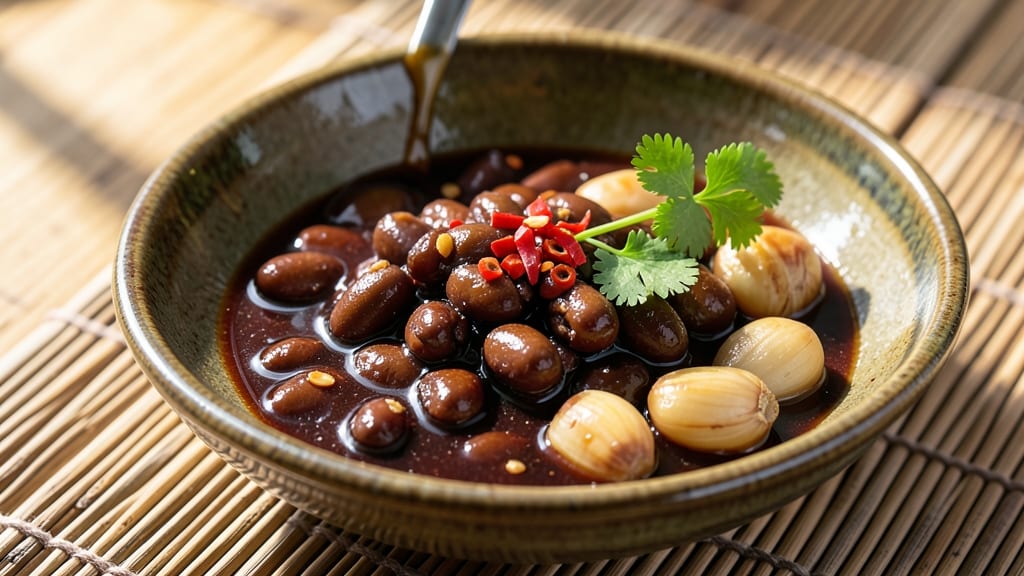
This authentic Chinese black bean sauce transforms ordinary dishes into restaurant-quality meals with its deep umami richness and tangy balance. The secret lies in fermented black beans (douchi), which develop complex flavors over time—think salty, funky, and slightly sweet all at once.
Unlike store-bought versions, this homemade recipe builds layers of depth through slow simmering and vinegar harmony, making it the perfect sauce for stir-fries, noodles, or braised dishes.
The process is straightforward but requires patience: toasted spices and fermented beans form the base, then simmered with soy sauce, sugar, and vinegar until thick and glossy. What sets this sauce apart is the fermentation step, which unlocks an authentic flavor profile you won’t find in bottled substitutes.
The result? A dark, aromatic sauce that clings to ingredients, enhancing their natural taste without overpowering them.
Once made, this sauce keeps for weeks in the fridge, allowing flavors to mature and intensify. Use it as a glaze for meats, a stir-fry sauce, or a dipping sauce for dumplings—its versatility makes it a pantry staple.
The balance of sweet, salty, and tangy notes ensures every dish feels elevated, whether you’re cooking for family or impressing guests.
For best results, let the sauce rest overnight before using. This waiting period deepens the flavors, ensuring a restaurant-quality finish. Pair it with braised pork, steamed fish, or even a simple bowl of noodles for an instant taste of China’s culinary tradition.
Ingredients for authentic chinese black bean sauce
Nine core ingredients unlock the deep umami and tangy harmony of this authentic Chinese sauce.
| Ingredient | Amount | Notes |
|---|---|---|
| Fermented Black Beans (Douchi) 🫘 | ½ cup | Store-bought or homemade fermented |
| Dark Soy Sauce 🥄 | ¼ cup | For deep color and umami |
| Light Soy Sauce 🥄 | ¼ cup | Balances saltiness |
| Rice Vinegar 🍶 | ¼ cup | White or seasoned vinegar |
| Brown Sugar 🍯 | ¼ cup | Packed, for sweetness |
| Garlic Cloves 🧄 | 6 cloves | Minced, for aromatic depth |
| Fresh Ginger 🌿 | 1 tbsp | Grated, for zesty warmth |
| Star Anise Pods 🌟 | 2 whole | Lightly crushed for aroma |
| Cinnamon Stick 🌳 | 1 whole | For subtle warmth |
| Water 💧 | 1 cup | For simmering and thinning |
The fermented black beans (douchi) are the heart of this sauce—look for dark, wrinkled beans at Asian markets or specialty stores. Penzeys or H Mart carry high-quality options. If using homemade fermented beans, ensure they’ve fermented for at least 3 months for optimal funk. The soy sauces should be dark and light varieties—avoid low-sodium versions, as they dilute the umami. Star anise and cinnamon add aromatic depth, but don’t over-toast them—they should infuse, not dominate. For garlic and ginger, fresh is non-negotiable; pre-minced jars lack the bright flavor needed here.
No fermented black beans? Miso paste or soy sauce with a splash of vinegar can mimic some of the funk, though the depth won’t be identical. Swap brown sugar for honey or maple syrup if preferred, but reduce by 1 tbsp to account for sweetness variations. Star anise or cinnamon unavailable? Cloves or cardamom add warmth, but adjust to taste. The rice vinegar can be substituted with apple cider vinegar or balsamic, though white vinegar’s sharpness is ideal. For a quicker version, omit the spices entirely—just soy, vinegar, sugar, and beans—but you’ll miss the layered complexity.
This sauce thickens as it cools, so add water gradually if it’s too stiff. Store in a sealed jar in the fridge for up to 3 weeks, where flavors deepen over time. For longer storage, freeze in ice cube trays—thaw and stir before use. The sauce improves with age, so make a double batch if you’ll use it frequently. Always stir before serving, as settled spices can create texture variations. Pair with braised meats, noodles, or steamed vegetables for an authentic touch.
Why You'll Love This Recipe
- Pantry Magic: I swear by this sauce—no fresh herbs, no fancy prep. Just those fermented black beans (yes, they smell funky but taste amazing), a splash of vinegar, and a few minutes of simmering. Honestly, it’s the kind of recipe that turns "I don’t feel like cooking" into "I made something that tastes like a restaurant."
- Umami Bomb: That first bite? The dark soy and fermented beans hit with a salty, funky depth that’s impossible to resist. The brown sugar cuts through the richness just enough to make it dangerously good on everything—no one will guess it’s basically just pantry staples.
- Weeknight Workhorse: Drizzle it over stir-fries, toss it into noodles, or even slather it on grilled chicken. I’ve used it as a quick marinade, a dipping sauce, and even glaze for roasted veggies. Between us, it’s my secret weapon for when I’m too tired to plan but still want flavor.
- Budget Stretch: A single batch lasts me weeks—I keep it in the fridge and add a splash to whatever I’m cooking. The black beans and soy sauce are cheap, but they pack enough punch to make even the simplest meal feel special. (Yes, even on a Tuesday night.)
Step-by-step instructions for authentic Chinese black bean sauce
Here's the method for crafting a sauce rich with fermented depth and balanced harmony.
Prepare the Fermented Black Beans
Rinse the 0.5 cup Fermented Black Beans (Douchi) under cold water to remove any loose debris, then drain well. Place them in a small saucepan and cover with 1 cup Water. Bring to a gentle simmer over medium heat and cook for 10 minutes until the beans soften and release their fermented aroma into the liquid. You'll notice the water turning slightly cloudy and developing a distinctive funky, umami-rich scent—this is essential for authentic flavor.
Once softened, use a spoon to mash the beans against the side of the pan, breaking them into small pieces while keeping some texture. This releases their concentrated flavors into the cooking liquid. Keep the pan on the stove—you'll be using this mixture immediately for the next step. The beans should be broken down but not completely dissolved into the liquid.
Build the Flavor Base
Add the 0.25 cup Dark Soy Sauce, 0.25 cup Light Soy Sauce, and 0.25 cup Brown Sugar to the saucepan with the mashed black beans. Stir well to combine, then increase the heat to medium-high and bring the mixture to a boil. As it heats, you'll see the sugars begin to caramelize slightly, deepening the sauce's color and adding complexity.
Once boiling, reduce the heat to medium-low and let it simmer for 8-10 minutes, stirring occasionally. This allows the flavors to meld together while the sugar dissolves completely. You're looking for a smooth, syrupy consistency with no graininess remaining. The sauce should smell intensely of fermented beans, soy, and sweetness—this is your aromatic foundation.
Incorporate Aromatics and Spices
While the sauce simmers, mince the 6 cloves Garlic Cloves and grate the 1 tbsp Fresh Ginger. Lightly crush the 2 whole Star Anise Pods with the side of a knife and break the 1 whole Cinnamon Stick into smaller pieces. Add these aromatics to the saucepan and stir gently to distribute them evenly.
Simmer for another 5-7 minutes until the garlic becomes fragrant and the spices infuse the sauce with their warm, earthy notes. The star anise and cinnamon will dissolve slightly, contributing their subtle sweetness and depth. You'll notice the sauce thickening slightly as it reduces—this is normal and desirable. Taste the sauce at this point; it should be rich, slightly sweet, and deeply umami with a hint of spice.
Balance with Vinegar and Finish
Pour in the 0.25 cup Rice Vinegar and stir well. The vinegar will brighten the sauce, cutting through the richness and adding a tangy contrast. Simmer for an additional 3-5 minutes until the sauce reaches your desired consistency—it should coat the back of a spoon but still be pourable. If it thickens too much, add 1-2 tablespoons of water to adjust the texture.
Remove the sauce from heat and let it cool slightly. Strain through a fine-mesh sieve to remove the star anise pods and cinnamon stick pieces, pressing gently with a spoon to extract all the flavor. Discard the solids. The finished sauce should be smooth, glossy, and deeply aromatic with layers of fermented bean funk, soy umami, sweetness, and vinegar brightness. Store in an airtight container in the refrigerator for up to 2 weeks or freeze for longer storage.
Pro Tips For Making Authentic Chinese Black Bean Sauce
- STIR CONSTANTLY ON HIGH HEAT: The first 2 minutes are where flavor happens—don’t let the black beans stick. I used to walk away for "just a second," and suddenly I had a bitter, burnt mess. Keep the wok or pan moving at a steady pace until the douchi turns glossy and dark brown.
- SOAK THE DOUCHI FIRST: Rinse the fermented black beans under cold water, then let them soak for 10 minutes in warm water. This cuts the saltiness and washes away excess debris—trust me, you’ll taste the difference. Skip this, and your sauce will taste harsh instead of rich.
- USE DARK SOY SAUCE LAST: Add the dark soy sauce only in the final 30 seconds of cooking. It’s not just for color—it burns easily and can turn your sauce bitter if introduced too early. Save it for the end to get that glossy, deep mahogany finish.
- BALANCE THE VINEGAR: Taste before adding rice vinegar—it’s easy to overdo it. Start with half the amount listed in the recipe, then adjust. Too much, and your sauce will taste sharp and unbalanced; too little, and it’ll lack brightness. I’ve ruined batches both ways.
Regional styles of this dish
Cantonese Style
In Cantonese cuisine, black bean sauce is often used as a glazing sauce for meats like char siu (Chinese BBQ pork) or as a dipping sauce for dim sum.
The key difference here is the addition of honey or rock sugar (about 2 tbsp) to create a glossy, slightly sticky finish. I like to add 1 tsp sesame oil at the end for extra depth.
This version is sweeter and less tangy, balancing the fermented funk with a smoother finish. 🍯
Sichuan Spicy Twist
Sichuan chefs transform black bean sauce into a spicy, aromatic condiment by adding 1 tbsp chili bean paste and 1 tsp Sichuan peppercorns (toasted and crushed) during the simmer. The heat level is controlled with 1-2 tsp gochujang for depth.
This version pairs perfectly with mapo tofu or dry-fried noodles, where the sauce’s funky-sweet profile cuts through the spice. 🌶️
Fujian Light Version
Fujian cuisine favors a lighter, more delicate black bean sauce, often used in steamed fish or seafood stir-fries. Reduce the soy sauce to 0.125 cup each and replace brown sugar with 1 tbsp honey.
Add 1 tsp Shaoxing wine and 1 thin slice of fresh ginger (not grated) for brightness. The sauce should be thin and glossy, almost like a light gravy, allowing the natural flavors of seafood to shine. 🐟
Hong Kong Market Sauce
Hong Kong street vendors use a simplified, bold version of black bean sauce for quick dishes like fried rice or noodle soups. Skip the spices entirely and increase the fermented black beans to 0.75 cup for an intense umami punch.
Add 1 tbsp dark soy sauce and 1 tsp black vinegar for a deeper, funkier profile. This sauce is thicker and saltier, designed to stand up to bold flavors like char siu or crispy pork belly. 🏙️
Taiwanese Sweet-Savory
Taiwanese black bean sauce often includes peanut butter (about 1 tbsp) for a nutty richness, making it ideal for peanut chicken or stir-fried greens. Reduce the vinegar to 2 tbsp and add 1 tsp five-spice powder for warmth.
The sauce should have a slightly grainy texture from the peanuts, adding crunch to every bite. This version is sweeter and more aromatic, perfect for balancing spicy or tangy dishes. 🥜
Nutrition facts
Frequently asked questions
What makes this black bean sauce different from store-bought versions?
This homemade recipe uses fermented black beans (douchi) and slow simmering to develop authentic depth, unlike bottled sauces that often contain preservatives and artificial flavors. The fermentation process creates complex, funky umami notes that store-bought versions can't replicate. Plus, you control the sweetness, saltiness, and tanginess to suit your taste!
Can I substitute fermented black beans if I can't find them?
For a similar funky flavor, try miso paste (2 tbsp) or soy sauce with 1 tsp vinegar, though the texture and depth won't be identical. If you're short on time, black bean paste (1 tbsp) can work in a pinch, but it lacks the fermented complexity. The sauce will still taste good but won't have that authentic Chinese restaurant quality.
How long should I let the sauce sit before using it?
For best flavor, let it rest in the fridge for at least 4-6 hours (overnight is ideal). This allows the spices and fermented beans to meld together, deepening the umami and balancing the sweet-tangy notes. The sauce will thicken as it cools—stir well before using. Patience here makes all the difference!
What are the best dishes to use this sauce with?
This versatile sauce works perfectly with stir-fried noodles, braised pork, steamed fish, or as a dipping sauce for dumplings. Try it on char siu (Chinese BBQ pork) or toss it with green beans and mushrooms for a quick side dish. The rich, tangy flavor enhances both meaty and vegetarian dishes beautifully.
Can I adjust the spice level in this sauce?
Yes! For extra heat, add ½ tsp red pepper flakes or 1 tsp chili bean paste during the final simmer. If you prefer less spice, simply omit the star anise and cinnamon or reduce them to 1 pod each. The vinegar already provides tanginess, so balance carefully—you want the funky bean flavor to shine through.