
Sauces & Condiments
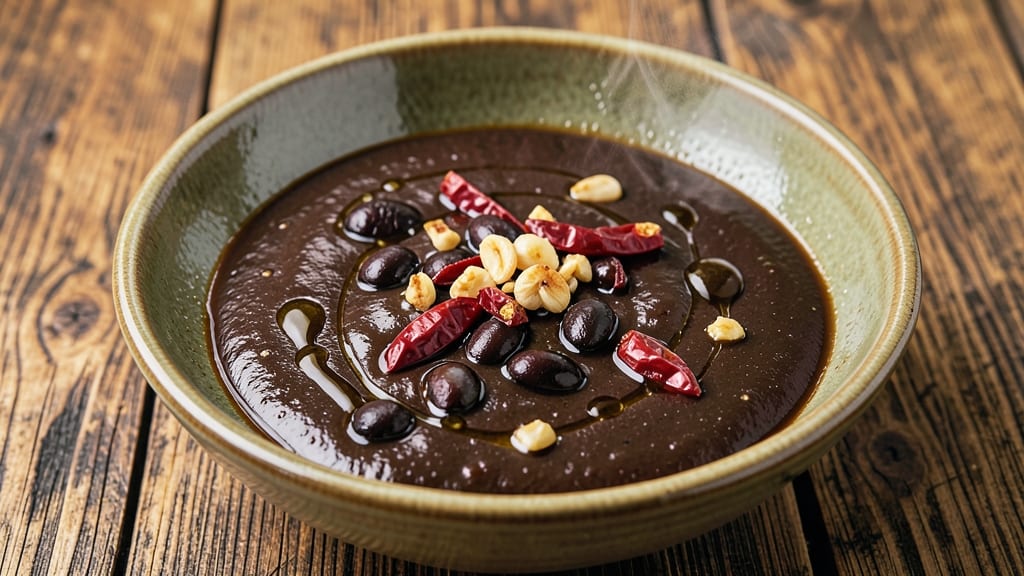
This authentic black bean sauce delivers the deep, fermented complexity that transforms simple dishes into restaurant-quality meals. The key lies in fermented black beans—naturally rich in umami—blended with garlic, chili, and soy sauce for a balance of earthy, tangy, and slightly spicy notes.
Unlike store-bought versions, this sauce builds flavor through fermentation, creating layers of depth that stand up to bold ingredients like tofu, noodles, or grilled vegetables.
The process is straightforward but requires patience: soaking and fermenting the beans for 2–3 days unlocks their full potential, while a simple blend of oil, vinegar, and spices ensures a smooth, versatile consistency.
Whether you're drizzling it over stir-fries, using it as a dipping sauce, or incorporating it into soups, this sauce elevates every bite with its authentic, umami-packed profile. The result is a condiment that’s as functional as it is flavorful, with a shelf life of weeks when stored properly.
What sets this sauce apart is its adaptability—use it as a quick marinade, a stir-fry base, or a bold dipping sauce for spring rolls. The fermentation process isn’t just about flavor; it also enhances digestibility and nutritional value, making this sauce a healthier alternative to processed condiments.
For those new to fermented foods, the step-by-step method ensures success without guesswork, delivering a sauce that’s as impressive as it is easy to make.
Once you taste the difference, you’ll never go back to bottled versions. The earthy umami kick comes from the fermented beans, while the garlic and chili add brightness and heat, creating a sauce that’s both complex and approachable.
Perfect for vegans, vegetarians, or anyone craving bold, authentic flavors—this recipe is a game-changer for home cooks looking to cook with depth and intention.
Ingredients for authentic black bean sauce
Ten ingredients transform humble black beans into a restaurant-quality fermented sauce bursting with umami depth.
| Ingredient | Amount | Notes |
|---|---|---|
| Fermented Black Beans 🫘 | 1 ½ cups | Packed, rinsed and drained |
| Garlic Cloves 🧄 | 6 cloves | Fresh, peeled and minced |
| Dried Red Chilies 🌶️ | 2 pieces | Seeds removed for mild heat |
| Light Soy Sauce 🍶 | ½ cup | Kikkoman preferred for balance |
| Rice Vinegar 🍶 | ¼ cup | White or seasoned variety |
| Sesame Oil 🫒 | 1 tbsp | Toasted for aroma |
| Ginger Root 🌿 | 1 tbsp | Freshly grated |
| Cane Sugar 🍯 | 1 tbsp | Or agave nectar |
| Extra-Virgin Olive Oil 🫒 | ½ cup | High quality, fruity |
| Asian Pearl Onion 🧅 | ½ cup | Thinly sliced, white parts |
Fermented black beans are the heart of this sauce, and quality matters. Look for organic, non-GMO dried black beans from brands like Three Sisters or Eden Foods—they ferment more predictably. If you can't find pre-fermented beans, soak 1 cup dried black beans overnight, then ferment for 2–3 days in a jar with 1 tsp salt and 1 tsp water. Asian markets often carry pre-fermented versions, which save time. The garlic and ginger should be vibrant—no yellowing or sprouting. For chilies, dried guajillo or arbol add complexity, but any dried red chili works in a pinch.
No fermented beans? Miso paste at half the amount mimics umami depth, though texture differs. Light soy sauce can be swapped for tamari or coconut aminos for gluten-free adaptability. Sesame oil is non-negotiable for aroma, but if unavailable, toasted sesame seeds at 1 tsp work. The sugar balances acidity—maple syrup or coconut sugar are direct substitutes. For heat control, remove chili seeds entirely for mild versions or add 1/4 tsp cayenne for extra kick. The onion can be subbed with 1 tbsp green onion tops for freshness.
This sauce develops deeper flavor with time—3–5 days in the fridge is ideal. Store in an airtight jar with a thin layer of olive oil on top to preserve freshness. Keeps for up to 3 weeks refrigerated or 6 months frozen. For long-term storage, freeze in ice cube trays—perfect for single-use portions. Reheat gently over low heat, stirring frequently to prevent separation. The sauce thickens as it cools, so thin with water or vinegar as needed.
Why You'll Love This Recipe
- Five-Ingredient Magic: I swear, this sauce comes together with just a handful of pantry staples—no fancy shopping required. The fermented black beans do all the heavy lifting, so you’re basically simmering flavor in one pot while I scroll through my phone.
- Umami Bomb: That first taste? It’s like a punch to the flavor gods. The garlic and dried chilies sing when they hit the fermented beans—deep, funky, and just a little spicy without overpowering. Honestly, I’ll take a spoonful straight from the pan.
- Dinner Party Hack: Slather it on grilled meats, toss it with noodles, or drizzle it over steamed veggies—this stuff works everywhere. I’ve used it for weeknight stir-fries and even as a dip for spring rolls at gatherings. No one ever asks what’s in it; they just ask for seconds.
- Leftovers That Love You: Make a big batch and store it for weeks—yes, weeks. The flavors actually get better as it sits, and it’s cheaper than takeout. I’ll be real: I’ve reheated this sauce three times before it’s gone, and my wallet thanks me every time.
Step-by-step instructions for authentic black bean sauce
Transform simple ingredients into a complex, fermented sauce with deep umami and balanced heat.
Toast Aromatics for Foundation
Heat the 0.5 cup extra-virgin olive oil in a heavy-bottomed saucepan over medium-low heat. Add the 6 cloves minced garlic cloves and 2 pieces dried red chilies (seeds removed), stirring constantly for 2-3 minutes until the garlic turns golden and the chilies darken slightly. This slow toasting prevents burning while developing rich flavor compounds.
Next, add the 0.5 cup thinly sliced Asian pearl onion and cook for another 3 minutes until softened but not browned. The onions should release their sweetness without caramelizing. Remove the pan from heat and set aside—these aromatics form the flavor backbone of your sauce.
Build the Fermented Bean Base
Return the pan to medium heat and add the 1.5 cups packed, rinsed fermented black beans. Cook for 5 minutes while stirring occasionally, allowing the beans to break down slightly and release their fermented depth. You'll notice a tangy aroma developing—this is the signature umami kick of authentic fermented sauces.
Add the 1 tbsp freshly grated ginger root and 1 tbsp cane sugar, stirring to combine. The sugar helps balance the fermented tang while the ginger adds warmth. Cook for another 2 minutes until the mixture becomes fragrant and slightly thickened from the beans' natural starches.
Balance Flavors with Liquid Components
Pour in the 0.5 cup light soy sauce and 0.25 cup rice vinegar, stirring vigorously to incorporate. The vinegar brightens the sauce while the soy sauce deepens the umami. Simmer for 5-7 minutes until the liquid reduces by about half and the sauce thickens to a glossy consistency.
Finally, stir in the 1 tbsp toasted sesame oil. This final addition enhances nutty aroma and helps emulsify the sauce. Taste and adjust seasoning—you may need a pinch more salt if your soy sauce was particularly light. The sauce should be tangy, slightly sweet, with a subtle heat from the chilies.
Refine Texture and Finish
Transfer the sauce to a blender or food processor and purée until completely smooth. For a more rustic texture, use an immersion blender directly in the pan. Return the sauce to the pan and simmer gently for 3-5 minutes to allow flavors to meld completely.
The finished sauce should coat the back of a spoon and have a velvety texture. If it's too thick, thin with a splash of hot water or reserved cooking liquid. For best results, let the sauce rest at room temperature for 15 minutes before serving—this allows the flavors to develop fully and the texture to set properly.
Pro Tips For Making Authentic Black Bean Sauce
- Bloom the Chilies First: Toss dried red chilies in a dry pan over medium heat for 20-30 seconds—just until they darken slightly and smell like smoke. This releases their oils and cuts the bitter edge before they even hit the sauce. (Yes, even if you’re impatient like me, don’t skip this—it’s the thing that keeps the heat balanced.)
- Mince Garlic Like Confetti: Use a knife, not a press, for the garlic. Chop it into tiny, even pieces—think confetti, not slivers. This ensures it cooks through evenly without burning, which ruins the whole sauce. (I learned this the hard way after one batch tasted like garlic ash.)
- Rinse Fermented Beans Twice: Give those fermented black beans a quick rinse under cold water before using, then drain and repeat. This removes excess brine and debris without losing the funky depth. (Trust me, your sauce won’t taste like a science experiment.)
- Simmer, Don’t Boil: Keep the sauce at a gentle simmer—tiny bubbles, not a rolling boil—once all ingredients are combined. Boiling turns the soy sauce bitter and dulls the vinegar’s brightness. (Lower the heat if it’s splattering like a bad date.)
Common mistakes when making your authentic black bean sauce
Over-Fermenting Risks
Fermented black beans develop their signature tang when left to ferment for 2-3 days, but pushing beyond 4 days can turn your sauce bitter and overly sour. I’ve learned this the hard way—once, I left mine fermenting for a week, and the resulting sauce was inedible.
To prevent this, always taste your beans after 2 days and stop fermentation when you detect a pleasant tang rather than sharp acidity. Store your fermenting jar in a cool, dark place (like a pantry) to slow fermentation naturally. 🌱
Skipping the Toasting Step
Skipping the 2-3 minute toasting of garlic, chilies, and onions is a huge mistake—they’re the flavor anchors of your sauce. Without toasting, the garlic will taste raw and bitter, while the chilies will lack depth.
I recommend using a heavy-bottomed saucepan to prevent burning while toasting. If you’re short on time, you can sauté these aromatics instead, but toasting builds Maillard reaction flavors that sautéing can’t replicate. 🔥
Ignoring Texture Balance
The sauce should have a smooth, velvety consistency—neither too thick nor too thin. If you rush the simmering step, the sauce may end up grainy or separated. I’ve found that simmering for 5-7 minutes after adding soy sauce and vinegar is key to achieving the right texture.
For a smoother finish, blend the sauce after simmering. If it thickens too much while resting, thin it with 1-2 tablespoons of hot water or reserved cooking liquid.
Using Non-Fermented Beans
Substituting canned or non-fermented dried beans for the fermented version will leave your sauce flat and lacking in depth. The fermentation process is what unlocks the umami complexity that makes this sauce special.
If you can’t find fermented beans, try fermenting your own: soak 1 cup dried black beans overnight, then ferment them with 1 teaspoon salt and 1 teaspoon water for 2-3 days. This mimics the tangy, funky profile of store-bought fermented beans. 🫘
Rushing the Resting Period
Letting the sauce rest for 15 minutes at room temperature before serving is crucial—it allows flavors to meld and the texture to set properly. Skipping this step can result in a sauce that’s either too thin or overly separated.
I’ve seen home cooks impatiently serve the sauce immediately, only to find it falls apart when drizzled. If you’re in a hurry, let it rest for at least 5 minutes while you finish cooking your main dish.
Overlooking Storage Tips
Storing the sauce improperly can lead to mold or off flavors. Always transfer the sauce to an airtight container and press a thin layer of olive oil on top to preserve freshness.
I store mine in the fridge for up to 3 weeks or freeze it in ice cube trays for single-use portions. When reheating, do so gently over low heat to prevent separation. Never reheat the sauce in the microwave, as this can break the emulsion and make it grainy. ❄️
Nutrition facts
Frequently asked questions
Can I make this black bean sauce without fermented beans?
The fermentation process creates the sauce's signature umami depth, but you can substitute with 2 tablespoons miso paste or 1/4 cup well-aged soy sauce for a similar flavor profile. For texture, add 1 tablespoon cornstarch mixed with water to thicken during simmering. The result won't be identical, but it'll still deliver rich, savory notes.
How spicy should my black bean sauce be?
The recipe includes 2 dried red chilies for mild heat, but you can adjust to taste. For extra kick, add 1/4 teaspoon cayenne or 1 fresh Thai chili during toasting. Remove chili seeds entirely for a milder version. Always taste as you go—you can't remove heat once added!
What's the best way to use this sauce?
This versatile sauce works as a dipping sauce for spring rolls, a stir-fry base for tofu or vegetables, or a marinade for grilled meats. Drizzle over noodles, mix into soups, or use as a bold condiment for tacos. The fermented depth makes it perfect for dishes needing umami complexity—think Vietnamese pho or Thai curries.
Why did my sauce separate when reheating?
Sauces often separate when reheated too quickly. Always warm gently over low heat while stirring constantly. If it separates, whisk in 1 teaspoon sesame oil or a splash of hot water to re-emulsify. For best results, reheat only what you need—this sauce tastes freshest when served at room temperature.
Can I make this sauce ahead of time?
This sauce develops deeper flavor when made 1-2 days ahead. Store in an airtight container in the fridge for up to 3 weeks, with a thin layer of olive oil on top to preserve freshness. For longer storage, freeze in ice cube trays—perfect for single-use portions. Thaw overnight in the fridge before using.