
Sauces & Condiments
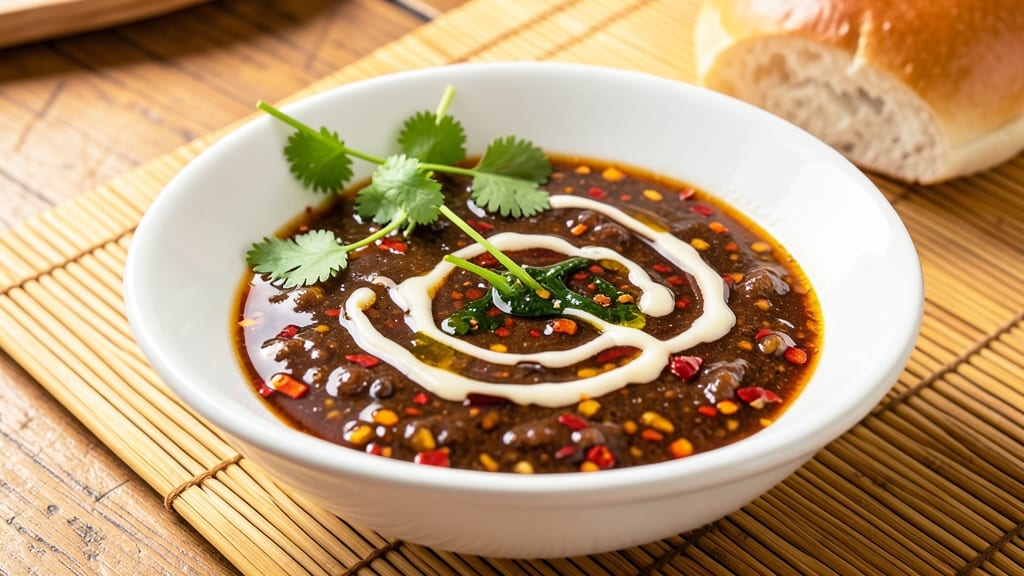
This authentic Chinese stir-fry sauce transforms simple ingredients into a bold, umami-packed sauce that elevates any dish. The secret lies in fermented chili bean paste—a deep, complex flavor that balances sweet, salty, and spicy notes perfectly.
Professional chefs rely on this technique to create restaurant-quality results at home, and it’s easier than you think with just a few pantry staples.
The sauce builds on a foundation of soy sauce, oyster sauce, and garlic-ginger paste, then layers in the fermented chili bean paste for that signature Chinese stir-fry depth. A touch of sesame oil adds aromatic richness, while a splash of rice wine brightens the flavors.
The key? Adding the sauce at the end of cooking—just before serving—to preserve its vibrant color and intense flavor.
What you’ll achieve is a sauce that clings beautifully to vegetables, meats, or noodles, delivering that authentic wok-hei (breath of the wok) aroma and taste. It’s versatile enough for quick weeknight meals or impressive dinner parties, and the ingredients are simple yet powerful.
Let’s make this sauce that brings Chinese restaurant flavor to your kitchen.
Once you master this recipe, you’ll never settle for bottled versions again. The fermented chili bean paste is the game-changer—it’s what sets this sauce apart from ordinary stir-fry mixes. Store it in the fridge for up to a week, or freeze for longer shelf life. Ready to elevate your cooking?
Ingredients for authentic chinese stir fry sauce
Nine essential ingredients for restaurant-quality stir-fry sauce that transforms any dish.
| Ingredient | Amount | Notes |
|---|---|---|
| Fermented Chili Bean Paste 🌶️ | 2 tbsp | Doubanjiang or chili bean paste |
| Light Soy Sauce 🥫 | ½ cup | Kikkoman preferred for authenticity |
| Dark Soy Sauce 🥫 | 1 tbsp | For deeper color and flavor |
| Oyster Sauce 🦪 | 2 tbsp | Lee Kum Kee for authentic taste |
| Rice Wine 🍶 | 1 tbsp | Shaoxing wine for best results |
| Sesame Oil 🫒 | 1 tbsp | Toasted for aromatic richness |
| Garlic-Ginger Paste 🧄 | 2 tbsp | Freshly made preferred |
| Honey 🍯 | 1 tbsp | For balancing heat and sweetness |
| Cornstarch 🌾 | 1 tsp | For thickening consistency |
| Water 💧 | ¼ cup | Adjust for desired consistency |
Fermented chili bean paste is the heart of this sauce—doubanjiang or chili bean paste from Asian markets delivers that signature umami depth. Asian Food Grocer or H Mart carry the best quality, but the jarred version works too if you're in a pinch. Look for a paste with visible chili flakes and fermented beans; it should have a pungent aroma and slightly sticky texture. The soy sauces? Light soy sauce for saltiness, dark soy sauce for color—don't skip either. I always double-check the labels for '100% natural' to avoid additives that dull the authentic flavor.
No fermented chili bean paste? Substitute with 1 tbsp gochujang plus 1 tsp soy sauce, though you'll lose some complexity. Running low on oyster sauce? Mushroom sauce or extra soy sauce works in a bind, but the umami won't be as rich. Shaoxing wine unavailable? Dry sherry or mirin both work, though the flavor profile shifts slightly. The garlic-ginger paste can be made fresh by blending 2 cloves garlic, 1 tbsp ginger, and 1 tbsp water—worth the 30 seconds if you're feeling ambitious. For the sesame oil, toasted is non-negotiable—heat it in a dry pan for 30 seconds to release its aroma before adding to the sauce.
This sauce keeps for 1 week in the fridge, sealed in an airtight container with a thin layer of oil on top to preserve freshness. Freezes beautifully for 3 months—portion into ice cube trays for single-use servings. I always make a double batch because it disappears fast. The cornstarch slurry is key for that perfect cling—whisk it with cold water first, then stir into the hot sauce off the heat to avoid clumping. Store leftovers in a glass jar to prevent absorption of fridge odors, and give it a quick stir before each use to redistribute the settled cornstarch.
Why You'll Love This Recipe
- Here’s what sold me: that deep, savory punch from the fermented chili bean paste and oyster sauce. It’s not just salty or sweet—it’s complex, like a secret handshake between smoky, funky, and briny. One taste, and you’ll understand why this sauce turns even the simplest stir-fry into a restaurant-worthy dish.
- I’ll be real: most stir-fry sauces turn sad after day two. Not this one. The fermented chili bean paste actually improves over time, deepening the flavor without getting slimy. Store it in the fridge, and you’ve got a flavor-packed backup for next week’s meal—no takeout needed. Plus, it’s cheap to make, so you’re not breaking the bank for backup plans.
Step-by-step instructions for authentic Chinese stir-fry sauce
Here's how to build a sauce that delivers restaurant-quality depth and complexity.
Bloom the Fermented Chili Bean Paste
In a medium saucepan, place the 2 tablespoons Fermented Chili Bean Paste and set over medium-low heat. Let it warm for 1-2 minutes until you can smell the deep, earthy aroma of fermented chili—this is your signal that the paste is activating. The paste will release its natural oils and develop a rich, reddish color.
This initial step is crucial for authenticity. The fermented chili bean paste carries the umami foundation of Chinese stir-fry sauces. If you notice the paste clumping, gently stir with a wooden spoon to distribute the oils evenly. Never let it burn—just maintain a gentle simmer throughout this process.
Build the Sauce Base with Soy Sauces
Add the 0.5 cup Light Soy Sauce and 1 tablespoon Dark Soy Sauce to the warm paste. Stir continuously for 1 minute until fully combined. The mixture will darken noticeably as the soy sauces meld with the chili paste, creating a glossy, deep-red base. This is where the sauce's signature color and initial flavor profile develop.
Here's the thing—dark soy sauce isn't just for color. It adds a subtle sweetness and depth that light soy sauce can't replicate alone. I like to use Kikkoman for light soy and a quality Chinese brand for dark soy when possible. If you're using pre-made stir-fry sauce, you're missing this crucial layer of complexity.
Incorporate Aromatics and Sweetness
Reduce heat to low and stir in the 2 tablespoons Garlic-Ginger Paste, 2 tablespoons Oyster Sauce, and 1 tablespoon Rice Wine. Let the mixture simmer gently for 2-3 minutes until the garlic and ginger aromatics bloom. You should smell a harmonious blend of spicy, umami, and citrusy notes from the rice wine.
This is where the sauce starts to come together. The oyster sauce adds that signature silky texture and briny depth, while the rice wine cuts through the richness. If you're using freshly made garlic-ginger paste, you'll notice tiny bubbles forming on the surface—this indicates active aromatics releasing their oils. Simmer just until these bubbles subside slightly.
Balance with Sweetness and Thicken
Add the 1 tablespoon Honey and 1 tablespoon Sesame Oil, stirring constantly for 30 seconds until fully incorporated. The sauce should now have a glossy sheen and a balanced flavor profile—sweet, spicy, umami, and nutty all working together. This is the moment that matters: the honey tempers the heat while the sesame oil adds that final aromatic layer.
In a small bowl, whisk the 1 teaspoon Cornstarch with the 0.25 cup Water until completely dissolved. This slurry is your thickening agent. Return the saucepan to medium heat and slowly pour in the cornstarch mixture while stirring vigorously. The sauce will begin to thicken immediately—keep stirring until it reaches a consistency that coats the back of a spoon but still flows freely.
Adjust and Finish to Perfection
Taste the sauce and make final adjustments. For more heat, add a pinch of red pepper flakes or a dash of chili oil. For extra umami, stir in a teaspoon of fish sauce or more oyster sauce. The sauce should be balanced—sweet, salty, spicy, and savory all working in harmony. Let it cool slightly before using, as the cornstarch will continue to thicken as it cools.
This authentic stir-fry sauce keeps well in the refrigerator for up to 5 days or can be frozen for 3 months. The flavors actually deepen over time, making it perfect for batch cooking. Use it to elevate any stir-fry, dumplings, or quick noodle dishes—just remember, the secret to great stir-fry isn't just the sauce, but how you use it. A little goes a long way!
Pro Tips For Making Authentic Chinese Stir Fry Sauce
- Bloom the Chili Paste: Toss the fermented chili bean paste into the wok first—no oil needed—just let it sizzle for 10-15 seconds until it fragrant and slightly darkened. I learned this the hard way: skipping this step leaves your sauce tasting flat, like you forgot the soul of the dish.
- Balance the Soy Sauces: Use light soy sauce for color and flavor, dark soy sauce just for that deep mahogany hue—no more than 1 teaspoon. Too much dark soy sauce turns your stir fry into a muddy mess, and no one wants that. Trust me, the light soy carries the umami punch.
- Deglaze with Rice Wine: Pour the rice wine after the chili paste blooms, then immediately add a splash of water (about 2 tablespoons) to scrape up those sticky, flavor-packed bits. That’s where the magic hides—don’t rush it, or you’ll lose half the depth of the sauce.
- Skip the Oyster Sauce Shortcut: If you’re using store-bought oyster sauce, don’t add it until the very end—heat it separately first. I was skeptical until I tried it: heating it with a splash of water (just 1 teaspoon) smooths out the texture and makes it integrate better. Your sauce will taste richer, not cloying.
Flavor customization for these flavors
Spicy Heat Boost
For extra kick, add 1 teaspoon chili crisp or ½ teaspoon Sichuan peppercorns (toasted and crushed) to the finished sauce. These ingredients add a numbing, tingling heat that's signature in Sichuan-style stir-fries.
If you prefer smoother heat, blend 1 tablespoon chili oil into the sauce at the end—just don't overdo it, as chili oil can dominate the delicate balance. 🌶️
Sweet and Tangy Twist
Balance the richness with 1 tablespoon lime juice or 1 teaspoon rice vinegar> for a bright, tangy finish. This works especially well with seafood stir-fries or when serving over rice.
For a sweeter profile, swap the honey for 1 tablespoon hoisin sauce>—it adds a molasses-like depth that pairs beautifully with pork or tofu.
Umami Depth Upgrade
Boost the savory factor by adding 1 teaspoon fish sauce> or 1 teaspoon mushroom powder> to the base before thickening. These ingredients amplify the umami without overpowering the other flavors.
For a vegetarian version, use 1 teaspoon soy sauce> and ½ teaspoon miso paste> instead. The miso adds a fermented complexity that mimics fish sauce's depth.
Herbaceous Freshness
Finish with 1 tablespoon chopped cilantro> or 1 teaspoon fresh Thai basil> for a vibrant, aromatic note. These herbs brighten the sauce and add a fresh contrast to the deep, fermented flavors.
For a more traditional touch, add ½ teaspoon green onions> (both white and green parts) while the sauce is still warm—this infuses subtle onion sweetness without overpowering.
Regional Variations
For a Sichuan-style sauce, add 1 teaspoon doubanjiang> and ½ teaspoon chili flakes> to the fermented chili bean paste before blooming. For a Cantonese twist, reduce the heat and add 1 teaspoon Shaoxing wine> and ½ teaspoon white pepper> for a milder, more aromatic profile.
Both versions keep the core technique but adjust the spice level and aromatic balance to match regional preferences.
Texture Adjustments
Need a thinner sauce? Add 1 tablespoon water> at a time until you reach the desired consistency. For a thicker, glossier finish, increase the cornstarch to 1.5 teaspoons> and reduce the water slightly.
If the sauce separates when reheating, whisk in 1 teaspoon hot water> to restore its smooth texture. The key is to adjust gradually—small changes make a big difference in how the sauce clings to your food.
Nutrition facts
Frequently asked questions
Can I make this sauce without fermented chili bean paste?
Yes! For a substitute, mix 1 tbsp gochujang with 1 tsp soy sauce—though you'll lose some of the deep umami complexity. The sauce will still taste delicious but may lack the signature fermented depth. If you're short on time, 1 tsp chili flakes plus 1 tsp soy sauce works in a pinch, but the texture won't be as rich.
How do I adjust the spice level for kids or sensitive eaters?
Simply reduce the fermented chili bean paste to 1 tbsp and omit the sesame oil (or use just ½ tsp). For extra mildness, replace the honey with 1 tsp sugar and skip the chili flakes entirely. The sauce will still pack flavor without the heat!
Can I use this sauce for non-stir-fry dishes?
This versatile sauce works perfectly for dumplings, noodles, grilled meats, or even as a marinade. For dumplings, use 1 tsp per 5 dumplings in the filling. For noodles, toss 1 tbsp per serving with cooked noodles and a splash of water to loosen. The key is to add it at the end to preserve its vibrant color.
Why does my sauce look too thin or too thick?
If it's too thin, stir in ½ tsp cornstarch mixed with 1 tsp water and heat gently. For thickness, whisk in 1 tsp hot water to restore smoothness. The ideal consistency should coat the back of a spoon but still flow freely. Pro tip: Always thicken off the heat to avoid clumping.
How do I store leftovers for maximum freshness?
Transfer to an airtight container and refrigerate for up to 5 days. For longer storage, freeze in ice cube trays—each cube equals 1 tbsp. When reheating, warm gently in a saucepan over low heat with 1 tsp water to restore thickness. Never microwave frozen sauce directly.