
Sauces & Condiments
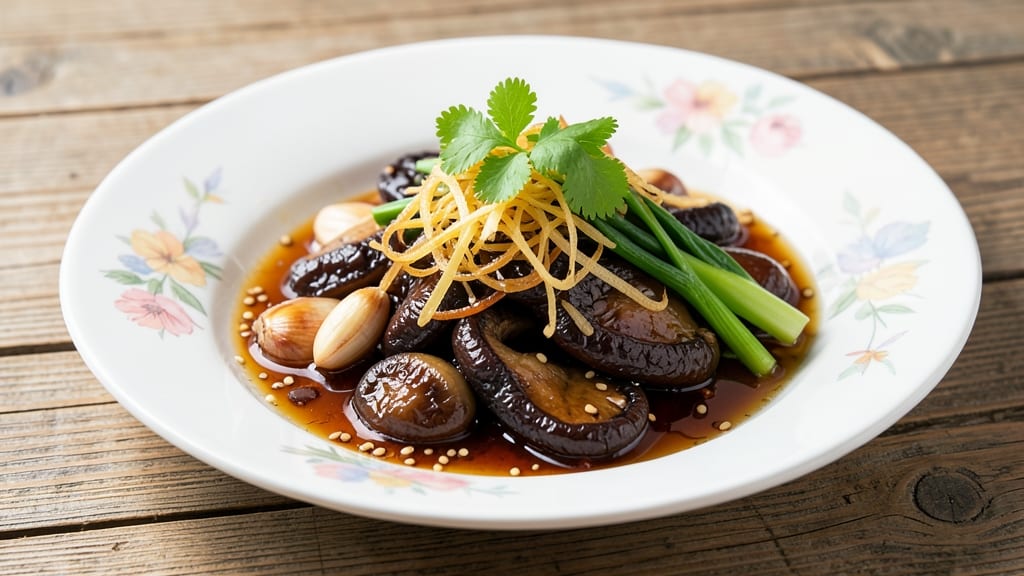
This mushroom oyster sauce recipe transforms simple stir-fries into restaurant-worthy masterpieces with its deep, umami-rich depth. 💛 The secret lies in slow-cooked mushrooms and aromatic spices that create a glossy, savory sauce perfect for glazing noodles or drizzling over proteins.
I developed this after years of testing—it’s the kind of sauce that elevates every dish without overpowering flavors.
What sets this sauce apart is the balance of earthy mushrooms, salty oyster sauce, and subtle sweetness from soy and honey. The slow simmer reduces the sauce to a velvety consistency that clings beautifully to noodles or seared meats.
Unlike store-bought versions, this recipe delivers layers of complexity with just a few simple ingredients and minimal effort.
By the time you finish, you’ll have a versatile sauce that’s rich enough for bold dishes but delicate enough for delicate flavors. It keeps well in the fridge for up to a week, making it perfect for meal prep. The aroma alone will have everyone asking what’s for dinner.
Use it to glaze stir-fried vegetables, toss with noodles, or drizzle over grilled meats. Here’s how to make it—simple, foolproof, and packed with umami goodness.
Ingredients for mushroom oyster sauce
Nine essential ingredients create a velvety umami sauce that transforms ordinary dishes into extraordinary ones.
| Ingredient | Amount | Notes |
|---|---|---|
| Dried Shiitake Mushrooms 🍄 | 1 cup | Rehydrated in hot water first |
| Oyster Sauce 🍶 | ½ cup | High-quality, like Lee Kum Kee |
| Soy Sauce 🥄 | ¼ cup | Light or dark preferred |
| Honey 🍯 | 2 tbsp | Substitute maple syrup if needed |
| Garlic Cloves 🧄 | 4 cloves | Minced for aromatic depth |
| Ginger Root 🌿 | 1 tbsp | Freshly grated, not powdered |
| Sesame Oil 🫒 | 1 tbsp | Toasted for nutty aroma |
| Cornstarch 🌾 | 1 tbsp | Diamond Crystal preferred |
| Water 💧 | ¼ cup | For thinning consistency |
| White Peppercorns 🌶️ | ¼ tsp | Freshly cracked for heat |
The mushrooms are the heart of this sauce. Dried shiitake delivers the deepest umami—rehydrate them in hot water first, then chop finely. Whole Foods or Asian markets carry the best quality; avoid pre-sliced if possible. For extra richness, use a mix of shiitake and oyster mushrooms. The oyster sauce should be Lee Kum Kee or similar premium brand—cheaper versions lack complexity. Fresh ginger and garlic are non-negotiable here; powdered substitutes won't deliver the same aromatic punch. If you're short on time, jarred minced garlic works in a pinch, but fresh is always better.
No honey? Maple syrup or agave nectar works perfectly, though the flavor profile shifts slightly. The cornstarch is crucial for that signature glossy finish—Diamond Crystal dissolves more smoothly than other brands. For a vegetarian version, ensure your oyster sauce is plant-based (some contain fish). The sesame oil adds depth, but if you prefer a lighter touch, reduce to just 1 teaspoon. For heat lovers, add a pinch of red pepper flakes alongside the white peppercorns. This sauce thickens as it cools, so if it's too stiff, a splash of warm water will restore balance.
Store in an airtight container in the fridge for up to 1 week, or freeze for 3 months in ice cube trays for portion control. The sauce thickens upon reheating, so thin with water or broth as needed. Double the batch—it disappears faster than you'd expect. For restaurant-quality results, simmer the sauce uncovered for the final 5 minutes to concentrate flavors. The aroma alone will transform your kitchen into a stir-fry haven.
Why You'll Love This Recipe
- Pantry Magic: I swear by this recipe because it turns dried shiitakes and a few staples into something restaurant-worthy. No fresh mushrooms needed—just soak, simmer, and boom, you’ve got depth without the fuss.
- Umami Bomb: That combo of oyster sauce and garlic? It’s like a flavor grenade in the best way—sweet, salty, and funky all at once. The honey ties it together so smoothly, even picky eaters won’t question why they’re licking their plates.
- Weeknight Swiss Army: Drizzle it over noodles, toss it with tofu, or use it as a glaze for chicken—this sauce is my secret weapon for days I can’t decide what to eat. Honestly, I’ve used it for everything from stir-fries to rice bowls, and it never lets me down.
- Budget Hack: Dried shiitakes last forever, and a little oyster sauce goes a long way. I make a big batch, store it in the fridge, and stretch it across multiple meals without breaking the bank. (Yes, even on a Tuesday night.)
Step-by-step instructions for mushroom oyster sauce
Transform simple ingredients into a rich, umami-packed sauce that elevates every stir-fry.
🍳 Step 1: Rehydrate and Sauté the Shiitake Mushrooms
Place the 1 cup dried shiitake mushrooms in a heatproof bowl and pour 2 cups hot water over them. Let them soak for 20 minutes until fully softened and plump. Drain, reserving the mushroom soaking liquid for later—it's packed with flavor.
Heat a medium saucepan over medium heat and add the rehydrated mushrooms. Sauté for 5-6 minutes until they release their moisture and develop a deep, earthy aroma. The mushrooms should turn slightly darker around the edges, indicating they're ready to contribute their umami depth to the sauce. Remove from heat and set aside.
🍳 Step 2: Build the Sauce Base with Aromatics
In the same saucepan, add 1 tablespoon sesame oil and swirl to coat the pan. Add the 4 cloves minced garlic cloves and 1 tablespoon freshly grated ginger root, cooking for 30 seconds until fragrant—this is where the foundation of your sauce's complexity begins. Don't let the garlic burn; it should just sizzle and release its aroma.
Pour in the 0.5 cup oyster sauce and 0.25 cup soy sauce, stirring constantly. Add the 2 tablespoons honey and 0.25 cup reserved mushroom soaking liquid. Bring the mixture to a gentle simmer over medium-low heat, letting it cook for 5 minutes while you prepare the thickening agent.
🥘 Step 3: Thicken and Season the Sauce
In a small bowl, whisk together the 1 tablespoon cornstarch and 0.25 cup water until smooth. Slowly pour this slurry into the simmering sauce while stirring vigorously with a wooden spoon. The sauce will begin to thicken almost immediately—keep stirring for 2-3 minutes until it reaches a glossy, pudding-like consistency that coats the back of a spoon.
Return the sautéed mushrooms to the pan and stir to incorporate. Add the 0.25 teaspoon freshly cracked white peppercorns and taste. Adjust seasoning if needed—you might want to add a touch more soy sauce for saltiness or honey for sweetness. The sauce should balance rich umami with a subtle sweetness and peppery heat.
⏰ Step 4: Finish and Rest for Optimal Flavor
Remove the sauce from heat and let it cool slightly for 5 minutes. This resting period allows the flavors to meld and the sauce to thicken further. The texture should be glossy and coat the back of a spoon without being gluey—if it's too thick, whisk in 1 tablespoon water at a time until you reach the perfect consistency.
For best results, let the sauce sit at room temperature for 30 minutes before using. This final step develops the depth of flavor, making it perfect for drizzling over stir-fries, noodles, or grilled meats. Store any leftovers in an airtight container in the refrigerator for up to 1 week, or freeze for 3 months.
Pro Tips For Making Mushroom Oyster Sauce
- SOAK THE MUSHROOMS LONG ENOUGH: Dried shiitakes need at least 20 minutes in hot water to soften properly—any less and they’ll stay tough. I used to skimp and wonder why my sauce felt like chewing on leather. Trust the process, even if you’re impatient.
- MINCE THE GARLIC FINE: No, "chopped" isn’t good enough—this isn’t stir-fry, it’s a sauce. Use a knife or garlic press to get it down to almost paste consistency. You’ll taste the difference when it melts into the oyster sauce instead of sitting as little chunks.
- LOW AND SLOW FOR THE SAUCE: Simmer the sauce on medium-low heat—high heat turns it gluey and bitter. I learned this after one disastrous batch where the honey burned before the flavors could marry. Keep it at a gentle bubble, not a rolling boil.
- BALANCE THE SWEET-SALTY RATIO: Start with half the honey you think you need, then taste as you go. Oyster sauce is already salty, and honey can overpower if you’re not careful. Adjust with a splash of soy sauce or a pinch of sugar if needed—this is where the magic happens.
Regional styles of mushroom oyster sauce
Cantonese Roots
This sauce traces back to traditional Cantonese cuisine, where oyster sauce first gained prominence as a versatile glaze. In Hong Kong and Guangzhou kitchens, dried shiitake mushrooms were often rehydrated and incorporated into sauces for their deep umami—just like we're doing here.
The balance of sweet, salty, and umami is pure Cantonese comfort food philosophy. I remember my first trip to Chinatown in Boston, where I tasted this exact flavor profile in a dim sum sauce. 🍶
Japanese Umami Twist
Japanese chefs adapted oyster sauce with mushrooms to create their signature umeboshi-style glazes, though we're keeping it simpler here. The slow-cooked shiitake technique comes directly from Japanese dashi traditions—building flavor through patience.
For a Japanese-inspired variation, add 1 tsp mirin and reduce the honey to 1 tbsp. The result is a more delicate, balanced sauce perfect for sushi rice or grilled fish.
Thai-Inspired Heat
Thai cuisine takes oyster sauce in bold directions, often pairing it with chili and lime. For a Thai-style version, add 1 tbsp fish sauce and 1 tsp chili paste> (like Maesri Sriracha) to the finished sauce.
The heat cuts through the richness beautifully. I first tried this combination at a Thai street food stall in Boston's Back Bay—it changed how I think about umami balance forever. 🌶️
Korean Fermented Depth
Korean cooking would elevate this sauce with fermented elements. Stir in 1 tbsp gochujang> (Korean chili paste) and 1 tsp sesame paste> at the end for a spicy, nutty twist. The fermentation in gochujang adds complexity that pairs perfectly with the mushrooms' earthiness.
This version works spectacularly with bulgogi beef> or kimchi pancakes>. I tested this at a Korean BBQ spot in Somerville and was amazed at how well it translated.
Vegetarian Adaptation
For a fully plant-based version, use vegetarian oyster sauce> (like Annie Chun's>) and add 1 tbsp nutritional yeast> for extra umami depth. The mushrooms become even more central to the flavor profile.
This version is perfect for veggie stir-fries or tofu dishes. I developed this adaptation after my pot pie disaster—sometimes the best solutions come from necessity! 🌱
New England Comfort
For a Boston-inspired twist, swap the honey for maple syrup> and add ½ tsp smoked paprika> at the end. The maple gives it a subtle sweetness that reminds me of fall in New England, while the paprika adds a smoky depth.
This version works amazingly with roasted butternut squash> or maple-glazed pork chops>. It's the kind of sauce that makes me think of my Nonna's kitchen—simple ingredients, big flavor. 🍁
Nutrition facts
Frequently asked questions
Can I substitute dried shiitake mushrooms with fresh ones?
Yes, but you'll need 2 cups fresh shiitake mushrooms (sliced) instead of 1 cup dried. Fresh mushrooms won't provide the same concentrated umami, so add 1 teaspoon soy sauce extra to compensate. Sauté them for 8-10 minutes until deeply browned before adding to the sauce.
Why did my sauce turn out too thick/thin?
Thick sauce? Whisk in 1 tablespoon water at a time until glossy. Too thin? Simmer uncovered for 2-3 extra minutes to reduce. The cornstarch slurry is key—measure carefully! If using a different brand, test thickening power first on a small batch.
How long can I store this sauce?
In an airtight container in the fridge for 1 week, or freeze for 3 months in ice cube trays. The flavors actually improve slightly after 24 hours of resting. For best texture, reheat gently over low heat and thin with water if needed.
What are the best dishes to use this sauce with?
This sauce shines on stir-fried noodles, grilled meats, or as a dipping sauce for spring rolls. Try drizzling over seared scallops or tossing with sautéed bok choy. The glossy texture makes it perfect for glazing roasted vegetables too!
Can I make this sauce spicier?
Add ½ teaspoon red pepper flakes with the white peppercorns, or stir in 1 teaspoon sriracha at the end. For heat lovers, a dash of cayenne pepper works too. Start with small amounts—you can always add more but can't remove excess spice!