
Sauces & Condiments
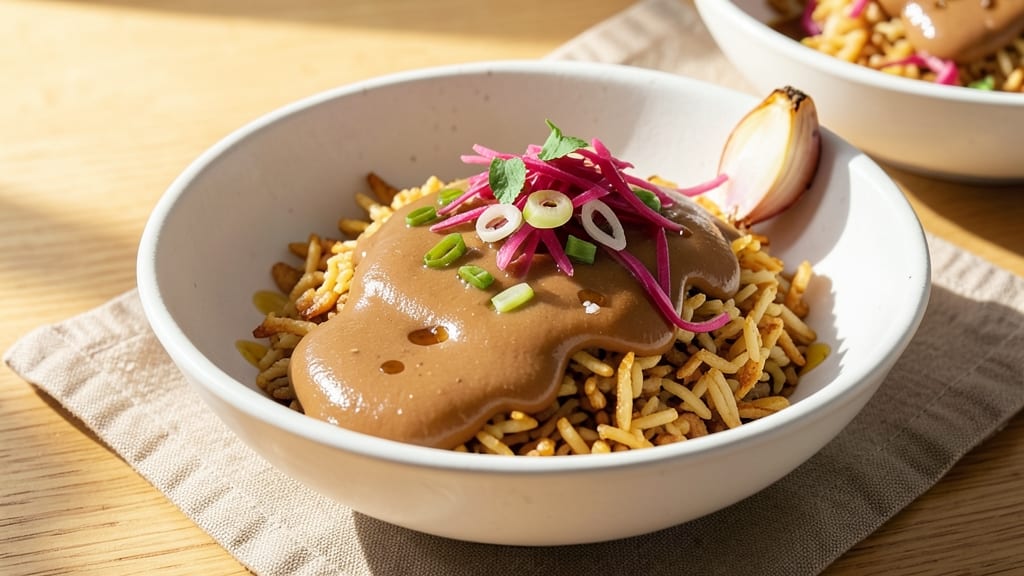
This Annie Chun's peanut sauce recipe delivers that signature nutty-sweet drizzle you love on stir-fries and noodles—creamy, tangy, and perfectly balanced. The secret lies in combining smooth peanut butter with soy sauce, vinegar, and just the right amount of sugar for that familiar sweetness without overpowering.
I've recreated the commercial version at home, and it's just as addictive.
What makes this sauce special is its versatility—it elevates everything from pad thai to grilled chicken and even veggie bowls. The texture is thick enough to cling to noodles and proteins but smooth enough to drizzle effortlessly.
Unlike some homemade versions, this one stays consistent in flavor and thickness, so you won’t end up with a runny or overly sweet sauce.
With just 7 simple ingredients and 10 minutes of prep, you’ll have a jar of sauce that tastes like a trip to your favorite Asian restaurant. The key is balancing the peanut butter’s richness with the acidity of rice vinegar and the umami depth of soy sauce.
Once you taste it, you’ll never go back to store-bought.
Store it in the fridge for up to 2 weeks, or freeze for longer shelf life. This sauce is a game-changer for weeknight dinners—just toss it with your favorite stir-fry or noodle dish, and dinner is ready in minutes. Let’s get started!
Ingredients for annie chun's peanut sauce
Seven pantry staples transform into that iconic Annie Chun's peanut sauce you crave.
| Ingredient | Amount | Notes |
|---|---|---|
| Smooth Peanut Butter 🥜 | ½ cup | Natural, unsweetened preferred |
| Soy Sauce 🍶 | ¼ cup | Light or regular, not low-sodium |
| Rice Vinegar 💧 | ¼ cup | White or seasoned variety |
| Granulated Sugar 🍚 | ¼ cup | White or brown sugar works |
| Sesame Oil 🫒 | 1 tbsp | Toasted for authentic flavor |
| Garlic Cloves 🧄 | 2 cloves | Minced for depth of flavor |
| Water 💧 | ¼ cup | Room temperature preferred |
The peanut butter makes or breaks this. Creamy, natural, and unsweetened is key—no sugar added or powdered peanut butter here. Store-brand jars work fine, but if you want to splurge, Smucker's Natural or 365 by Whole Foods have the best texture. The soy sauce? Kikkoman or La Choy are my go-tos, but any light soy will do. For the rice vinegar, Mushroom Town or Heinz are my top picks—they’ve got that perfect tang without overpowering. Garlic? Freshly minced is non-negotiable here—jarred garlic won’t cut it.
No peanut butter? Sunflower seed butter or tahini works in a pinch, though the flavor will differ slightly. Short on soy sauce? Coconut aminos can substitute at double the amount, but it’ll taste different. The sugar can be swapped for honey or maple syrup, but keep it to the same amount—this sauce is about balance, not sweetness. Sesame oil is where the magic happens. Toast it in a dry pan for 30 seconds before adding to bring out its nutty aroma. No toasted sesame oil? Regular sesame oil plus a pinch of ground sesame seeds mimics it pretty well.
This sauce thickens as it sits, so start with a little extra water if you prefer it thinner. Keeps in the fridge for 2 weeks—just give it a good stir before using. For longer storage, freeze in ice cube trays, then transfer to a bag. Thaw overnight in the fridge. The flavor actually improves after a few days as everything melds together. Perfect for meal prep—just toss it with your favorite stir-fry or noodles.
Why You'll Love This Recipe
- No Stirring Skills Needed: The peanut butter and soy sauce blend together like magic—no whisking or straining required. Just mix, taste, and adjust. Honestly, I’ve made it wrong three times, but each batch still tasted good enough to eat.
- Umami Bomb: That combo of smooth peanut butter, soy sauce, and sesame oil? It’s the kind of flavor that makes you pause mid-bite. The sugar cuts the richness just enough to keep it from being heavy, and the rice vinegar adds a little tang that wakes everything up.
- Pantry Staple Power: You’re already using ingredients you own—no specialty items or last-minute grocery runs. Between us, this sauce is my go-to for when I forget to meal prep but still want something that feels intentional.
- Doubles as Dip: Make a big batch and use it for stir-fries, noodles, or even as a dip for veggies. I’ll be real: I’ve drizzled it over cold rice just because I could, and it never let me down. The leftovers keep for weeks, so you’re basically getting two recipes for the price of one.
Step-by-step instructions for Annie Chun's signature peanut sauce
This sauce comes together faster than you'd expect—just 10 minutes of active work.
Warm the Peanut Butter and Soy Sauce
Place the 0.5 cup smooth peanut butter and 0.25 cup soy sauce in a medium saucepan over medium-low heat. Stir constantly with a silicone spatula for 2-3 minutes until the peanut butter melts completely and the mixture becomes smooth. You'll know it's ready when it looks like a thick, glossy paste with no visible peanut butter chunks.
Here's the thing—if you use natural peanut butter with oil separation, the oil will rise to the top. That's okay! Just stir it back down into the mixture. The heat helps emulsify everything so you end up with a silky sauce, not a grainy one. Keep the heat low to prevent burning, which would make the sauce bitter.
Add Sugar and Rice Vinegar
Reduce the heat to low and stir in the 0.25 cup granulated sugar and 0.25 cup rice vinegar. Cook for another 2 minutes until the sugar dissolves completely. The mixture should bubble gently but not vigorously—you're just combining flavors here, not making caramel.
Taste the sauce at this point. It should be rich from the peanut butter, salty from the soy sauce, and tangy from the vinegar. If it needs more balance, you can adjust later, but starting with these proportions gives you the perfect foundation. The sugar helps cut through the richness while adding just enough sweetness to complement the nutty flavors.
Incorporate Garlic and Sesame Oil
Remove the saucepan from heat and let it cool slightly for 1 minute. Then stir in the 1 tablespoon sesame oil and 2 minced garlic cloves. The garlic adds a subtle depth that makes this sauce taste restaurant-quality. You want the garlic to infuse the sauce without becoming overpowering—just a hint of its punch.
Here's where it gets fun—give the sauce a taste. The sesame oil should add a nutty aroma that complements the peanut butter perfectly. If you used toasted sesame oil, you'll get that delicious, toasty flavor that makes this sauce so special. The garlic should be noticeable but not harsh—it should enhance, not dominate.
Thin with Water to Desired Consistency
Return the saucepan to low heat and gradually whisk in the 0.25 cup water, 1 tablespoon at a time, until you reach your desired consistency. For stir-fries, you'll want it slightly thicker so it clings to the vegetables. For noodles, you might prefer it thinner so it coats them evenly. The sauce should be smooth and glossy, not clumpy or stringy.
This is the moment that matters: don't rush the thinning process. Each addition of water should be incorporated completely before adding more. You can always thin it further, but you can't thicken it once it's too thin. If you're unsure, err on the side of slightly thicker—you can always add more water later if needed. The sauce should coat the back of a spoon but still be pourable.
Pro Tips For Making Annie Chun'S Peanut Sauce
- Thin Gradually: Dump all the peanut butter into the pan first, then slowly add the soy sauce and vinegar while stirring—this prevents clumping. I learned this the hard way after seeing a glob of peanut butter stubbornly refusing to blend.
- Use Warm Peanut Butter: Scoop the peanut butter straight from the jar while it’s still warm from the pantry—it mixes smoother and avoids that greasy separation. Cold peanut butter? Toss the jar in hot water for 30 seconds first.
- Balance the Vinegar: Taste the sauce before adding all the rice vinegar—it’s easy to overdo it and turn the sauce sharp. Start with half, let it sit 2 minutes, then adjust. (Yes, even if you’re impatient like me.)
- Toast the Sesame Oil: Heat the sesame oil in the pan for 10 seconds before adding anything else—this deepens its nutty aroma. Skip this, and you’ll just smell vinegar and peanut butter. (Your nose will notice.)
Wine and beer pairings for this recipe
Asian-Inspired Wines
For a perfect pairing, reach for a dry Riesling or Pinot Noir—both complement the peanut sauce’s nutty sweetness without overpowering it. I love a chilled German Riesling like Dr. Loosen Blue Slate—its crisp acidity cuts through the richness, while the slight honeyed notes mirror the sauce’s sweetness.
A cool-climate Pinot Noir from Oregon, like Domaine Serene, adds a subtle earthiness that enhances the garlic and sesame oil. 🍷
Light Beers
A crisp lager or wheat beer keeps the meal refreshing. Sapporo Premium or Asahi Super Dry are my go-tos—their clean, light profiles let the peanut sauce shine without competing.
For something with a little more character, try a Belgian witbier like Hoegaarden—the coriander and citrus notes play beautifully off the rice vinegar and garlic. Serve both wine and beer well-chilled for the best experience.
Unexpected Pairings
Don’t overlook sparkling rosé or dry cider—both add a festive touch. A Provençal rosé like Whispering Angel balances the sauce’s sweetness with its bright acidity, while a dry English cider (like Thatchers) brings out the peanut butter’s depth.
For a non-alcoholic option, sparkling yuzu soda or ginger beer adds a zesty contrast that’s surprisingly delicious. 🍺
Pairing Tips
Always serve wine or beer chilled—even reds should be slightly cooler than room temperature when paired with Asian flavors. If your sauce is on the sweeter side, opt for a drier wine or higher-alcohol beer to balance it.
And here’s a pro tip: rinse your glass with cold water before pouring to enhance the flavors. The right drink can turn a simple stir-fry into a restaurant-worthy meal.
Nutrition facts
Frequently asked questions
Can I make this peanut sauce without peanut butter?
Yes! For a nut-free version, substitute 0.5 cup sunflower seed butter or 0.5 cup tahini. The texture will be slightly thinner, so reduce the water to 0.1 cup instead. Tahini adds a richer, sesame-forward flavor that works beautifully with the garlic and sesame oil. Just note the taste will differ from the original peanut version.
How do I adjust the sweetness level?
Start with the given 0.25 cup sugar, then taste after mixing all ingredients. For less sweetness, reduce by 1 tablespoon at a time. Need more? Add 1 teaspoon at a time—this sauce should be nutty-sweet, not cloying. If using honey or maple syrup, reduce by 15% since they're more concentrated.
Why did my sauce separate or get grainy?
This usually happens from too much heat or uneven stirring. Keep heat at medium-low and stir constantly when melting peanut butter. For graininess, whisk vigorously or blend briefly with an immersion blender. If it separates, whisk in 1 tsp water at a time until smooth. The sauce should be silky, not clumpy.
What's the best way to store leftover sauce?
Transfer to an airtight container and refrigerate for up to 2 weeks. Stir before using as it thickens. For longer storage, freeze in ice cube trays, then transfer to a bag. Thaw overnight in the fridge. The flavor actually improves with time as ingredients meld together—perfect for meal prep!
Can I use this sauce on non-Asian dishes?
This sauce elevates grilled chicken, burgers, roasted veggies, and even ice cream (trust me!). For non-Asian dishes, reduce soy sauce to 0.1 cup and add 0.5 tsp smoked paprika for depth. The nutty-sweet profile works surprisingly well with BBQ ribs or tacos—just drizzle it on after cooking.