
Sauces & Condiments
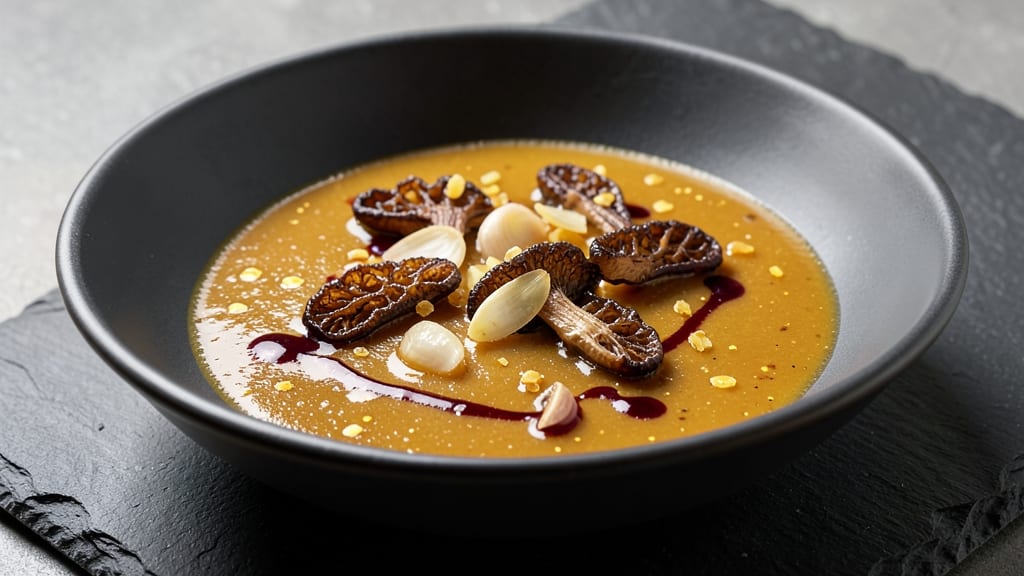
This morel mushroom sauce recipe unlocks the deep, earthy flavors of wild morels in a velvety sauce that elevates any dish. The secret lies in properly cleaning and sautéing the mushrooms until their umami essence infuses the butter and cream, creating a rich, aromatic base.
I developed this recipe after years of perfecting the balance between earthy morel flavor and creamy texture—it’s the kind of sauce that transforms simple proteins into something extraordinary.
The process is straightforward but requires patience: shallots and garlic form the aromatic foundation, while thyme adds subtle depth. As the sauce reduces, it thickens just enough to coat without overpowering the delicate morel flavor.
This isn’t just a sauce—it’s a flavor experience that pairs beautifully with steak, eggs, or even pasta, delivering restaurant-quality results at home.
What makes this sauce truly special is its versatility. Use it as a finishing touch for grilled meats, a luxurious addition to scrambled eggs, or a drizzle over creamy risotto. The earthy notes of morels complement rich, savory dishes perfectly, while the creamy texture ensures every bite is indulgent.
With just a few key ingredients and precise technique, you’ll create a sauce that’s both impressive and foolproof.
The key to success is using fresh, high-quality morels—never dried, as they lack the depth of fresh. If you can’t find them, this sauce can also work with a mix of wild mushrooms, though the flavor will differ slightly.
Once mastered, this recipe becomes a staple in your culinary repertoire, ready to enhance any meal with its rich, umami-forward profile.
Ingredients for morel sauce
Earthy morels meet velvety cream—just ten ingredients for restaurant-quality sauce.
| Ingredient | Amount | Notes |
|---|---|---|
| Fresh Morel Mushrooms 🍄 | ½ lb | Cleaned, stems removed |
| Unsalted Butter 🧈 | ½ cup | Cold, cubed for sauteing |
| Shallots 🧅 | ¼ cup | Minced, finely chopped |
| Garlic Cloves 🧄 | 3 cloves | Minced, fresh preferred |
| Heavy Cream 🥛 | 1 cup | Full-fat for richness |
| Dry White Wine 🍷 | ¼ cup | Sauvignon Blanc preferred |
| Fresh Thyme 🌿 | 1 tbsp | Leaves only, chopped |
| Salt 🧂 | ½ tsp | Kosher or sea salt |
| Ground Black Pepper 🌶️ | ¼ tsp | Freshly ground preferred |
| Chicken Stock 💧 | ½ cup | Homemade or high-quality |
Morels are the star here, so quality matters most. Fresh, wild morels from a trusted forager or specialty market deliver the deepest flavor—avoid dried or canned, which lack complexity. The best time to find them is spring, though some markets stock them year-round. If you can't source fresh, chanterelles or porcini work as substitutes, though the earthy profile will differ. For optimal results, clean your morels by gently brushing off debris with a soft brush—never soak them, as they absorb water like sponges. Costco or Whole Foods often carry fresh morels when in season, but call ahead to confirm availability.
The butter should be cold and cubed—this ensures proper browning when sautéing the mushrooms. No white wine? Chicken stock with a splash of lemon juice mimics the acidity, though the depth won’t be identical. Fresh thyme is ideal, but dried thyme at one-third the amount works in a pinch. For the chicken stock, homemade or high-end brands like Pacific Foods elevate the sauce, while store-bought will suffice for everyday use. The shallots and garlic should be minced finely—this prevents them from becoming noticeable in the finished sauce. If you’re short on time, a food processor handles the chopping, but a sharp knife yields better results.
This sauce keeps beautifully—3-4 days refrigerated in an airtight container, or up to 3 months frozen in a sealed jar. To reheat, warm gently over low heat, stirring occasionally, until just melted. For a silky texture, whisk in a splash of warm water or cream if it thickens too much. Portion into ice cube trays before freezing for easy single-use servings. The sauce pairs exceptionally well with steak, eggs Benedict, or creamy mashed potatoes, so make extra if you’re planning a multi-course meal.
Why You'll Love This Recipe
- Fewer Ingredients, Bigger Impact: I swear by this—just five things: morels, butter, shallots, garlic, and cream. That’s it. No crowded pantry raids, no last-minute grocery runs. Honestly, the way those earthy mushrooms melt into the rich cream? It’s like flavor magic with minimal effort.
- Umami Bomb: Between us, morels are the secret weapon here. They soak up that butter like a sponge, then burst with this deep, smoky-sweet taste when cooked. Add the shallots and garlic? Suddenly, you’ve got a sauce that tastes like it simmered all day—not just 20 minutes.
- Dual-Duty Sauce: This isn’t just a sidekick. Drizzle it over steak, toss it with pasta, or even slather it on grilled chicken. I’ve used it for weeknight dinners and fancy date nights (yes, even on a Tuesday). The heavy cream keeps it luscious no matter what you pair it with.
- Leftovers That Don’t Suck: Here’s what sold me—the sauce actually improves the next day. The flavors meld even more, and it reheats like a dream. Store it in the fridge for up to five days, or freeze it in portions. No sad, watery leftovers here; just rich, ready-to-use goodness waiting for your next meal.
Step-by-step instructions for morel mushroom sauce
This method transforms delicate morels into a rich, velvety sauce with deep umami and earthy notes.
Clean and Prepare the Morel Mushrooms
Morels require special handling—never rinse them. Instead, use a soft-bristle brush or damp paper towel to gently remove any dirt from the caps and stems. The stems should be firm and free of debris, as they're just as flavorful as the caps. Cut the mushrooms into even ¼-inch thick slices, discarding any discolored or slimy pieces. This preparation ensures even cooking and maximizes flavor extraction.
Here's the thing—morels release their flavor gradually. By slicing them uniformly, you create more surface area for the butter to caramelize and infuse flavor into the sauce. Keep the mushrooms in a single layer on a clean kitchen towel until you're ready to cook them, as moisture will make them soggy.
Sauté Shallots and Garlic in Butter
Melt 0.5 cup unsalted butter in a medium saucepan over medium heat. Add the 0.25 cup minced shallots and cook for 5 minutes until they become translucent and just begin to turn golden. This step builds the aromatic base of your sauce—don't rush it.
Next, add the 3 cloves minced garlic and cook for another 30 seconds until fragrant. Watch the pan carefully—garlic burns quickly and turns bitter. You'll know it's ready when the kitchen fills with that unmistakable garlic aroma. Remove the pan from heat briefly if needed to prevent burning.
Cook the Morels Until Golden
Return the pan to medium heat and add the sliced morels in a single layer. Cook undisturbed for 3-4 minutes until they develop a deep golden brown color on the bottom. This caramelization is crucial for developing the sauce's rich flavor. Stir gently only if needed to prevent sticking.
Once the morels are golden, add the 1 tbsp chopped fresh thyme and sprinkle with 0.5 tsp salt and 0.25 tsp ground black pepper. Cook for another 2 minutes, stirring occasionally, until the thyme releases its aroma and the morels are tender but still hold their shape. The sauce should be thick and syrupy at this point.
Deglaze with Wine and Stock
Pour in the 0.25 cup dry white wine and scrape up any browned bits from the bottom of the pan with a wooden spoon. These bits, called fond, are packed with flavor. Let the wine simmer for 2-3 minutes until it reduces by half and the alcohol cooks off.
Add the 0.5 cup chicken stock and bring the mixture to a gentle simmer. Reduce heat to low and let it cook for 5 minutes to allow the flavors to meld. The sauce should now be rich and slightly reduced, with a deep, earthy aroma. If it's too thick at this point, you can add a splash of water later.
Finish with Heavy Cream
Stir in the 1 cup heavy cream and simmer gently for 3-4 minutes until the sauce thickens slightly and coats the back of a spoon. The cream adds a luxurious texture and balances the earthy morel flavor. Taste and adjust seasoning if needed—morels can be quite flavorful on their own.
For a perfectly smooth sauce, use an immersion blender to blend the mixture directly in the pan. If you prefer a chunkier texture, simply stir vigorously with a whisk. Serve immediately over pasta, mashed potatoes, or grilled meats. The sauce will keep its rich consistency and deep flavor when served right away.
Pro Tips For Making Morel Sauce
- Sweat Shallots Low: Cook them on medium-low with a splash of water or wine—just enough to keep them soft and translucent without burning. I used to rush this, and the flavor got bitter. Let them mellow out for 5-6 minutes, stirring occasionally.
- Sear Morels Hot: Get your pan screaming hot before adding butter—morels release their earthy oils fast. Crowd them in batches if needed, but don’t skimp on the butter. This isn’t the time to be shy; you want them golden in under 2 minutes.
- Strain the Cream: After reducing the butter-shallot-garlic base, strain the heavy cream through a fine-mesh sieve before adding it. Morel bits sneak in, and no one wants gritty sauce. Takes 10 seconds but makes a real difference.
- Finish with Salt: Taste the sauce before adding salt—morels and shallots can be sneaky. Then adjust with a pinch of flaky salt (or more if using kosher). I learned this the hard way after over-salting a batch because I didn’t check first.
Essential equipment for this recipe
Pan Essentials
Your choice of pan makes all the difference with morel sauce. I swear by a heavy-bottomed stainless steel saucepan like the All-Clad Stainless—it distributes heat evenly and prevents scorching.
For a budget-friendly option, a Lodge 3.5-quart enameled cast iron works beautifully, though it requires slightly lower heat to avoid burning. Avoid nonstick pans—they can't handle the high heat needed for proper caramelization of the morels and butter. 🔥
Blender or Whisk
Deciding between smooth and rustic textures? An immersion blender like the Ninja Foodi is my go-to for velvety perfection—it blends right in the pan, preserving all the rich flavors. If you prefer texture, a French-style whisk with a fine mesh strainer lets you control the chunkiness.
For a middle ground, blend half the sauce and leave the other half chunky, then swirl them together before serving.
Wooden Spoon
Never use metal utensils when deglazing with wine—they scratch the pan and release harmful metals. A high-quality wooden spoon (I recommend OXO Good Grips) is essential for scraping up flavorful browned bits without damaging your pan.
The natural oils in wood also help prevent sticking during the cream reduction stage. Keep one dedicated to sauces to avoid cross-contamination.
Fine Mesh Strainer
If you prefer a completely smooth sauce, a fine mesh strainer like the OXO Good Grips removes any lingering mushroom bits while preserving the rich liquid. This is especially useful if you're serving the sauce over delicate dishes like eggs Benedict.
For a rustic touch, skip straining entirely and let the morel pieces add texture. I often strain half the sauce and leave the other half with chunks for visual contrast. 💫
Kitchen Scale
A digital kitchen scale (I use the Escali Primo) ensures precise measurements, especially when working with delicate ingredients like morels and butter. This is particularly important for maintaining the perfect sauce-to-protein ratio when pairing with dishes.
For example, a 6-ounce portion of sauce pairs beautifully with a 12-ounce steak. The scale also helps when adjusting recipes for different serving sizes—simply multiply all ingredients proportionally.
Thermometer
While not strictly necessary, a candy or sauce thermometer (like the Thermoworks Thermapen) helps monitor the sauce's temperature during reduction. Aim for a gentle simmer between 185-195°F—this range ensures the cream doesn't curdle while allowing proper flavor development.
The thermometer also comes in handy if you're making this sauce ahead and need to reheat it to the perfect consistency. 🌡️
Nutrition facts
Frequently asked questions
Can I substitute dried morels for fresh in this sauce?
Fresh morels are ideal for this recipe, but if you must use dried, soak them in warm water for 20 minutes first, then strain and pat dry. Replace 0.5 lb fresh morels with 1 oz dried morels—they're much more concentrated. The texture will differ slightly, but the earthy flavor remains. Just reduce the chicken stock by 0.25 cup since the morels will release moisture during soaking.
What's the best way to store leftover morel sauce?
Transfer to an airtight container and refrigerate for up to 4 days. For longer storage, freeze in portions—it reheats beautifully! Thaw in the fridge overnight, then warm gently on low heat with a splash of cream to restore its velvety texture. Avoid microwaving to prevent curdling. The sauce actually improves slightly after resting overnight as flavors meld.
Why did my sauce turn grainy or separate?
This usually happens from overheating the cream or not stirring constantly during reduction. Keep heat at low-medium and stir frequently to prevent curdling. If it separates, whisk in 1 tbsp cold butter or 1 tbsp cream while stirring vigorously over low heat until smooth. For graininess, blend briefly with an immersion blender to emulsify the sauce. The wine reduction step is critical—don't rush it!
What's the secret to balancing the earthy morel flavor?
The key is the wine and cream ratio. The 0.25 cup white wine cuts the intensity while the 1 cup heavy cream adds richness. For extra balance, add 1 tsp lemon juice at the end or a pinch of sugar to highlight the umami. If morels taste too strong, reduce their quantity by 20% next time. The thyme also helps mellow the flavor—never skip it!
Can I make this sauce ahead for a dinner party?
Prepare it 1 day ahead and refrigerate. Reheat gently, then finish with a splash of cream to restore texture. For a dinner party, make it 2 days ahead and freeze in portions. Thaw overnight in the fridge, then reheat to 160°F before serving. This sauce actually tastes better the next day as flavors deepen. Just avoid adding cream until reheating to prevent separation.