
Sauces & Condiments
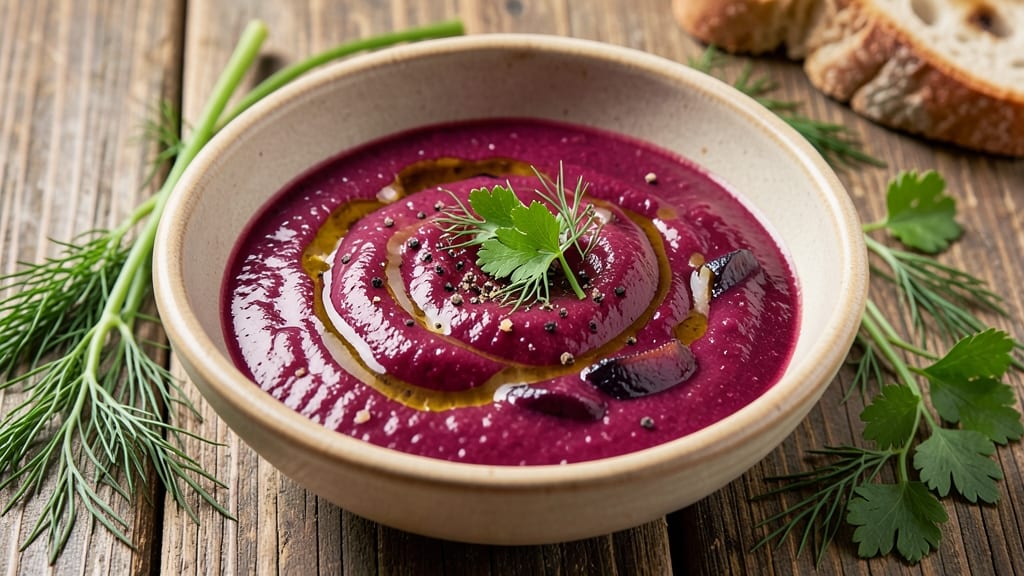
This beetroot sauce recipe transforms humble beets into a velvety, earthy condiment with a secret tangy depth from vinegar. The key lies in balancing naturally sweet roasted beets with sharp vinegar and aromatic herbs, creating a sauce that's equally at home drizzled over roasted vegetables or as a bold dip.
I developed this version after realizing store-bought options never captured the complex flavor profile of homemade.
The process begins with roasting beets until tender and caramelized, which deepens their natural sweetness while adding rich color. After blending with vinegar, garlic, and mustard, the sauce simmers just long enough to develop a silky texture without losing its vibrant hue.
This isn't just another beet dip—it's a versatile condiment that adds depth to everything from grain bowls to grilled meats.
What makes this sauce truly special is its hidden vinegar depth that cuts through the sweetness, creating a sophisticated balance. The result is a vegan-friendly, nutrient-packed sauce that's rich in antioxidants and naturally gluten-free.
It keeps beautifully in the fridge for up to a week, making it perfect for meal prep or gifting.
Use it as a glaze for roasted potatoes, a marinade for tofu, or a dramatic drizzle over avocado toast. The possibilities are endless once you master this earthy-sweet condiment that elevates any dish it touches. Let's create something extraordinary with simple ingredients.
Ingredients for beetroot sauce
Nine ingredients transform roasted beets into a velvety condiment with sophisticated vinegar depth.
| Ingredient | Amount | Notes |
|---|---|---|
| Medium Beets 🧅 | 2 whole | Roasted until tender, peeled |
| Apple Cider Vinegar 🍏 | ¼ cup | For tangy depth, organic preferred |
| Garlic Cloves 🧄 | 3 cloves | Freshly minced for aromatic base |
| Yellow Mustard 🍯 | 1 tbsp | Dijon for added sophistication |
| Extra-Virgin Olive Oil 🫒 | ¼ cup | High-quality for richness |
| Fresh Parsley 🌿 | ¼ cup | Chopped, for vibrant finish |
| Fresh Dill 🌿 | 2 tbsp | Chopped, for herbal brightness |
| Sea Salt 🧂 | 1 ½ tsp | Diamond Crystal preferred |
| Black Peppercorns 🌶️ | ½ tsp | Freshly cracked for texture |
| Cold Water 💧 | ¼ cup | For blending consistency |
The beets are the foundation—organic from Whole Foods or Trader Joe's deliver the deepest flavor, but any medium variety works. Roast until fork-tender for maximum sweetness, then peel immediately while still warm. Golden beets add subtle earthiness, but red beets create the classic vibrant hue. For extra richness, some chefs recommend adding a pinch of smoked paprika during roasting, though it's optional. The vinegar is critical: apple cider vinegar adds complexity, while white wine vinegar offers a cleaner tang—choose based on your flavor preference.
No Dijon mustard? Whole-grain mustard works at double the amount, though the texture will differ slightly. Fresh herbs can be swapped—cilantro or mint add different but equally vibrant notes. For a smoother texture, blend in 2 tbsp vegan yogurt at the end, though it will alter the consistency. The olive oil should be extra-virgin with noticeable fruitiness—cheap oils will make the sauce taste flat. If you're short on time, jarred roasted beets (drained and rinsed) work in a pinch, though homemade always tastes superior.
This sauce thickens as it sits, so thin with water or vinegar if needed before serving. Store in an airtight container in the fridge for up to 1 week, though the flavor actually improves after 24 hours as the ingredients meld. For gifting, transfer to a clean glass jar with a ribbon—it makes a stunning presentation. Freeze for up to 3 months by portioning into ice cube trays before transferring to a bag. The sauce reheats beautifully, making it perfect for meal prep.
Why You'll Love This Recipe
- No-Fuss Roast: I just toss the beets in the oven while I make dinner—no peeling, no fuss. The vinegar and garlic caramelize right into the sauce as they cook, so by the time I’m done with the main dish, the sauce is ready.
- Sweet-Tangy Magic: That balance of earthy roasted beets and bright apple cider vinegar? It’s like a flavor hug. The mustard adds just enough kick to make it crave-worthy without overpowering.
- Game for Any Meal: Slather it on grilled chicken, drizzle it over mashed potatoes, or mix it into a grain bowl—it works everywhere. Honestly, I’ve even used it as a dip for roasted veggies when I’m too tired to plan.
- Budget Brightener: A single bag of beets lasts me weeks, and the other ingredients are pantry staples. I make a big batch and keep it in the fridge for emergencies—sudden salad cravings, last-minute sandwich upgrades, you name it.
Step-by-step instructions for earthy beetroot sauce
This vibrant sauce balances sweet roasted beets with sharp vinegar and aromatic herbs for depth.
Roast the Beets Until Tender
Preheat your oven to 400°F. Wrap each of the 2 whole medium beets tightly in aluminum foil, sealing all edges completely. Place them on a baking sheet and roast for 45-60 minutes until completely tender when pierced with a fork.
The foil creates steam that keeps the beets moist while concentrating their natural sweetness. I test doneness by inserting a knife—it should slide in effortlessly with no resistance. Let the beets cool slightly before handling, then peel away the skins using your fingers or a paring knife. You'll notice the vibrant magenta color intensify as they cool.
Blend the Roasted Beets with Vinegar and Garlic
Transfer the peeled beets to a food processor or high-powered blender. Add the 0.25 cup apple cider vinegar and 3 cloves freshly minced garlic. Pulse until completely smooth, scraping down the sides as needed. This initial blend creates the foundational tanginess that prevents the sauce from tasting overly sweet.
For best results, I recommend using a high-quality food processor that can handle hot ingredients without overheating. The vinegar not only adds acidity but also helps emulsify the sauce later. Taste at this stage—you should detect the beets' natural sweetness balanced by the vinegar's sharpness, with garlic notes just beginning to emerge.
Incorporate Mustard and Oil for Emulsification
With the processor running, slowly drizzle in the 0.25 cup extra-virgin olive oil while simultaneously adding the 1 tablespoon Dijon mustard. The mustard acts as an emulsifier, helping the oil bind with the beet mixture. Continue blending until completely smooth and creamy, about 1-2 minutes total.
This is where the sauce transforms from a simple puree to a luscious, velvety condiment. The mustard's tang cuts through the beets' sweetness while the olive oil adds richness. I find it helpful to stop occasionally and scrape down the sides to ensure even distribution of all ingredients. The sauce should now coat the back of a spoon with a thick, glossy consistency.
Finish with Herbs and Seasoning
Add the 0.25 cup chopped fresh parsley and 2 tablespoons chopped fresh dill to the processor. Pulse just until the herbs are finely chopped but still visible, about 10-15 seconds. Then add the 1.5 teaspoons sea salt and 0.5 teaspoon freshly cracked black peppercorns, blending just until combined.
The herbs provide a bright, fresh contrast to the earthy beets. I always use freshly cracked peppercorns rather than pre-ground for maximum aroma. For extra creaminess, add the 0.25 cup cold water now and blend again until perfectly smooth. The water helps achieve the ideal consistency without thinning the sauce too much.
Adjust and Serve Immediately
Transfer the sauce to a bowl and taste immediately. Adjust seasoning if needed—add more vinegar for increased tang, more salt for depth, or a touch of water if the texture is too thick. The sauce should be vibrant, balanced between sweet, tangy, and herby notes with a velvety texture.
This sauce pairs beautifully with roasted meats, grilled fish, or even as a vibrant dip. For best results, use within 3-4 days when stored in an airtight container in the refrigerator. The flavors continue to develop slightly as it chills, making it even more complex when served cold the next day.
Pro Tips For Making Beetroot Sauce
- Peel Beets After Cooking: Raw beets stain like crazy, so peel them only after roasting or boiling—the skins slide off effortlessly. I used to waste 10 minutes scrubbing them raw, then realized the heat softens the skin and makes peeling a breeze. (Pro tip: Wear gloves if you’re squeamish about purple hands.)
- Roast Beets Until Fork-Tender: Don’t stop at "soft"—aim for beets that collapse when pierced with a fork. I learned this the hard way: undercooked beets turn your sauce grainy and watery. Wrap them in foil for the last 20 minutes if they’re not quite there, but check early to avoid mushy results.
- Toast Garlic in Oil First: Sauté the minced garlic in olive oil for 30 seconds until it smells nutty and golden before adding vinegar. This step prevents the garlic from turning bitter when hit with acid—something I used to ignore until my sauce tasted harsh. (Yes, it’s just 30 seconds, but it makes a real difference.)
- Strain for Smoothness: Blend the cooked beets with vinegar, mustard, and oil, then strain through a fine-mesh sieve to remove skins and fibers. I skip this sometimes, but the texture goes from rustic to silky—especially if you’re serving it over delicate dishes like fish or salads. (Save the pulp for hummus or roasted beet chips.)
Perfect pairings for these flavors
Roasted Veggie Glaze
Brush this vibrant sauce over sweet potatoes or carrots before roasting at 400°F for 25-30 minutes. The beets' natural sugars caramelize beautifully, creating a glossy, earthy crust. I like to add a sprinkle of smoked paprika before roasting for extra depth. 🔥
Grilled Meat Marinade
Use this sauce as a marinade for chicken thighs or pork chops—coat generously and marinate for 2-4 hours before grilling. The vinegar tenderizes while the beets add a stunning color contrast. For extra richness, add 1 tablespoon maple syrup to the marinade.
Avocado Toast Elevator
Drizzle over creamy avocado mash with a sprinkle of flaky sea salt and everything bagel seasoning. The tangy-sweet balance cuts through the richness perfectly. I also add toasted walnuts for crunch and texture. This is my go-to breakfast when I want something vibrant and healthy. ✨
Cheese Board Dip
Serve with goat cheese or brie for dipping sliced baguette or apple slices. The herby notes complement creamy cheeses beautifully. For a festive touch, arrange with proscuitto and fig jam. This makes an impressive appetizer for guests.
Grain Bowl Topper
Spoon over quinoa or farro bowls with roasted chickpeas and arugula. The earthy beets pair perfectly with the nutty grains. I also add toasted pumpkin seeds for extra texture. This makes a complete, protein-packed meal in one bowl.
Dessert Drizzle
Yes, it works on desserts! Drizzle over vanilla ice cream or ricotta cheesecake for a surprising sweet-tangy contrast. The natural sweetness of the beets enhances the dessert's flavors. For extra decadence, add a sprinkle of dark chocolate shavings. 💫
Nutrition facts
Frequently asked questions
Can I use canned beets instead of fresh?
Yes, but with adjustments! Drain and rinse 1 (15 oz) can of beets to remove excess liquid, then blend with 1-2 tbsp extra vinegar to compensate for the lost moisture. The texture will be slightly softer, but the flavor remains rich. For best results, roast fresh beets—they develop deeper caramelization.
How do I make this sauce thicker or thinner?
For a thicker consistency, simmer the sauce uncovered for 5-10 minutes to reduce. To thin, add 1 tbsp at a time cold water or vinegar while blending. The ideal texture coats the back of a spoon but remains pourable. For dipping, aim for a slightly thinner consistency.
What can I substitute if I don't have Dijon mustard?
Use whole-grain mustard (double the amount) or 1 tbsp lemon juice + 1 tsp honey for tangy-sweet balance. For a mustard-free version, add 1 extra tbsp vinegar and blend with 1 tbsp aquafaba (chickpea brine) to help emulsify the oil. The sauce will still work but may separate slightly.
Why did my sauce turn out bitter?
Bitterness usually comes from over-roasting beets (burnt edges) or using too much vinegar. For next time, roast at 400°F for exactly 45-60 minutes and taste before blending. If it's too sharp, balance with 1 tsp maple syrup or honey. Also check your beets—older or tough varieties can develop bitter notes.
Can I make this sauce ahead of time?
This sauce improves with time. Store in an airtight container in the fridge for up to 1 week, where flavors meld beautifully. For longer storage, freeze in ice cube trays (thaw in fridge overnight) or portion into containers. The texture may thicken when chilled—thin with water or vinegar before using.