
Sauces & Condiments
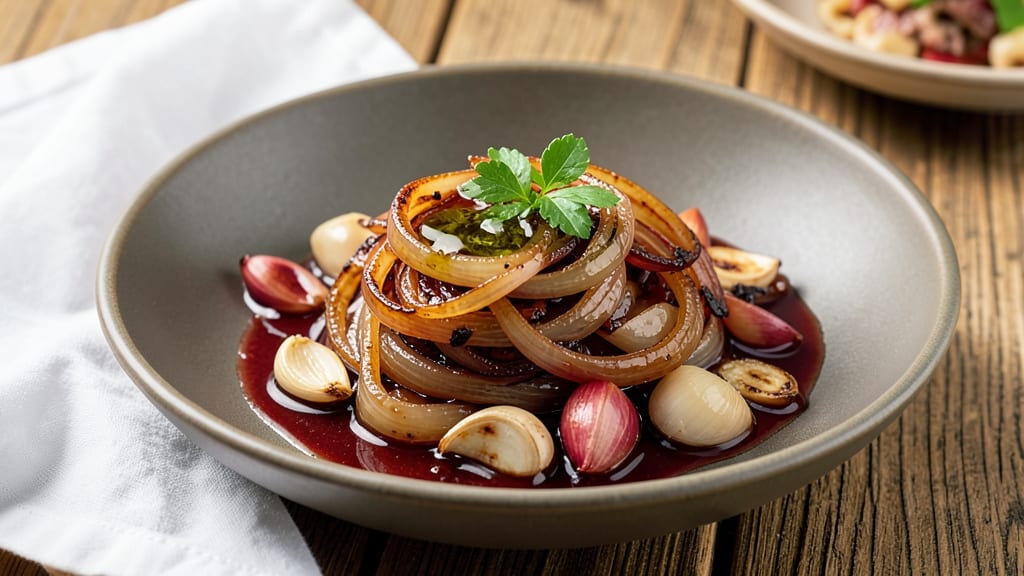
This au sauce recipe transforms simple pan drippings into a rich, velvety masterpiece that elevates any protein. The secret lies in a precise reduction of beef stock, red wine, and aromatics—creating layers of umami and depth that take just 15 minutes to perfect.
What sets this version apart is the caramelized onion base and subtle chili heat, which adds complexity without overpowering the dish.
Professional chefs rely on this technique to rescue flavorful pan juices that would otherwise go to waste. The sauce begins with a quick sear of shallots and garlic, which forms the aromatic foundation before the stock and wine reduce into a glossy, clinging sauce.
A touch of Worcestershire sauce and a pinch of chili powder ensure that every drizzle delivers both savory richness and a hint of warmth.
What makes this sauce truly versatile is its ability to transform ordinary meals into restaurant-quality experiences. Drizzle it over perfectly cooked steak, spoon it alongside roasted vegetables, or use it to enhance mashed potatoes for an extra layer of sophistication.
The result is a sauce that's both elegant and effortless—ideal for weeknight dinners or special occasions.
The key to success lies in patience during the reduction phase. Allowing the sauce to simmer gently ensures a smooth, velvety texture without bitterness. Once mastered, this technique becomes a fundamental skill in your culinary repertoire, ready to enhance any dish with professional flair.
Ingredients for au sauce
Transform ordinary pan drippings into restaurant-quality au sauce with these ten essential ingredients.
| Ingredient | Amount | Notes |
|---|---|---|
| Yellow Onions 🧅 | 1 ½ lb | Medium dice, caramelized first |
| Shallots 🧅 | ½ cup | Minced, finely chopped |
| Garlic Cloves 🧄 | 4 cloves | Minced, fresh preferred |
| Beef Stock 🥫 | 2 cups | Homemade or high-quality jarred |
| Dry Red Wine 🍷 | ½ cup | Bold variety like Cabernet |
| Worcestershire Sauce 🍶 | 1 tbsp | Anchovy-free if needed |
| Chili Powder 🌶️ | ½ tsp | Adjust for heat preference |
| Extra-Virgin Olive Oil 🫒 | ¼ cup | For sautéing onions |
| Fresh Thyme Leaves 🌿 | 1 tsp | Or 0.5 tsp dried thyme |
| Salt 🧂 | ½ tsp | Diamond Crystal preferred |
The onions form the aromatic backbone of this sauce—yellow onions provide sweetness when caramelized, while shallots add delicate depth. For the best results, purchase organic yellow onions from Whole Foods or your local farmers' market, where they're fresher and less likely to be treated with preservatives. Shallots should be firm and free of sprouts. If using store-bought onions, check the expiration date—older onions yield bitter caramelization. The beef stock is non-negotiable; homemade stock delivers superior umami, but high-quality brands like Pacific Foods or Kitchen Basics work well for convenience. For the red wine, any bold variety like Cabernet Sauvignon or Merlot will suffice—just ensure it's dry and free of sediment.
No red wine? Dry sherry or additional beef stock maintains the sauce's balance without altering the flavor profile significantly. Fresh thyme is ideal, but dried thyme at half the amount works in a pinch. The Worcestershire sauce contains anchovies, so opt for anchovy-free versions if needed—Lee Kum Kee makes a suitable alternative. For those avoiding chili powder entirely, smoked paprika at half the amount provides warmth without heat. The olive oil should be extra-virgin to withstand high heat without breaking down. If you're short on time, pre-minced garlic from Trader Joe's works, though fresh garlic yields more vibrant flavor. The salt measurement assumes Diamond Crystal kosher salt—adjust to 0.25 tsp if using table salt.
This sauce develops best when made fresh, but leftovers keep for 5 days in the refrigerator, sealed tightly to preserve aroma. For longer storage, freeze in ice cube trays—thaw and reheat gently for perfect consistency. The caramelized onions can be prepped ahead and stored separately for 3 days in the fridge, saving time during assembly. When reheating, add a splash of water or stock to prevent thickening. For restaurant-quality results, always finish with a drizzle of extra-virgin olive oil to restore shine and richness.
Why You'll Love This Recipe
- Pantry-Friendly Base: I swear by this sauce because it uses what I always have—no last-minute grocery runs. The onions and shallots caramelize while I chop garlic (or grab pre-minced), and the red wine adds depth without needing fancy ingredients.
- Rich Without Effort: That beef stock and wine combo? It’s like a flavor bomb waiting to happen. Simmer it long enough, and you get this velvety, umami-packed sauce that tastes like it took hours—when really, it just needed time to shine.
- Weeknight Steakhouse: I make this for everything—steak, roasted chicken, even mashed potatoes. The wine cuts through richness, and the stock keeps it from being too heavy. Honestly, it’s my secret for fancy-feeling meals when I’m too tired to impress.
- Leftovers That Don’t Lie: This sauce actually improves the next day. I’ll make a big batch, store it in the fridge, and use it for lunches or quick dinners. Between us, it’s cheaper than takeout and way more satisfying.
Step-by-step instructions for velvety onion-chili sauce
Here's how to build depth and richness in a sauce that balances caramelized sweetness with subtle chili heat.
Caramelize the Yellow Onions
Heat the 0.25 cup extra-virgin olive oil in a heavy-bottomed saucepan over medium-low heat. Add the 1.5 lb yellow onions in a single layer and let them cook undisturbed for 10 minutes without stirring. This allows the onions to develop a deep golden brown color through Maillard reaction.
After 10 minutes, gently stir the onions and reduce heat to low. Continue cooking for another 15-20 minutes, stirring occasionally, until the onions are a deep amber color and nearly translucent. The goal is to concentrate their sweetness while avoiding burning. If the onions start to darken too quickly, reduce heat further or cover the pan temporarily to slow the process.
Add Aromatics and Build the Base
Once the onions are caramelized, increase heat to medium and add the 0.5 cup minced shallots and 4 cloves minced garlic. Cook for 2-3 minutes until the shallots soften and the garlic becomes fragrant but doesn't brown. This step ensures the aromatics meld completely with the onions, creating a cohesive flavor foundation.
Stir in the 0.5 tsp chili powder and 1 tsp fresh thyme leaves, cooking for another 30 seconds to toast the spices slightly. This brief toasting enhances their flavors and prevents them from being overpowered by the other ingredients. The sauce should now have a rich, complex aroma with hints of caramel and spice.
Deglaze with Wine and Stock
Pour in the 0.5 cup dry red wine and scrape the bottom of the pan vigorously with a wooden spoon to release all the browned bits. These fond bits are packed with flavor and are essential for a deep, velvety sauce. Allow the wine to simmer for 2-3 minutes until it reduces by half and the alcohol cooks off.
Next, add the 2 cups beef stock and the 1 tbsp Worcestershire sauce. Bring the mixture to a gentle simmer, then reduce heat to low and let it cook uncovered for 10-12 minutes. The sauce should thicken gradually as the liquid reduces, but it shouldn't boil vigorously. Stir occasionally to prevent sticking and ensure even cooking.
Season and Finish the Sauce
Taste the sauce and adjust the seasoning with the 0.5 tsp salt, adding more if needed. The sauce should be balanced—sweet from the caramelized onions, with a subtle heat from the chili powder, and a rich umami depth from the Worcestershire and beef stock. If the sauce is too thick, add a splash of water or stock to reach your desired consistency.
Remove the sauce from heat and let it sit for 5 minutes to allow the flavors to meld further. The sauce should be velvety and coat the back of a spoon smoothly. If you prefer a smoother texture, strain it through a fine-mesh sieve to remove any onion bits. Serve immediately over meats, pasta, or use as a dipping sauce for crusty bread.
Pro Tips For Making Au Sauce
- SWEEP THE PAN: Don’t let browned bits linger—after the onions and shallots soften, hit them with a quick splash of wine (even if you’re not done yet) and scrape every last bit off the bottom. That’s where flavor hides, and skipping this step is like leaving money on the table.
- MINCE THOSE SHALLOTS: I used to chop them roughly, thinking it didn’t matter. Wrong. Finely mincing shallots (or even pulsing them in a food processor) means they dissolve into the sauce instead of sitting as stubborn chunks. Your sauce will feel smoother, not chewy.
- DON’T BOIL THE WINE: The second you add red wine to the pan, turn the heat down to medium-low. Let it simmer gently until it’s reduced by half—no rushing. Boiling it off too fast turns the sauce bitter, and no one wants that harsh edge ruining their au jus.
- SALT THE STOCK FIRST: Taste your beef stock before adding it to the sauce. If it’s bland, salt it now—you can’t fix flat flavor later. A pinch of salt per cup (or to taste) ensures your final sauce isn’t watery or weak, no matter how much you reduce it.
Health benefits of au sauce
Rich Umami Boost
This au sauce delivers a powerful umami punch thanks to the combination of beef stock, Worcestershire sauce, and caramelized onions. Umami flavors enhance protein absorption and create a satisfying depth that makes even simple meals feel luxurious.
The beef stock provides glutamates that stimulate flavor receptors, while the Worcestershire sauce adds fermented depth. 💪
Blood Sugar Balance
The caramelized onions contribute natural sweetness that helps stabilize blood sugar levels when paired with protein-rich dishes. Unlike refined sugars, the fiber in onions slows glucose absorption, making this sauce a smarter choice for balanced meals. The chili powder adds a touch of capsaicin, which may further support metabolism.
Heart-Healthy Fats
The extra-virgin olive oil used in this recipe provides monounsaturated fats that support cardiovascular health. These fats help reduce LDL cholesterol while maintaining HDL levels. Using high-quality olive oil also ensures you're getting antioxidants like polyphenols, which combat oxidative stress. 💛
Antioxidant Benefits
Both the caramelized onions and red wine contribute valuable antioxidants to this sauce. Onions contain quercetin, a flavonoid that fights inflammation, while red wine provides resveratrol, known for its heart-protective properties. The combination creates a flavor profile that's as beneficial as it is delicious.
Digestive Support
The thyme and garlic in this sauce offer natural digestive benefits. Thyme contains carvacrol, which may help soothe digestive discomfort, while garlic's allicin supports gut health. The gentle chili heat from the powder also stimulates digestive enzymes, making this sauce particularly beneficial after rich protein-heavy meals.
Versatile Nutrition
This sauce can easily be adapted to fit various dietary needs. For a lower-sodium version, reduce the salt and use low-sodium beef stock. The recipe naturally accommodates gluten-free diets since it contains no wheat-based ingredients. The caramelized onions also provide prebiotic fiber that supports gut microbiome health. ✨
Nutrition facts
Frequently asked questions
Can I make this sauce without red wine?
Replace the 0.5 cup red wine with an equal amount of dry sherry or additional beef stock. For depth, add 1 tsp balsamic vinegar to mimic wine's acidity. The sauce will still develop rich flavors—just expect slightly less complexity. Always deglaze with the substitute to release fond flavors from the pan.
How do I fix a sauce that's too thin?
Simmer the sauce uncovered for 5-10 more minutes to reduce further. If it still needs thickening, mix 1 tsp cornstarch with 2 tbsp cold water, stir into the sauce, and cook for 2 minutes until it reaches desired consistency. For a smoother texture, strain through a fine-mesh sieve after thickening.
Is this sauce gluten-free?
Yes, this recipe is naturally gluten-free! Just ensure your Worcestershire sauce is gluten-free (many brands offer versions without wheat). The caramelized onions, beef stock, and other ingredients contain no gluten. Always check labels for hidden sources like malt vinegar in stock or sauce additives.
Can I make this sauce ahead of time?
Absolutely—this sauce actually tastes better the next day! Store in an airtight container in the fridge for up to 5 days. Reheat gently over low heat, adding a splash of water or stock to restore smoothness. For longer storage, freeze in ice cube trays—thaw and reheat for perfect texture.
What's the best way to use leftover caramelized onions?
Save them for future sauces or meals! Store in an airtight container for 3 days in the fridge. Use them in omelets, sandwiches, or as a topping for burgers. For this sauce specifically, you can add them back when reheating to restore depth. The onions keep their sweetness but lose some texture over time.