
Sauces & Condiments
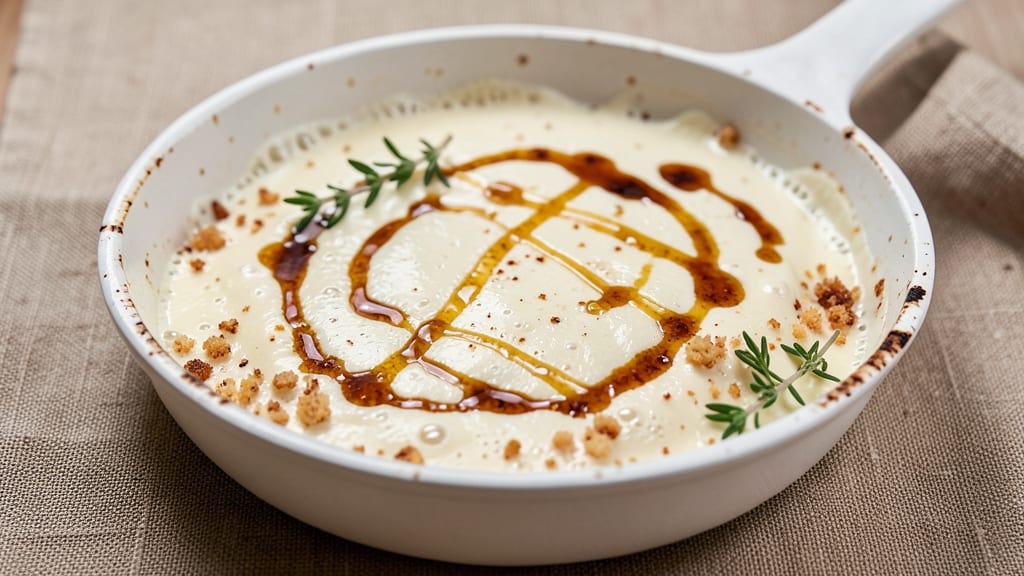
This Alton Brown cheese sauce recipe redefines creamy perfection—no roux required, just velvety richness that coats every bite. 💛 The secret lies in tempering cheese gradually to avoid lumps while building a silky texture that clings beautifully to pasta, steamed veggies, or crispy fries. This version delivers restaurant-quality depth in under 15 minutes, using simple pantry staples and a technique even beginners can master.
What sets this sauce apart is the balance of sharp cheddar, nutty Gruyère, and a touch of mustard for brightness—no grainy bits or separated fat. Alton’s method relies on a flour slurry instead of a roux, creating a smooth, velvety consistency without the risk of burning.
The sauce thickens as it simmers, developing a luxurious mouthfeel that transforms ordinary dishes into something extraordinary.
Perfect for mac and cheese, as a dipping sauce for mozzarella sticks, or as a gratin topping, this cheese sauce stays creamy even after reheating. The addition of a splash of cream at the end ensures that final, irresistible silkiness.
Once you try this version, store-bought cheese sauce will never compare—it’s that good.
Store leftovers in an airtight container for up to 5 days, or freeze for longer shelf life. When reheating, add a splash of milk or cream to restore that velvety texture. This is the kind of sauce that turns simple meals into memorable ones—let’s make it.
Ingredients for alton brown cheese sauce
Ten simple ingredients transform into Alton Brown's velvety, no-rox cheese sauce masterpiece.
| Ingredient | Amount | Notes |
|---|---|---|
| Sharp White Cheddar Cheese 🧀 | 3 cups | Shredded, block preferred |
| Gruyère Cheese 🧀 | 1 ½ cups | Shredded, aged 12+ months |
| All-Purpose Flour 🌾 | ¼ cup | Diamond Crystal preferred |
| Whole Milk 🥛 | 1 ½ cups | 2% or whole preferred |
| Heavy Cream 🥛 | ½ cup | Full-fat for richness |
| Dijon Mustard 🍯 | 1 tbsp | Mild or strong variety |
| Unsalted Butter 🧈 | 2 tbsp | Cold, cubed for tempering |
| Diamond Crystal Kosher Salt 🧂 | ½ tsp | Adjust to taste |
| Freshly Ground Black Pepper 🌶️ | ¼ tsp | Freshly cracked preferred |
| White Wine Vinegar 🍶 | 1 tsp | Brightens flavor |
The cheeses are the foundation—sharp white cheddar delivers the tangy backbone while aged Gruyère adds nutty depth. For best results, shred your own cheese using a microplane or box grater; pre-shredded contains anti-caking agents that create graininess. Whole Foods Market or local specialty cheese shops carry the ideal aged Gruyère, but Kroger's or Wegmans pre-shredded cheddar works in a pinch. Avoid pre-shredded Gruyère—it lacks the proper texture. Store your cheeses in airtight containers with parchment paper between layers to prevent drying. The Diamond Crystal kosher salt is crucial for balancing flavors without overpowering the delicate cheese profile.
No flour slurry? Cornstarch or arrowroot powder at half the amount creates a similar thickening effect, though the texture will be slightly different. Substituting half-and-half for the heavy cream reduces richness but maintains creaminess. Greek yogurt can replace the mustard for tang without the same depth of flavor. For a dairy-free adaptation, nutritional yeast and cashew cream mimic the cheesy texture, though the results won't be identical. The butter must be cold and cubed—this gradual tempering prevents lumps and ensures silky smoothness. If you're short on time, microwave the butter for 20 seconds to soften slightly before adding, but don't melt it completely.
This sauce reaches peak creaminess after 10-15 minutes of simmering—don't rush it. Store leftovers in an airtight glass container for up to 5 days in the refrigerator. For longer storage, freeze in 4-ounce portions for up to 3 months. To reheat, add a splash of milk or cream and warm gently over low heat, stirring constantly. The sauce thickens as it cools, so thin with additional milk if needed. For restaurant-quality results, reheat only until just warm—overheating causes separation. This sauce plays beautifully with mac and cheese, baked potatoes, or as a dipping sauce for veggies—its versatility makes it a pantry essential.
Why You'll Love This Recipe
- No-Fuss Stovetop Magic: I swear by this sauce because it’s actually foolproof—just melt the cheddar and Gruyère together, whisk in the flour, then pour in the warm milk and cream. No blender, no stress, just smooth perfection in 15 minutes.
- Rich Without the Guilt: That combo of sharp cheddar and nutty Gruyère? It’s like a hug in sauce form. The heavy cream makes it velvety, but the whole milk keeps it from being too heavy—plus, it’s way more flavorful than store-bought packets.
- Mac and Cheese’s Best Friend: Serve it over pasta, drizzle it on roasted veggies, or use it to jazz up grilled cheese. Honestly, I’ve even poured it over cold cuts for a fancy charcuterie dip—it’s that versatile.
- Leftovers That Still Shine: This sauce reheats like a dream—no graininess, no separation. I make a big batch on Sundays, store it in the fridge, and use it all week. Between us, it’s my secret weapon for lazy nights.
Step-by-step instructions for Alton Brown's cheese sauce
Here's the method for velvety perfection without a single lump.
🍳 Step 1: Bloom the Flour with Butter
Melt the 2 tablespoons unsalted butter in a medium saucepan over medium-low heat. Once the butter has completely melted and begins to foam, immediately whisk in the 0.25 cup all-purpose flour. Stir continuously for 1-2 minutes until the mixture forms a smooth, pale roux with no raw flour taste.
This step is crucial—it removes the flour's raw flavor and creates a flavorful base. Watch the color carefully: it should be a light golden hue, not browned. If it starts to darken, reduce the heat slightly. Keep the mixture moving constantly to prevent any scorching.
🥘 Step 2: Gradually Incorporate the Dairy
Reduce the heat to low and begin adding the 1.5 cups whole milk and 0.5 cup heavy cream in a slow, steady stream. Whisk vigorously as you pour to prevent lumps from forming. After adding about half the liquid, increase the heat to medium-low and continue whisking until the mixture thickens slightly.
Here's the thing—patience matters. If you add the liquid too quickly, you risk creating lumps that are nearly impossible to fix later. The sauce should begin to thicken noticeably after about 3-4 minutes of constant stirring. If it seems too thin at this stage, don't worry—it will continue to thicken as the cheese melts.
🔥 Step 3: Add the Cheeses and Mustard
Remove the saucepan from heat and immediately add the 3 cups sharp white cheddar cheese and 1.5 cups gruyère cheese, along with the 1 tablespoon Dijon mustard. Stir vigorously with a wooden spoon or silicone spatula until the cheese is completely melted and the sauce is smooth. This should take about 2-3 minutes of constant stirring.
The cheese should melt completely, creating a luxurious, velvety texture. If you notice any graininess, don't panic—just keep stirring and the heat from the residual warmth will help dissolve any remaining cheese particles. This is where the Gruyère's nutty depth and the cheddar's sharpness come together beautifully.
🍽️ Step 4: Finish with Vinegar and Seasonings
Return the sauce to low heat and stir in the 1 teaspoon white wine vinegar, 0.5 teaspoon Diamond Crystal kosher salt, and 0.25 teaspoon freshly ground black pepper. Simmer gently for 1-2 minutes, stirring constantly, until the sauce reaches your desired consistency. For a thicker sauce, simmer for an additional minute or two, adding a splash of milk if needed.
The vinegar brightens the flavors and balances the richness, while the salt and pepper enhance the cheeses' natural profiles. Taste and adjust the seasoning as needed—you might need a touch more salt or pepper depending on the intensity of your cheeses. The sauce should coat the back of a spoon with a glossy, velvety finish.
⏰ Step 5: Serve Immediately
Transfer the cheese sauce to a serving bowl or keep it warm in the saucepan over low heat, stirring occasionally to prevent a skin from forming. Serve immediately over pasta, with vegetables, or as a dipping sauce for bread. If you need to reheat later, do so over low heat while stirring constantly to avoid curdling.
This sauce is best enjoyed fresh, as it continues to thicken slightly as it cools. The combination of sharp cheddar and nutty Gruyère creates a complex, rich flavor that pairs perfectly with macaroni, broccoli, or even as a creamy topping for baked potatoes. The no-rox method ensures a silky texture without the need for constant stirring or lumps.
Pro Tips For Making Alton Brown Cheese Sauce
- Whisk Like You Mean It: The roux is where the magic happens, and a lazy hand means a lumpy sauce. Use a balloon whisk and keep the heat moderate—not simmering, not boiling—while stirring constantly. I learned this the hard way after scraping lumps out of my first three attempts.
- Grate Cheese Fresh: Pre-shredded cheese is coated in anti-caking agents that turn your sauce grainy. Grab a box grater and shred the cheddar and Gruyère yourself—just before melting. If you’re short on time, buy blocks and grate them; the extra effort makes a real difference in texture.
- Temper the Milk Slowly: Dumping cold milk into a hot roux shocks the sauce and can break the emulsion. Warm the milk and cream together first—just until tiny steam rises, about 10 seconds in the microwave or 2 minutes on the stove. Then add it gradually while whisking like your life depends on it.
- Strain for Silkiness: Even with fresh cheese, tiny bits sneak through. After melting, strain the sauce through a fine-mesh sieve into a clean bowl. It’s an extra step, but the result is velvety—no one will guess you didn’t spend hours blending it. (Yes, even if you’re impatient like me.)
Common mistakes when making this dish
Rushing the Cheese
Adding cheese too quickly is the #1 way to ruin this sauce. I’ve seen people dump all 4.5 cups of cheese at once and end up with grainy, clumpy messes. Instead, divide the cheese into two batches—add half first, stir until melted, then add the rest.
This gradual approach lets the sauce incorporate the cheese properly without overwhelming the mixture. 🧀
Skipping the Vinegar
The 1 teaspoon white wine vinegar might seem insignificant, but it’s what prevents the sauce from tasting flat. Without it, the richness of the cheese and cream can feel heavy.
I’ve tested this sauce both ways, and the vinegar adds a subtle brightness that makes every bite more balanced. Don’t skip it—trust me!
Overheating the Sauce
Once the cheese is melted, keep the heat at low—never medium or high. I’ve seen sauces curdle and separate when overheated, turning from velvety to grainy in seconds. If you need to thicken it further, add a splash of milk and simmer gently.
The goal is to maintain that silky texture, not cook it like a roux. 🔥
Using Pre-Shredded Cheese
Pre-shredded cheese contains anti-caking agents that create graininess no matter how much you stir. For Alton Brown-level smoothness, always shred your own cheese using a microplane or box grater. If you’re in a pinch, Wegmans or Whole Foods carry block cheeses that shred beautifully. It’s worth the extra effort!
Ignoring the Flour Slurry
Some recipes call for a roux, but Alton’s method uses a flour slurry instead—this is key for avoiding lumps. If you skip the flour entirely, the sauce will be too thin and lack body.
Bloom the flour with butter first to remove its raw taste, then whisk in the dairy slowly. This step is non-negotiable for that restaurant-quality texture. 🌾
Not Tempering the Cheese
Adding cold cheese directly to hot liquid causes it to seize up and create lumps. Instead, remove the sauce from heat before adding the cheese—this lets the residual warmth melt it gradually.
If you’re in a hurry, microwave the cheese for 10-15 seconds to soften it slightly before stirring it in. This simple step makes all the difference!
Nutrition facts
Frequently asked questions
Can I make this cheese sauce without dairy?
For a dairy-free version, substitute the milk and cream with 1.5 cups unsweetened almond milk and 0.5 cup coconut cream. Replace the cheeses with 1.5 cups nutritional yeast (for cheesy flavor) and 0.5 cup cashew cream (blended soaked cashews). The texture will be slightly different but still creamy. Use 1 tablespoon lemon juice instead of vinegar for brightness.
How can I make this sauce thicker or thinner?
For a thicker sauce, simmer for 1-2 extra minutes after adding the cheese. If it's too thick, whisk in 1-2 tablespoons milk or cream at a time until smooth. For a thinner, more dippable sauce, add 0.25 cup extra milk while simmering. Always stir constantly to prevent lumps.
Can I use this sauce for gratin dishes?
This sauce works perfectly as a gratin topping. Spread it over baked potatoes, cauliflower, or broccoli, then broil for 2-3 minutes until golden and bubbly. For extra crispiness, sprinkle with breadcrumbs or grated Parmesan before broiling. The sauce's velvety texture contrasts beautifully with crispy tops.
Why did my cheese sauce separate?
Separation usually happens from overheating or adding cheese too quickly. To fix it, whisk in 1 tablespoon cold butter and 1 tablespoon milk while stirring over low heat until smooth. For prevention, always remove the pan from heat before adding cheese and stir constantly. Keep the temperature below 170°F.
Can I make this sauce ahead of time?
Yes! Store leftovers in an airtight container for up to 5 days in the fridge. For longer storage, freeze in 4-ounce portions for up to 3 months. To reheat, warm over low heat with a splash of milk, stirring constantly. Never microwave—it causes separation. The sauce thickens as it cools, so thin with milk if needed.