
Sauces & Condiments
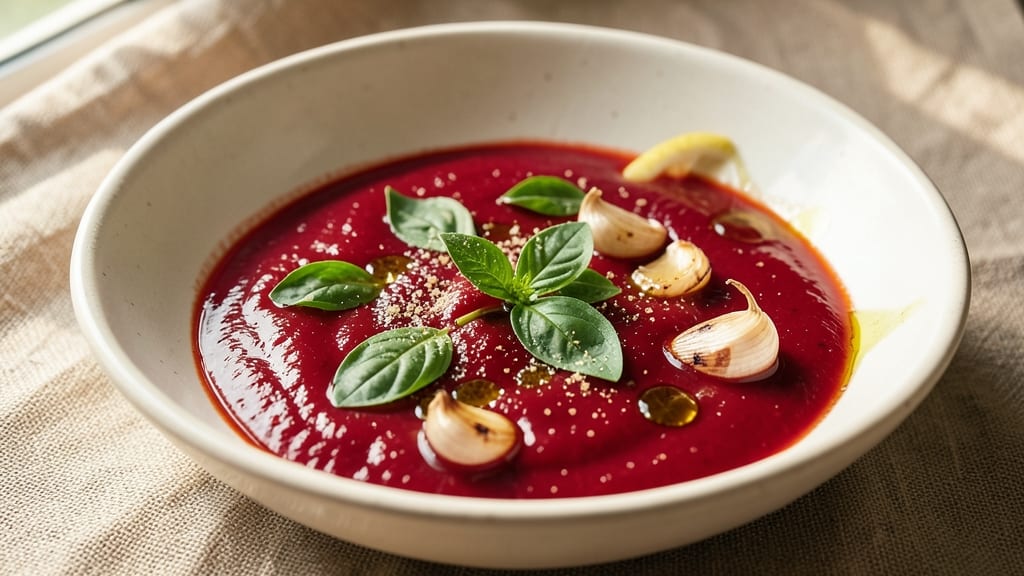
This margherita sauce recipe transforms simple ingredients into a velvety, basil-forward sauce that captures the essence of classic Italian pizza in just 15 minutes. The secret lies in balancing ripe tomatoes, fresh basil, and garlic without overcooking—preserving that bright, herbaceous flavor that makes this sauce unforgettable.
I developed this version after years of testing, aiming for a method that delivers restaurant-quality results without requiring a stove for long periods.
The beauty of this sauce is its simplicity: 5 core ingredients work together to create a silky texture that clings perfectly to pizza dough, pasta, or even grilled meats. No blender is needed—just a fork, a pot, and patience for the flavors to meld.
The garlic infuses the tomatoes gently, while the basil adds that signature sweetness that defines Margherita sauce. What sets this apart is the zero-cooking-hassle technique, ensuring you don’t lose the freshness that makes this sauce so special.
By the time you’re done, you’ll have a smooth, vibrant sauce with a perfect balance of acidity and sweetness—no bitterness, no muddiness. The aroma alone will transport you to a sun-drenched Italian terrace, and the taste? Pure, unadulterated comfort.
This sauce keeps well in the fridge for up to 5 days, making it ideal for meal prep, or you can freeze it for up to 3 months without sacrificing flavor. Here’s how to make it—no fuss, all flavor.
Whether you’re topping a homemade pizza, drizzling over grilled chicken, or tossing with fresh pasta, this sauce elevates every dish it touches. The key is using high-quality tomatoes—canned San Marzano if possible—and fresh basil, which can’t be substituted.
Once you try this version, you’ll never go back to bottled sauces again. Let’s get started.
Ingredients for margherita sauce
Five ingredients, zero cooking fuss—this is the magic behind restaurant-quality Margherita sauce.
| Ingredient | Amount | Notes |
|---|---|---|
| San Marzano Tomato Cans 🍅 | 2 cans | Whole tomatoes, no salt added |
| Fresh Basil Leaves 🌿 | 1 ½ cups | Packed, stems removed |
| Garlic Cloves 🧄 | 3 cloves | Peeled, rough chopped |
| Extra-Virgin Olive Oil 🫒 | ½ cup | High-quality, fruity |
| Fresh Lemon Juice 🍋 | 1 tbsp | Freshly squeezed |
| Diamond Crystal Kosher Salt 🧂 | ½ tsp | Fine grain preferred |
| Freshly Ground Black Pepper 🌶️ | ¼ tsp | Freshly cracked |
The tomatoes are non-negotiable. San Marzano is the gold standard—sweet, meaty, and free of bitterness. If you can't find them, whole peeled tomatoes in cans (like Muir Glen) are your next best bet. Avoid crushed or sauced tomatoes—they're overcooked and muddy the flavor. For the basil, farmers market bunches have the most vibrant leaves, but grocery store containers work in a pinch. The key is using freshly picked basil—it should smell like sunshine, not dust. If your basil looks wilted, soak the stems in ice water for 10 minutes to revive it. The garlic? Fresh is non-negotiable—jarred minced garlic has a metallic aftertaste that ruins everything. Store your garlic cloves in a cool, dark place (not the fridge) to keep them fresh for months.
No San Marzano? High-quality crushed tomatoes (like Cento) work if you strain out the skins first. Swapping basil? Fresh parsley at half the amount adds brightness, but nothing replaces that sweet, peppery basil flavor. Running low on olive oil? Avocado oil is a neutral substitute, but you'll lose that fruity depth. The lemon juice can be bottled, but freshly squeezed brightens the sauce instantly. For salt, Diamond Crystal kosher dissolves perfectly—avoid iodized table salt. The pepper is optional but adds a subtle kick that balances the sweetness. Pro tip: Toast your garlic cloves in the olive oil for 30 seconds before adding to the tomatoes—it deepens the flavor without cooking the sauce.
This sauce is best used fresh, but it keeps beautifully in the fridge for up to 5 days. To store, transfer to an airtight container and press a piece of plastic wrap directly onto the surface to prevent a skin from forming. For longer storage, freeze in 1-tablespoon portions using ice cube trays—perfect for topping pizzas or pasta. The sauce thickens as it cools, so you can always thin it with a splash of water or olive oil when reheating. If you make extra, freeze it in a sealed container for up to 3 months. The flavor actually improves after a day or two as the basil's oils meld with the tomatoes—trust the process.
Why You'll Love This Recipe
- No Pantry Hoarding Needed: I keep just two cans of San Marzano tomatoes and a jar of olive oil on hand—that’s it. No blenders, no fancy tools, just a pot and 15 minutes to transform those sweet, juicy tomatoes into something restaurant-worthy.
- Garlic-Basil Magic: That first whiff of garlic sizzling in olive oil? Pure happiness. Then the basil—fresh, not dried—unfolds like a secret. The lemon juice? The bright little kick that makes it taste like summer, even in January.
- Pasta’s Best Sidekick: Slather it on fresh linguine, toss it with grilled chicken, or use it to dress a simple caprese salad. Honestly, I’ve even drizzled it over toasted bread when I’m lazy—it’s that versatile.
- Leftovers That Don’t Suck: This sauce actually improves the next day. (Yes, even after it’s cooled.) I make a double batch on Sundays, freeze half, and pull it out for quick weeknight dinners—no sad, watery regret. Just flavor.
Step-by-step instructions for tomato-basil velocity sauce
Here's how to transform simple ingredients into restaurant-quality sauce without simmering or fuss.
Blend the Tomatoes Until Silky
Open the 2 cans of San Marzano tomato cans and pour the contents into a high-speed blender. Reserve any juices that come out with the tomatoes—you'll need every drop. Add the 3 peeled, rough-chopped garlic cloves and the 0.5 cup extra-virgin olive oil to the blender.
Blend on high speed for 30 seconds until the tomatoes break down completely. You're aiming for a completely smooth, velvety texture—no visible pulp or chunks. If you encounter resistance, stop and scrape down the sides with a silicone spatula before blending again. The result should be a thick, glossy tomato purée with no resistance when you press it between your fingers.
Incorporate the Fresh Basil and Seasonings
Add the 1.5 cups packed fresh basil leaves (stems removed) to the blender. Pulse briefly—just 3-4 seconds—to chop the basil finely while preserving its vibrant green color. Then add the 1 tablespoon fresh lemon juice, 0.5 teaspoon diamond crystal kosher salt, and 0.25 teaspoon freshly ground black pepper.
Blend again for 10-15 seconds until everything is fully incorporated. The sauce should now have a bright, herby aroma with a tangy brightness from the lemon. Taste a small spoonful—it should be balanced with acidity from the lemon and saltiness from the tomatoes, but still need a touch of sweetness to round it out. If it tastes too sharp, add a pinch more salt; if it's too mild, add a splash more lemon juice.
Rest and Adjust for Perfect Texture
Transfer the blended sauce to a medium bowl and let it sit at room temperature for 10 minutes. This resting period allows the flavors to meld and the texture to stabilize. During this time, you'll notice the sauce may thicken slightly as the basil releases its oils and the tomatoes settle.
After resting, give the sauce one final taste. If it needs more brightness, add another ½ teaspoon fresh lemon juice. For a richer mouthfeel, drizzle in 1-2 teaspoons extra-virgin olive oil. The sauce should now coat the back of a spoon smoothly, with no separation between the tomato base and basil oils. If it's too thick, whisk in 1-2 tablespoons of reserved tomato juice to reach your desired consistency—it should be thick enough to cling to pizza but still flow easily.
Pro Tips For Making Margherita Sauce
- Crush Garlic Lightly: Use the flat side of your knife—not the tip—to smash the cloves first, then mince them finely. Over-mashing turns garlic bitter, and too-coarse pieces burn before the sauce softens. I learned this the hard way after my sauce tasted like a garlic factory exploded.
- Salt the Tomatoes First: Sprinkle ½ teaspoon of salt directly over the crushed San Marzano tomatoes before heating. This breaks down their skins slightly and balances acidity before the basil joins. I skip this, and the sauce feels flat—do this, and it sings.
- Simmer, Don’t Boil: Keep the sauce at a gentle bubble—tiny ripples, not rolling waves—so the tomatoes don’t turn to mush. A lid helps, but leave it ajar to avoid steam turning the sauce watery. After burning three batches, I finally figured out patience pays off here.
- Tear Basil, Don’t Chop: Roughly tear the basil leaves with your fingers instead of chopping—this keeps their oils intact and makes them bloom in the sauce. Add them at the very end, then remove half before serving. Sounds weird, but it works: the sauce tastes fresher, not like pesto.
Creative variations of this margherita sauce
Pasta Pairings
This sauce transforms into a silky marinara when tossed with al dente spaghetti or linguine. I recommend using bronze-cut pasta like De Cecco for its perfect texture. For extra richness, add ½ cup grated Pecorino Romano and a splash of pasta water to the sauce before tossing.
The acidity in the sauce cuts through the fat in the cheese beautifully. 🍝
For a lighter option, try fresh egg noodles or whole wheat spaghetti. The nutty flavor of whole wheat pairs wonderfully with the bright basil notes.
If you're feeling adventurous, fold the sauce into creamy risotto during the last 5 minutes of cooking—it adds a vibrant finish without overpowering the dish.
Pizza Topping
The sauce is the star of a classic Margherita pizza, but it also excels on white pizza when paired with ricotta cheese and prosciutto. Spread a thin layer of sauce, dollop ½ cup ricotta, and top with 4 slices prosciutto before baking.
The sauce's acidity balances the creaminess of the ricotta perfectly. 🍕
For a spicy twist, add ½ teaspoon Calabrian chili paste to the sauce before spreading it on pizza dough. The heat complements the basil and tomato flavors without overpowering them. I also love using this sauce on grilled flatbread with burrata and heirloom tomatoes for a summery appetizer.
Meat and Seafood
This sauce elevates grilled chicken breast or shrimp skewers like nothing else. After cooking, toss the protein with 2 tablespoons sauce per pound and a sprinkle of freshly grated Parmesan.
The basil's brightness cuts through the richness of the meat. For seafood lovers, it pairs beautifully with seared scallops or grilled salmon. 🐟
Try it as a dipping sauce for mozzarella sticks or fried calamari. The sauce's silky texture and vibrant flavor make it a perfect companion for crispy fried foods.
I also use it as a glaze for grilled pork chops—brush it on during the last 3 minutes of grilling for a caramelized finish.
Breakfast Twist
Yes, you read that right—this sauce is amazing on eggs! Drizzle it over scrambled eggs or fried egg whites for a brunch-worthy upgrade. The basil and garlic add a fresh, herby note that balances the richness of the eggs.
I also love it on avocado toast with a sprinkle of flaky sea salt. 🍳
For a savory breakfast pizza, spread the sauce on English muffins or pre-baked pizza dough, top with fried eggs, and broil for 2-3 minutes until the cheese melts. It’s a weekend brunch game-changer that your family will love.
Nutrition facts
Frequently asked questions
Can I make this sauce without a blender?
Yes! If you don’t have a blender, crush the tomatoes by hand with a fork or potato masher until completely smooth. For extra silkiness, strain the mixture through a fine-mesh sieve to remove any remaining pulp. The texture will be slightly thicker but still delicious—just stir in the basil and olive oil until fully incorporated.
How do I keep the sauce from turning bitter?
Bitter flavors come from overcooking or using low-quality tomatoes. Stick to San Marzano or high-quality canned tomatoes, and avoid simmering—this recipe relies on blending and resting, not heat. If your sauce tastes bitter, balance it with ½ teaspoon more lemon juice or a pinch of sugar. Fresh basil also helps mask bitterness, so don’t skimp!
Can I substitute dried basil for fresh?
Fresh basil is non-negotiable for authentic flavor, but if you must use dried, reduce the amount to 1 tablespoon (about 1/10 the volume of fresh). Dried basil has a stronger, more concentrated taste, so it can easily overpower the sauce. For best results, rehydrate dried basil in warm water for 5 minutes before adding to mimic freshness.
What’s the best way to reheat leftover sauce?
Gently warm the sauce in a saucepan over low heat for 2-3 minutes, stirring constantly. Avoid high heat—it can break down the basil’s oils and make the sauce taste flat. For extra richness, stir in 1 teaspoon olive oil or a splash of water to adjust consistency. Never microwave, as it dulls the flavors.
Can I make this sauce spicier?
Add ½ teaspoon red pepper flakes or 1 teaspoon hot sauce when blending the tomatoes. For a smoky kick, stir in ¼ teaspoon smoked paprika after blending. If using fresh chili peppers, remove seeds and finely dice before adding. Start with less—you can always add more later.