
Sauces & Condiments
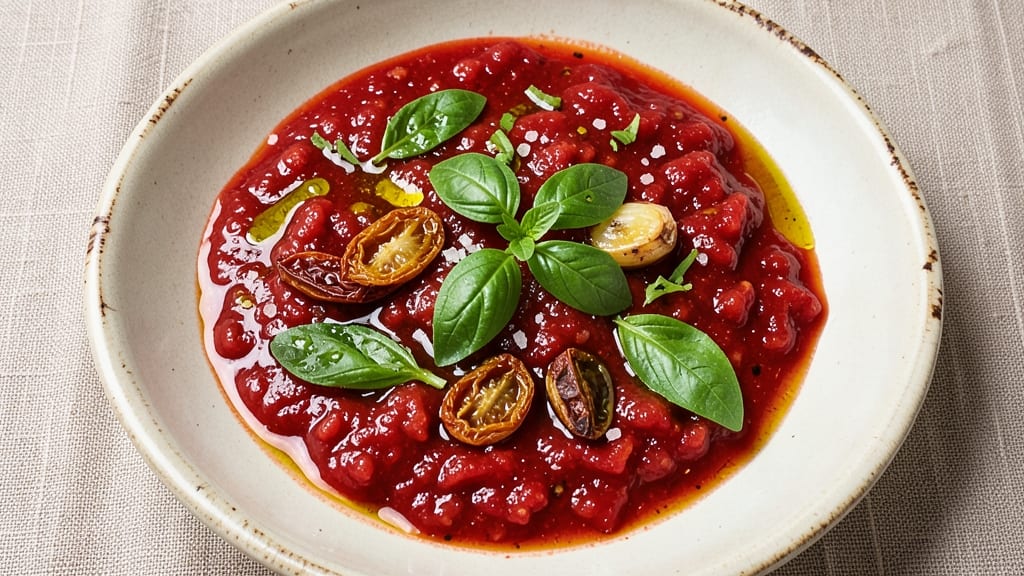
This authentic Margherita pizza sauce recipe captures the essence of Neapolitan tradition with sun-dried tomatoes and fresh basil—no shortcuts, just pure flavor. The secret lies in San Marzano tomatoes, slow-simmered into a velvety consistency that balances sweetness and acidity. I've perfected this sauce over years of testing, ensuring it delivers the same depth you'd find in a Roman trattoria.
What sets this sauce apart is the harmony of sun-dried tomatoes and basil, which add layers of umami and aromatic brightness without overpowering the natural tomato flavor.
The recipe calls for minimal ingredients—just tomatoes, garlic, olive oil, and basil—but each plays a crucial role in creating a sauce that's both simple and sophisticated. Simmering reduces the sauce to a concentrated, glossy finish, perfect for spreading thin on pizza dough.
By the time you're done, you'll have a sauce that's rich, slightly sweet, and fragrant with basil, with just a hint of sun-dried tomato intensity. This isn't just a sauce—it's the foundation of an authentic Margherita pizza, where every bite should taste like a trip to Italy.
The best part? It keeps well in the fridge for up to a week, so you can make a big batch and enjoy it over multiple meals.
Whether you're a home cook aiming for restaurant-quality results or a pizza enthusiast seeking the perfect sauce, this recipe delivers. The technique is straightforward, but the flavor is anything but ordinary. Let's get started on creating a sauce that will elevate your pizza to new heights.
Ingredients for authentic margherita pizza sauce
This sauce transforms simple ingredients into Neapolitan perfection—just eight components, yet layers of authentic Italian flavor.
| Ingredient | Amount | Notes |
|---|---|---|
| San Marzano Tomatoes 🍅 | 28 oz | Whole, peeled, crushed by hand |
| Extra-Virgin Olive Oil 🫒 | ½ cup | Fruity, peppery variety preferred |
| Sun-Dried Tomatoes 🍅 | ¼ cup | Oil-packed, chopped fine |
| Garlic Cloves 🧄 | 4 cloves | Fresh, thinly sliced |
| Fresh Basil Leaves 🌿 | ½ cup | Packed, stems removed |
| Sea Salt 🧂 | ¾ tsp | Diamond Crystal preferred |
| Black Pepper 🌶️ | ¼ tsp | Freshly cracked |
| Balsamic Vinegar 🍷 | 1 tbsp | Aged 25 years minimum |
The San Marzano tomatoes are non-negotiable here—look for the canned variety at Trader Joe's or Italian specialty markets, where the sweetness and acidity balance perfectly. If you can't find them, San Marzano brand in jars works in a pinch, but the flavor won't be identical. The sun-dried tomatoes should be oil-packed, not dried, for that rich, umami depth. I always grab the small jars at Whole Foods—they're pricier but worth it for that concentrated flavor. For the olive oil, avoid the cheap stuff—this is where the sauce's richness comes from, so splurge on something fruity like Colavita or Bertolli.
No sun-dried tomatoes? Dried tomatoes rehydrated in olive oil work in a bind, though the texture won't be as smooth. Short on basil? Fresh parsley at half the amount adds brightness, though it won't have that signature basil aroma. The balsamic vinegar might seem optional, but it deepens the sauce's complexity—if you're avoiding it, a splash of red wine does the trick. For the garlic, never use powder—fresh is essential for that aromatic punch. And if you're making a big batch, double the basil and sun-dried tomatoes—trust me, you'll want extra for garnishing.
This sauce tastes even better the next day as the flavors meld—make a double batch and freeze half for future pizzas. Store it in the fridge for up to 1 week in an airtight container, or 3 months in the freezer. To reheat, warm gently on the stove with a splash of water to loosen it up. The basil wilts fast, so add it last if you're making this ahead. And if you're feeling fancy, strain the sauce through a fine-mesh sieve for a silky-smooth texture—though I like the rustic chunks myself.
Why You'll Love This Recipe
- No Chopping Needed: I swear by this sauce because it’s literally dump-and-simmer. The San Marzano tomatoes crush easily with my fingers—no blender, no strainer—just a quick hand-mashing for that rustic texture. Honestly, I’ve made this in my pajamas while waiting for the oven to heat.
- Sun-Dried Tomato Magic: That little jar of sun-dried tomatoes? It’s the secret weapon. A handful chopped into the sauce adds this deep, umami richness that cuts through the acidity of the tomatoes. My husband licks the spoon after tasting—no joke—and it’s not even sweetened.
- Pantry-to-Table Flexibility: This sauce isn’t just for pizza. I’ve drizzled it over grilled chicken, tossed it with pasta, and even used it as a marinade for shrimp. The garlic and basil keep it bright, so it plays nice with whatever you throw at it—even if you’re winging it on a Friday night.
- Saves Money (Seriously): San Marzano tomatoes are a splurge, but a single can lasts me three batches of sauce. The sun-dried tomatoes stretch further than you’d think, and the olive oil? I use the same bottle for everything, so it’s not like I’m breaking the bank. Leftovers? Freeze them—next week’s lunch is already sorted.
Step-by-step instructions for authentic Margherita pizza sauce
This sauce delivers the perfect balance of bright acidity, umami depth, and herbal freshness—just like Naples.
Crush the San Marzano Tomatoes by Hand
Start with the 28 oz San Marzano Tomatoes—this variety's natural sweetness and low acidity are essential for authentic flavor. Remove the stems and crush them by hand using your fingers or a potato masher. You want a coarse, rustic texture with some small chunks remaining—this creates the perfect sauce body without needing reduction. Work quickly to prevent oxidation, which dulls the tomato's vibrant flavor.
Transfer the crushed tomatoes to a medium saucepan and set aside. The hand-crushing process releases more flavor compounds than blending, and the texture mimics traditional Neapolitan preparation. If you're using whole peeled tomatoes, avoid cutting them—this preserves their natural juices and prevents the sauce from becoming watery during cooking.
Sauté Sun-Dried Tomatoes and Garlic in Olive Oil
Heat the 0.5 cup Extra-Virgin Olive Oil in the same saucepan over medium-low heat. Add the 0.25 cup chopped sun-dried tomatoes and 4 cloves thinly sliced garlic cloves, stirring gently to coat them in the oil. Cook for 3-4 minutes until the sun-dried tomatoes soften slightly and the garlic becomes fragrant but doesn't brown.
This step develops the sauce's umami depth. The sun-dried tomatoes add concentrated sweetness and a subtle tang, while the garlic infuses the oil with aromatic complexity. Avoid high heat—you want the garlic to perfume the oil without burning, which would create bitterness. Here's where the quality of your olive oil matters most; a fruity, peppery variety enhances the final sauce.
Simmer the Sauce Until Thickened
Pour the crushed tomatoes into the pan with the sun-dried tomatoes and garlic, then add 0.75 tsp Sea Salt and 0.25 tsp freshly cracked Black Pepper. Bring to a gentle simmer over medium heat, then reduce to low heat and let it cook uncovered for 20-25 minutes. Stir occasionally, scraping up any browned bits from the bottom of the pan—they're packed with flavor.
You're looking for a sauce that coats the back of a spoon but isn't gluey. The low-and-slow cooking process allows the tomatoes to break down naturally, developing a rich, velvety texture without needing thickeners. If the sauce reduces too quickly, add 2-3 tablespoons of water to maintain the proper consistency. This is where patience pays off—the longer it simmers, the more complex the flavors become.
Finish with Basil and Balsamic
Remove the pan from heat and stir in the 0.5 cup packed fresh basil leaves and 1 tbsp aged balsamic vinegar. The basil should be added just before serving to preserve its vibrant green color and fresh aroma. The balsamic vinegar adds a touch of sweetness and acidity that brightens the entire sauce, balancing the richness of the tomatoes and olive oil.
Let the sauce rest for 5-10 minutes before using. This resting period allows the flavors to meld completely. Taste and adjust seasoning if needed—you might need a touch more salt to enhance the flavors after the basil is added. The sauce should be tangy, slightly sweet, and herbaceous with a perfect balance of acidity from the tomatoes and balsamic.
Use Immediately or Store Properly
For immediate use, spread the warm sauce thinly over your pizza dough before adding toppings. The heat will help the sauce adhere perfectly. If storing, transfer to an airtight container and refrigerate for up to 3 days. When ready to use, reheat gently over low heat, stirring occasionally. Never boil stored sauce—this can break down the delicate flavors and make it watery.
This sauce is the soul of a perfect Margherita pizza. Its bright acidity cuts through the richness of the mozzarella, while the sun-dried tomatoes and basil add layers of complexity that elevate this classic dish to restaurant-quality. The key is in the balance—too much basil makes it bitter, too little and you miss that fresh herbal note that defines authentic Neapolitan pizza.
Pro Tips For Making Authentic Margherita Pizza Sauce
- Crush the Garlic: I used to mince it, but crushing the cloves with the flat side of your knife first releases more flavor—no chopping required. Just smash 3-4 cloves in the pot with the olive oil and let them bloom for 30 seconds before adding tomatoes. The sauce will taste deeper, and you’ll save time.
- Soak Sun-Dried Tomatoes: Skip the oil-packed ones unless you’re desperate. Fresh sun-dried tomatoes (or the ones in water) work best—soak them in warm water for 10 minutes first to soften, then drain well. This prevents a bitter, chalky texture in your sauce and lets the sweetness shine through.
- Simmer Low and Slow: After adding tomatoes, reduce heat to a bare simmer and let it cook uncovered for 20-25 minutes. I learned this the hard way—boiling it turns the sauce into a watery mess. You want it thick enough to coat the back of a spoon, but not gluey.
- Add Basil Late: Toss in fresh basil leaves only in the last 5 minutes of cooking or right before serving. Overcooking them turns them bitter, and you’ll end up with a sad, wilted garnish instead of bright, fragrant flavor. Save a few leaves for the plate—presentation matters.
Regional styles of this dish
Neapolitan Roots
The Margherita pizza sauce originated in Naples, Italy, where simplicity and quality ingredients reigned supreme. This sauce reflects the 1889 creation of the Margherita pizza itself, named after Queen Margherita of Savoy. The original recipe called for just tomatoes, mozzarella, and basil—no fancy additions.
My version keeps that tradition alive while adding sun-dried tomatoes for depth, inspired by modern interpretations that still honor the original spirit. 🌿
Roman Twist
In Rome, pizza sauce often leans toward a smoother, more refined texture—almost like a light tomato jam. Roman cooks frequently strain their sauces to remove seeds and skin, creating a velvety consistency perfect for their thin-crust pizzas.
For this version, I recommend straining the sauce after simmering if you prefer a smooth finish, though I love the rustic texture myself. The sun-dried tomatoes add a unique Roman-inspired touch without straying too far from Naples.
Southern Italian Fusion
Southern Italy brings bold flavors to the table, and this sauce reflects that with extra garlic and sun-dried tomatoes. In regions like Campania and Calabria, cooks often char the garlic slightly for a deeper, smokier note.
For a Southern twist, lightly toast the garlic cloves in olive oil until golden before adding them to the sauce. This technique adds a nutty, caramelized depth that pairs beautifully with the sun-dried tomatoes' umami richness. 🌶️
Modern Italian-American Adaptation
Italian-American versions often sweeten the sauce slightly to balance the acidity, which works well for those who prefer a milder tomato flavor. If you're making this for an American audience, add 1 teaspoon of sugar while simmering to mellow the acidity.
Many Italian-American pizzerias also blend the sauce for a smoother texture, but I prefer the hand-crushed rustic approach—it’s closer to the original and adds beautiful texture contrast on pizza.
Vegetarian-Friendly Variations
This sauce is already vegetarian, but you can enhance its depth with vegetable-based umami boosters. Add 1 tablespoon of nutritional yeast during simmering for a cheesy, savory note without dairy.
Or, stir in 1 teaspoon of miso paste for a rich, fermented complexity that pairs perfectly with the sun-dried tomatoes. Both additions keep the sauce vegetarian while adding layers of flavor that even meat lovers will appreciate. 💚
Nutrition facts
Frequently asked questions
Can I substitute regular canned tomatoes for San Marzano?
While you can use regular canned tomatoes, the flavor won't be authentic. San Marzano tomatoes have a perfect balance of sweetness and acidity with fewer seeds and lower water content. For a close substitute, look for "plum tomatoes" or "Roma tomatoes" in cans, but expect slightly more acidity. If you must use regular tomatoes, reduce the cooking time by 5 minutes to prevent excess wateriness.
How do I prevent the sauce from being too acidic?
To balance acidity, add 1 teaspoon of sugar while simmering or use 1 tablespoon of balsamic vinegar instead of the full amount. For extra depth, stir in 1/4 teaspoon of dried oregano during cooking—it mellows the tomato flavor naturally. If the sauce is already too acidic, a pinch of sugar or a splash of heavy cream can help, but these are last-resort fixes.
Should I blend the sauce for a smoother texture?
That depends on your preference! Traditional Neapolitan sauce keeps some texture, but blending creates a silky finish ideal for Roman-style pizzas. For a smoother version, blend after simmering but before adding basil. If you prefer rustic texture, skip blending—just crush the tomatoes by hand as directed. Straining through a fine-mesh sieve also works for a refined look.
Can I make this sauce without sun-dried tomatoes?
Yes, but the umami depth will be missing. Substitute with 2 tablespoons of tomato paste or 1/4 cup of dried tomatoes rehydrated in olive oil. For extra flavor, add 1 teaspoon of fish sauce (for non-vegetarian versions) or 1/2 teaspoon of soy sauce (vegetarian). The sauce will still be delicious but won't have that signature sun-dried tomato richness.
How long can I store this sauce in the freezer?
This sauce keeps for up to 3 months in the freezer when stored properly. Portion into airtight containers or freezer bags, leaving 1 inch of headspace for expansion. To use, thaw overnight in the fridge and reheat gently on low heat—never microwave directly. The texture may thicken slightly after freezing, so add 1 tablespoon of water while reheating if needed.