
Sauces & Condiments
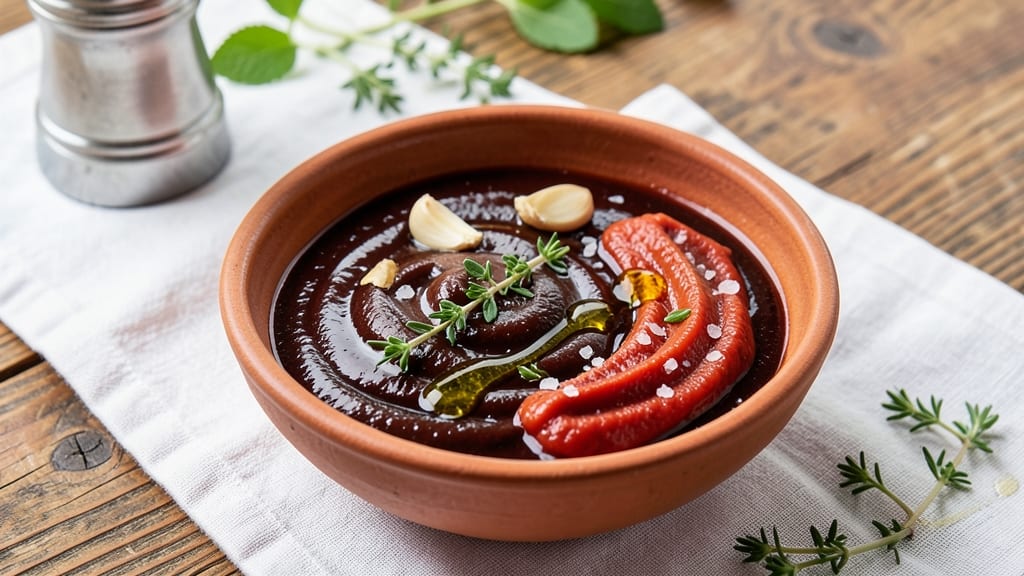
This balsamic vinegar dipping sauce transforms ordinary meals into something extraordinary with its perfect balance of sweet, tangy, and umami flavors. 💛 The secret lies in reducing balsamic vinegar to a glossy, syrupy consistency that clings beautifully to fries, flatbread, or grilled meats.
I developed this recipe after years of experimenting with store-bought versions that always fell short—too sweet, too thin, or lacking depth.
The magic happens when you simmer the vinegar with honey or maple syrup, creating a rich, caramelized base that’s neither cloying nor overpowering. A touch of Dijon mustard adds complexity, while fresh herbs like thyme or rosemary elevate it from simple sauce to gourmet finishing touch.
The result? A sauce that’s versatile enough for appetizers, sides, or even drizzled over salads.
What makes this recipe stand out is its foolproof technique—no emulsifiers needed, just patience as the vinegar reduces to a velvety glaze. It keeps well in the refrigerator for up to 2 weeks, making it perfect for meal prep.
Whether you’re serving up golden fries, warm pita bread, or grilled vegetables, this sauce will turn every bite into a moment worth savoring.
The best part? It takes just 15 minutes to make, with ingredients you likely already have in your pantry. No fancy equipment, no complicated steps—just pure, restaurant-quality flavor. Let’s get started!
Ingredients for balsamic vinegar dipping sauce
Nine pantry staples transform into this velvety, restaurant-worthy sauce that elevates everything from fries to flatbread.
| Ingredient | Amount | Notes |
|---|---|---|
| Balsamic Vinegar 🍷 | 1 cup | High-quality aged variety preferred |
| Pure Maple Syrup 🍁 | ⅓ cup | Grade A or B for best flavor |
| Dijon Mustard 🥬 | 1 tbsp | Mellow or strong depending on preference |
| Extra-Virgin Olive Oil 🫒 | ¼ cup | For richness and smooth texture |
| Fresh Thyme Leaves 🌿 | 1 tbsp | Or 1 tsp dried thyme if fresh unavailable |
| Garlic Cloves 🧄 | 2 cloves | Minced for aromatic depth |
| Salt 🧂 | ½ tsp | Diamond Crystal kosher preferred |
| Black Pepper 🌶️ | ¼ tsp | Freshly cracked for best flavor |
| Red Wine Vinegar 🍷 | 1 tbsp | For extra tangy complexity |
| Fresh Rosemary 🌿 | ½ tsp | Chopped finely for aromatic touch |
The balsamic vinegar is the star here—aged varieties like those from Modena or Tuscany give that rich, caramelized depth. Trader Joe's and Whole Foods carry excellent options, but even the good stuff from your local grocery store will work. I always double-check the label for 'aged' or 'extra-aged'—those terms mean it's been reduced naturally for months, giving you that glossy, syrupy texture. Fresh thyme and rosemary? Grow your own if possible, but the dried stuff from Penzeys works in a pinch. The garlic should be fresh—no jarred minced garbage here. That's where the magic happens.
No maple syrup? Honey works beautifully, though it'll be slightly more floral. Swap the red wine vinegar for extra balsamic if you're out, but you'll lose some complexity. The Dijon mustard is non-negotiable for that creamy texture—Maille is my go-to, but any good-quality brand does the trick. Short on fresh herbs? Dried thyme at one-third the amount gets you close, but nothing beats the real thing. The olive oil should be extra-virgin—California brands like Corto or Lucini add that fruity richness that makes this sauce sing. And if you're feeling fancy, add a pinch of smoked paprika for depth.
This sauce keeps like a dream—2 weeks in the fridge, sealed tightly in a jar. The flavors actually meld better over time, so make extra. I portion mine into small jars for meal prep—perfect for drizzling over everything from grilled veggies to roasted potatoes. If it thickens too much, just whisk in a splash of warm water. Freezes beautifully too, though the texture might separate slightly—just stir it back together before using. Trust me, you'll want to make this sauce all the time.
Why You'll Love This Recipe
- Five-Ingredient Magic: I swear by this combo—just simmer those five things together, and boom—something special happens. The maple syrup softens the sharpness of the balsamic, while the Dijon mustard adds that little kick that makes it actually exciting, not just sweet.
- No Fuss, Big Payoff: Honestly, I’ve made this sauce while waiting for chicken to bake or while scrolling through my phone—it’s that simple. Stir, simmer for 10 minutes, and you’re done. The thyme leaves infuse just enough aroma without needing a fancy herb bundle.
- Game for Any Occasion: Between us, this sauce is my go-to for grilled veggies, crusty bread, or even as a drizzle over roasted potatoes. It’s fancy enough for a dinner party but unfussy enough for a lazy Sunday. (Yes, even on a Tuesday night.)
- Leftovers That Don’t Suck: Unlike most sauces that turn sad after a day, this one actually improves in the fridge. Thicker, richer, and still packed with flavor—perfect for drizzling on tomorrow’s meal. And since it’s cheap to make, you won’t mind using it up.
Step-by-step instructions for sweet-tangy balsamic dipping sauce
Here's how to craft this velvety, balanced sauce that elevates everything from fries to flatbread.
🍳 Step 1: Simmer the Balsamic and Maple Base
Combine the 1 cup balsamic vinegar and 0.33 cup pure maple syrup in a small saucepan over medium-low heat. Bring to a gentle simmer and let it reduce for 8-10 minutes, stirring occasionally, until the mixture thickens noticeably and darkens to a rich amber color. You're looking for a syrupy consistency that coats the back of a spoon—this concentrated flavor is the sauce's foundation.
I like to swirl the pan gently to prevent scorching while maintaining even reduction. If it starts to bubble too vigorously, reduce the heat immediately. The aroma will become intensely caramelized and fruity—this is your cue that the base is developing its signature depth. Let it cool slightly before proceeding; you'll want to work with warm but not smoking-hot ingredients next.
👨🍳 Step 2: Blend in Aromatics and Mustard
While the balsamic mixture cools, finely mince the 2 cloves garlic and chop the 1 tbsp fresh thyme leaves and 0.5 tsp fresh rosemary into tiny pieces. Add these to a blender along with the 1 tbsp Dijon mustard, 0.25 tsp black pepper, and 0.5 tsp salt. Pulse just until everything is finely chopped but not yet blended—you want to preserve some texture from the herbs.
This is where the magic happens: the mustard adds subtle tang while the herbs infuse earthy complexity. I always use fresh rosemary and thyme here—their aromatic oils are far superior to dried for this application. When the balsamic mixture has cooled enough to handle (it should be warm but not hot to the touch), pour it into the blender with the aromatic mixture.
🍳 Step 3: Emulsify with Olive Oil and Red Wine Vinegar
With the blender running on low speed, slowly drizzle in the 0.25 cup extra-virgin olive oil and 1 tbsp red wine vinegar. This gradual addition is crucial—it allows the oil to properly emulsify with the balsamic mixture, creating that luxurious, glossy texture. Once all the oil is incorporated, increase the speed to high and blend for 30-45 seconds until completely smooth.
The sauce should now have a velvety consistency with a beautiful glossy sheen. If it's too thick, add 1-2 teaspoons of warm water while blending. Taste and adjust seasoning—you might need a touch more salt or pepper to balance the sweet-tangy profile. Here's the thing: this sauce tastes even better after it sits for 30 minutes at room temperature, allowing all the flavors to meld completely.
⏰ Step 4: Rest and Serve at Peak Flavor
Transfer the finished sauce to a clean jar or bowl and let it rest at room temperature for at least 30 minutes before serving. This resting period allows the flavors to fully develop and the texture to set properly. The sauce will thicken slightly as it cools, creating that perfect dipping consistency—neither too runny nor too stiff.
For the ultimate presentation, drizzle a small amount over warm fries or flatbread just before serving. The contrast of the warm, crispy food with the cool, glossy sauce is pure indulgence. Store any leftovers in the refrigerator for up to 2 weeks—the flavors actually improve over time as the components continue to marry. When ready to use, give it a quick stir and let it come to room temperature before serving for the best texture.
Pro Tips For Making Balsamic Vinegar Dipping Sauce
- Simmer Slowly: I learned this the hard way—boiling the sauce turns it sharp and bitter. Instead, keep the heat at a gentle simmer (just small bubbles breaking the surface) and stir every 30 seconds. This lets the flavors meld without overcooking the delicate maple syrup.
- Use Real Thyme: Fresh thyme leaves make all the difference, but don’t just toss in the stems. Strip them carefully—run your fingers along the woody stem to release the tiny leaves, then chop them finely. Dried thyme won’t cut it here; the bright, herbal note fades fast.
- Balance the Sweetness: Too much maple syrup? The sauce turns cloying. Start with 1 tablespoon per ¼ cup balsamic, then taste as you go. If it’s too sweet, add a splash of vinegar or a pinch of salt—this cuts through the richness without killing the flavor.
- Emulsify the Oil: The olive oil is the game-changer, but it won’t mix smoothly if you dump it in cold. Warm the sauce slightly (just until the oil melts into it), then whisk in the oil drop by drop while stirring constantly. This creates that silky, velvety texture—no lumps, no separation.
Essential equipment for balsamic vinegar dipping sauce
Small Saucepan
You’ll need a small, heavy-bottomed saucepan (about 1-2 quart capacity) for reducing the balsamic vinegar. I recommend stainless steel—it distributes heat evenly and prevents scorching. A non-stick pan works too, but avoid aluminum as it can react with acidic ingredients like vinegar.
My go-to is a 3-quart stainless steel saucepan from All-Clad, but any good-quality brand will do. 🔥
Immersion Blender
While a standard blender works, an immersion (stick) blender makes this sauce even easier—no transferring hot liquids! I use the Ninja BN601 for its powerful motor and easy cleanup. If you don’t have one, a high-speed blender (like Vitamix or Blendtec) works perfectly.
Just be cautious when blending hot liquids—let the mixture cool slightly first. The immersion blender also lets you adjust consistency right in the pan.
Fine-Mesh Strainer
A fine-mesh strainer (about 4-inch diameter) is handy if you prefer a smoother sauce without herb bits. I keep a stainless steel mesh strainer from OXO in my kitchen—it’s durable and easy to clean.
If you’re okay with tiny herb flecks, you can skip this step entirely. The strainer also works well for removing any sediment if you’re using a lower-quality vinegar. 🌿
Measuring Spoons
Precision matters with this recipe, so invest in high-quality measuring spoons (like OXO Good Grips). I use them for the 1 tbsp Dijon mustard, 0.5 tsp salt, and 0.25 tsp black pepper—these small amounts make a big difference.
A set with both standard and metric measurements is ideal if you cook with multiple systems. Avoid cheap plastic spoons—they wear out quickly and can harbor flavors.
Glass Storage Jar
For storing your finished sauce, a glass jar with an airtight lid (like Le Parfait or Ball Mason jars) is best. Glass preserves flavor better than plastic and won’t absorb odors. I portion my sauce into 8-ounce jars for easy grab-and-go use.
If you don’t have jars, a clean glass bowl with plastic wrap works in a pinch. Just ensure it’s sealed tightly to prevent spoilage—this sauce keeps for 2 weeks in the fridge. ❄️
Nutrition facts
Frequently asked questions
Can I make this balsamic dipping sauce without a blender?
Yes! For a rustic version, whisk the reduced balsamic mixture with olive oil and red wine vinegar in a bowl until fully emulsified. Add the Dijon mustard and herbs, then stir vigorously for 2-3 minutes until smooth. The texture won't be as silky, but it'll still taste delicious—perfect for quick weeknight meals!
How do I adjust the sweetness level for different tastes?
Start with the 0.33 cup maple syrup as written, then taste and adjust. For less sweetness, reduce to 0.25 cup or swap for honey (use equal amounts). For extra depth, add 1 tsp balsamic glaze—it's concentrated and adds caramelized flavor without much sweetness. The key is balance with the tangy vinegar!
What's the best way to use this sauce beyond dipping?
Drizzle it over grilled meats like chicken or pork chops, toss with roasted vegetables, or use as a marinade base (reduce cooking time to 5 minutes). It also elevates simple dishes like scrambled eggs or avocado toast. For extra flair, sprinkle with flaky sea salt or cracked black pepper before serving!
Why did my sauce separate after refrigerating?
This happens when the oil and vinegar mixture isn't properly emulsified. Stir vigorously to recombine, then let it sit at room temperature for 10-15 minutes. For prevention, blend again before storing or add 1 tsp xanthan gum (a natural thickener) when making it. The sauce should hold together beautifully after that!
Can I make this sauce with white balsamic vinegar?
While possible, I don't recommend it—the traditional aged balsamic vinegar provides the rich, caramelized depth that makes this sauce special. White balsamic lacks that complexity and will result in a thinner, less flavorful product. If you must use it, increase the reduction time to 12-15 minutes** for better concentration.