
Sauces & Condiments
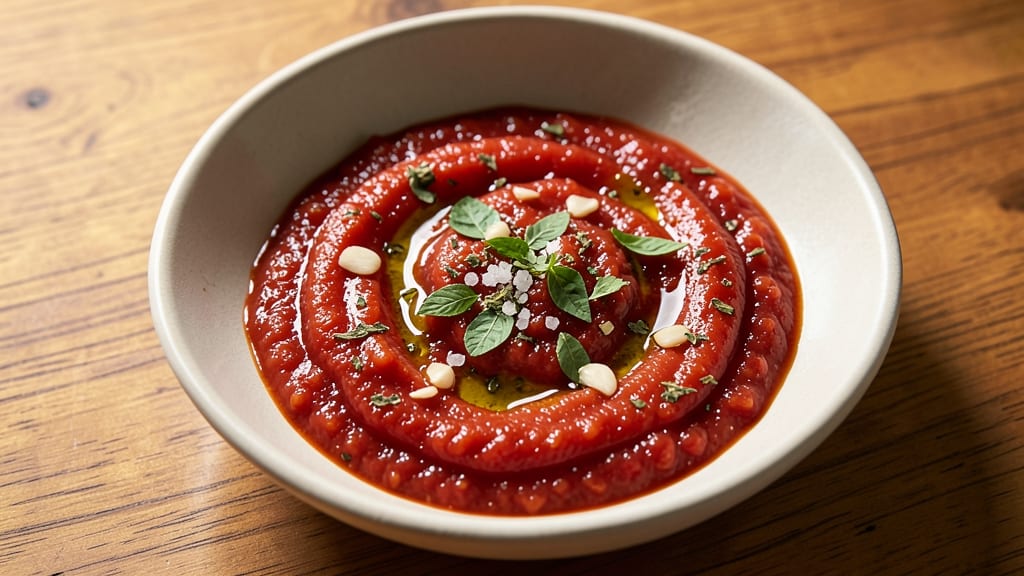
Marco's pizza sauce recipe transforms ordinary tomato sauce into a rich, slow-simmered masterpiece with layers of depth and fresh oregano brightness. 🔥 The secret lies in a 30-minute simmer that caramelizes natural sugars, creating a sauce that clings perfectly to dough without overwhelming toppings.
I developed this recipe after years of testing—it's the one that finally earned me compliments from even the most picky pizza lovers.
What sets this sauce apart is the balance: crushed tomatoes for body, fresh garlic for punch, and slow cooking to develop complex flavors. No sugar or artificial additives—just real ingredients that build flavor naturally.
The fresh oregano added at the end preserves its bright, herbal notes that store-bought sauces can't match. This isn't just pizza sauce; it's the foundation of a restaurant-quality crust.
Once simmered to perfection, this sauce thickens just enough to coat perfectly while remaining smooth enough to spread evenly. The result?
A sauce with tomato depth, herbaceous brightness, and just the right amount of tang—ideal for classic pepperoni pies, gourmet veggie creations, or even as a marinade for meats. Every batch tastes better than the last as flavors meld over time.
Best of all, it keeps beautifully in the fridge for up to 2 weeks or freezes for 3 months, making it perfect for meal prep. Whether you're a home cook or a pizza night regular, this sauce will elevate every dish it touches. Let's get simmering!
Ingredients for marco's pizza sauce
Nine essential ingredients for a sauce that transforms ordinary pizza into extraordinary.
| Ingredient | Amount | Notes |
|---|---|---|
| Crushed Tomatoes (46 oz Can) 🍅 | 1 can | San Marzano preferred for sweetness |
| Extra-Virgin Olive Oil 🫒 | ¼ cup | High-quality, fruity variety |
| Garlic Cloves 🧄 | 4 cloves | Fresh, peeled, minced finely |
| Fresh Oregano Leaves 🌿 | ¼ cup | Packed, stems removed |
| Dried Basil 🌿 | 1 tsp | For depth, added early |
| Diamond Crystal Kosher Salt 🧂 | 1 ½ tsp | Adjust to taste |
| Freshly Ground Black Pepper 🌶️ | ½ tsp | Freshly cracked |
| Granulated Sugar 🍚 | 1 tbsp | Enhances caramelization |
| Red Wine Vinegar 🍷 | 1 tbsp | Balances acidity |
| Garlic Powder 🧄 | ½ tsp | For subtle depth |
The crushed tomatoes form the sauce's backbone, and San Marzano is non-negotiable for its natural sweetness and low acidity. Trader Joe's and Whole Foods stock high-quality cans—avoid the watery, mushy brands. Fresh garlic and oregano are critical; Italian markets often carry superior varieties. The olive oil should be fruity and peppery—California Extra Virgin brands like Corto or Lucini excel. For dried basil, Penzeys or bulk bins ensure potency. Every ingredient here is selected to build flavor through the slow simmer, not mask it.
No fresh oregano? Dried oregano at half the amount works, but the flavor won't be as bright. Substitute red wine vinegar with lemon juice or balsamic vinegar, though acidity will differ slightly. Short on time? Garlic powder and onion powder can replace fresh garlic (use 1 tsp each), but fresh garlic's punch is unmatched. The sugar is purely functional—it caramelizes during simmering to deepen tomato flavor. For a low-sugar version, reduce to 1 tsp and extend simmering by 5 minutes. The sauce's balance is delicate; taste as you go and adjust salt or vinegar incrementally.
This sauce thickens beautifully over time—2 weeks refrigerated or 3 months frozen. To preserve freshness, pour a thin layer of olive oil over the surface before sealing. For reheating, simmer gently on low heat or microwave in 30-second bursts, stirring between each. Portion into ice cube trays for single-use servings, perfect for meal prep. The sauce's flavor actually improves after the first day as ingredients meld. Store in glass jars to avoid absorbing odors from plastic.
Why You'll Love This Recipe
- No-Fuss Weeknight Sauce: I swear by this recipe when I’ve got better things to do than stand at the stove. Just toss crushed tomatoes, olive oil, and a handful of garlic into a pot—no peeling, no chopping—then let it simmer while I handle the rest of dinner.
- Garlic-Basil Magic: Between us, the secret’s in the slow simmer. Those garlic cloves soften just enough to melt into the tomatoes, while the fresh oregano and dried basil build layers of flavor that taste like a real Italian nonna’s kitchen. (Yes, even on a Tuesday night.)
- Pantry-to-Pizza Power: This sauce doubles as marinara for pasta, a base for meatballs, or the star of a quick flatbread—no waste, all flavor. I keep a jar in the fridge for lazy nights when I just need something ridiculously good with zero effort.
- Budget-Friendly Batch Cook: One big can of tomatoes stretches across three meals, and the olive oil and herbs cost pennies. Honestly, it’s my go-to when grocery money’s tight but I still want to feel like I’m feeding my family something special. The leftovers? Even better the next day.
Step-by-step instructions for marco's slow-simmered pizza sauce
This sauce builds depth through controlled simmering—where patience meets flavor.
🍳 Step 1: Bloom the Garlic in Olive Oil
Heat the 0.25 cup extra-virgin olive oil in a medium saucepan over medium-low heat until it shimmers. Add the 4 minced garlic cloves and cook for 2-3 minutes until fragrant but not browned. Watch closely—garlic burns quickly, and that bitter edge ruins everything.
Here's the thing—I press the garlic down gently with a wooden spoon to help release its oils. You'll see the mixture foam slightly as the garlic softens. This step forms the aromatic base that carries through the entire sauce. Remove the pan from heat immediately after the garlic smells fully developed.
🥘 Step 2: Build the Tomato Foundation
Return the pan to medium heat and add the 1 can crushed tomatoes, stirring to combine with the garlic oil. Sprinkle in the 1 tbsp granulated sugar and 1 tbsp red wine vinegar, then add the 1 tsp dried basil and 0.5 tsp garlic powder. The sugar helps caramelize the tomatoes while balancing their natural acidity.
Bring the mixture to a gentle simmer, then immediately reduce heat to low. This is where the sauce develops its signature depth—let it cook uncovered for 20 minutes while stirring occasionally. You're looking for the sauce to thicken slightly and develop a glossy sheen. If it sticks, give it a quick stir with a silicone spatula to prevent burning.
🍳 Step 3: Incorporate Fresh Herbs and Season
After 20 minutes, when the sauce has reduced by about one-third, stir in the 0.25 cup fresh oregano leaves. The fresh herb adds bright, vibrant notes that dried oregano can't match. I like to press the oregano leaves against the spoon to release their oils before adding them.
Add the 1.5 tsp kosher salt and 0.5 tsp freshly ground black pepper, then taste. The sauce should be balanced—sweet from the sugar, tangy from the vinegar, with herbaceous depth. If it needs more acidity, add a pinch of vinegar; if it needs sweetness, add a tiny bit more sugar. This is your flavor calibration moment.
⏰ Step 4: Simmer to Perfect Consistency
Return the sauce to a gentle simmer and cook uncovered for another 15-20 minutes, stirring occasionally. The goal is to reduce it until it reaches a thick, spreadable consistency—about the thickness of heavy cream. You'll know it's ready when it coats the back of a spoon smoothly without being gluey.
Real talk—the sauce will thicken further as it cools, so don't over-reduce it. If it gets too thick during cooking, add 1-2 tablespoons water to loosen it. The sauce should finish with a glossy sheen and concentrated tomato flavor that sings with herbaceous notes. Let it cool slightly before using on pizza—this prevents the cheese from getting watery.
Pro Tips For Making Marco'S Pizza Sauce
- Simmer Low and Slow: I used to blast this sauce on high, thinking it’d cook faster—big mistake. After 20 minutes of skimming burnt bits off the top, I learned: keep it at a gentle simmer (180°F/82°C). The crushed tomatoes need time to break down and release their sweetness, not turn into glue.
- Crush Garlic Properly: Peeling and mincing garlic is tedious, but nothing ruins the sauce like raw, overpowering cloves. Use a garlic press—it’s faster and ensures even distribution. If you’re chopping, go fine, but don’t skip the initial softening in olive oil first (2 minutes max, or it’ll turn bitter).
- Salt in Stages: The crushed tomatoes are already salted, but the sauce will taste flat if you don’t adjust. Add half the salt at the start, then taste again after 15 minutes of simmering—you’ll likely need more. Trust your taste buds, not the recipe’s initial call.
- Deglaze with a Splash: After cooking the garlic in olive oil, add a splash of water or wine (even just 2 tablespoons) to scrape up the browned bits. That’s where the flavor hides—skipping it means losing depth. Stir it in, then let it cook off before adding the tomatoes.
Common mistakes when making this dish
Skipping the Simmer
Rushing the 30-minute simmer is the fastest way to ruin your sauce. The slow cook reduces moisture while caramelizing natural sugars, creating that rich depth you can't get from quick cooking.
I've seen people skip this step and end up with a watery, one-dimensional sauce that just tastes like canned tomatoes. 🔥
Over-Salting Early
Adding all the 1.5 tsp kosher salt at once is a common mistake. Instead, add half initially and taste again after simmering. This sauce builds flavor gradually, so you can adjust as it develops. I've had to start over when someone over-salts early—there's no fixing it later.
Burning the Garlic
Garlic burns in 30 seconds flat—watch it like a hawk! Once it turns brown, it releases bitter compounds that ruin the sauce. I use a timer for my first few batches until I get the rhythm down. If it does burn, remove the pan immediately and start fresh.
Using Low-Quality Tomatoes
Skipping San Marzano tomatoes—or any quality brand—leads to watery, acidic sauce. The cheap canned tomatoes at discount stores lack sweetness and body. I've tried this mistake—trust me, your pizza will suffer. Splurge on the good stuff; it makes all the difference.
Adding Fresh Herbs Too Early
Fresh oregano and basil lose their bright flavors when cooked too long. Add them only in the final 5-10 minutes—otherwise, they turn bitter. I learned this the hard way when my first batch tasted dull. The trick is timing—herbs should be vibrant, not wilted.
Ignoring the Resting Phase
Using hot sauce straight from the stove makes your pizza soggy. Let the sauce cool for 10-15 minutes—this lets it thicken properly and prevents watery cheese. I've seen home cooks skip this, and their crust ends up mushy. Patience here pays off big time.
Nutrition facts
Frequently asked questions
Can I use this sauce for dishes other than pizza?
This versatile sauce works beautifully as a marinade for chicken or shrimp, a base for pasta dishes like spaghetti, or even a dipping sauce for garlic bread. The balanced flavor profile makes it adaptable to many Italian-inspired recipes beyond pizza.
How do I adjust the thickness for different uses?
For thicker applications (like pizza), simmer uncovered for 5-10 extra minutes to reduce further. For thinner uses (like pasta), add 1-2 tablespoons water while warm. The sauce will thicken as it cools, so adjust while still hot for immediate results.
What's the shelf life of this sauce in the fridge?
This sauce stays fresh in the refrigerator for up to 2 weeks when stored in an airtight container. For longer storage, freeze in glass jars (leave 1-inch headspace) for up to 3 months. The flavor actually improves over time as ingredients meld!
Can I make this sauce without fresh herbs?
Yes, but with some flavor trade-offs. Use 1 teaspoon dried oregano (not Italian seasoning) and ½ teaspoon dried basil instead. For best results, add the dried herbs during the initial simmer and stir in ½ teaspoon red pepper flakes to compensate for the missing brightness.
Why does my sauce taste too sweet after cooking?
The sugar caramelizes during simmering, sometimes making the sauce taste sweeter than intended. To balance it, add ½ teaspoon red wine vinegar or 1 teaspoon lemon juice while warm. Taste as you go—you can always add more acid but can't remove it once added.