
Sauces & Condiments
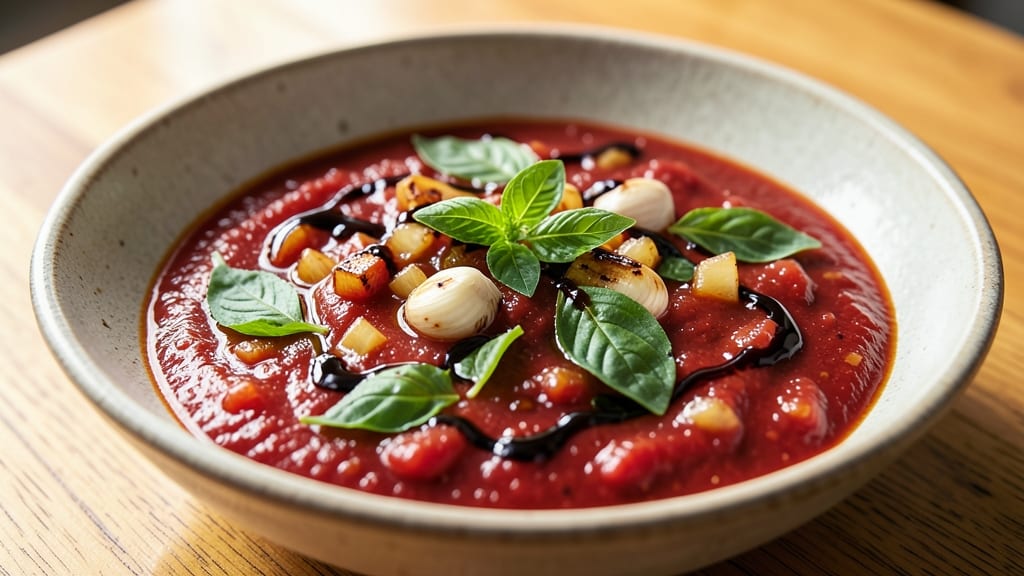
This all natural spaghetti sauce recipe delivers restaurant-quality depth without artificial additives or preservatives. The secret lies in slow-simmering fresh tomatoes, aromatic herbs, and a simple blend of pantry staples that develop layers of flavor over time.
I've perfected this technique to create a sauce that's rich, tangy, and full of authentic Italian character—no shortcuts, just pure, unprocessed ingredients.
What sets this sauce apart is the 30-minute simmering process, which allows the natural sugars in tomatoes to caramelize while building complex flavors. Fresh garlic, basil, and oregano infuse the sauce with bright, herby notes, while a touch of red wine adds depth that store-bought versions simply can't match.
The result is a velvety, chunky sauce that coats pasta perfectly and tastes even better the next day.
This recipe uses only five core ingredients—no canned tomatoes or hidden additives—making it ideal for health-conscious cooks who still crave bold, satisfying flavor. The sauce thickens naturally as it simmers, creating a perfect balance of texture and richness that pairs beautifully with al dente pasta.
Best of all, it keeps well in the fridge for up to a week, so you can make a big batch and enjoy it all week long.
Perfect for meal prep, family dinners, or impressing guests, this sauce transforms simple ingredients into something extraordinary. Let's get started—your taste buds will thank you.
Ingredients for all natural spaghetti sauce
Nine pure ingredients transform into velvety, restaurant-quality spaghetti sauce with no preservatives.
| Ingredient | Amount | Notes |
|---|---|---|
| Fresh Roma Tomatoes 🍅 | 2 lb | Ripe, firm, halved for simmering |
| Extra-Virgin Olive Oil 🫒 | ½ cup | High-quality, fruity variety |
| Yellow Onion 🧅 | 1 whole | Medium size, finely chopped |
| Garlic Cloves 🧄 | 6 cloves | Fresh, minced for aromatic depth |
| Dry Red Wine 🍷 | ½ cup | Bold, like Cabernet Sauvignon |
| Fresh Basil Leaves 🌿 | ½ cup | Packed, stems removed |
| Dried Oregano 🍃 | 1 tbsp | Mediterranean variety preferred |
| Kosher Salt 🧂 | 1 ½ tsp | Diamond Crystal preferred |
| Black Peppercorns 🌶️ | ½ tsp | Freshly cracked for texture |
The tomatoes are the heart of this sauce—Roma are ideal for their meaty texture and low acidity. Grab a pound of fresh from your local farmers market or produce section, but if you're in a pinch, San Marzano canned tomatoes (no salt added) work brilliantly. For the olive oil, Californian extra-virgin brands like Corto or Pompeian elevate the flavor, but any high-quality oil will do. The garlic? Six cloves might sound like a lot, but it mellows beautifully during the simmer, adding layers of sweetness. If you're using dried garlic, halve the amount—fresh is absolutely essential for that authentic Italian depth.
No red wine? Substitute with additional tomato juice or vegetable broth, but you'll miss the wine's rich, fruity complexity. Fresh basil is non-negotiable here—it's what gives this sauce its signature brightness. Dried oregano at half the amount can stand in if you're out, but it won't have the same vibrant punch. For the salt, Diamond Crystal kosher dissolves perfectly, but any fine sea salt works. The peppercorns should be freshly cracked—pre-ground loses its pungency quickly. If you're short on time, Trader Joe's sells pre-cracked peppercorns that work in a bind.
This sauce tastes even better the next day as the flavors meld. Store it in an airtight container in the fridge for up to 7 days, or freeze portions for 3 months. I always make a double batch—one for dinner, one for lunches. The sauce thickens naturally as it cools, so you can thin it with a splash of water or pasta water when reheating. For extra richness, stir in a spoonful of nutritional yeast before serving—it adds a cheesy, umami note without dairy.
Why You'll Love This Recipe
- Here’s what sold me: that splash of dry red wine isn’t just for show. It deepens the flavor so fast, you’ll taste it in the first 10 minutes—no waiting for hours.
- No Chopping Nightmare: I swear by this sauce because the onions and garlic barely need dicing—just rough chop and let the olive oil do the work. That first sizzle in the pan? Pure aromatherapy.
- Wine-Infused Magic: Here’s what sold me: that splash of dry red wine isn’t just for show. It deepens the flavor so fast, you’ll taste it in the first 10 minutes—no waiting for hours.
- Leftovers That Last: I make a double batch every Sunday because this sauce actually gets better after sitting. Freeze half, reheat it later, and no one will guess it’s been tucked away for days.
Step-by-step instructions for slow-simmered all-natural spaghetti sauce
This sauce builds flavor layer by layer—patience pays off with rich, vibrant tomato depth.
Sauté Onions and Garlic in Olive Oil
Heat the 0.5 cup extra-virgin olive oil in a heavy-bottomed Dutch oven over medium-low heat. Add the finely chopped yellow onion and cook for 8-10 minutes until completely softened and translucent, stirring occasionally. The onions should release their moisture and begin to caramelize slightly at the edges.
Add the 6 minced garlic cloves and cook for another 1-2 minutes until fragrant but not browned. Here's the thing—garlic burns fast, so keep an eye on it. If the pan smells too sharp, you've overcooked it. Remove from heat briefly if needed, then return to medium-low for the next step. This aromatic base is the flavor foundation of your sauce.
Simmer Tomatoes and Wine
Add the halved fresh Roma tomatoes (about 2 pounds) to the pot, cut-side down. Pour in the 0.5 cup dry red wine and sprinkle with the 1.5 teaspoons kosher salt and 0.5 teaspoon cracked black peppercorns. Stir gently to combine, then bring the mixture to a simmer over medium heat.
Once simmering, reduce heat to low and partially cover the pot. Let the sauce simmer for 30-40 minutes, stirring occasionally. You'll see the tomatoes break down and release their juices, creating a thick, glossy sauce. The wine will cook off, concentrating its flavor. This slow simmer is where the magic happens—don't rush it.
Build Depth with Herbs and Oregano
After the initial simmer, stir in the 1 tablespoon dried oregano and 0.5 cup packed fresh basil leaves. The oregano adds earthy warmth while the basil brightens the sauce with its fresh, sweet notes. Simmer uncovered for another 15-20 minutes until the sauce thickens to your desired consistency—it should coat the back of a spoon but still be saucy enough to cling to pasta.
Taste and adjust seasoning if needed. I usually add a pinch more salt or a crack of black pepper here. The sauce should be balanced—sweet from the tomatoes, bright from the basil, and deep from the wine and oregano. If it's too acidic, simmer a few more minutes to let the flavors mellow. This is where you decide if it's perfect or needs one more touch.
Finish and Rest for Maximum Flavor
Once the sauce reaches your desired thickness, remove it from heat. Let it rest at room temperature for 10-15 minutes before serving. This resting period allows the flavors to meld completely and the sauce to thicken slightly as it cools. Don't skip this step—patience here makes all the difference.
For the best results, serve the sauce immediately over freshly cooked spaghetti, reserving some pasta water to thin if needed. The sauce should cling beautifully to each strand, delivering layers of tomato sweetness, herbal brightness, and wine depth with every bite. Store any leftovers in an airtight container in the refrigerator for up to 5 days, or freeze for 3 months.
Pro Tips For Making All Natural Spaghetti Sauce
- Sweat the Onions Slowly: I learned this the hard way—when you rush the onions, they turn bitter and release too much moisture, thinning your sauce before it even starts. Cook them on medium-low with a pinch of salt until they’re translucent and just starting to caramelize, then push them to the side and let the garlic take over.
- Crush Tomatoes by Hand: Skip the blender if you can—crushing Roma tomatoes with your fingers (or a wooden spoon) breaks the skins just enough to release flavor without turning the sauce into a watery mess. Plus, you’ll catch any stray seeds or tough bits that’d otherwise make your sauce taste uneven.
- Deglaze with Wine Twice: After the onions and garlic cook, pour in the red wine and let it bubble for 2 minutes—then add another splash (about ¼ cup) and scrape every last bit from the pot. That second deglaze pulls up all the stuck-on flavor that’d otherwise go to waste, giving your sauce depth right from the start.
- Simmer Uncovered After 30 Minutes: I used to cover my sauce early, and it’d turn out dull and mealy. After the tomatoes break down (about 30 minutes in), uncover the pot and let it reduce on medium-high for 10 minutes. The evaporation concentrates the flavors, and you’ll end up with a glossy, rich sauce—not a sad, flat one.
Perfect pairings for these flavors
Pasta Pairings
The star of this sauce is spaghetti, but don’t limit yourself—it works beautifully with linguine, fettuccine, or even bucatini. For a rustic twist, try rigatoni or penne to catch those chunky tomato pieces.
I love serving it over whole wheat pasta for extra fiber, or gluten-free spaghetti if needed. The sauce clings perfectly to any shape, so experiment to find your favorite match. 🍝
Protein Additions
Turn this sauce into a complete meal by adding lean ground turkey or Italian sausage (like Mild Sweet Italian from Hillshire Farm). Brown the meat first, then deglaze the pan with the red wine before adding tomatoes.
For a lighter option, stir in chickpeas or white beans at the end for plant-based protein. The sauce absorbs flavors beautifully, so don’t be afraid to get creative. 🥩
Cheese Finishes
Elevate the dish with a sprinkle of grated Parmesan or Pecorino Romano right before serving. For a creamy twist, stir in 1-2 tablespoons of ricotta or mascarpone at the end—it adds richness without overpowering.
I also love a drizzle of balsamic glaze for a sweet-tangy contrast. Keep it simple with fresh mozzarella torn over the top for a Caprese-inspired touch. 🧀
Bread and Side Dishes
Serve this sauce with garlic bread or focaccia for dipping—it’s a crowd-pleaser at any meal. Pair it with a simple arugula salad tossed in lemon vinaigrette to cut through the richness.
For a heartier meal, add roasted Brussels sprouts or sautéed mushrooms to the plate. The acidity in the sauce balances the earthiness of these sides perfectly. 🥖
Wine and Beer Pairings
A bold Chianti or Montepulciano d’Abruzzo complements the sauce’s depth, while a crisp Pinot Grigio keeps it light. For beer lovers, a Belgian witbier (like Hoegaarden) or Italian lager (like Peroni) cleanses the palate. Avoid heavy stouts—they’ll overpower the bright tomato and herbal notes. 🍷
Make-Ahead Meal Prep
This sauce is a meal prep dream—make a big batch and store it in glass jars for up to 7 days in the fridge. Reheat gently on the stovetop with a splash of water or pasta water.
For freezing, portion into silicone molds or freezer bags (leave 1-inch headspace to prevent cracks). Thaw overnight in the fridge before reheating. The flavors only get better after resting! ❄️
Nutrition facts
Frequently asked questions
Can I use canned tomatoes instead of fresh?
Yes, but choose San Marzano canned tomatoes (no salt added) for the best flavor. They're sweeter and less acidic than regular canned tomatoes, making them ideal for this recipe. If using canned, skip the tomato halving step and drain most of the liquid before simmering to control thickness.
Why does my sauce taste too acidic?
Acidity often comes from unripe tomatoes or over-simmering. To fix it, stir in 1 teaspoon of sugar or 1 tablespoon of tomato paste> and simmer for 5-10 minutes longer. The sugar helps balance the acidity while thickening the sauce naturally. For next time, use fully ripe tomatoes and reduce simmer time slightly.
How do I make this sauce thicker?
Simmer uncovered for 10-15 extra minutes to reduce the liquid naturally. For quicker thickening, stir in 1 tablespoon of tomato paste> or mash some of the cooked tomatoes against the pot sides. Avoid adding flour or cornstarch—this keeps it all natural. The sauce should coat the back of a spoon but remain saucy enough to cling to pasta.
Can I make this sauce in a slow cooker?
Follow the same steps but transfer everything to your slow cooker after simmering for 10 minutes on the stovetop. Cook on low for 6-8 hours or high for 3-4 hours, stirring occasionally. The slow cooker enhances the natural sweetness of the tomatoes while keeping the flavors balanced. Just add the fresh basil at the end to preserve its brightness.
What's the best way to reheat leftover sauce?
Gently reheat on the stovetop over low heat with a splash of water or pasta water to prevent sticking. For microwave reheating, use 30-second intervals while stirring. Never boil—this can make the sauce watery. The sauce thickens as it cools, so you may need to add a little liquid when reheating. Stir in fresh herbs at the end to revive the flavors.