
Sauces & Condiments
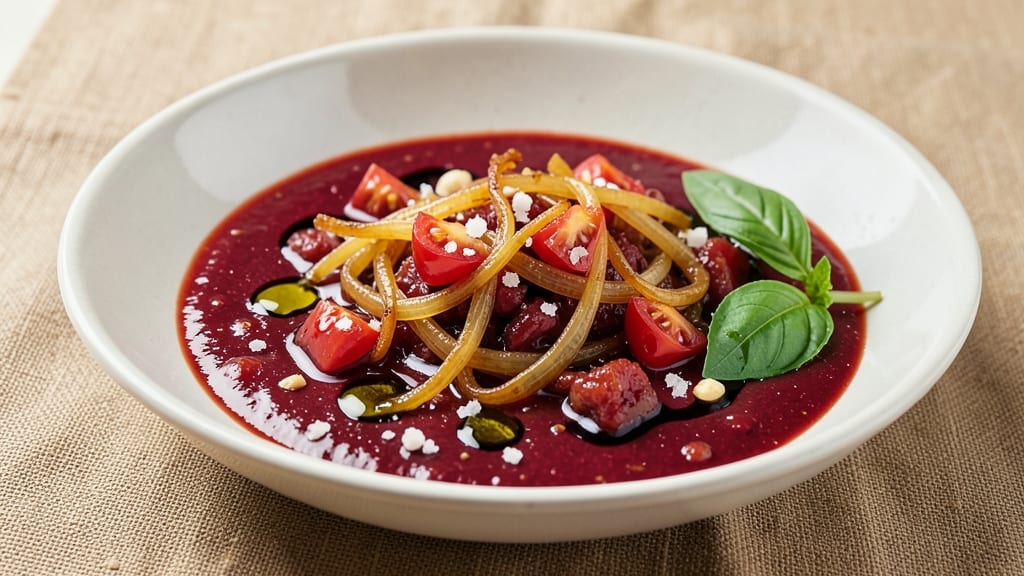
This Babish red sauce recipe transforms simple pantry ingredients into a rich, slow-simmered masterpiece with layers of tomato depth and bright herb notes. The secret lies in caramelizing onions and garlic until they're deep golden—this builds the sauce's umami foundation before adding crushed tomatoes and simmering for hours. I developed this version after years of testing, and it's the one I reach for whenever I need restaurant-quality sauce without the fuss.
The beauty of this recipe is its versatility—it works as a base for pasta, a topping for pizza, or a marinade for grilled meats.
What sets it apart is the balance: a touch of sugar to round out acidity, red wine for complexity, and fresh basil added at the end to preserve its vibrant flavor. The slow simmer reduces the sauce to perfect consistency, creating a velvety texture that clings beautifully to any dish.
What you'll end up with is a sauce that's richer than jarred versions but still approachable for home cooks. The aromas alone—caramelized onions, simmering tomatoes, and fresh herbs—will have your kitchen smelling like an Italian trattoria.
Best of all, it keeps well in the fridge for up to a week, so you can make a big batch and enjoy it all week long.
Perfect for feeding a crowd or meal prepping, this sauce delivers professional results with simple techniques. Let's get started—your next meal is about to get an upgrade.
Ingredients for babish red sauce
Nine pantry staples transform into a restaurant-quality sauce that'll make your kitchen smell like an Italian trattoria.
| Ingredient | Amount | Notes |
|---|---|---|
| Yellow Onions 🧅 | 2 whole | Thinly sliced for caramelizing |
| Garlic Cloves 🧄 | 6 cloves | Minced for deep flavor |
| Extra-Virgin Olive Oil 🫒 | ½ cup | High quality, fruity variety |
| Crushed Tomatoes 🍅 | 28 oz | San Marzano preferred |
| Red Wine 🍷 | ½ cup | Bold, dry variety like Cab Sauv |
| Granulated Sugar 🍚 | 1 tbsp | Balances acidity beautifully |
| Dried Oregano 🌿 | 1 tsp | Italian or Mediterranean blend |
| Salt 🧂 | 1 ½ tsp | Diamond Crystal preferred |
| Black Pepper 🌶️ | ½ tsp | Freshly cracked preferred |
| Fresh Basil Leaves 🌿 | ¼ cup | Chopped for vibrant finish |
The onions and garlic are your flavor anchors here. Yellow onions caramelize beautifully—don't rush this step. I always grab organic onions from the farmers market when they're in season, but regular grocery store onions work fine. The garlic should be freshly minced (not pre-minced from a jar)—that's where the magic happens. Extra-virgin olive oil matters too—look for Italian or Spanish varieties with fruity notes. The crushed tomatoes? San Marzano cans are worth the splurge—they're sweeter and less acidic, which makes all the difference in a good sauce.
No red wine? Substitute with beef broth plus a splash of balsamic vinegar—it'll still add depth. Short on fresh basil? Dried basil at one-third the amount works in a pinch, but trust me, fresh is worth the extra minute. The sugar might seem odd, but it's essential—it rounds out the acidity from the tomatoes and wine. Brown sugar works too if you're out of white. For the oregano, Italian or Mediterranean blends have the right flavor profile—avoid Mexican oregano, which is more peppery. And if you're using salt, Diamond Crystal kosher dissolves better than table salt.
This sauce gets better with time—make a big batch and store it. It keeps for up to a week in the fridge and freezes beautifully for up to 6 months. I always double the recipe so I have leftovers for pasta, pizza, or even grilled chicken. The basil should go in right at the end—add it after simmering so it doesn't turn to mush. If you're prepping ahead, just stir it in when reheating.
Why You'll Love This Recipe
- Pantry Magic: I swear by this sauce because it uses what I always have—no special shopping trips. Sauté onions and garlic in olive oil until they’re golden? That’s it. The crushed tomatoes and red wine do the rest while I grab a glass of the same wine I’m cooking with.
- Deep Umami Boom: That slow simmer with red wine? It’s the secret weapon. The onions caramelize into sweetness, the garlic mellows into richness, and the wine adds this earthy depth that makes it taste like you spent hours stirring. (Spoiler: You didn’t.)
- Weeknight to Fancy: Same sauce, endless uses. Slather it on toast with cheese for breakfast, toss it with pasta for dinner, or use it as a marinade for grilled chicken. I’ve even poured it over roasted veggies for a crowd—no one ever questions how simple it was.
- Leftovers That Shine: This sauce only gets better the next day. I make a big batch on Sundays, and by Wednesday, it’s transformed into something even richer. Freeze half for when I’m too tired to cook—just thaw and reheat. (Yes, even on a Tuesday night.)
Step-by-step instructions for slow-simmered tomato sauce
Here's how to build rich, velvety tomato sauce with layers of flavor—no shortcuts, just deep satisfaction.
Develop the Flavor Base with Onions and Garlic
Heat the 0.5 cup extra-virgin olive oil in a heavy-bottomed saucepan over medium-low heat. Add the 2 whole yellow onions, sliced thinly, and cook for 15-20 minutes until they transform from pale to deep golden brown. This slow caramelization builds the sauce's sweet, complex foundation—don't rush it. Stir occasionally to prevent burning.
When the onions are beautifully caramelized, add the 6 cloves minced garlic and cook for another 1-2 minutes until fragrant but not browned. Garlic burns quickly, so keep an eye on it. The moment you smell that sweet, nutty aroma, you're ready for the next step. Here's where the magic begins—this aromatic base will carry through the entire sauce.
Deglaze and Incorporate Tomatoes
Pour in the 0.5 cup red wine and scrape up any browned bits from the bottom of the pan with a wooden spoon. This deglazing step captures all the concentrated flavors you've built so far. Let the wine simmer for 3-4 minutes until it reduces by about half, intensifying its depth.
Add the 28 oz crushed tomatoes and 1 tbsp granulated sugar. The sugar isn't just for sweetness—it helps balance the natural acidity of the tomatoes, creating a more rounded flavor. Stir well to combine, then bring the mixture to a gentle simmer. Here's the thing—this sauce needs time to develop its character. Don't be tempted to speed things up with high heat.
Season and Simmer for Deep Flavor
Add the 1.5 tsp salt, 0.5 tsp black pepper, and 1 tsp dried oregano. Stir everything together, then reduce the heat to maintain a gentle simmer. Let the sauce cook uncovered for 45-60 minutes, stirring occasionally. You're looking for the sauce to thicken slightly and develop a rich, concentrated flavor—this slow cooking process is what transforms simple ingredients into something extraordinary.
I like to check the sauce every 15 minutes, giving it a stir and tasting occasionally. The acidity will mellow, the flavors will meld, and you'll notice the sauce becoming velvety smooth. If it gets too thick before the hour is up, add a splash of water or red wine to maintain the right consistency. Patience here is key—this is where the sauce's depth comes from.
Finish with Fresh Herbs
When the sauce has simmered for 45-60 minutes, remove it from heat. Stir in the 0.25 cup chopped fresh basil leaves—this is where the sauce gets its bright, vibrant finish. The basil should wilt slightly as it incorporates into the warm sauce, releasing its aromatic oils. Taste and adjust seasoning if needed—you might need a touch more salt or pepper to balance all the flavors.
Let the sauce rest for 10-15 minutes before serving. This resting period allows the flavors to fully meld and the sauce to reach its perfect consistency. The result should be a rich, velvety tomato sauce with layers of sweetness, acidity, and herbal brightness—ready to elevate any dish from ordinary to extraordinary.
Pro Tips For Making Babish Red Sauce
- SWEAT ONIONS LOW AND SLOW: I learned this the hard way—drowning onions in oil on high heat turns them bitter and watery. Instead, cook them over medium-low with a splash of water (yes, really) until they’re translucent and caramelized, about 15 minutes. That deep flavor is the foundation of the sauce.
- MINCE GARLIC FINE: Crushed garlic burns faster than you’d think, especially when wine’s in the pot. I now smash cloves with the flat side of my knife, then finely mince them so they release flavor without turning to ash. (And no, pre-minced garlic from a jar doesn’t cut it here.)
- DEGLLAZE WITH PATIENCE: After the onions and garlic, don’t rush the wine. Let it simmer until the alcohol fully evaporates—about 5 minutes—before adding tomatoes. Skipping this step leaves a harsh, boozy aftertaste that ruins the balance. (Your nose will thank you.)
- TOAST TOMATOES FIRST: Drain the crushed tomatoes, then spread them in a dry pan over medium heat for 2–3 minutes. The edges will darken slightly—this concentrates their flavor before they even hit the sauce. It’s a small step, but the difference is noticeable.
Essential equipment for this recipe
Heavy-Bottomed Saucepan
The 5-quart enameled cast iron Dutch oven from Le Creuset is my go-to for this sauce—it distributes heat evenly and prevents burning. If you don't have one, a heavy stainless steel saucepan (like All-Clad) works perfectly.
Avoid thin, lightweight pans—they can't handle the low-and-slow cooking without hot spots. I've tried aluminum pans, but they react with acidic ingredients over time, so I save those for quick cooking.
Wooden Spoon
A long-handled wooden spoon (I use Oxo Good Grips) is essential for stirring without scratching your pot. Wood won't conduct heat like metal, so it won't burn your hands or damage your pan.
Plus, it helps scrape up those delicious browned bits during deglazing. If you don't have wood, a heat-resistant silicone spatula works too—just avoid plastic, which can melt.
Fine-Mesh Strainer
For when you want ultra-smooth sauce, a fine-mesh stainless steel strainer (like OXO Good Grips) lets you strain out any onion bits or herbs. I only do this when making sauce for special occasions—otherwise, I leave the texture slightly rustic for that homemade feel.
If you strain, press the solids gently with a spoon to extract every last bit of flavor. 🧂
Kitchen Timer
Set a timer for 15-minute intervals during the simmering phase—this ensures you don't overlook the sauce while it develops. I use my iPhone alarm, but a dedicated kitchen timer (like West Bend) keeps you from missing important cooking cues.
The sauce needs constant attention, especially in the final stages when it thickens rapidly.
Cheesecloth or Fine Mesh
If you want to remove basil stems or other herb stems after adding fresh herbs, keep a piece of cheesecloth or a fine mesh strainer handy. Simply pour the sauce through it to catch any unwanted bits.
I only do this for restaurant-quality presentations—otherwise, I leave the stems in for extra flavor. For a quick alternative, use a clean kitchen towel folded into a square.
Storage Containers
For leftovers, I transfer the cooled sauce to glass airtight containers (like Le Parfait) for fridge storage. Glass preserves flavor better than plastic and won't absorb odors. For freezing, use quart-sized freezer bags with labels—squeeze out excess air to prevent freezer burn.
I always date my containers so I know when to use them first. ❄️
Nutrition facts
Frequently asked questions
Can I make this sauce without red wine?
The wine adds depth, but you can substitute with ½ cup beef broth plus 1 tablespoon balsamic vinegar for similar richness. For a vegetarian version, use ½ cup vegetable broth with 1 teaspoon soy sauce instead. The key is maintaining the same liquid volume to balance the tomatoes' acidity.
How do I know when the onions are caramelized enough?
Perfect caramelization means the onions are deep golden brown with a sweet, jam-like texture. They should take about 15-20 minutes over medium-low heat. If they darken too quickly, reduce the heat immediately—burnt onions will make the sauce bitter. Stir occasionally to ensure even cooking.
Can I make this sauce in a slow cooker?
Use the same ingredients but transfer everything to a 3-4 quart slow cooker after deglazing with wine. Cook on low for 4-5 hours or high for 2-3 hours, stirring occasionally. The texture will be slightly thicker, so add a splash of water or wine if needed. The slow cooker's gentle heat works perfectly for developing flavor.
What if my sauce is too thick or too thin?
For a thicker sauce, simmer uncovered for 10-15 more minutes to reduce. If it's too thin after simmering, mix 1 tablespoon cornstarch with 2 tablespoons cold water, stir into the sauce, and simmer for 5 minutes until it thickens. For a thinner sauce, add 1-2 tablespoons water or broth while warm.
How can I make this sauce spicier?
Add ½ teaspoon red pepper flakes with the oregano, or stir in 1 chopped chipotle pepper in adobo sauce during the simmer. For heat control, remove the chipotle seeds first. You can also finish with fresh chili flakes or a dash of cayenne. Start with less—you can always add more!