
Sauces & Condiments
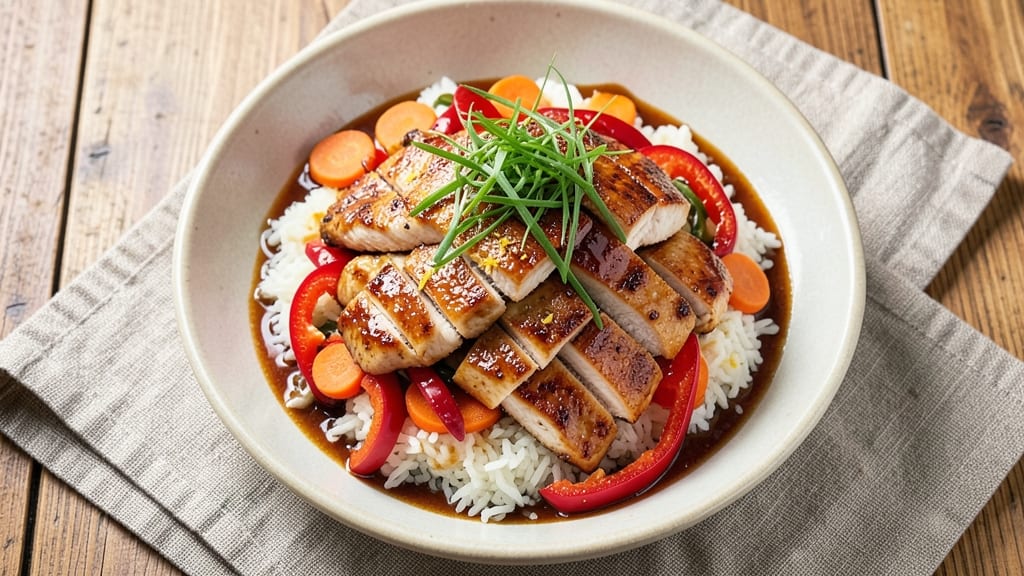
Mastering a Kikkoman teriyaki sauce stir fry transforms simple ingredients into a restaurant-quality meal with just 20 minutes of active time. The secret lies in marinating protein to maximize flavor absorption, then stir-frying at high heat to achieve that signature glossy sheen and caramelized edges.
This technique balances sweet, savory, and umami notes perfectly, making it a weeknight staple that impresses every time.
The foundation starts with properly prepped ingredients—thinly sliced protein (chicken, beef, or tofu) and crisp vegetables that cook quickly. A quick marinade in Kikkoman teriyaki sauce ensures tender, flavorful bites, while high-heat stir-frying creates that signature caramelized crust.
The sauce reduces slightly during cooking, intensifying its depth and creating a sticky, glossy finish that coats every ingredient beautifully.
What you’ll end up with is a vibrant stir fry where tender protein meets crisp-tender vegetables, all blanketed in a rich, balanced teriyaki sauce. The aroma alone will have everyone gathering around the table, and the first bite delivers that perfect harmony of sweet, salty, and umami flavors.
This dish pairs beautifully with steamed rice or noodles to soak up every last drop of that delicious sauce.
Whether you're feeding a family or meal prepping for the week, this stir fry delivers consistent results with minimal effort. The technique is simple enough for beginners but professional enough to impress seasoned cooks. Let’s get started on creating this flavorful, satisfying dish that’s sure to become a favorite.
Ingredients for kikkoman teriyaki sauce stir fry
Restaurant-quality stir fry starts with these precise ingredients—thinly sliced protein, vibrant vegetables, and the umami depth of Kikkoman teriyaki sauce.
| Ingredient | Amount | Notes |
|---|---|---|
| Boneless Chicken Breast 🍗 | 1 ½ lb | Thinly sliced against grain |
| Kikkoman Teriyaki Sauce 🍶 | ½ cup | Original or low-sodium variety |
| White Rice 🍚 | 1 ½ cups | Uncooked, jasmine or long grain |
| Red Bell Pepper 🍅 | 1 whole | Thinly sliced, seeds removed |
| Carrots 🥕 | 2 medium | Julienned into matchsticks |
| Green Onions 🧅 | 4 whole | White and green parts separated |
| Sesame Oil 🫒 | 1 tbsp | For aroma, not cooking |
| Vegetable Oil 🫒 | 2 tbsp | High smoke point preferred |
| Garlic Cloves 🧄 | 4 cloves | Minced, fresh preferred |
| Ginger Root 🌿 | 1 tbsp | Finely grated, fresh preferred |
| Sesame Seeds 🌱 | 1 tbsp | Toasted for garnish |
| Diamond Crystal Kosher Salt 🧂 | ½ tsp | For seasoning |
| Black Pepper 🌶️ | ¼ tsp | Freshly cracked |
The chicken breast is non-negotiable for this dish—look for boneless, skinless cuts with good marbling for tenderness. Costco or Whole Foods carry high-quality cuts that slice beautifully. Prep it right: pound to an even thickness, then slice against the grain for maximum tenderness. The carrots should be fresh, crisp varieties—avoid those rubbery ones that sit too long. For the teriyaki sauce, Kikkoman's original version delivers that perfect balance of sweet and savory, but the low-sodium option works too if you're watching salt intake. The rice? Jasmine rice from Trader Joe's or Lundberg Farms gives that fragrant, slightly sticky texture that soaks up the sauce perfectly.
No Kikkoman teriyaki? Hoisin sauce plus a splash of soy sauce mimics the depth, though it won't be identical. Swapping chicken for beef? Flank steak or sirloin works beautifully—just marinate longer. Vegetarian? Extra-firm tofu holds up well when pressed and sliced thin. The sesame oil is purely for aroma here—don't cook with it, just add it at the very end. Need to skip fresh ginger? Ground ginger at half the amount works in a pinch, but fresh is ideal. The garlic should be peeled and minced just before cooking—it loses flavor fast once exposed to air. For the green onions, separate the white and green parts—you'll cook the whites with the vegetables and garnish with the greens at the end.
Prep all your ingredients before starting—mise en place is key for this quick-cooking dish. The chicken marinates best in the fridge for at least 30 minutes, but up to 4 hours if you're planning ahead. Store any leftover cooked stir fry in an airtight container for 3-4 days in the fridge, though it reheats best when fresh. For meal prep, portion the sauce separately—it thickens when reheated. The rice keeps for 5 days in the fridge, but the stir fry components are best enjoyed within 2 days for optimal texture. Freezing? Sauce only freezes well for 3 months—just thaw and reheat before using.
Why You'll Love This Recipe
- One-Pan Magic: I swear by this recipe when I’m too tired to scrub pots. Toss the chicken, peppers, and carrots in a single skillet, pour on the teriyaki, and let it caramelize—no extra dishes, no stress. That sticky glaze clings to everything like it’s been simmering for hours, but it’s really just 20 minutes of hands-off cooking.
- Sweet-Savory Balance: The Kikkoman teriyaki sauce does all the heavy lifting here—rich umami from the soy, a touch of sweetness, and just enough tang to cut through the chicken’s richness. I’ll be real: the first time I made this, I nearly burned the sauce, but even slightly charred, it still tasted ridiculously good. (Pro tip: save a splash of the pan sauce to drizzle on top at the end.)
- Lunchbox Hero: Between us, this is my go-to for meal prep because it’s actually worth packing. The chicken stays tender, the veggies hold their crunch, and the teriyaki keeps everything moist in the fridge for days. I portion it over rice, toss it in containers, and my kids still beg for it by Thursday—no sad, soggy leftovers here.
- Budget-Friendly Protein: A single chicken breast and a bottle of Kikkoman teriyaki stretch to feed four (or two very hungry people). The bell peppers and carrots add color and crunch without breaking the bank, and white rice? That’s the ultimate pantry staple. Honestly, I make this when I’m trying to save money but still want a meal that feels special—not just another sad box of pasta.
Step-by-step instructions for Kikkoman teriyaki stir fry
Master this balance of sweet, savory, and umami with precise technique and timing.
Prepare the Chicken and Marinate for Maximum Flavor
Slice the 1.5 lb boneless chicken breast against the grain into ¼-inch thick strips. This cut ensures tender bites that cook quickly and evenly. Place the chicken in a bowl and combine with 0.25 tsp black pepper and 0.5 tsp Diamond Crystal kosher salt. Let it sit at room temperature for 15 minutes—this prevents uneven cooking and helps the teriyaki sauce cling perfectly.
While the chicken rests, prepare the vegetables: slice the whole red bell pepper into thin strips, julienne the 2 medium carrots into matchsticks, and separate the 4 whole green onions into white and green parts. Keep them separate for now—they'll cook at different rates. The vegetables should be prepped but not washed until just before cooking to maintain crispness.
Cook the Chicken and Aromatics for Deep Flavor
Heat 2 tbsp vegetable oil in a large wok or skillet over medium-high heat until shimmering. Add the chicken in a single layer and let it sear undisturbed for 2-3 minutes until the edges turn light golden brown. This initial sear locks in moisture and builds flavor. Flip the chicken and cook for another 2-3 minutes until fully cooked—it should reach an internal temperature of 165°F. Remove the chicken and set it aside on a plate.
In the same pan, reduce heat to medium and add 4 cloves minced garlic and 1 tbsp finely grated ginger root. Sauté for 30 seconds until fragrant—this releases their essential oils and forms the aromatic base of your stir fry. Be careful not to let the garlic burn; it should smell sweet and pungent, not bitter.
Stir Fry the Vegetables to Perfect Texture
Add the julienned carrots and red bell pepper strips to the pan, stirring constantly for 3-4 minutes until they begin to soften but still retain a crisp-tender bite. The vegetables should be bright in color with just a hint of wilt—overcooking will turn them mushy. Add the white parts of the green onions and cook for another 1 minute to infuse their mild onion flavor into the dish.
Push the vegetables to one side of the pan and add 1 tbsp sesame oil to the empty space. Toss the green onion tops in the sesame oil for 30 seconds until they wilt slightly but remain vibrant. This step adds a delicate aroma that complements the teriyaki sauce. Combine everything in the pan and stir for 1 minute to meld all the flavors.
Finish with Teriyaki Sauce for Glossy Perfection
Return the chicken to the pan and pour in the 0.5 cup Kikkoman teriyaki sauce. Stir vigorously for 1-2 minutes until the sauce coats everything evenly and begins to thicken slightly. The sauce should cling to the chicken and vegetables, creating a glossy sheen. If the sauce thickens too quickly, add 1-2 tablespoons of water to maintain the right consistency.
Taste the mixture and adjust seasoning if needed—add a pinch more salt if the teriyaki sauce is particularly mild, or a splash of water if it's too thick. The dish should balance sweet, savory, and umami flavors with a touch of garlic and ginger heat. Remove from heat and let it rest for 2 minutes to allow the sauce to fully coat everything.
Serve Over Steamed Rice with Garnish
While the stir fry rests, cook the 1.5 cups white rice according to package instructions until fluffy and fully cooked. Toast the 1 tbsp sesame seeds in a dry skillet over low heat for 1-2 minutes until golden and fragrant. Sprinkle them over the finished stir fry just before serving to add texture and nutty depth.
Serve the teriyaki stir fry immediately over the steamed rice, garnished with the toasted sesame seeds. Each bite should deliver tender chicken, crisp-tender vegetables, and a glossy teriyaki sauce that balances all the flavors. The dish is best enjoyed fresh when the rice is hot and the vegetables retain their vibrant colors and textures.
Pro Tips For Making Kikkoman Teriyaki Sauce Stir Fry
- CUT CHICKEN THIN: Skip the thick slabs—slice your boneless chicken breast horizontally into ¼-inch cutlets (yes, even if it looks like you’re making sushi). Thin pieces cook faster, stay juicy, and absorb the teriyaki sauce instead of turning into rubber. I used to fight with uneven doneness until I started doing this—now it’s foolproof.
- SAUTE VEGETABLES FIRST: Toss your bell pepper and carrots in the pan for 3-4 minutes before adding the chicken. This jumpstarts the flavor and prevents them from turning mushy when you add the sauce later. I learned this the hard way after serving a stir-fry where the veggies were sad and limp—don’t let that be you.
- DON’T DROWN THE PAN: Kikkoman teriyaki sauce is sweet and sticky—use about ⅓ cup for this recipe, not the whole bottle. Too much sauce makes the stir-fry gloppy instead of glossy. Thin it with a splash of water or rice vinegar only if needed, and always reserve a little to drizzle at the end for shine.
- REST THE CHICKEN: Let the cooked chicken sit off the heat for 2-3 minutes under foil before tossing it with the veggies and sauce. This keeps it from falling apart when you stir, and the juices redistribute so every bite is tender. I was skeptical until I tried it—now it’s non-negotiable for me.
Wine and beer pairings for this recipe
Crisp White Wine
For this sweet-savory stir fry, I reach for a dry Riesling or Sauvignon Blanc—both cut through the teriyaki's richness while complementing its umami depth. A German Riesling from Dr. Loosen (like their Blue Slate) offers citrus notes that refresh your palate after each bite.
Alternatively, a New Zealand Sauvignon Blanc from Kim Crawford brings bright herbal accents that mirror the ginger and garlic in the dish. 🍷
Light Japanese Beer
If you prefer beer, a Japanese lager like Sapporo or Asahi Super Dry pairs beautifully with the dish's balance of sweet and savory. The crisp, clean profile lets the teriyaki sauce shine without overpowering it.
For a craft option, try a Japanese-style witbier like BrewDog's Punk IPA—its citrusy notes echo the stir fry's aromatics while adding a subtle hoppy contrast.
Umami-Boosting Sake
Don't overlook sake for a traditional pairing! A dry junmai sake (like Dassai 23) enhances the dish's umami complexity. Serve it chilled—its nutty, slightly sweet profile mirrors the teriyaki sauce while adding depth.
For a festive touch, try a sparkling sake like Suntory Premier Brut—its bubbles cleanse the palate between bites.
Sweet Sparkling Wine
For a dessert-like finish, a Prosecco or Cava (like La Marca Prosecco) works surprisingly well with the dish's sweet-savory balance. The effervescence cuts through the richness, making it feel lighter.
I like pairing this with a slightly sweeter teriyaki variation—just add 1 tsp honey to the sauce before finishing. ✨
Nutrition facts
Frequently asked questions
Can I use Kikkoman teriyaki sauce directly from the bottle, or should I make my own?
The bottle version works perfectly for this recipe—it's pre-balanced with the right sweet-savory ratio. For extra depth, simmer 0.25 cup of the sauce with 1 tsp honey and 1 tsp rice vinegar for 2 minutes before using. This enhances the caramelization without altering the dish's integrity.
What's the best way to prevent my stir fry from turning out soggy?
Keep ingredients separate until cooking—don't wash veggies until ready to use, and cook proteins first to remove excess moisture. Use high heat and stir constantly to prevent steaming. For extra crispness, add vegetables in stages: harder veggies (carrots) first, then softer ones (bell peppers) last.
How can I make this recipe spicier or less sweet?
For heat, add ½ tsp red pepper flakes to the sauce or 1 tsp sriracha at the end. To reduce sweetness, swap ¼ cup of the teriyaki sauce with low-sodium soy sauce and add ½ tsp grated ginger for balance. Always taste as you go—adjust gradually!
Can I cook this stir fry in a regular pan instead of a wok?
Use a large, heavy skillet with 1 tbsp extra oil to mimic wok heat. For best results, work in batches if needed—overcrowding lowers temperature and steams instead of searing. A cast iron pan works beautifully for even heat distribution.
What's the best way to reheat leftover teriyaki stir fry?
Reheat in a skillet over medium heat with 1 tsp water or oil to restore crispness. For microwave reheating, cover loosely and heat in 30-second intervals, stirring between each. Add a splash of water to loosen the sauce. Never reheat rice separately—it absorbs flavors differently.