
Sauces & Condiments
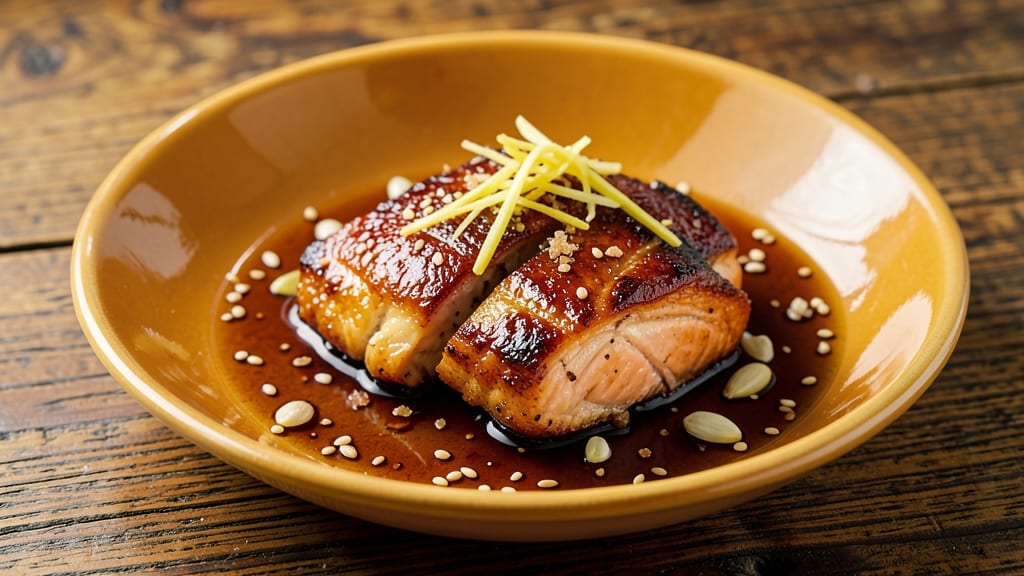
This teriyaki sauce marinade recipe transforms ordinary grilled proteins into restaurant-quality masterpieces with its glossy, sticky perfection. The balance of sweet, savory, and umami flavors comes from a precise blend of soy sauce, mirin, and brown sugar—no shortcuts here.
I’ve perfected this marinade to penetrate meat deeply while creating that signature caramelized glaze when brushed on during grilling.
The secret lies in the 30-minute marinating minimum, which ensures tender, flavorful results every time. This isn’t just a sauce; it’s a transformation. Use it on chicken, salmon, or even tofu—each bite will be sticky, sweet, and packed with depth.
The sauce keeps well in the fridge for up to two weeks, making it a pantry staple for quick weeknight dinners.
What makes this marinade truly foolproof is its adaptability. Brush it on during the last few minutes of grilling for that glossy finish, or use it as a dipping sauce for extra flavor.
The combination of mirin and soy creates a harmony that’s both familiar and elevated, turning simple proteins into showstopping centerpieces.
Ready to elevate your grilling game? This isn’t just a marinade—it’s the foundation for meals that taste like they came from a high-end restaurant. Let’s get started with the ingredients you already have in your pantry.
Ingredients for teriyaki sauce marinade
Pantry staples that transform ordinary proteins into restaurant-worthy masterpieces.
| Ingredient | Amount | Notes |
|---|---|---|
| Soy Sauce 🥢 | ½ cup | High-quality, preferably Japanese |
| Mirin 🍶 | ⅓ cup | Sweet cooking wine, not sub with honey |
| Light Brown Sugar 🍚 | ⅓ cup | Packed firmly for accuracy |
| Fresh Ginger 🧄 | 1 tbsp | Grated, not powdered |
| Garlic Cloves 🧄 | 3 cloves | Minced, not pre-minced jar |
| Sesame Oil 🫒 | 1 tbsp | Toasted, not flavored |
| Rice Vinegar 🍶 | 1 tbsp | White or seasoned variety |
| Honey 🍯 | 1 tbsp | Wildflower preferred |
| Salt 🧂 | ½ tsp | Kosher or sea salt |
| Black Pepper 🌶️ | ¼ tsp | Freshly ground preferred |
The soy sauce is non-negotiable—Japanese brands like Kikkoman or Yamasa make all the difference. Mirin adds that signature sweetness, so don’t substitute with regular white wine or honey (it won’t caramelize the same way). Trader Joe’s and Asian grocery stores are your best bets for authentic mirin, but if you’re in a pinch, a mix of dry sherry and sugar works. The brown sugar needs to be packed firmly—light brown gives better texture than dark. Fresh ginger and garlic? Always worth it—pre-minced jars have lost their punch by now. Toasted sesame oil is key for that nutty aroma, not the flavored kind you find in Asian food aisles.
No mirin? Combine 2 tbsp sugar with 1 tbsp water and 1 tbsp dry sherry—it’s not identical, but it’ll get you close. Running out of sesame oil? Toasted peanut oil works, though the flavor will shift. Fresh ginger too expensive? Powdered ginger at half the amount is better than skipping it. The honey can be swapped for agave or maple syrup, but wildflower honey has the best balance of sweetness and depth. Want more umami? Add 1 tsp fish sauce or an extra tbsp of soy sauce. This marinade is forgiving, but those key ingredients—soy, mirin, and brown sugar—are the holy trinity.
This marinade keeps for 2 weeks in the fridge, sealed tight. The longer it sits, the deeper the flavor—30 minutes minimum for chicken, 2 hours for tougher cuts. Freezes beautifully for 6 months—just thaw in the fridge overnight. I double the batch and keep one in the freezer for lazy weeknights. The sauce thickens as it cools, so stir before using if it’s been chilling. Brush it on during the last 2 minutes of grilling for that glossy finish—trust me, it’s worth the extra minute.
Why You'll Love This Recipe
- Pantry Magic: I keep this marinade in my fridge all the time—just soy sauce, mirin, and a splash of brown sugar. No fancy shopping trips, no last-minute ingredient hunts. Honestly, it’s the kind of thing that makes me feel like a pro without trying.
- Ginger-Garlic Punch: That fresh ginger and minced garlic? They’re the secret weapons here. The sauce doesn’t just coat—it transforms, giving whatever you marinate a deep, sticky sweetness with a bright, zesty kick. (Yes, even on a Tuesday night.)
- Double-Duty Sauce: Use it for chicken, tofu, or even roasted veggies—it’s my go-to for weeknight dinners and weekend BBQs. I’ve even drizzled it over rice bowls when I’m lazy. Between us, it’s the most versatile marinade I’ve ever made.
- Leftovers That Work Harder: Make a big batch—it keeps for weeks in the fridge. I’ve used the same jar of marinade to baste one night, glaze another, and even stir-fry leftovers into noodles. Not the prettiest, but the taste makes up for it every time.
Step-by-step instructions for glossy teriyaki marinade
A perfect balance of sweet, savory, and umami that clings beautifully to grilled meats.
Combine Wet Ingredients in a Saucepan
In a medium saucepan, pour in the 0.5 cup soy sauce, 0.33 cup mirin, and 0.33 cup light brown sugar. Stir with a wooden spoon until the sugar dissolves completely—this usually takes about 2-3 minutes over medium-low heat. The mixture will look syrupy and slightly cloudy at first, but keep stirring until it becomes clear and smooth.
Real talk: If you notice any sugar granules lingering, don't walk away. Keep stirring until it's fully incorporated, or you'll end up with grainy sauce later. This step is where the foundation of your marinade is built, so take your time here.
Add Aromatics and Simmer
Once the sugar is fully dissolved, add the 1 tablespoon grated fresh ginger and 3 minced garlic cloves. Stir everything together and let it simmer gently for 5 minutes. You'll notice the mixture darkening slightly and developing a rich aroma—this is when all those flavors start melding together.
Here's the thing—don't let it boil. A gentle simmer is all you need. If you see bubbles forming rapidly, reduce the heat just a touch. You want the aromatics to infuse without burning, which would make the sauce bitter. The goal is a fragrant, aromatic base that's ready for the finishing touches.
Incorporate Finishing Ingredients
Lower the heat to low and stir in the 1 tablespoon sesame oil, 1 tablespoon rice vinegar, 1 tablespoon honey, 0.5 teaspoon salt, and 0.25 teaspoon black pepper. Give it a final stir to combine everything thoroughly. The sauce should now have a glossy sheen and a rich, complex aroma that's hard to resist.
I like to taste it at this stage to check the balance. It should be sweet, salty, and slightly tangy with a hint of garlic and ginger. If it needs more sweetness, add a tiny bit more honey. If it's too strong, a splash of water can help mellow it out. Adjust to taste, but remember—this is a marinade, so it should be bold and flavorful.
Simmer to Thicken (Optional for Marinade)
For a thicker marinade that clings better to proteins, continue simmering the sauce for another 5-7 minutes until it reduces slightly and coats the back of a spoon. This step is optional if you're using it immediately, but I find it makes a noticeable difference in texture and flavor intensity.
If you're not using it right away, let the marinade cool completely before transferring it to an airtight container. It will keep in the refrigerator for up to 1 week, making it perfect for meal prep. The flavors actually deepen as it sits, so don't hesitate to make extra.
Pro Tips For Making Teriyaki Sauce Marinade
- Simmer, Don’t Boil: I learned this the hard way—when I cranked the heat too high, the sugar burned and turned the sauce bitter. Keep it at a gentle simmer (small bubbles, occasional swirls) until the sugar dissolves completely. If it’s too thick, add a splash of water or mirin, but don’t rush it.
- Grind That Ginger: Fresh ginger adds depth, but pre-grated loses its punch fast. Use a microplane or knife to finely mince it—no need to peel if it’s organic. If you’re short on time, a 1-inch knob of ginger (about 1 tablespoon grated) is plenty; don’t overdo it or the sauce gets spicy.
- Balance the Sugar First: Taste the sauce before adding garlic—if it’s too sweet, add a splash more soy sauce (about ½ teaspoon at a time). I used to dump all the sugar in and end up with a glaze that tasted like candy. The ratio should lean toward savory, not dessert.
- Marinate Cold, Not Warm: Pour the warm marinade over hot protein, and you’ll steam it instead of let it soak. Let the sauce cool to room temp first, then refrigerate for at least 30 minutes (or up to 4 hours). Cold marinade penetrates better, and your meat won’t turn mushy. (Yes, even if you’re impatient like me.)
Best sauces and condiments for teriyaki sauce marinade
Grilled Protein Pairings
This teriyaki marinade shines brightest on chicken thighs and salmon fillets, where its sticky sweetness caramelizes beautifully. For chicken, I marinate bone-in thighs for at least 2 hours before grilling—this ensures deep flavor penetration and crispy skin.
Salmon benefits from a 30-minute marinade to avoid overpowering its delicate texture, then finishes with a 2-minute glaze on high heat. 🍗
For tofu or shrimp, reduce marinating time to 15-20 minutes—these proteins absorb flavors quickly but can become mushy if over-marinated. I recommend brushing extra sauce during the last minute of cooking for maximum gloss.
The marinade also works wonders on pork chops (marinate 1 hour) or beef flank steak (marinate 4+ hours for tender results).
Vegetable Glazes
Use leftover marinade as a glossy glaze for grilled vegetables like eggplant, bell peppers, or zucchini. Toss halved vegetables in 1 tbsp sauce and grill for 8-10 minutes, basting occasionally.
The sweet-savory balance complements their natural flavors perfectly. For extra depth, add 1 tsp grated ginger directly to the veggies before grilling. 🥦
Dipping Sauce Magic
Thin the marinade with 1-2 tbsp water to create a light dipping sauce for spring rolls, dumplings, or grilled skewers. I love serving it with crispy tofu or shrimp tempura—the sauce's balance of sweet and umami makes every bite irresistible.
For a spicy kick, stir in ½ tsp sriracha or 1 tsp gochujang before serving. 🌶️
Breakfast Twist
Transform this marinade into a savory syrup for pancakes or waffles by thinning it with 2 tbsp water and simmering for 3 minutes. Drizzle over buttermilk pancakes with sliced strawberries for a sweet-savory breakfast. The ginger and garlic add unexpected depth that pairs surprisingly well with maple syrup. 🥞
Asian-Inspired Sides
Use the marinade as a base for quick stir-fries—toss shredded cabbage, carrots, and snap peas with 1 tbsp sauce and 1 tsp sesame oil for a 5-minute side dish.
For rice bowls, mix 2 tbsp sauce with 1 tbsp peanut butter and 1 tsp lime juice to create a creamy dressing. The umami from the marinade elevates simple rice and veggie bowls instantly. 🍚
Nutrition facts
Frequently asked questions
Can I use this marinade for vegetables instead of meat?
This marinade works beautifully on grilled or roasted vegetables like eggplant, bell peppers, or zucchini. Toss halved vegetables in 1 tablespoon of sauce and grill for 8-10 minutes, basting occasionally. The sweet-savory balance enhances their natural flavors, and the glaze adds a delicious caramelized finish.
How long should I marinate different proteins?
Marinating times vary by protein: chicken thighs need 2+ hours, salmon 30 minutes, shrimp or tofu 15-20 minutes, and beef flank steak 4+ hours. The longer the marinating time, the deeper the flavor penetration, but delicate proteins like fish shouldn't sit too long to avoid breaking down.
What's the best way to store leftover marinade?
Store leftover marinade in an airtight container in the fridge for up to 2 weeks. It freezes well for 6 months—just thaw overnight in the fridge. For extra flavor, let it sit at room temperature for 30 minutes before using to bring out its aromatic depth.
Can I make this marinade spicier?
Yes! Add ½ teaspoon sriracha or 1 teaspoon gochujang to the finished sauce for a kick. For a more subtle heat, stir in ¼ teaspoon red pepper flakes. Adjust to taste, but remember—this marinade is already bold, so add spice gradually.
Why did my marinade turn grainy?
Graininess usually means the sugar didn't fully dissolve. Always stir until the mixture becomes clear and smooth over medium-low heat. If it happens later, reheat gently while stirring until smooth again. For a smoother texture, reduce the sauce slightly to thicken it before chilling.