
Sauces & Condiments
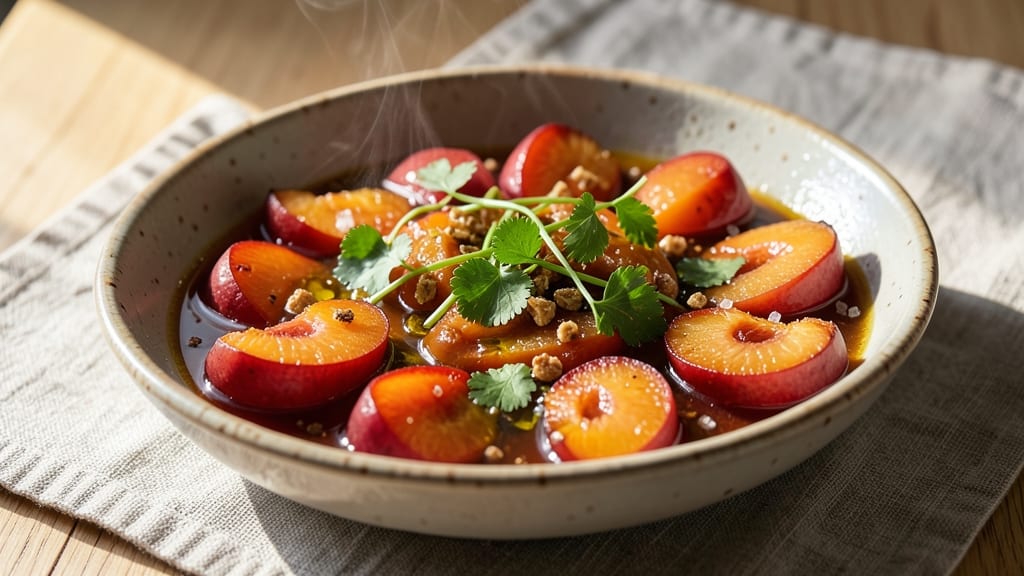
This apricot and coriander sauce transforms grilled meats into restaurant-worthy masterpieces with its perfect balance of sweet-tart brightness and herbal depth. The secret lies in simmering fresh apricots with coriander, vinegar, and just enough sugar to enhance—not overpower—their natural flavors.
I developed this sauce after years of experimenting with Middle Eastern-inspired glazes, and it consistently delivers that signature tangy-sweet profile that pairs beautifully with lamb, chicken, or even roasted vegetables.
The beauty of this sauce is its versatility—it works as a bold glaze for grilled meats, a refreshing dip for yogurt or flatbread, or even a drizzle over desserts like ice cream or cheesecake.
The coriander adds a fresh, citrusy note that cuts through the richness of apricots, while the vinegar ties everything together with a bright acidity. What makes it stand out is how simple yet sophisticated it tastes, requiring just a handful of ingredients and minimal effort to create.
By the time you finish making this sauce, you’ll have a vibrant, glossy glaze that clings beautifully to grilled proteins and adds layers of flavor with every bite. The texture is silky-smooth, with just enough body to coat without being heavy.
It’s the kind of sauce that elevates simple dishes into something extraordinary, and it keeps well in the refrigerator for up to a week, making it perfect for meal prep.
Whether you’re hosting a barbecue or just craving a flavorful twist on weeknight dinners, this apricot and coriander sauce is your secret weapon. Let’s get started—your taste buds will thank you.
Ingredients for apricot and coriander sauce
Eight simple ingredients balance sweet, tart, and herbal notes for a sauce that elevates grilled meats effortlessly.
| Ingredient | Amount | Notes |
|---|---|---|
| Fresh Apricots 🍑 | 1 ½ cups | Pitted and halved for even cooking |
| Fresh Coriander Leaves 🌿 | ½ cup | Stems removed, loosely packed |
| Red Wine Vinegar 🍷 | ¼ cup | Bold and dry variety preferred |
| Granulated Sugar 🍚 | ¼ cup | Light brown sugar for depth |
| Extra-Virgin Olive Oil 🫒 | ¼ cup | High-quality, fruity variety |
| Garlic Cloves 🧄 | 2 cloves | Minced for aromatic depth |
| Ground Cumin 🌿 | ½ tsp | Toasted for enhanced flavor |
| Salt 🧂 | ½ tsp | Diamond Crystal preferred |
| Lemon Juice 🍋 | 1 tbsp | Freshly squeezed for brightness |
| Water 💧 | ½ cup | For thinning consistency |
Fresh apricots are the star here—look for ripe but firm ones with vibrant color at the grocery store. Whole Foods or local markets often have the best selection, but any supermarket will do. Pitting them yourself ensures no surprises, though canned apricots in juice (drained) work in a pinch. The coriander should be bright green with no wilting—Trader Joe's carries excellent quality at a reasonable price. For the vinegar, Bartles & Jaymes or any bold red wine vinegar will give you that signature tang. If you're using brown sugar, lightly toast it in a dry pan for 2-3 minutes to deepen its caramel notes—trust me, it makes a difference.
No fresh apricots? Dried apricots rehydrated in warm water work beautifully—just chop them finely. Short on coriander? Fresh cilantro at half the amount gives a similar brightness, though the flavor profile shifts slightly. The olive oil matters here—avoid the cheap stuff. A fruity, extra-virgin variety like California Olive Ranch adds complexity. For the garlic, roast it first (wrap whole cloves in foil, bake at 400°F for 20 minutes) to mellow its sharpness and add sweetness. The sugar can be adjusted to taste—reduce by 1 tbsp if your apricots are very sweet. And if you're making this ahead, skip the lemon juice until serving to preserve freshness.
This sauce keeps beautifully—up to 1 week in the fridge when stored in an airtight jar with a thin layer of olive oil on top. For longer storage, freeze in ice cube trays for up to 3 months. The texture thickens as it cools, so add a splash of water when reheating. I like to make a double batch—one for immediate use and one to freeze. The sauce pairs perfectly with grilled lamb chops, chicken thighs, or even as a drizzle over vanilla ice cream for a sophisticated dessert. The key to restaurant-quality results? Simmer it low and slow—don't rush the process.
Why You'll Love This Recipe
- Five-Ingredient Magic: I swear by this—just chop apricots, pulse coriander, and toss with vinegar, sugar, and oil. No blending, no straining, no stress. The sauce practically makes itself while I’m still debating whether to add more sugar.
- Bright & Tangy: That balance of juicy apricots and zesty coriander with a sharp vinegar kick? It’s the kind of flavor that lingers without overpowering. Honestly, it’s the perfect wake-up call for yogurt bowls or grilled meats.
- Weeknight & Weekend: Drizzle it over roasted chicken for dinner, then use the leftovers to glaze salmon the next night. It’s my go-to for lazy nights and fancy gatherings—no one ever guesses how little effort it takes.
- Pantry Stash Winner: Apricots are cheap in season, coriander grows like a weed, and vinegar lasts forever. I make big batches, store them in jars, and pull them out whenever I need a quick, vibrant sauce. Budget-friendly? Absolutely.
Step-by-step instructions for apricot and coriander sauce
This vibrant glaze balances sweet, tart, and herbal notes perfectly for grilled meats.
Prepare the Apricots and Aromatics
In a small saucepan, combine the 1.5 cups fresh apricots (pitted and halved) with the 0.25 cup red wine vinegar and 0.25 cup granulated sugar. Bring to a gentle simmer over medium heat—you'll see tiny bubbles forming around the edges. Let it cook for 8-10 minutes until the apricots soften and release their juices, creating a thick, syrupy base.
While the apricots cook, finely chop the 0.5 cup fresh coriander leaves and set aside. In the same pan, add the 2 cloves minced garlic and toast them for 30 seconds until fragrant—this prevents the garlic from becoming bitter. Toss in the 0.5 tsp ground cumin and 0.5 tsp salt, stirring constantly for another 30 seconds so the spices bloom and infuse the pan with their warm, earthy aromas.
Build the Sauce Base
Pour in the 0.25 cup extra-virgin olive oil, letting it slowly incorporate into the simmering apricot mixture. Stir gently to combine, then add the chopped coriander leaves and 1 tbsp lemon juice. The lemon brightens the sauce, cutting through the sweetness while enhancing the herbal notes. Simmer for another 5 minutes, stirring occasionally, until the coriander wilts and the flavors meld together.
Here's the thing—this is where the sauce transforms. The apricots should break down into a smooth, jammy consistency, and the liquid should reduce enough to coat the back of a spoon. If it's too thick, add 1-2 tablespoons of the 0.5 cup water to reach your desired consistency. The sauce should be glossy but still pourable, not gluey.
Finish and Adjust
Remove the pan from heat and let the sauce cool slightly for 5 minutes. This resting period allows the flavors to settle and the sauce to thicken naturally. Taste and adjust the balance—add a pinch more salt if needed, or a splash of lemon juice to sharpen the acidity. The sauce should harmonize sweet, tart, and herbal elements without any single note overpowering.
If you prefer a smoother texture, strain the sauce through a fine-mesh sieve to remove any remaining apricot skins or coriander stems. For extra richness, stir in a teaspoon of the reserved 0.5 cup water to loosen the sauce before serving. The final product should be vibrant, with a glossy sheen that clings beautifully to grilled meats.
Pro Tips For Making Apricot And Coriander Sauce
- Peel Apricots First: I learned this the hard way—peeling apricots before chopping saves you from sticky fingers and a messy cutting board. Run them under hot water for 10 seconds, then slip off the skin with a paring knife while they’re still warm. The flesh stays cleaner, and you won’t waste time scrubbing off bits later.
- Simmer Vinegar Low: Red wine vinegar burns faster than you’d think. Start on medium heat, but as soon as it’s fully incorporated, drop to a whisper-low simmer. Let it mellow for 3-4 minutes—this softens the acidity and deepens the flavor without turning your sauce into vinegar punch.
- Strain the Coriander: Whole coriander leaves muddy the sauce and make it look unappealing. Pulse them in a food processor for 2 seconds, then strain through a fine-mesh sieve to catch the bright green juice while discarding the pulp. You’ll get the freshness without the texture issues.
- Balance Sugar Gradually: Taste before adding all the sugar. Start with half the amount, let the sauce sit for 2 minutes, then adjust—apricots release natural sweetness as they cook. Rushing here leads to cloying sweetness that overpowers the vinegar’s tang. (Yes, even if you’re impatient like me.)
Make-ahead tips for this apricot and coriander sauce
Prep Ahead Components
Start by prepping the apricots and aromatics the night before for a seamless cooking experience. Pit and halve the 1.5 cups fresh apricots and store them in an airtight container in the fridge.
Chop the 0.5 cup fresh coriander leaves and keep them in a separate container with a damp paper towel to maintain freshness. This way, you only need to combine ingredients on the day you plan to cook. 🍑
Sauce Assembly Timeline
Assemble the sauce base up to 24 hours in advance—simmer the apricots with vinegar and sugar, then cool completely before storing in an airtight jar. When ready to finish, simply reheat the mixture, add the coriander, garlic, and remaining ingredients, and simmer for 5 minutes.
This method preserves the vibrant flavors while saving you time on the day of serving.
Freezer-Friendly Batches
Make a large batch and freeze it in ice cube trays for easy portioning. Once frozen, transfer the cubes to a freezer bag and store for up to 3 months.
When needed, thaw overnight in the fridge and reheat gently over low heat, adding a splash of water if the sauce thickens too much. This is perfect for busy weeknights or last-minute entertaining. ❄️
Flavor Boost Prep
Toast the 0.5 tsp ground cumin and 2 cloves garlic ahead of time for deeper flavor. Spread the cumin on a baking sheet and toast in a 350°F oven for 5 minutes, then let cool. Store in an airtight container until ready to use.
For the garlic, roast whole cloves wrapped in foil at 400°F for 20 minutes, then mince before adding to the sauce. These prepped ingredients elevate the sauce's complexity with minimal effort.
Storage Secrets
Store the finished sauce in a clean, airtight jar with a thin layer of extra-virgin olive oil on top to preserve freshness. This creates a natural seal that prevents oxidation and keeps the sauce vibrant for up to 1 week in the refrigerator.
Label the jar with the date to track freshness. For longer storage, freeze the sauce in small portions—this way, you can thaw only what you need without wasting the rest.
Reheating Like a Pro
Reheat the sauce gently over low heat on the stovetop, stirring occasionally to prevent scorching. If the sauce thickens too much, add 1-2 tablespoons of water to restore its glossy consistency.
For a smoother texture, strain the reheated sauce through a fine-mesh sieve. This method ensures the sauce remains vibrant and ready to drizzle over your favorite grilled dishes. 🔥
Nutrition facts
Frequently asked questions
Can I substitute dried apricots in this sauce?
Yes, but you'll need to rehydrate them first. Soak 1 cup dried apricots in warm water for 20 minutes, then drain and chop finely before using. Reduce the sugar by 1 tablespoon since dried apricots are sweeter. The texture will be slightly thicker, so add extra water as needed during simmering.
What if I don't have fresh coriander?
Use cilantro as a 1:1 substitute, but the flavor will be slightly different. For a closer match, try dried coriander seeds (½ teaspoon) toasted in the pan with the garlic. The earthy notes will complement the apricot beautifully. If you're using cilantro, add 1 extra tablespoon of lemon juice to enhance brightness.
How can I make this sauce less sweet?
Reduce the sugar by 2 tablespoons and increase the red wine vinegar by 1 tablespoon to balance the flavors. For extra tartness, add ½ teaspoon of lemon zest along with the lemon juice. Taste as you go—simmering longer will concentrate the sweetness, so keep the heat low and stir frequently.
Can I use this sauce for desserts?
Drizzle it over vanilla ice cream, pound cake, or fresh fruit like berries and peaches. For a richer dessert version, stir in 1 teaspoon of honey and reduce the sugar to ¼ cup. The herbal notes pair wonderfully with creamy desserts, while the sweet-tart balance makes it perfect for fruit toppings.
Why did my sauce turn out too thick?
This usually happens from over-simmering or not enough water. Thin with 1-2 tablespoons of warm water or apple juice while reheating. For future batches, add the full ½ cup water at the beginning and simmer uncovered to control thickness. If it's still too thick, strain through a sieve to remove any apricot pulp.