
Sauces & Condiments
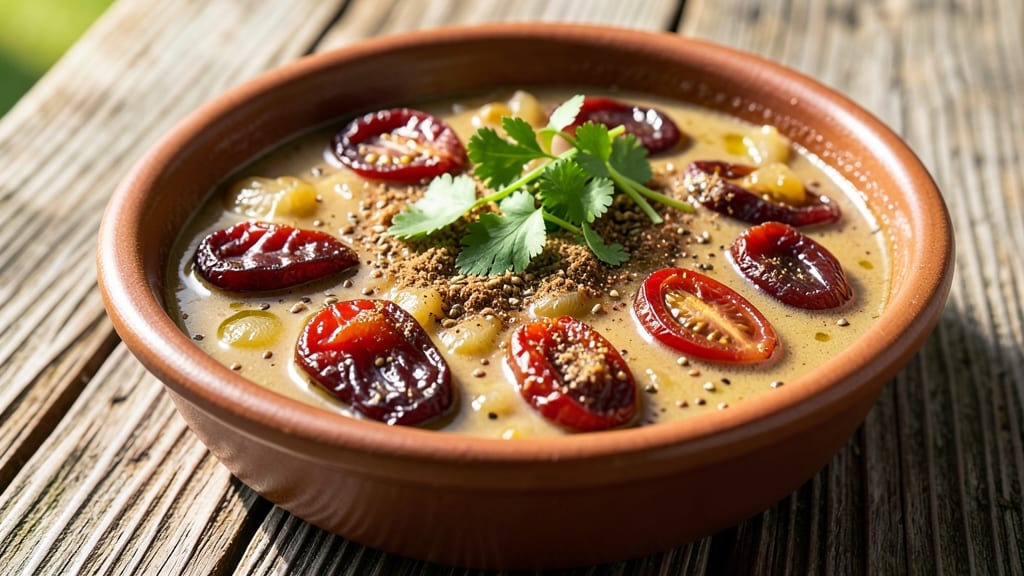
This apricot and coriander tagine sauce transforms ordinary dishes into Moroccan-inspired masterpieces with just 15 minutes of active work.
The perfect balance of sweet, tangy, and aromatic flavors comes from simmering fresh coriander with warm spices, dried apricots, and a touch of tomato paste—creating a sauce that's rich enough for grilled meats but versatile enough for couscous or roasted vegetables.
The secret lies in toasting whole spices like cumin and cinnamon until fragrant, then simmering them with broth to build deep, complex flavors before adding the apricots. This method ensures the sauce remains vibrant and well-balanced, with the coriander adding brightness that cuts through the sweetness.
The result is a sauce that's restaurant-quality but simple enough to make at home.
Once complete, this versatile sauce can be stored in the refrigerator for up to 5 days or frozen for 3 months, making it ideal for meal prep. It pairs beautifully with grilled chicken, lamb, or even as a drizzle over creamy yogurt bowls.
The combination of sweet apricots and fresh coriander creates a flavor profile that's both familiar and exciting.
Whether you're serving it as part of a full Moroccan spread or using it to elevate weeknight dinners, this sauce delivers authentic tagine flavors without the complexity. The ingredients are easy to find, and the process is straightforward—just don't skip the spice toasting step. Let's get started!
Ingredients for apricot and coriander tagine sauce
Moroccan-inspired flavors start with these 13 ingredients—simple yet transformative for any dish.
| Ingredient | Amount | Notes |
|---|---|---|
| Dried Apricots 🍑 | ½ cup | Chopped into small pieces |
| Fresh Coriander Leaves 🌿 | ½ cup | Stems removed, loosely packed |
| Tomato Paste 🍅 | 2 tbsp | Smooth variety preferred |
| Whole Cumin Seeds 🌶️ | 1 tsp | Toasted until fragrant |
| Ground Cinnamon 🍃 | ½ tsp | Freshly ground preferred |
| Ground Coriander 🧄 | ½ tsp | For additional depth |
| Garlic Cloves 🧄 | 2 cloves | Minced for aromatic base |
| Onion 🧅 | ¼ cup | Finely diced, yellow or red |
| Vegetable Broth 💧 | 1 cup | Low-sodium preferred |
| Extra-Virgin Olive Oil 🫒 | 2 tbsp | High-quality for richness |
| Lemon Juice 🍋 | 1 tbsp | Freshly squeezed |
| Salt 🧂 | ½ tsp | Diamond Crystal preferred |
| Black Pepper 🌶️ | ¼ tsp | Freshly cracked |
The spices are the foundation, so source them carefully. Whole cumin seeds should be toasted until fragrant—this step unlocks their depth. For ground spices, Penzeys Spices or local Middle Eastern markets offer the most authentic varieties. The dried apricots should be plump and free of wrinkles; Mediterranean brands like Napa Valley Natural are reliable. Fresh coriander is non-negotiable here—dried lacks the bright, citrusy notes that balance the sweetness. If you can't find it locally, Trader Joe's often carries fresh bundles in their produce section.
No fresh coriander? Cilantro works in a pinch, though it has a slightly different profile. Short on apricots? Dried figs or raisins add sweetness but won't replicate the apricot's texture. Substituting tomato paste? Fresh tomato purée works, but reduce the broth slightly to maintain balance. The vegetable broth can be swapped for water plus 1 tsp bouillon powder if needed, though the flavor will be less complex. For a deeper spice profile, add a pinch of cardamom or smoked paprika—both complement the tagine flavors beautifully.
This sauce thickens as it cools, so store it in an airtight container with a thin layer of olive oil on top to preserve freshness. It keeps for 5 days in the refrigerator and freezes perfectly for 3 months. For meal prep, portion into ice cube trays before freezing—just pop out what you need for quick use. The sauce gains complexity overnight, so make a double batch if possible. Pairs beautifully with grilled proteins or as a vibrant drizzle over couscous.
Why You'll Love This Recipe
- Few Ingredients, Big Payoff: I’ll be real—this sauce only needs five core things, and two of them (dried apricots and tomato paste) last forever in your pantry. No last-minute grocery runs, no stressing over fresh herbs that wilt by dinner. Just toss them in with the cumin and cinnamon, let the spices sing, and you’ve got something that tastes like a slow-cooked feast without the effort.
- Sweet-Savory Magic: That first bite? The dried apricots plump up in the sauce, bursting with jammy sweetness while the coriander brightens everything like a citrus squeeze. The cinnamon and cumin add this warm, earthy depth—honestly, it’s the kind of balance that makes you pause mid-bite. It’s not just flavor; it’s layered flavor.
- Weeknight to Weekend: Slather it over grilled chicken for a Tuesday dinner, or drizzle it on couscous for a Saturday brunch. Freeze half the batch for when you’re too tired to cook, and it’ll still taste like you slaved over it. (Between us, it’s my go-to for lazy days when I want to feel fancy.)
- Budget-Friendly Luxury: A jar of tomato paste, a handful of dried fruit, and a spice rack staple—this sauce costs pennies but tastes like a restaurant dish. Plus, it stretches over grains, proteins, or even toasted bread, so you’re not wasting a drop. My wallet and my taste buds both win.
Step-by-step instructions for apricot, coriander, and tagine sauce
This Moroccan-inspired sauce balances sweet apricots with earthy coriander and aromatic spices.
Toast the Cumin Seeds and Sauté the Aromatics
Heat the 2 tablespoons extra-virgin olive oil in a medium saucepan over medium heat. Add the 1 teaspoon whole cumin seeds and toast for 30 seconds until fragrant—you'll smell their warm, nutty aroma. Immediately add the ¼ cup finely diced onion and cook for 5 minutes until soft and translucent.
Next, add the 2 minced garlic cloves and stir for 30 seconds until the raw garlic smell dissipates. This step builds the aromatic base that carries through the entire sauce. Keep the heat at medium—too high will burn the garlic before it releases its flavor.
Develop the Spiced Tomato Base
Reduce heat to medium-low and stir in the 2 tablespoons tomato paste, spreading it evenly across the pan. Cook for 2 minutes to eliminate the raw taste. Then add the ½ teaspoon ground cinnamon, ½ teaspoon ground coriander, ½ teaspoon salt, and ¼ teaspoon black pepper, stirring constantly for 1 minute until the spices bloom and fill the kitchen with their warm, earthy scent.
This spice blend is the heart of the sauce—don't rush this step. The spices should coat the tomato paste completely, creating a rich, fragrant paste that will deepen as the sauce simmers.
Incorporate Apricots and Broth
Pour in the 1 cup vegetable broth and bring to a gentle simmer. Add the ½ cup chopped dried apricots and stir to combine. Let the mixture simmer uncovered for 8-10 minutes until the apricots soften and release their jammy sweetness. The sauce should reduce slightly, thickening as it cooks.
Here's where the magic happens—the sweetness of the apricots melds with the earthy spices, creating a perfect balance. Taste occasionally and adjust seasoning if needed, adding a pinch more salt or cinnamon if desired.
Finish with Coriander and Lemon
Remove the pan from heat and stir in the ½ cup fresh coriander leaves and 1 tablespoon lemon juice. The bright acidity of the lemon cuts through the richness while the coriander adds freshness. Let the sauce sit for 5 minutes to allow the flavors to fully meld together.
This final step transforms the sauce from good to extraordinary. The coriander leaves should wilt slightly, releasing their citrusy aroma, while the lemon juice brightens the entire dish. The sauce should be thick but still coat the back of a spoon smoothly.
Adjust Consistency and Serve
If the sauce is too thick, thin it with 1-2 tablespoons water or additional broth. For serving, ladle the warm sauce over grilled chicken, lamb, or couscous. The vibrant colors and complex flavors make this sauce a showstopper for any Moroccan-inspired meal.
For best results, serve immediately while the sauce is still warm. The flavors continue to develop as it sits, but the texture will thicken further. Store any leftovers in an airtight container in the refrigerator for up to 3 days or freeze for 1 month.
Pro Tips For Making Apricot And Coriander Tagine Sauce
- Bloom the Cumin First: Toss whole cumin seeds into a dry, hot pan for 30 seconds before adding anything else—just until they sizzle and release their aroma. I used to skip this, and the sauce always tasted flat; those seeds need a quick head start to wake up their earthy punch before hitting the tomato paste.
- Soak Apricots Smart: Dried apricots absorb liquid like sponges—soak them in warm water for 10 minutes, then drain and pat very dry before adding to the sauce. Wet apricots will turn your tagine into a watery mess, and nobody wants that.
- Toast the Tomato Paste: Cook the tomato paste on medium heat for 2 full minutes before adding liquids—until it darkens slightly and smells caramelized. This deepens the flavor way more than just stirring it in cold; think of it as a flavor multiplier.
- Add Coriander Late: Stir in fresh coriander leaves only at the very end, off the heat, or they’ll turn bitter from lingering too long in the sauce. I learned this after a disastrous batch where the sauce tasted soapy—now I treat them like garnish, not an ingredient.
Storing and reheating your leftovers
Refrigerator Storage
Store your apricot-coriander tagine sauce in an airtight container with a thin layer of extra-virgin olive oil on top to preserve freshness and prevent oxidation. The sauce thickens as it cools, so leave a little room at the top—about ½ inch—to avoid spills.
I recommend using glass containers like Pyrex with snap-on lids for easy reheating. Keep it refrigerated at 40°F or below for up to 5 days, but I’ve found the flavors actually deepen overnight. 💫
Freezer Storage
For longer storage, portion the sauce into ice cube trays before freezing—this makes it easy to thaw just what you need. Once frozen, transfer the cubes to a freezer-safe bag or container, leaving 1 inch of headspace for expansion.
This sauce maintains its quality for up to 3 months in the freezer. When reheating, thaw overnight in the fridge before warming gently on the stovetop. The texture may thicken slightly after freezing, so add a splash of vegetable broth if needed. ❄️
Reheating Methods
For the best texture, reheat the sauce on the stovetop over medium-low heat. Stir in 1-2 tablespoons of water or broth to prevent sticking and bring to a gentle simmer for 3-5 minutes. Avoid boiling, as this can break down the delicate coriander and apricot flavors.
If using frozen portions, thaw first—microwaving can make the sauce watery. I like to reheat just enough for one serving to keep the sauce at its peak. 🔥
Reviving Texture
If your refrigerated sauce thickens too much, thin it with 1 tablespoon of warm water or broth while reheating. For extra richness, stir in a pat of softened butter or a drizzle of olive oil to restore balance.
The sauce should coat the back of a spoon smoothly but still be pourable. Pro tip: If the coriander leaves look wilted after reheating, garnish with fresh leaves just before serving to brighten the dish. ✨
Meal Prep Tips
Make a double batch of this sauce and store half for future meals—it’s perfect for quick weeknight dinners. Label containers with the date to track freshness. When reheating, taste and adjust seasoning—sometimes the spices mellow out after storage.
I often use this sauce as a marinade for grilled meats or a drizzle over couscous. The versatility makes it a pantry staple worth prepping ahead. 💡
Nutrition facts
Frequently asked questions
Can I use fresh apricots instead of dried?
Fresh apricots work beautifully, but you'll need to adjust the cooking time. Use 1 cup peeled and chopped fresh apricots and simmer them for only 5-6 minutes—they'll soften faster than dried. For extra sweetness, add 1 teaspoon honey to balance the tartness. The texture will be slightly chunkier, which adds nice contrast to the smooth sauce.
What if I don't have fresh coriander?
Cilantro is the closest substitute, though it has a slightly different flavor profile. Use the same amount, but expect a more citrusy, slightly peppery taste. For a more authentic experience, try dried coriander seeds (not ground)—toast ½ teaspoon whole seeds first, then grind them fresh. This adds depth but won't replicate the fresh herb's brightness.
How can I make this sauce spicier?
Add heat with ½ teaspoon smoked paprika or ¼ teaspoon cayenne pepper during the spice toasting step. For a smoky depth, include ½ teaspoon harissa paste with the tomato paste. Start with small amounts—you can always add more, but you can't remove it. Balance the heat with extra lemon juice if needed to keep the sauce bright.
Can I make this sauce without tomato paste?
Yes, but the sauce will be less rich and balanced. Replace the tomato paste with ½ cup fresh tomato purée or 2 tablespoons red wine to add acidity. For depth, add 1 teaspoon soy sauce or ½ teaspoon miso paste to mimic the umami quality of tomato paste. The sauce will be slightly thinner, so reduce the broth by 2 tablespoons to maintain consistency.
What are the best dishes to serve with this sauce?
This versatile sauce pairs beautifully with grilled or roasted meats like lamb chops or chicken thighs. It also elevates couscous, roasted vegetables, or even flatbreads. For a vegetarian option, drizzle it over spiced chickpeas or use it as a dip for crudités. The sweet-spicy balance makes it perfect for both hearty and light meals.