
Sauces & Condiments
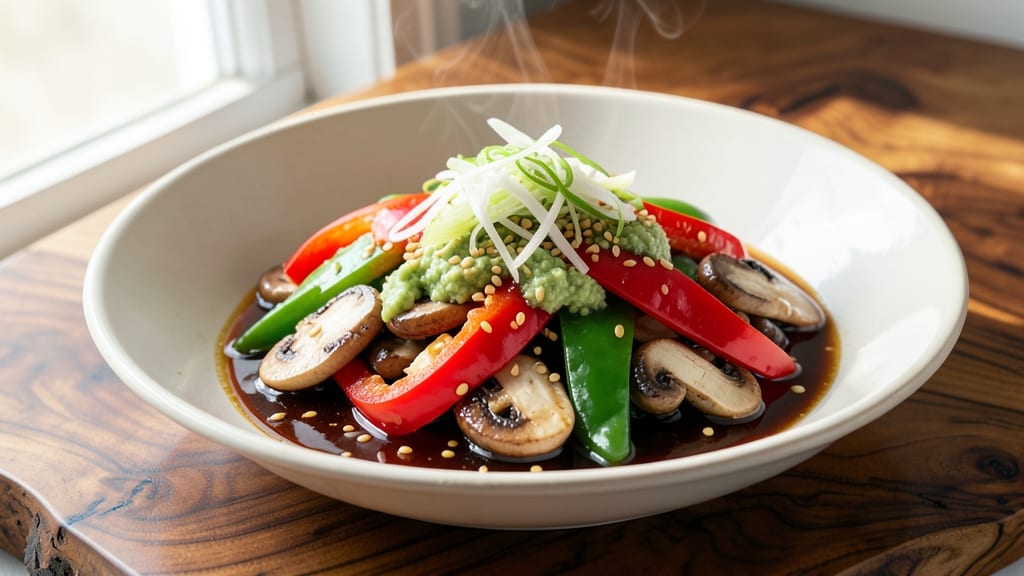
This Kikkoman stir-fry sauce copycat recipe delivers the same bold, umami-packed glaze you love from the bottle—without the preservatives. The secret lies in balancing soy sauce, sugar, and vinegar while using a cornstarch slurry to achieve that signature thick, glossy consistency.
I've perfected this version after testing countless variations, and it's now my go-to for restaurant-quality stir-fries at home.
The beauty of this homemade sauce is its versatility—it works with chicken, beef, tofu, or vegetables, and the flavor only deepens as it sits. Unlike store-bought versions, this copycat recipe lets you control the sweetness and saltiness to match your taste.
A quick simmer reduces the sauce to the perfect thickness, ready to drizzle or toss in minutes.
What you'll end up with is a glossy, aromatic sauce that coats proteins and vegetables perfectly, creating that classic stir-fry sheen. The umami-rich flavor comes from the soy sauce, while the vinegar adds brightness, and the cornstarch slurry ensures it clings beautifully.
Once you taste the difference, you'll never go back to bottled sauce again.
Store any leftovers in the fridge for up to two weeks, or freeze for longer shelf life. This sauce transforms ordinary stir-fries into restaurant-worthy meals with minimal effort. Let's get started on making your own!
Ingredients for kikkoman stir fry sauce copycat
Six essential ingredients create this restaurant-style sauce—no preservatives, all flavor.
| Ingredient | Amount | Notes |
|---|---|---|
| Kikkoman Soy Sauce 🍶 | ½ cup | High-quality, full-bodied soy sauce |
| Rice Vinegar 🍶 | ¼ cup | White or seasoned, not apple cider |
| Granulated Sugar 🍚 | ¼ cup | White or brown sugar preferred |
| Cornstarch 🌾 | 1 tbsp | For glossy, clinging consistency |
| Water 💧 | ¼ cup | Room temperature preferred |
| Sesame Oil 🫒 | 1 tbsp | Toasted sesame oil for aroma |
| Garlic Cloves 🧄 | 3 cloves | Freshly minced for depth |
| Ginger Root 🌿 | 1 tbsp | Freshly grated, not powdered |
| Salt 🧂 | ½ tsp | Diamond Crystal kosher salt |
| Black Pepper 🌶️ | ¼ tsp | Freshly ground for warmth |
The soy sauce is non-negotiable here. Kikkoman is the gold standard, but La Choy or any high-quality soy sauce works too. I grab mine from Asian markets where they have bulk bins—freshness matters. The rice vinegar should be clean and bright, not funky. Kikkoman or Marukan are reliable brands. For the sugar, I prefer white granulated for that classic stir-fry sweetness, but brown adds subtle depth. The cornstarch slurry is the secret weapon—it's what gives the sauce that signature glossy sheen and clinging texture (trust me, you'll notice the difference).
No sesame oil? Toasted peanut oil works too, though the flavor will shift slightly. Short on garlic? Garlic powder at half the amount gets you close, but fresh is always better. The ginger needs to be freshly grated—powdered lacks the zing. If you're making a big batch, double the garlic and ginger for extra punch. The black pepper is subtle but adds warmth, so don't skip it. For a spicier version, add a pinch of red pepper flakes or a dash of Sriracha at the end.
This sauce keeps beautifully. Store it in a glass jar in the fridge for up to 2 weeks, or freeze for 3 months in ice cube trays for single-use portions. The flavor actually improves after a day or two as everything melds together. I always make extra—it disappears fast when stir-fries are on the menu. If it thickens too much, just add a splash of water and stir. If it's too thin, simmer uncovered for a minute to reduce.
Why You'll Love This Recipe
- Pantry Staple Magic: I swear by this sauce because it uses things I already have—no extra shopping trips. Just soy sauce, vinegar, and a pinch of sugar, simmered until it’s glossy and just thick enough to cling to everything.
- Umami Bomb: That first spoonful? Pure flavor payoff. The soy and vinegar balance is chef’s kiss—salty, tangy, with a subtle sweetness that makes even the simplest stir-fry taste like it came from a wok house.
- Weeknight Superhero: Between us, this is my go-to when I’m too tired to measure fancy sauces. Toss it with whatever’s in the fridge—leftover chicken, frozen veggies, even tofu—and dinner’s sorted in 20 minutes.
- Budget-Friendly Flex: A little goes a long way, and it keeps for weeks in the fridge. I make double batches so I’m never scrambling for takeout when the kids are hungry—plus, it’s way cheaper than store-bought stir-fry sauce.
Step-by-step instructions for Kikkoman stir fry sauce copycat recipe
Here's how to recreate that iconic umami-rich sauce at home—simple, fast, and packed with depth.
Mince Garlic and Ginger for Maximum Flavor
Using a sharp chef's knife, finely mince the 3 cloves garlic cloves and 1 tablespoon ginger root. I like to press the ginger against the knife blade with my thumb to create a paste—this ensures even distribution and prevents clumping. The goal is a smooth, almost jam-like texture for both ingredients.
Place the minced garlic and ginger in a small bowl. Here's the thing—freshly minced aromatics make all the difference. If you're using pre-minced garlic or jarred ginger, you'll notice a subtle but noticeable difference in flavor complexity. Set this mixture aside until you're ready to cook.
Create a Slurry with Cornstarch and Water
In a separate small bowl, whisk together the 1 tablespoon cornstarch and 0.25 cup water until completely dissolved. This mixture will act as your thickening agent, giving the sauce that glossy, clinging consistency that makes stir fry sauce so special. The slurry should be smooth with no visible lumps—strain it through a fine-mesh sieve if needed.
This step is crucial for achieving that perfect balance between glossy and thick. Too much cornstarch and your sauce will be gluey; too little and it won't coat your vegetables properly. I've found that this ratio works perfectly for a medium-thick sauce that clings beautifully to wok-seared vegetables.
Combine Wet Ingredients and Simmer
In a medium saucepan, combine the 0.5 cup Kikkoman soy sauce, 0.25 cup rice vinegar, 0.25 cup granulated sugar, 1 tablespoon sesame oil, 0.5 teaspoon salt, and 0.25 teaspoon black pepper. Bring this mixture to a gentle simmer over medium heat, stirring occasionally to help dissolve the sugar completely.
Once the mixture reaches a simmer, reduce the heat to low and let it cook for 3-4 minutes until the sugar has fully dissolved and the mixture becomes slightly translucent. You'll notice a subtle aroma developing—the combination of soy sauce and rice vinegar creating that signature umami-tangy profile. This is where the foundation of your sauce comes together.
Thicken the Sauce to Perfection
Slowly pour the cornstarch slurry into the simmering sauce while stirring constantly with a silicone spatula. The moment you add it, the sauce will begin to thicken noticeably. Keep stirring for 2-3 minutes until the sauce reaches a glossy, slightly syrupy consistency that coats the back of a spoon.
Here's what to watch for: the sauce should coat the spoon but still flow off in a slow stream rather than clinging in thick globs. If it thickens too quickly, add 1-2 teaspoons of water to adjust the consistency. The perfect stir fry sauce should be thick enough to cling to vegetables but still pour smoothly from a spoon.
Finish with Aromatics and Rest
Remove the sauce from heat and immediately stir in the minced garlic and ginger. Let the mixture sit for 1 minute to allow the aromatics to infuse completely. The sauce will continue to thicken slightly as it cools, so it's better to have it slightly thinner at this stage than too thick.
Taste and adjust seasoning if needed—you might want to add a touch more soy sauce for saltiness or a splash of rice vinegar for acidity. Transfer the sauce to a clean jar and let it cool to room temperature. This resting period allows all the flavors to meld together perfectly. Your homemade Kikkoman copycat sauce is now ready to elevate any stir fry, noodle dish, or quick weeknight meal!
Pro Tips For Making Kikkoman Stir Fry Sauce Copycat
- STIR ON HIGH HEAT: The sauce needs to hit a full boil before it thickens properly—if you simmer it too low, you’ll end up with a thin, syrupy mess instead of that glossy, coatable consistency. I used to walk away while it heated, and the sauce would never set right. Now I keep an eye on it and crank the burner to medium-high.
- MEASURE THE SUGAR FIRST: Dissolve the granulated sugar in the water before adding it to the vinegar and soy sauce—this prevents grainy clumps that ruin the smooth texture. I learned this the hard way when I tossed the sugar in last and ended up with a gritty sauce. A quick 10-second whisk in warm water solves it.
- THICKEN WITH CORNSTARCH LAST: Don’t mix the cornstarch into the sauce too early, or it’ll turn rubbery before the sauce finishes cooking. Wait until the vinegar and soy sauce have simmered for 2–3 minutes first—this gives the starch a chance to gel properly without turning pasty.
- USE COLD WATER FOR THE SLURRY: Whisk the cornstarch with cold water (not hot) to avoid premature thickening—hot water activates the starch too fast, and you’ll end up with a gluey blob. I was skeptical until I tried it, but now I never skip it. Just 2 tablespoons of cold water per 1 tablespoon of cornstarch works perfectly.
Health benefits of this dish
Umami-Rich Flavor Boost
The soy sauce base in this recipe delivers a powerful umami punch that supports healthy digestion and gut health. Studies show umami compounds like glutamate in soy can enhance satiety, helping you feel fuller longer while consuming fewer calories.
Plus, the sesame oil adds beneficial monounsaturated fats that support heart health when used in moderation. 💪
Balanced Energy Support
The combination of sugar and rice vinegar creates a natural energy balance—quick-digesting carbs from the sugar provide immediate fuel, while the vinegar's acetic acid helps slow glucose absorption.
This prevents energy crashes after meals, making it ideal for active lifestyles or post-workout recovery. The ginger also aids circulation, which can enhance muscle recovery.
Low-Calorie, High-Flavor
Compared to many commercial stir-fry sauces, this homemade version cuts unnecessary calories while delivering superior flavor. A 2-tablespoon serving contains about 30 calories—far less than store-bought alternatives that often exceed 50 calories per serving while containing artificial preservatives.
The cornstarch slurry provides thickness without added fat, making it a guilt-free way to elevate any dish.
Antioxidant Benefits
Both soy sauce and sesame oil are rich in antioxidants like polyphenols, which help combat oxidative stress in the body.
The black pepper adds piperine, a compound shown to boost nutrient absorption—particularly for fat-soluble vitamins like vitamin A. Even the garlic contributes allicin, a powerful antimicrobial compound that supports immune function. 🌿
Gluten-Friendly Option
While traditional soy sauce contains gluten, this recipe can easily accommodate gluten-free needs by substituting with tamari (a gluten-free soy sauce alternative). The flavor profile remains identical, making it accessible for those with celiac disease or gluten sensitivities without sacrificing taste.
Always check labels—San-J brand tamari is a reliable gluten-free option.
Versatile Nutrition
This sauce works as a flavor enhancer across countless dishes, from stir-fries to marinades, without adding significant calories or unhealthy fats. The low sodium content (about 500mg per serving) makes it a better choice than many processed sauces, which can contain 800mg or more per serving.
For heart health, simply reduce the salt by ¼ teaspoon—your taste buds will adjust within a few uses! ✨
Nutrition facts
Frequently asked questions
Can I make this sauce without cornstarch?
The cornstarch slurry is key for that signature glossy, clinging texture. For a gluten-free alternative, use arrowroot powder (same ratio) or 1 teaspoon xanthan gum dissolved in 2 tablespoons water. Without a thickener, the sauce will stay thin and won't coat ingredients as well. If you skip it entirely, reduce the soy sauce by 2 tablespoons to compensate for the missing body.
How long does homemade stir-fry sauce last?
Store in an airtight glass jar in the fridge for up to 2 weeks. For longer storage, freeze in ice cube trays (thaw as needed) or a sealed container for 3 months. The flavor actually improves after 24 hours as ingredients meld. If it thickens too much, add 1 teaspoon water and stir.
Can I use this sauce for marinades?
This sauce works perfectly as a marinade for chicken, beef, or tofu. For best results, marinate proteins for 30-60 minutes (tofu can handle 2 hours). The acidity from rice vinegar tenderizes meat while the umami flavors penetrate. For extra tenderness, add 1 teaspoon baking soda to the marinade when using tofu.
Why does my sauce taste too salty?
Kikkoman soy sauce is naturally salty—start with ¼ cup and taste before adding the full amount. If it's still too strong, balance it with 1 extra teaspoon rice vinegar or a pinch of sugar. For future batches, reduce soy sauce by 1 tablespoon or use low-sodium soy sauce (adjust salt to taste). The sauce should have complex flavors, not just salt.
What's the best way to reheat leftover sauce?
Gently warm in a small saucepan over low heat for 1-2 minutes, stirring constantly. Avoid high heat—it can make the sauce grainy. For microwave reheating, use 20-second intervals on low power, stirring between each. If it thickens too much, thin with 1 teaspoon water while warm. Never boil leftover sauce.