
Sauces & Condiments
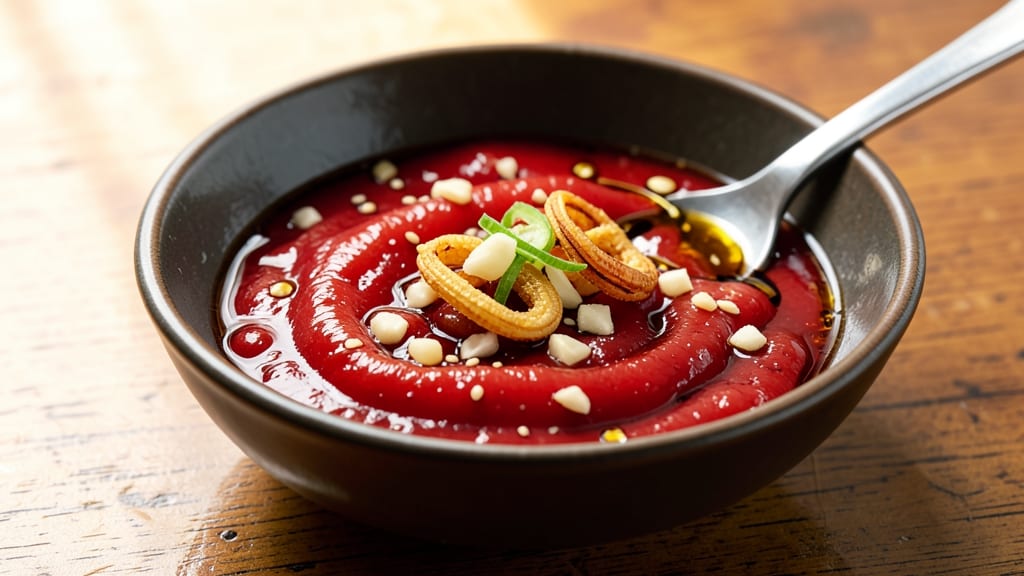
This Kikkoman sweet and sour sauce recipe transforms simple pantry staples into a glossy, tangy-sweet sauce that elevates stir-fries, glazes, and dipping sauces to restaurant quality. The balance of vinegar, sugar, and ketchup creates that signature glossy finish, while garlic, ginger, and soy sauce add depth—no bottled shortcuts needed.
I developed this version after years of tweaking store-bought sauces, and it’s become my go-to for weeknight cooking and meal prep.
The beauty of homemade sweet and sour sauce lies in its versatility and customization. Unlike thick, syrupy bottled versions, this recipe delivers a light, glossy consistency perfect for tossing with vegetables, drizzling over meats, or serving as a dipping sauce.
The sauce keeps well in the fridge for up to 2 weeks or freezes for 3 months, making it ideal for batch cooking. Adjust the sugar-to-vinegar ratio to suit your taste—more vinegar for tang, more sugar for sweetness.
What sets this sauce apart is its bright, balanced flavor that doesn’t overpower dishes. The garlic and ginger infuse warmth, while the soy sauce adds umami, creating a sauce that works with everything from crispy tofu to grilled chicken.
It’s the kind of condiment that turns simple meals into something special—no fancy techniques required, just a few minutes of prep and a little patience for the flavors to meld.
Once you taste the difference, you’ll never go back to store-bought. The sauce’s glossy sheen and perfect tang-sweet ratio make it a game-changer for homemade Asian-inspired dishes. Ready to make your own? Here’s everything you need to create this versatile, crowd-pleasing sauce.
Ingredients for kikkoman sweet and sour sauce
Pantry staples that transform into restaurant-quality tangy-sweet sauce in minutes.
| Ingredient | Amount | Notes |
|---|---|---|
| White Vinegar 💧 | ½ cup | Distilled or apple cider preferred |
| Granulated Sugar 🍚 | ½ cup | White or brown for depth |
| Ketchup 🍅 | ½ cup | Heinz preferred for consistency |
| Soy Sauce 🍜 | ¼ cup | Kikkoman preferred for balance |
| Garlic Cloves 🧄 | 4 cloves | Minced for infusion |
| Fresh Ginger 🌿 | 1 ½ tbsp | Grated, not powdered |
| Water 💧 | ½ cup | For thinning consistency |
| Cornstarch 🌾 | 1 tbsp | For glossy finish |
| Salt 🧂 | ½ tsp | Diamond Crystal preferred |
The vinegar and sugar are the dynamic duo here—apple cider vinegar adds subtle fruitiness while white vinegar keeps it sharp. Kikkoman soy sauce is non-negotiable for that authentic umami punch; don't substitute with generic brands. Fresh ginger and garlic? Buy them at Trader Joe's—their pre-grated ginger is a lifesaver, and their garlic is consistently fresh. For the ketchup, Heinz is your best bet—it's the standard for this recipe. The cornstarch might seem like an afterthought, but it's what gives that signature glossy sheen. If you're feeling fancy, toast the cornstarch in a dry pan for 30 seconds before mixing—it deepens the flavor.
No apple cider vinegar? White vinegar plus 1 tsp lemon juice works in a pinch. Swapping out ketchup? Tomato paste thinned with water gets you close, but you'll lose that sweet-tart balance. Fresh ginger too spicy? Reduce to 1 tbsp grated or use powdered ginger at half the amount. The sauce needs time to meld—let it sit 10 minutes after cooking before adjusting sweetness or tang. Too thick? Add water 1 tbsp at a time. Too thin? Simmer longer or add another 0.5 tbsp cornstarch mixed with cold water.
This sauce keeps beautifully—2 weeks in the fridge sealed in an airtight jar. For long-term storage, freeze in ice cube trays and transfer to a bag. Thaw overnight in the fridge or microwave for 20 seconds. I always make double batches—one for immediate use, one to freeze. The flavor actually improves after 24 hours as everything marries together. If you're prepping for a crowd, scale up the cornstarch by 20% to ensure that glossy finish.
Why You'll Love This Recipe
- Pantry Magic: I swear, this sauce comes together with stuff you already have—no fancy shopping required. The vinegar cuts through the sweetness, the soy sauce adds depth, and that minced garlic? Instant umami punch without any fuss.
- Umami-Sweet Balance: Here’s what sold me—the way the ketchup’s tang marries sugar and garlic for a flavor that’s addictive but not overpowering. It’s the kind of sauce that makes you pause mid-bite, like, "Wait, how is this so good?"
- Weeknight Hero: Between us, I’ve drizzled this over takeout noodles, tossed it with stir-fried veggies, and even used it as a marinade. It’s the ultimate lazy-but-impressive sauce that turns boring meals into something special—even when I’m too tired to think.
- No Waste, All Win: Honestly, this recipe makes more than you’ll use in one sitting, and that’s a gift. The leftovers keep for weeks in the fridge, perfect for quick dips or last-minute flavor boosts. Plus, it’s cheaper than buying store-bought—so your wallet thanks you too.
Step-by-step instructions for Kikkoman sweet and sour sauce
Here's how to craft a restaurant-quality sweet and sour sauce from scratch—bold, balanced, and ready to elevate any stir-fry.
Bloom the Aromatics in Vinegar
In a medium saucepan, combine the 0.5 cup white vinegar and 4 cloves minced garlic. Bring to a gentle simmer over medium-low heat and let cook for 3-4 minutes until the garlic becomes fragrant and just begins to soften. This step infuses the vinegar with garlic's sweetness without letting it burn—watch closely, as garlic can turn bitter in seconds.
Next, add the 1.5 tablespoons grated fresh ginger and the 0.5 teaspoon salt. Simmer for another 2 minutes until the ginger releases its bright, citrusy notes. The mixture should smell vibrant and complex—this is the aromatic foundation of your sauce. If you notice any browned bits forming, stir gently to prevent burning, as they'll add bitterness rather than depth.
Build the Sauce Base
Reduce the heat to low and whisk in the 0.5 cup granulated sugar and 0.5 cup ketchup. Stir constantly for 3-4 minutes until the sugar fully dissolves and the mixture thickens slightly. You'll see the sauce transform from a thin liquid into a glossy, syrupy consistency—this is where the sweet and tangy balance begins to take shape.
Now, pour in the 0.25 cup soy sauce and 0.5 cup water. Bring the mixture to a gentle boil, then immediately reduce heat to medium-low and let it simmer for 5-6 minutes. The sauce should reduce by about 20%—it should coat the back of a spoon but still be pourable. Taste at this stage: it should be sweet, tangy, and slightly salty, with a bright ginger-garlic punch.
Thicken for a Glossy Finish
In a small bowl, whisk together the 1 tablespoon cornstarch with 2 tablespoons water to create a smooth slurry. Slowly drizzle this into the simmering sauce while stirring constantly with a wooden spoon. The moment the slurry hits the sauce, it should begin to thicken immediately—keep stirring for 1-2 minutes until it reaches a glossy, velvety consistency, similar to store-bought sweet and sour sauce.
If the sauce thickens too quickly, add 1 tablespoon water at a time until it reaches your desired texture. The final sauce should coat the back of a spoon but still be fluid enough to drizzle over stir-fries. Let it simmer for another 1 minute to ensure the cornstarch is fully cooked and the sauce is smooth.
Rest and Adjust
Remove the sauce from heat and let it cool for 5 minutes. This resting period allows the flavors to meld and the sauce to thicken slightly as it cools. Taste again and adjust the balance: if it needs more tang, add 1 teaspoon vinegar; if it needs more sweetness, add 1 teaspoon sugar; or if it needs saltiness, add 1/8 teaspoon soy sauce. The goal is a harmonious blend where the sweetness, tang, and umami play off each other perfectly.
Once adjusted, transfer the sauce to a clean jar and let it sit at room temperature for 1 hour before using. This resting time ensures the flavors fully develop, and the sauce will be even more vibrant when drizzled over your favorite stir-fry. Store any leftovers in the refrigerator for up to 1 week—it only gets better with time!
Pro Tips For Making Kikkoman Sweet And Sour Sauce
- Simmer Slow and Steady: I used to blast this sauce on high heat, thinking it’d speed things up—big mistake. The sugar and vinegar need time to marry, so keep it at a gentle simmer (about 3-4 minutes) or you’ll end up with a grainy, underdeveloped mess. Trust me, the extra patience makes the difference between "meh" and "wow."
- Mince That Garlic Fine: Whole garlic cloves in sweet-and-sour sauce? Nope. Pulse them in a food processor or mince aggressively with a knife—you want them nearly paste-like. I learned this the hard way when I left chunks in, and they turned to mush instead of releasing their flavor. (Yes, even if you’re impatient like me.)
- Balance the Vinegar First: Taste the vinegar before adding sugar—it’s the acidity anchor. If it’s too sharp, a splash of watered-down ketchup (1:1 ratio) smooths it out without overpowering. I skip this step sometimes, and the sauce ends up either too tangy or cloyingly sweet. Two seconds now saves a whole batch later.
- Skip the Soy Sauce Rush: Add soy sauce last—after the sugar has dissolved and the vinegar’s heat has mellowed. Dumping it in early can make the sauce taste flat or overly salty. Stir in just before serving, and let it brighten the flavors without overstaying its welcome. (Your future self will notice.)
Best sauces and condiments for this kikkoman sweet and sour sauce
Classic Stir-Fry Sauce
This homemade sweet and sour sauce is a game-changer for stir-fries, transforming simple proteins and veggies into a restaurant-worthy dish. I love tossing it with crispy tofu, shrimp, or chicken breast—the glossy finish coats everything perfectly while balancing the dish's flavors.
For extra texture, add sliced bell peppers or bok choy right before serving so they stay crisp. 🔥
The sauce's light, pourable consistency makes it ideal for quick weeknight meals. Unlike thick bottled versions, this one clings beautifully to ingredients without weighing them down. I often double the batch and keep it in the fridge for easy drizzling over fried rice or noodle bowls throughout the week.
Dipping Sauce Perfection
Serve this sauce warm or at room temperature as a dipping sauce for spring rolls, dumplings, or crispy fried chicken. The bright tang cuts through fried foods beautifully, while the subtle sweetness keeps it addictive.
For an extra kick, add 1 tsp sriracha or ½ tsp red pepper flakes to the finished sauce—just enough heat to complement without overpowering.
Pro tip: Thin the sauce slightly with 1 tbsp water before dipping to create a silky, drizzling consistency that’s perfect for saucing. I also like adding a pinch of sesame oil at the end for a nutty aroma that elevates the dish.
Glazing Sauce
Use this sauce as a glaze for grilled or roasted meats like pork tenderloin or chicken thighs. Brush it on during the last 5 minutes of cooking to caramelize the sugars and create a sticky, flavorful crust.
The ginger and garlic in the sauce add depth that pairs perfectly with grilled proteins. 💫
For a double-glazed effect, simmer the sauce until slightly thicker before brushing. I recommend using it on baked salmon too—the sweetness balances the fish’s natural oils beautifully. Just reduce the soy sauce to 2 tbsp to prevent overpowering the delicate flavor.
Marinade Boost
Add this sauce to marinades for extra flavor and tenderness. Mix ½ cup of the sauce with 1 tbsp soy sauce and 1 tbsp honey, then coat chicken or beef for 30 minutes before cooking.
The acidity in the vinegar helps tenderize the meat, while the sugar caramelizes for a sweet-savory crust. Perfect for grilled skewers or stovetop stir-fries!
For a spicy marinade, blend in 1 tsp gochujang or ½ tsp cayenne with the sauce. This works amazingly with pork ribs or tofu—the heat and sweetness create a complex flavor profile that’s hard to resist.
Nutrition facts
Frequently asked questions
Can I make this sauce without cornstarch?
Yes, but the texture will be thinner. For a glossy finish without cornstarch, use 1 tbsp tomato paste instead—it adds body and depth. Alternatively, simmer the sauce longer to reduce it naturally, but you may need to add 1 extra tbsp water to maintain balance. The sauce will still taste great but won't have that signature shine.
How do I adjust the sweetness or tanginess?
Start with small adjustments: add ½ tsp sugar at a time for more sweetness or ½ tsp vinegar for extra tang. Taste after each addition—remember, the sauce will mellow slightly as it cools. For a 1:1 ratio, balance is key: if it's too sweet, add vinegar; if too tangy, add sugar. The goal is a harmonious blend where neither flavor overpowers.
Can I use this sauce as a marinade?
Mix ½ cup sauce with 1 tbsp soy sauce and 1 tbsp honey for a perfect marinade. The acidity tenderizes proteins like chicken or beef, while the sugar caramelizes for a sweet-savory crust. For spicy marinades, add 1 tsp gochujang or ½ tsp cayenne. Marinate for 30 minutes before cooking—never longer, as the vinegar can break down meat fibers.
Why did my sauce turn cloudy?
Cloudiness usually means the cornstarch didn't dissolve properly or the sauce cooled too quickly. To fix it, whisk in 1 tsp cornstarch mixed with 1 tbsp water and simmer for 1-2 minutes until clear. For prevention, always whisk the slurry smoothly and simmer gently—never boil vigorously. If the issue persists, strain the sauce through a fine-mesh sieve to remove any lumps.
Can I substitute apple cider vinegar?
Yes, but the flavor will be slightly milder. Use ½ cup apple cider vinegar plus ½ tsp lemon juice to mimic the brightness of white vinegar. For a deeper tang, add ¼ tsp mustard powder—it enhances the vinegar's complexity. Avoid balsamic vinegar, as its sweetness will throw off the balance. The sauce will still taste great, but the classic sharpness may be slightly muted.