
Sauces & Condiments
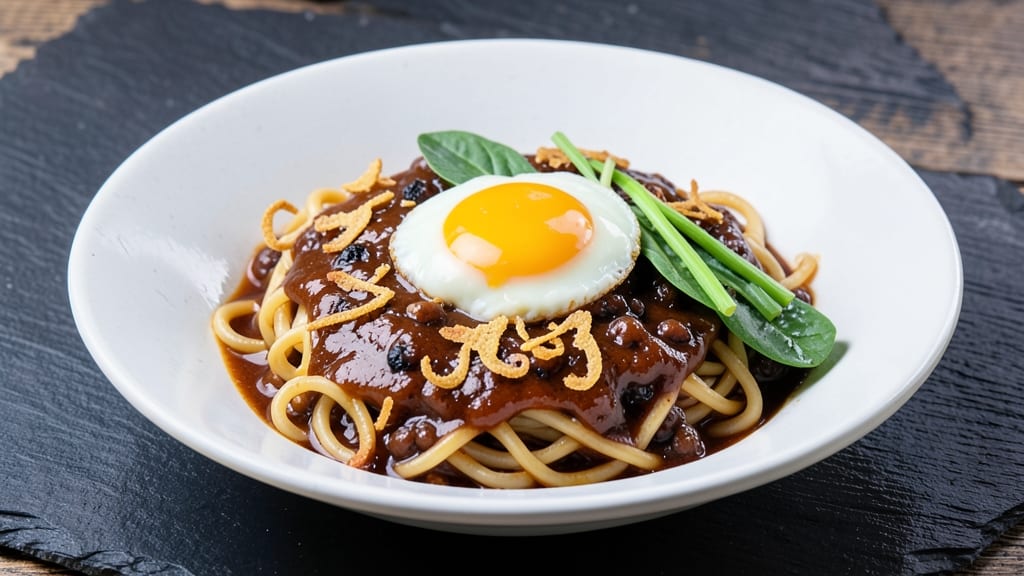
Creating an authentic jajangmyeon sauce at home unlocks restaurant-quality depth without the grocery store shortcuts. This rich, velvety sauce balances sweet, savory, and umami perfectly—just like your favorite Korean-Chinese noodle dish.
The secret lies in simmering fermented soybean paste until it dissolves into a smooth, complex base, then carefully blending it with chili paste and sugar for that signature balance.
What sets this recipe apart is the foolproof thickening technique that prevents clumping while building layers of flavor. No special equipment needed—just a heavy-bottomed pot, patience, and a whisk to achieve that glossy, clingy consistency.
The sauce develops deeper as it cooks, rewarding you with a rich, aromatic finish that transforms simple noodles into a meal.
Once complete, you’ll have a versatile sauce that pairs beautifully with noodles, dumplings, or even as a marinade. The sauce keeps well in the fridge for up to a week or freezes for months, making it perfect for meal prep.
Whether you're serving a crowd or saving leftovers for later, this sauce delivers restaurant-quality results with minimal effort.
The key to success is precision in measurements and timing—especially when balancing the sweetness and spice. Start with the traditional ratios, then adjust to taste.
For dietary tweaks, you can reduce sugar or swap chili paste for a milder alternative without sacrificing depth. Let’s get started on this flavor-packed sauce!
Ingredients for jajangmyeon sauce
Nine ingredients transform into velvety, restaurant-worthy jajangmyeon sauce with just patience and a whisk.
| Ingredient | Amount | Notes |
|---|---|---|
| Fermented Black Bean Paste (Jang) 🫘 | ½ cup | High-quality, smooth texture preferred |
| Gochujang (Korean Chili Paste) 🌶️ | ¼ cup | Mild or medium heat level |
| Dark Soy Sauce 🍶 | ¼ cup | For deep umami color |
| Light Soy Sauce 🍶 | ¼ cup | Balances saltiness |
| Brown Sugar 🍯 | ¼ cup | Packed, not granulated |
| Rice Vinegar 🍶 | ⅛ cup | For tangy brightness |
| Sesame Oil 🌰 | 1 tbsp | Toasted, for nutty aroma |
| Garlic Cloves 🧄 | 3 cloves | Minced, for aromatic depth |
| Green Onions 🧅 | 2 whole | Finely chopped, for freshness |
| Water 💧 | 1 ½ cups | For thinning consistency |
The fermented black bean paste is the heart of this sauce—Korean markets or Asian grocery stores carry the best quality in jars or blocks. Look for smooth, well-fermented Jang (the kind used in traditional recipes), not the pre-made sauces with fillers. If you can't find it, substitute 1/4 cup soy sauce plus 1/4 cup black bean sauce, but the texture won't be identical. The gochujang should be thick and vibrant—avoid the watery versions. For the brown sugar, pack it tightly to avoid under-sweetening, and if you're in a hurry, light corn syrup works in a pinch.
No dark soy sauce? Double the light soy sauce and add 1 tsp molasses for color. The rice vinegar can be swapped for apple cider vinegar, but it'll taste slightly different. Sesame oil is non-negotiable for that nutty aroma—toast it briefly in a dry pan before adding to deepen the flavor. Garlic can be roasted for a mellow sweetness (wrap cloves in foil, bake at 400°F for 10 minutes), or left raw for a sharper bite. The green onions add freshness, but skip them if you're using this sauce for dipping—it'll stay too bright.
This sauce thickens as it cools, so don't over-thicken while hot. Store in an airtight container in the fridge for up to 1 week, or freeze for 3 months—portion into ice cube trays for easy use. The flavor actually improves overnight as the ingredients meld. For a smoother texture, blend briefly with an immersion blender before serving, but don't overdo it—some rustic texture is part of the charm.
Why You'll Love This Recipe
- Pantry Magic: I swear by this sauce—just stir together the fermented black bean paste, gochujang, and soy sauces, and boom. No fresh herbs, no fancy techniques, just deep umami and smoky sweetness from ingredients you’re probably already stocked.
- Umami Bomb: That first spoonful of dark soy and black bean paste? It’s like a flavor explosion—earthy, slightly funky, and perfectly balanced by the chili paste’s heat. Honestly, I’ll take this over store-bought any day.
- Meal Prep MVP: Make a double batch and store it in the fridge—it’s my go-to for lazy nights when I need noodles in 10 minutes. The sauce only gets richer over time, so it’s basically free flavor upgrade.
- Budget-Friendly Luxe: For under $5, I get a sauce that tastes like a restaurant dish. The black bean paste and gochujang stretch far, and the brown sugar adds that caramelized depth without breaking the bank. (Yes, even on a Tuesday night.)
Step-by-step instructions for jajangmyeon sauce
Here's how to build rich, velvety jajangmyeon sauce with perfect balance and depth.
Bloom the Fermented Black Bean Paste
In a heavy-bottomed saucepan, combine the 0.5 cup fermented black bean paste (jang) with the 1.5 cups water. Bring to a gentle simmer over medium-low heat, stirring constantly with a silicone spatula. You'll notice the paste thicken as it blooms—this releases its deep umami flavors and creates the sauce's foundation.
Simmer for 5-7 minutes until the mixture becomes slightly thickened and the raw bean taste mellows. The sauce should coat the back of a spoon but still flow smoothly. Here's the thing—don't rush this step. The longer you simmer at this stage, the more complex the flavor will become. If you see any lumps forming, press them through a fine-mesh sieve to ensure a silky texture.
Incorporate the Flavor Layers
Reduce heat to low and add the 0.25 cup gochujang (korean chili paste), stirring continuously to distribute evenly. Then add the 0.25 cup dark soy sauce and 0.25 cup light soy sauce, mixing well after each addition. You'll see the sauce darken dramatically—this is where the deep umami color develops.
Next, whisk in the 0.25 cup brown sugar (packed) and 0.125 cup rice vinegar. Let the sauce simmer for 3-4 minutes until the sugar fully dissolves and the vinegar's brightness integrates. The sauce should smell like a symphony of sweet, salty, tangy, and umami notes. If you taste it now, you'll notice the base flavors coming together—this is the moment that matters.
Build Complexity with Aromatics
Add the 3 cloves minced garlic and 1 tbsp sesame oil, stirring constantly for 1-2 minutes until the garlic becomes fragrant but doesn't brown. The sesame oil will add a nutty aroma that cuts through the richness. Here's where it gets fun—toss in the 2 whole finely chopped green onions, reserving a small amount for garnish later.
Simmer the sauce for 5 minutes longer, stirring occasionally. You'll notice the sauce thickening slightly as the flavors meld together. The green onions will soften but still provide freshness. If the sauce becomes too thick at any point, add 1-2 tablespoons water to maintain the proper consistency for serving.
Refine and Finish
Taste the sauce and adjust the seasoning if needed. Most likely, you'll want to add a touch more light soy sauce for saltiness or a splash of rice vinegar for brightness. The sauce should be rich but not overwhelming, with a perfect balance of sweet, salty, and umami.
Remove from heat and let the sauce rest for 5 minutes. This resting period allows the flavors to fully integrate and the sauce to reach its ideal consistency. Real talk—this is when the sauce transforms from good to exceptional. Serve immediately over noodles or store in an airtight container in the refrigerator for up to 5 days, reheating gently before serving.
Pro Tips For Making Jajangmyeon Sauce
- Bloom the Jang First: Stir your fermented black bean paste (jang) into a splash of hot water (about 1/4 cup) and let it sit for 5 minutes before adding it to the sauce. I used to just toss it in raw, and it clumped like glue—this step breaks it down and makes the sauce silky. (Yes, even if you're impatient like me.)
- Balance the Heat Gradually: Add gochujang in stages—start with half the amount, taste, then adjust. I learned this the hard way after making a batch that tasted like someone dumped a chili powder bomb in there. The sauce should sing, not scream.
- Skip the Crowding: If you’re simmering the sauce with vegetables or meat, don’t dump everything in at once. Work in batches so the liquid can actually reduce—crowding just steams the ingredients instead of caramelizing them. (Your future self will thank you.)
- Brown the Sugar: Toast your brown sugar in the pan for 2-3 minutes until it smells like a bakery before adding liquids. This deepens the flavor way more than just stirring it in cold. I was skeptical until I tried it—now it’s non-negotiable.
Troubleshooting this recipe
Grainy Texture Fix
If your sauce ends up grainy despite stirring, it’s likely because the fermented black bean paste didn’t fully dissolve. Press the mixture through a fine-mesh sieve while simmering to break up any stubborn lumps.
For extra insurance, blend briefly with an immersion blender on low speed—just until smooth, not pureed. I’ve found that Korean markets sell pre-sieved Jang, which saves this step entirely. 💫
Overly Thick Sauce
Sauce that’s too thick usually means you didn’t add enough water during simmering. Thin gradually with 1 tablespoon water at a time, whisking constantly until you reach a pourable but clingy consistency.
If it’s already set, reheat gently with 1-2 tablespoons water while stirring. Pro tip: The sauce will thicken further as it cools, so aim for a slightly looser texture when hot.
Flat or Bland Flavor
Bland sauce often means the fermented black bean paste wasn’t cooked long enough to develop umami depth. Simmer the paste with water for an extra 5 minutes before adding other ingredients.
For an instant boost, add ½ teaspoon fish sauce or 1 teaspoon soy sauce at the end—just enough to enhance the savory profile without overpowering. 💡
Too Sweet or Salty
Balancing sweetness and saltiness is key. If your sauce tastes too sweet, add 1-2 teaspoons rice vinegar or a splash of water to dilute. For excessive saltiness, thin with water and add 1 teaspoon brown sugar to rebalance.
Taste as you go—this sauce is all about layered adjustments. Honestly, I’ve ruined batches by overcorrecting, so go slow!
Clumping During Storage
Jajangmyeon sauce can separate or clump when refrigerated. Store it in a shallow, airtight container and press plastic wrap directly on the surface to prevent a skin from forming. If clumps appear, reheat gently with 1-2 tablespoons water while stirring vigorously.
For long-term storage, freeze in ice cube trays—thaw and stir with a splash of water to restore consistency. ❄️
Burnt or Bitter Taste
High heat can turn the sauce bitter, especially if the black bean paste scorches. Keep heat at low or medium-low and stir frequently to prevent burning.
If it happens, strain out any burnt bits and rebuild the sauce by simmering fresh paste with water for 10 minutes before adding other ingredients. A little extra patience here saves the whole batch!
Nutrition facts
Frequently asked questions
What makes this jajangmyeon sauce different from store-bought versions?
This homemade version uses authentic fermented black bean paste (jang) instead of processed substitutes, creating deeper umami and a smoother texture. The sauce also builds flavor through slow simmering rather than relying on preservatives or artificial thickeners. You'll notice the complexity in layers of sweet, salty, and tangy notes that store-bought versions often lack.
Can I make this sauce without gochujang?
Yes, but the flavor will be milder. Substitute 2 tablespoons sriracha plus 1 tablespoon tomato paste for the 0.25 cup gochujang, or use 1 tablespoon chili flakes plus 1 tablespoon soy sauce. For a non-spicy version, omit it entirely and add 1 teaspoon fish sauce for umami depth instead. The sauce will still work but lose its signature spicy-sweet balance.
How do I know when the sauce is thick enough?
The ideal consistency is pourable but clingy—it should coat the back of a spoon but still flow smoothly. Test by dripping a small amount: if it forms a glossy, slow-moving stream, it's ready. Remember, the sauce thickens further as it cools, so aim for a slightly looser texture when hot. For noodles, this consistency ensures perfect clinging without being gluey.
What are the best noodles to pair with this sauce?
Fresh wheat noodles (like udon or ramen) work best, but any chewy or medium-thick noodle absorbs the sauce well. For authenticity, use dangmyeon (Korean wheat noodles) or egg noodles. Avoid thin rice noodles—they'll turn mushy. The sauce also pairs beautifully with steamed dumplings or as a marinade for grilled meats.
Can I make this sauce less sweet?
Yes! Reduce the brown sugar to 2 tablespoons and add 1 extra teaspoon rice vinegar for brightness. For a sugar-free version, replace the sugar with 1 tablespoon honey plus 1 teaspoon soy sauce. Taste as you go—this sauce is all about balance, so small adjustments make a big difference. The key is to maintain the sauce's rich body while reducing sweetness.