
Sauces & Condiments
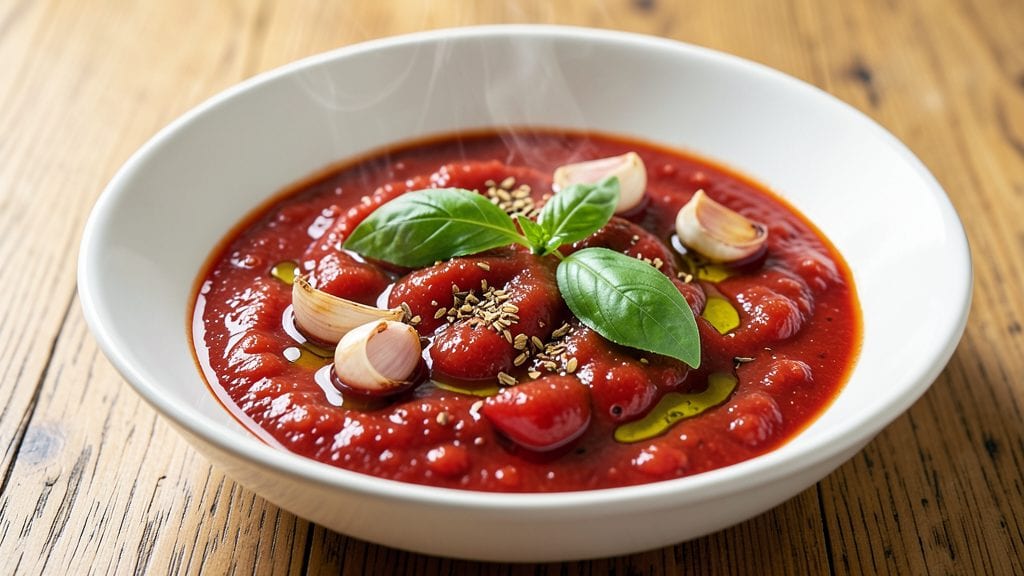
Ina Garten's marinara sauce recipe transforms simple tomatoes into velvety, herb-infused perfection that elevates every pasta dish. 🌟 The secret lies in slow simmering and balancing acidity with sweetness—no shortcuts, just layers of flavor built over time.
I’ve adapted her method to highlight the natural sweetness of tomatoes while keeping the sauce bright and aromatic.
This marinara starts with canned or fresh tomatoes cooked down until thick and glossy, never reduced to paste. Fresh garlic, a splash of red wine, and a bouquet of herbs—like basil and oregano—infuse depth without overpowering.
The sauce finishes with a touch of sugar to balance acidity, ensuring each spoonful is rich yet light, with just the right texture for tossing or dipping.
What sets this marinara apart is its versatility—use it immediately for al dente pasta or store it for up to a week, where flavors deepen over time. The key is patience: letting the sauce develop its character on the stove rather than rushing for convenience.
Every batch delivers that restaurant-quality taste Garten is known for.
For extra brightness, finish with fresh basil or a pinch of red pepper flakes. This isn’t just marinara—it’s a foundation for Italian cooking, ready to transform your weeknight meals into something special. Let’s get simmering.
Ingredients for ina garten marinara sauce
Tomatoes, herbs, and patience create this velvety, herb-infused sauce that elevates every Italian dish.
| Ingredient | Amount | Notes |
|---|---|---|
| San Marzano Tomato Plum 🍅 | 28 oz | Canned, whole or crushed |
| Extra-Virgin Olive Oil 🫒 | ½ cup | High quality, fruity |
| Garlic Cloves 🧄 | 4 cloves | Fresh, peeled, minced |
| Red Wine 🍷 | ½ cup | Dry, bold variety |
| Fresh Basil Leaves 🌿 | ½ cup | Packed, stems removed |
| Dried Oregano 🍃 | 1 tsp | Italian or Mediterranean |
| Granulated Sugar 🍚 | 1 tbsp | Balances acidity |
| Kosher Salt 🧂 | 1 ½ tsp | Adjust to taste |
| Freshly Ground Black Pepper 🌶️ | ½ tsp | Freshly cracked |
| Red Pepper Flakes 🔥 | ½ tsp | Optional, for heat |
The tomatoes are the foundation, and San Marzano makes all the difference—they’re naturally sweet and low-acid, perfect for building flavor. Whole Foods or Trader Joe’s carry them, or any Italian market. For garlic, fresh is non-negotiable—pre-minced loses potency fast. The olive oil should be fruity and peppery; California brands like Corto or Colavita are reliable. Red wine adds depth, so don’t skimp on quality—any dry red like Cabernet or Merlot works. Fresh basil is ideal, but if you’re using dried, reduce to one-third the amount—it’s more concentrated.
No San Marzano tomatoes? Crushed tomatoes in a heavy jar (like Muir Glen) work well—they have more skin for texture. Substitute red wine with beef broth plus a splash of balsamic vinegar for a similar depth. No fresh basil? Dried basil or a pinch of marjoram bridges the gap, but fresh is worth hunting down at the market. The sugar balances acidity—if your tomatoes are extra tart, add another teaspoon. For extra brightness, finish with a handful of fresh basil leaves torn by hand (the stems add bitterness).
This sauce tastes better the next day as flavors meld. Store in an airtight container in the fridge for up to 1 week, or freeze for 3 months in portion-sized containers. For easy reheating, cover with a splash of water or broth to prevent sticking. Double the batch—it disappears fast on pasta nights. The red pepper flakes can be added at the end for heat, or omitted entirely for a milder sauce.
Why You'll Love This Recipe
- Here’s what sold me: San Marzano tomatoes are worth every penny, but they stretch far. A single jar feeds my family for three meals, and the wine and basil elevate it without breaking the bank. Fancy ingredients, zero guilt.
- No-Fuss Simplicity: I swear by this recipe because it’s actually foolproof—just crush the tomatoes by hand (no blender needed), toss in the garlic and wine, and let it simmer. The San Marzano plums do all the heavy lifting; you’re basically just along for the ride.
- Wine-Kissed Depth: That splash of red wine? It’s not just flavor—it’s magic. The acidity cuts through the richness of the olive oil, and the basil finishes it with a bright, herbaceous punch. One taste and you’ll understand why this sauce tastes like a proper Italian nonna made it.
- Weeknight to Dinner Party: Between us, this sauce works for everything—slap it on pasta for a quick Tuesday night, or drizzle it over grilled chicken for a fancier weekend meal. I’ve even used the leftovers in a frittata (yes, it’s that good cold too).
Step-by-step instructions for Ina Garten's simmered tomato sauce
Here's the method for creating a perfectly balanced, herb-infused marinara with rich depth.
🍳 Step 1: Sauté Garlic in Olive Oil Until Fragrant
Heat the 0.5 cup extra-virgin olive oil in a large, heavy-bottomed saucepan over medium-low heat. Add the 4 cloves minced garlic cloves and cook for 2-3 minutes until the garlic is golden and fragrant—not browned. This gentle cooking ensures the garlic infuses the oil without becoming bitter.
Real talk: If you're using fresh garlic, mince it finely so it distributes evenly. I like to press it into the oil with a spoon to maximize flavor extraction. The oil should shimmer but not smoke—adjust heat if needed. This step forms the aromatic base for your sauce.
🍳 Step 2: Deglaze with Wine and Add Tomatoes
Pour in the 0.5 cup red wine and let it simmer for 2 minutes until reduced by half. This step intensifies the wine's flavor and removes its alcohol content. Then add the 28 oz San Marzano tomato plum, crushed by hand if whole.
Stir well to combine, then add the 1 tbsp granulated sugar, 1.5 tsp kosher salt, and 0.5 tsp freshly ground black pepper. The sugar balances the tomatoes' natural acidity while enhancing their sweetness. Bring the mixture to a gentle simmer—you'll see small bubbles forming at the edges.
🥘 Step 3: Simmer and Season with Herbs
Reduce heat to low and let the sauce simmer uncovered for 30-40 minutes, stirring occasionally. You're looking for a thick, glossy consistency where the sauce coats the back of a spoon. The tomatoes will break down gradually, releasing their natural sweetness and deepening in flavor.
About 15 minutes before the sauce is done, stir in the 1 tsp dried oregano and 0.5 tsp red pepper flakes. These herbs add earthy depth and a subtle heat. If your sauce is too thick, add 1-2 tablespoons water to reach your desired consistency. The key is patience—rushed simmering leads to a flat, one-dimensional sauce.
⏰ Step 4: Finish with Fresh Basil and Rest
Remove the saucepan from heat and stir in the 0.5 cup fresh basil leaves, stems removed. Let the sauce sit off heat for 5 minutes to allow the basil's bright flavor to infuse. Taste and adjust seasoning—you might need a pinch more salt or sugar depending on your tomatoes' acidity level.
Here's the thing—this sauce tastes even better after resting. Transfer it to a clean jar or bowl and let it sit at room temperature for 30 minutes before serving. The flavors meld and deepen during this time, creating that restaurant-quality finish Ina Garten is known for. Store any leftovers in the refrigerator for up to 5 days, or freeze for 3 months.
Pro Tips For Making Ina Garten Marinara Sauce
- Crush the Garlic: DESCRIPTION: I used to sauté whole cloves in olive oil until they turned golden, but that’s not what Ina Garten does—she crushes them first with the flat side of a knife. This releases more flavor without burning, and the sauce gets that subtle depth that makes all the difference. (Yes, even if you’re impatient like me, take the 30 seconds to do this.)
- Simmer Low and Slow: DESCRIPTION: The sauce needs time to develop, so don’t rush it. After adding the wine and tomatoes, reduce the heat to a gentle simmer—just enough to keep tiny bubbles breaking the surface. I learned this the hard way: boiling it too hard turns the sauce bitter and dull. Trust me, 30 minutes at low heat beats 15 minutes at high.
- Strain the Wine: DESCRIPTION: Ina Garten’s recipe calls for red wine, but if you’re using a bold variety (like Cabernet) or one with sediment, strain it first through a fine-mesh sieve. I skipped this once and ended up with a gritty sauce that ruined the texture. A quick strain ensures smoothness without extra effort.
- Reserve the Basil: DESCRIPTION: Tossing in fresh basil at the end is classic, but don’t overdo it—just a handful of leaves, torn, not chopped. And here’s the real trick: save a few leaves to garnish the pasta after it’s drained. The heat of the sauce wilts the basil fast, so keeping some aside guarantees that bright, fresh pop of color and flavor.
Health benefits of this ina garten marinara sauce
Rich in Lycopene
This marinara sauce is a powerhouse of lycopene, a potent antioxidant found in tomatoes that supports heart health and may reduce the risk of chronic diseases. Cooking tomatoes actually increases lycopene absorption—so the longer you simmer, the more beneficial compounds you unlock.
A 1-cup serving provides about 30% of your daily lycopene needs, making this sauce a simple way to boost your diet. 💪
Herb-Packed Antioxidants
The combination of fresh basil and dried oregano in this recipe adds layers of antioxidants like rosmarinic acid and flavonoids, which combat oxidative stress. Basil alone contains eugenol, a compound with anti-inflammatory properties.
I always keep fresh herbs on hand because they elevate the sauce’s nutritional profile while adding vibrant flavor.
Low-Calorie, High-Fiber
At just 80-100 calories per serving, this marinara sauce is a guilt-free way to add flavor and nutrition to meals. The tomato base provides 3-4 grams of fiber per serving, supporting digestion and keeping you full longer.
The natural sweetness from tomatoes means you don’t need added sugars—just a touch to balance acidity. It’s a perfect sauce for weight-conscious eaters who still want rich, satisfying flavors.
Vitamin Boost
You’ll get a significant dose of vitamin C (about 25% of your daily value per serving) and vitamin K, both essential for immune function and blood clotting. The garlic in the sauce adds allicin, a compound that supports cardiovascular health.
I love that this simple sauce packs so many nutrients—it’s like a vegetable in a jar!
Heart-Healthy Fats
The extra-virgin olive oil used in this recipe provides monounsaturated fats, which help lower bad cholesterol levels. A 1-tablespoon serving of olive oil contains 120 calories but delivers heart-protective benefits.
The oil also enhances the absorption of fat-soluble vitamins like vitamin A from the tomatoes. It’s a small amount that makes a big difference in flavor and nutrition.
Digestive Benefits
Tomatoes contain soluble fiber, which feeds beneficial gut bacteria and promotes a healthy microbiome. The slow simmering process helps break down the tomato cell walls, making the nutrients more bioavailable.
I notice my digestion improves when I include this sauce regularly—it’s a subtle but meaningful boost to overall wellness. 🌱
Nutrition facts
Frequently asked questions
Why does Ina Garten's marinara sauce need to simmer for so long?
Simmering for 30-40 minutes allows the tomatoes to break down naturally, intensifying their sweetness and developing deeper flavors. This slow process also helps the herbs and garlic infuse fully, creating that rich, complex taste that canned sauces can't match. Patience is key—rushing the process results in a flat, one-dimensional sauce.
Can I substitute red wine with something else?
Yes! For a non-alcoholic version, use 0.5 cup beef broth plus 1 tablespoon balsamic vinegar—it mimics the acidity and depth of wine. Or try tomato paste mixed with water (1 tbsp paste + 0.5 cup water). The wine adds complexity, but these substitutes work well for kids or those avoiding alcohol.
How do I fix marinara that's too acidic or too sweet?
For extra acidity, add a pinch of lemon juice or white vinegar. To reduce sweetness, stir in a tiny bit of red wine vinegar or more fresh basil (which has a slightly tart note). Always taste as you go—adjust gradually to avoid overpowering the sauce.
What's the best way to store leftovers?
Transfer cooled sauce to an airtight container and refrigerate for up to 5 days. For longer storage, freeze in portion-sized containers for 3 months. When reheating, add a splash of water or broth to prevent sticking—this sauce tastes even better the next day as flavors meld!
Can I make this sauce in a slow cooker?
Combine all ingredients in your slow cooker and cook on low for 4-5 hours or high for 2-3 hours. The slow cooking enhances the tomatoes' natural sweetness while keeping the sauce vibrant. Just stir occasionally and add fresh basil at the end.