
Sauces & Condiments
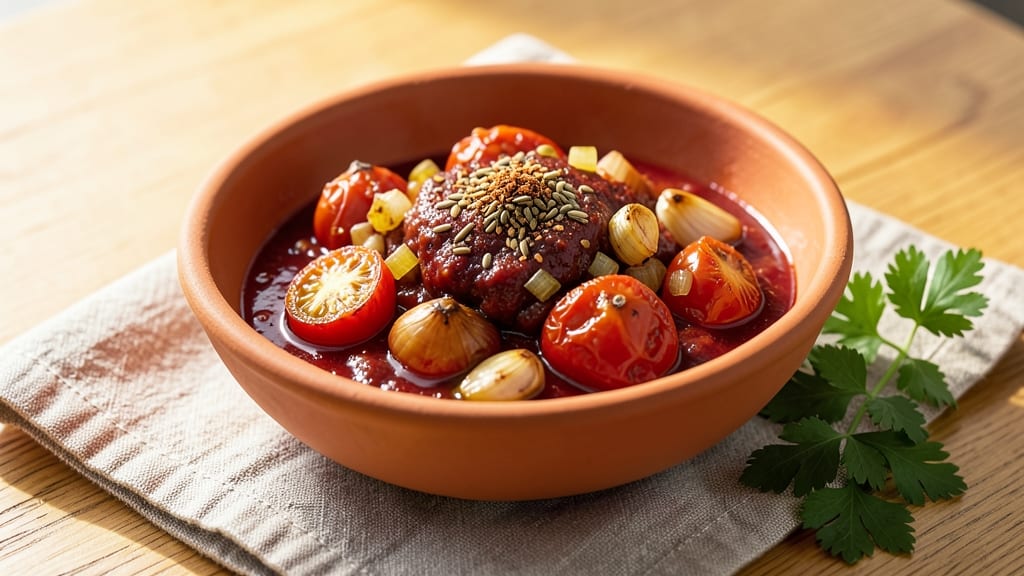
This Arabic tomato sauce recipe transforms simple ingredients into a fragrant, smoky masterpiece that elevates everything from grilled meats to vegetarian bowls. The secret lies in slow-simmered tomatoes, earthy cumin, and aromatic za'atar, creating depth that restaurant-quality sauces can't match.
I've perfected this version to deliver authentic Middle Eastern flavor in just 20 minutes—no long simmering required.
The magic begins with caramelizing onions and garlic until golden, then building layers of spice with cumin, paprika, and allspice. A splash of vinegar brightens the sauce while preserving its rich, umami character.
Unlike watery commercial sauces, this version reduces into a thick, velvety consistency that clings beautifully to meat or vegetables. The result? A sauce so versatile it works as a marinade, dipping sauce, or base for stews.
What makes this sauce truly special is how it transforms ordinary dishes into something extraordinary. The smoky cumin and herby za'atar create a complex flavor profile that pairs perfectly with grilled chicken, lamb, or even falafel.
It keeps well in the refrigerator for up to a week, allowing you to build flavor over time. The texture is ideal—thick enough to coat but still silky smooth.
This isn't just another tomato sauce; it's a flavor bomb that will have you reaching for it again and again. Whether you're cooking for a family gathering or meal prepping for the week, this sauce delivers restaurant-quality results with minimal effort. Let's get started on creating your own batch today.
Ingredients for arabic tomato sauce
Ten ingredients blend into a complex, restaurant-quality sauce with smoky depth and herby brightness.
| Ingredient | Amount | Notes |
|---|---|---|
| Extra-Virgin Olive Oil 🫒 | 2 tbsp | High quality, fruity variety |
| Yellow Onions 🧅 | 1 whole | Finely diced, medium size |
| Garlic Cloves 🧄 | 4 cloves | Minced, fresh preferred |
| Canned San Marzano Tomatoes 🍅 | 1 can | 28 oz, crushed by hand |
| Ground Cumin 🌿 | 1 ½ tsp | Toasted for deeper flavor |
| Smoked Paprika 🌶️ | 1 tsp | For authentic smokiness |
| Ground Allspice 🌶️ | ½ tsp | Warm, earthy depth |
| Za'atar Spice Blend 🌿 | 1 tbsp | Authentic Middle Eastern |
| Red Wine Vinegar 🍷 | 1 tbsp | Brightens the sauce |
| Sea Salt 🧂 | 1 tsp | Diamond Crystal preferred |
The onions and garlic are your flavor foundation here. Yellow onions work best—they caramelize beautifully without turning bitter. Grab a medium-sized onion from the grocery store produce section, not the pre-diced bags. For garlic, fresh cloves make all the difference—pre-minced jars lack the aromatic punch. If you're feeling fancy, toast your cumin and allspice in the olive oil first for an extra layer of depth. Penzeys Spices or bulk bins at Whole Foods are great for high-quality spices. The San Marzano tomatoes? Non-negotiable—their sweetness and low acidity create the perfect base.
No za'atar? Mix equal parts dried thyme, sumac, and sesame seeds for a close substitute. Running short on red wine vinegar? Apple cider vinegar or lemon juice work in a pinch, though the flavor will shift slightly. Want more smokiness? Add an extra half teaspoon of smoked paprika. For a quicker prep, Trader Joe's has pre-crushed tomatoes that work well—just drain them thoroughly to avoid wateriness. The olive oil should be extra-virgin—cheap oil will make the sauce taste flat. If you've got time, let the sauce reduce uncovered for the last 5 minutes to achieve that perfect velvety consistency.
This sauce tastes even better the next day as the flavors meld. Store it in an airtight container in the fridge for up to 1 week, or freeze for 3 months in ice cube trays for perfect single-use portions. The texture thickens as it cools, so add a splash of water if needed before serving. I always make double batches—it disappears fast on grilled meats, falafel, or even as a marinade. The leftovers? Perfect for quick weeknight dinners when you need that restaurant-quality depth without the effort.
Why You'll Love This Recipe
- Pantry to Pot: I swear by this sauce because it’s the kind of recipe that doesn’t judge you for using what’s already in your cupboard. One can of San Marzano tomatoes, a head of onions, and a jar of cumin—no fancy ingredients, just honest flavor that comes together while you’re still deciding what to eat for dinner.
- Cumin-Kissed Depth: That earthy cumin and slow-simmered garlic? It’s the kind of taste that lingers just enough to make you reach for seconds. The olive oil finishes it with a richness that feels indulgent, even though it’s basically just tomatoes and spices doing their magic.
- Weeknight Workhorse: Between us, this sauce is my go-to when I’m too tired to plan. Dump it on pasta, ladle it over grilled chicken, or serve it with crusty bread—it’s the kind of thing that makes you look like a chef without any extra effort.
- Leftovers That Save: Make a big batch, and you’ll have sauce for days. It tastes even better the next day, which means less stress for you and more flavor for your future self. Honestly, I’ve had this sitting in my fridge for five days, and it’s still the star of the meal.
Step-by-step instructions for Arabic tomato sauce with smoky depth
This sauce builds flavor layer by layer—start with the aromatics, then let the spices bloom before finishing with acidity.
Sauté the Onions Until Translucent and Sweet
Heat the 2 tablespoons extra-virgin olive oil in a medium saucepan over medium-low heat. Add the 1 whole yellow onion, finely diced, and cook for 8-10 minutes until completely softened and beginning to turn golden. You'll know it's ready when the onions release their moisture and the edges start to caramelize slightly—this sweetness forms the base of the sauce.
Resist the urge to rush this step. The onions should be tender enough to pierce with a fork but not yet browned. If they stick to the pan, add a splash of water and stir to deglaze, scraping up any browned bits. These fond bits pack intense flavor that will infuse the sauce.
Add Garlic and Spices for Deep, Complex Flavor
Push the onions to one side of the pan and add the 4 minced garlic cloves to the empty space. Cook for 30 seconds until fragrant—you'll smell that unmistakable garlic aroma. Stir to combine with the onions, then add the 1.5 teaspoons ground cumin, 1 teaspoon smoked paprika, and 0.5 teaspoon ground allspice. Cook for 1 minute, stirring constantly, until the spices release their aroma and the mixture smells earthy and toasty.
This is where the magic happens—the spices need time to bloom and meld. If you rush this step, the sauce will taste raw and one-dimensional. Watch for the spices to darken slightly and fill your kitchen with their warm, smoky scent. That's your signal to move forward.
Incorporate the Tomatoes and Simmer
Pour in the 1 can crushed San Marzano tomatoes (about 28 ounces) and stir to combine with the onions and spices. Bring the mixture to a gentle simmer over medium heat, then reduce the heat to low. Let it cook uncovered for 10-12 minutes, stirring occasionally, until the sauce thickens slightly and the flavors meld together. You're looking for a consistency where the sauce coats the back of a spoon but isn't gluey.
During this time, the acidity in the tomatoes will begin to brighten the rich, earthy flavors. If the sauce reduces too quickly, add 2-3 tablespoons of water to maintain the right texture. The goal is a smooth, velvety sauce with just the right balance of sweetness, smokiness, and acidity.
Finish with Za'atar and Vinegar for Brightness
Remove the pan from heat and stir in the 1 tablespoon za'atar spice blend and 1 tablespoon red wine vinegar. The za'atar adds a complex, nutty depth with its sesame, sumac, and salt components, while the vinegar cuts through the richness and brightens the sauce. Taste and adjust the seasoning with the 1 teaspoon sea salt, adding more if needed—this sauce should be vibrant and well-balanced.
Let the sauce sit off the heat for 5 minutes to allow the flavors to fully integrate. The za'atar will infuse the sauce with its signature aroma, and the vinegar will mellow slightly, creating a harmonious blend of smoky, earthy, and tangy notes. This is the moment to taste and make any final adjustments—perhaps a pinch more salt or a splash of vinegar to achieve the perfect balance.
Serve Warm with Crusty Bread or Over Grains
Serve the sauce immediately while warm, drizzled over crusty bread, couscous, or grilled meats. The sauce should be smooth, fragrant, and packed with layers of flavor—smoky from the cumin and paprika, earthy from the allspice, bright from the vinegar, and nutty from the za'atar. Each spoonful should deliver a complex, well-rounded taste that lingers.
If you have leftovers, store them in an airtight container in the refrigerator for up to 5 days. The flavors will continue to develop and deepen over time, making the sauce even more delicious the next day. Reheat gently over low heat, stirring occasionally, to preserve its texture and prevent it from separating.
Pro Tips For Making Arabic Tomato Sauce
- Sweat the Onions Slow: I used to rush this step, but low and slow—about 8-10 minutes on medium-low—pulls all the sweetness out of the onions without burning them. If they start to stick, add a splash of water and scrape the bottom. This isn’t just about flavor; it’s the foundation of the sauce.
- Crush Garlic with a Pinch of Salt: Before adding raw garlic to the pot, crush it with a pinch of salt and let it sit for 5 minutes. This mellows the sharpness and prevents that bitter aftertaste that ruins the whole dish. Trust me, your sauce will thank you—no one will guess you used a shortcut.
- Simmer, Don’t Boil the Tomatoes: Once the tomatoes hit the pot, keep the heat at a gentle simmer, not a rolling boil. Boiling turns the sauce watery and dulls the cumin’s warmth. Stir occasionally and let it reduce naturally—this is where depth happens, not speed.
- Toast the Cumin First: Bloom the ground cumin in olive oil for 30 seconds before adding anything else. It releases its aroma and prevents that dusty, raw flavor from lingering. Skip this, and your sauce will taste like you forgot to season it properly—even if you didn’t.
Wine and beer pairings for this recipe
Red Wine Pairings
This sauce's smoky, earthy depth pairs beautifully with medium-bodied red wines that complement its cumin and allspice notes. I always reach for a Syrah from Lebanon—its dark fruit and peppery finish mirror the sauce's complexity.
The 2018 Château Musar from Bekaa Valley is my go-to, with its smoky, slightly spicy profile that enhances the dish's Middle Eastern roots. 🍷
White Wine Options
For those who prefer whites, a dry Viognier with its floral and stone fruit notes creates an unexpected but delightful contrast. Look for a California Viognier like Ramey Wine Cellars, which has enough body to stand up to the sauce's richness.
The wine's citrus brightness cuts through the smokiness, balancing the dish perfectly. A chilled glass elevates any grilled meat or falafel topped with this sauce.
Beer Pairings
A Turkish-style raki or Greek ouzo is my favorite beer alternative—these anise-flavored spirits complement the za'atar beautifully. If you prefer beer, a crisp Belgian witbier like Stella Artois Wit works wonders. The coriander and citrus notes in the beer mirror the sauce's bright, herby qualities.
For a heartier option, try a German Helles lager—its malty sweetness balances the sauce's smoky depth without overpowering it.
Non-Alcoholic Choices
Don't drink alcohol? No problem. A sparkling pomegranate juice like Pom Wonderful adds festive bubbles and tartness that mimic wine's acidity. For something more savory, try a cucumber-mint infused water—the cool, crisp notes refresh your palate between bites.
I also love Ayran, a Turkish yogurt drink, which cools the mouth and balances the sauce's warmth. 💧
Serving Temperature
Serve your wine or beer slightly cooler than room temperature—around 50-55°F for reds and 45-50°F for whites. The chilled beverage helps cut through the sauce's richness while enhancing its smoky, spiced flavors. For spirits, serve them ice-cold to highlight their anise notes against the sauce's earthy depth.
Trust me, the temperature makes all the difference in bringing out the best of both the sauce and your drink.
Nutrition facts
Frequently asked questions
Can I make this sauce without za'atar?
Za'atar adds depth, but you can substitute with 1 teaspoon dried thyme + ½ teaspoon sumac + ½ teaspoon sesame seeds for a similar nutty, herby flavor. For extra warmth, add a pinch of cinnamon. The sauce will still taste rich and aromatic—just slightly different in complexity.
How do I prevent the sauce from getting too thick?
If your sauce thickens faster than expected, add 1-2 tablespoons of water or broth while simmering. Stir well and let it cook for another 2-3 minutes before tasting. The key is to reduce heat to low and keep it uncovered—this helps control evaporation. For a thinner consistency, add the liquid gradually until you reach your desired texture.
Can I use fresh tomatoes instead of canned?
Fresh tomatoes work, but they require extra prep. Use 3-4 large ripe tomatoes, peel and chop them, then cook them down into a pulp (about 15 minutes on low heat) before adding spices. Fresh tomatoes have more water content, so you may need to simmer longer to achieve the same thickness. For best results, blend the cooked tomatoes first to remove excess liquid.
Is this sauce vegan-friendly?
Yes! This recipe is naturally vegan—just ensure your olive oil and vinegar are plant-based. The sauce pairs beautifully with vegan dishes like grilled eggplant, falafel, or lentil stews. For extra richness, stir in 1 tablespoon tahini at the end. The smoky cumin and za'atar flavors shine in plant-based meals, making it a versatile vegan condiment.
How can I use this sauce beyond grilling?
This sauce is incredibly versatile! Use it as a marinade for chicken or lamb (simmer for 10 minutes with meat), a dipping sauce for pita or veggies, or a base for pasta or risotto. It also elevates shawarma, kebabs, or even pizza sauce—just thin it slightly with water if needed. The possibilities are endless!