
Sauces & Condiments
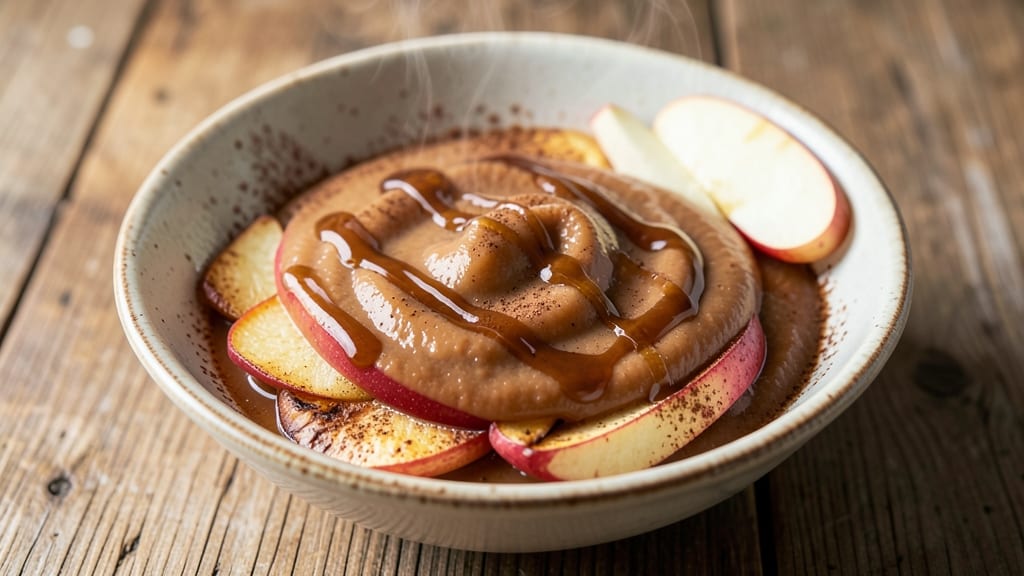
This applesauce recipe with apple cider transforms simple apples into a rich, aromatic sauce that tastes like autumn in a jar. The apple cider adds depth while spices like cinnamon and nutmeg create warmth that lingers with every spoonful.
I developed this version after craving something more complex than store-bought, and it quickly became a staple in my kitchen.
What makes this sauce special is the balance between sweetness and acidity—the apple cider prevents cloying sweetness while enhancing the apples' natural flavor.
Simmering the mixture until tender and blending it to your preferred texture creates a versatile condiment that works equally well with pork, poultry, or even as a topping for oatmeal. The process is straightforward but yields restaurant-quality results.
The finished applesauce has a velvety consistency with just the right amount of chunkiness, depending on how you blend it. The spices infuse the sauce with aromatic notes that make it perfect for holiday meals or cozy weeknight dinners.
Store it in the refrigerator for up to a week or freeze for extended use.
For variations, try adding a pinch of cardamom for an exotic twist or a splash of vanilla extract for extra richness. This applesauce isn't just a side—it's a flavorful centerpiece that elevates any dish it accompanies. Let's get started on creating yours.
Ingredients for applesauce recipe with apple cider
Nine simple ingredients transform into velvety applesauce with autumnal spice and apple cider depth.
| Ingredient | Amount | Notes |
|---|---|---|
| Apples (mixed varieties) 🍎 | 4 lb | Peeled, cored, roughly chopped |
| Apple Cider 🍏 | 1 cup | Unfiltered for best flavor |
| Granulated Sugar 🍚 | ½ cup | Adjust for apple sweetness |
| Ground Cinnamon 🌿 | 1 tbsp | Freshly ground preferred |
| Ground Nutmeg 🌶️ | ½ tsp | Freshly grated for warmth |
| Ground Cloves 🌿 | ¼ tsp | Lightly toasted for depth |
| Salt 🧂 | ½ tsp | Kosher or sea salt |
| Lemon Juice 🍋 | 1 tbsp | Freshly squeezed |
| Water 💧 | 1 cup | For simmering consistency |
The apples are the foundation—mix Honeycrisp with Granny Smith for perfect sweet-tart balance. Local orchards or grocery store bins usually have the best selection, especially in fall. Look for firm, vibrant apples without bruises. I always grab extra since they keep well in the fridge for weeks. The apple cider? Unfiltered brands like Woodchuck or Angry Orchard add that extra complexity—skip the pasteurized stuff if you can find fresh. For spices, Penzeys or bulk bins ensure maximum freshness, but regular grocery store jars work fine if they smell aromatic when opened.
No apple cider? Fresh apple juice works—just reduce the water slightly since it's thinner. Running short on cloves? A pinch of allspice does the trick, though it's not identical. The sugar can be swapped for maple syrup or coconut sugar—just reduce by 1 tbsp since they're sweeter. Want more depth? Add 1 tsp vanilla extract or a pinch of cardamom for an exotic twist. The lemon juice is non-negotiable—it brightens everything and prevents the sauce from tasting flat. If you're making this ahead, zest a little extra lemon and store it with the sauce for extra freshness later.
This sauce tastes even better the next day as flavors meld. Store in airtight jars in the fridge for up to 1 week or freeze for 6 months. For chunky texture, skip blending—just mash with a potato masher. Want ultra-smooth? Blend until silky before serving. I always double the batch—half goes on pork chops, half gets frozen for winter breakfasts with oatmeal. The spices settle at the bottom, so give it a quick stir before serving.
Why You'll Love This Recipe
- No Chopping Chaos: I just toss in pre-washed apples—peels on, cores out—and let the cider do the work. The stove simmers while I sip coffee; no knife skills required.
- Cider Magic Boost: That first splash of apple cider? It turns sweet into complex—like a spiced apple cider cocktail but thicker. The nutmeg and cinnamon hit different when the liquid reduces.
- Pantry-to-Table Flex: Use it as toast topping, pie filling, or even a glaze for pork chops. Honestly, I’ve dumped it into oatmeal when I forgot milk—still tasted amazing.
- Leftovers That Last: Makes four servings, and it keeps for weeks in the fridge. My kids beg for it cold with yogurt, or I reheat it for pancake syrup. Zero waste, all win.
Step-by-step instructions for applesauce with apple cider
Here's how to craft velvety applesauce brimming with cider-infused warmth and spiced complexity.
Prepare the Apples for Cooking
Start by peeling, coring, and roughly chopping the 4 lb apples into even ½-inch pieces. I like to use a mix of sweet and tart varieties—think Honeycrisp with a touch of Granny Smith—for that perfect balance of flavor. The rough chopping ensures even cooking while preserving some texture.
Transfer the chopped apples to a large, heavy-bottomed pot. Add the 1 cup apple cider and 1 cup water, then stir gently to combine. The cider will infuse the apples with subtle depth and prevent them from drying out during simmering. Don't skip this step—it's what transforms ordinary applesauce into something extraordinary.
Simmer Until Apples Break Down
Place the pot over medium-high heat and bring the mixture to a boil. Once boiling, reduce the heat to medium-low and let it simmer uncovered for 20-25 minutes. You'll know it's ready when the apples begin to soften and the mixture starts to thicken slightly.
Here's the thing—you want the apples to break down but not turn into mush. Stir occasionally to prevent sticking, and resist the urge to crank up the heat. Patience is key here; rushing will result in a watery, unappetizing sauce. The apples should be tender enough that a fork slides in easily, but still retain some shape.
Season and Sweeten the Sauce
Once the apples are tender, stir in the 0.5 cup granulated sugar, 1 tbsp ground cinnamon, 0.5 tsp ground nutmeg, 0.25 tsp ground cloves, and 0.5 tsp salt. The spices should be freshly ground for maximum aroma and flavor—this makes all the difference. Add the 1 tbsp lemon juice and stir well to combine.
Taste the mixture and adjust the sweetness if needed. Some apples are naturally sweeter than others, so you might need a bit more or less sugar. The lemon juice brightens the flavors and balances the richness of the cider. Let the sauce simmer for another 5-7 minutes to allow the spices to infuse fully and the flavors to meld.
Blend or Mash to Desired Texture
For a smooth applesauce, use an immersion blender to puree the mixture directly in the pot. If you prefer a slightly rustic texture, mash the apples with a potato masher or fork. I like to leave a few small chunks for added texture and visual appeal.
Taste again and adjust seasoning if necessary. The sauce should be sweet, spiced, and tangy all at once. If it's too thick, stir in a splash of hot water or apple cider to reach your desired consistency. The goal is a sauce that's luscious but still easy to spread or spoon.
Serve Warm or Store for Later
Transfer the applesauce to a clean jar or bowl and let it cool slightly. Serve warm with breakfast, pair it with roasted meats, or use it as a topping for oatmeal and pancakes. The cider-infused flavor makes it perfect for fall and winter meals.
For storage, let the sauce cool completely, then transfer it to an airtight container. It will keep in the refrigerator for up to 5 days or in the freezer for 3 months. The flavors only deepen over time, so this applesauce tastes even better the next day.
Pro Tips For Making Applesauce Recipe With Apple Cider
- Peel After Cooking: I learned this the hard way—peeling raw apples is a pain, but if you peel them after cooking, the skins slide off like butter. Just toss the cooked apples into a colander and rub them under cool water; the skins will detach instantly.
- Use Tart Cider: Skip the sweet cider—reach for the tart kind. The acidity balances the sugar and keeps the applesauce from tasting cloying. (Yes, even if you’re impatient like me, don’t dilute it with water.)
- Simmer Low and Slow: High heat turns applesauce into mush; low and slow keeps the texture smooth but not gluey. Once the apples break down, drop the heat to a gentle simmer and let it cook for 15–20 minutes uncovered. Trust the process—your future self will thank you.
- Toast the Spices: Sauté cinnamon and nutmeg in a dry pan for 30 seconds before adding them to the apples. This deepens their flavor and cuts through the sweetness. (Does it look weird? Yes. Does it work? Every single time.)
Wine and beer pairings for these flavors
Apple Cider Wine Pairings
This spiced applesauce pairs beautifully with dry Riesling from Germany or Alsace—its crisp acidity and honeyed notes mirror the sauce’s sweet-spice balance. I love Dr. Loosen Blue Slate Riesling for its bright citrus finish that cuts through the richness.
For a more robust match, try a Pinot Noir with earthy undertones like Domaine Drouhin Oregon—the wine’s red fruit complements the applesauce’s warmth. 🍷
Crisp Lager Complements
A German-style Pilsner like Weihenstephaner brings refreshing carbonation that contrasts the sauce’s velvety texture. The malt sweetness enhances the applesauce’s natural sugars without overpowering the spices. For a local twist, try a New England IPA with a touch of honey—its citrusy hop profile echoes the lemon juice in the sauce.
Serve both chilled for the best experience. 🍺
Spiced Rum Cocktail
Transform your applesauce into a spiked cider cocktail by blending ½ cup applesauce with 1 oz spiced rum (like Bacardi Spiced), ½ cup apple cider, and a pinch of cinnamon.
Serve warm in mugs with a cinnamon stick stirrer. The rum’s warmth amplifies the sauce’s spices, making it perfect for cozy evenings. 🔥
Hard Cider Harmony
Pair your applesauce with dry hard cider—the tannins in brands like Angry Orchard Dry or Woodchuck Dry create a delightful contrast to the sauce’s sweetness. For a festive touch, serve the cider slightly chilled and the applesauce warm.
The cider’s acidity also enhances the sauce’s depth, making each bite more complex. 🍏
After-Dinner Port
Finish your meal with a Ruby Port like Graham’s Six Grapes—its rich, fruity notes complement the applesauce’s spiced sweetness. The port’s slight bitterness balances the sauce’s sugar, creating a harmonious finish. Serve the port at room temperature and the applesauce slightly warmed for the ultimate pairing. ✨
Nutrition facts
Frequently asked questions
Can I make this applesauce without sugar?
If you prefer a naturally sweetened version, reduce the sugar to ¼ cup or omit it entirely. The apple cider and lemon juice will add enough brightness, but taste as you go—some tart apples like Granny Smith may need a touch of sweetener. For extra richness, consider 1-2 tbsp maple syrup instead.
How do I adjust this recipe for a slow cooker?
Simply combine all ingredients in your slow cooker and cook on low for 4-5 hours or high for 2-3 hours. Stir occasionally to prevent sticking. The texture will be slightly thicker due to the longer cooking time, so add a splash of water or cider if needed. The slow cooker enhances the spice infusion beautifully!
Why does my applesauce turn out watery?
Watery applesauce usually happens from overcooking or using too much liquid. Try reducing the water to ½ cup next time, and simmer uncovered until the mixture thickens. For extra insurance, mash the apples first before blending—this releases more natural pectin. If it's already too thin, simmer uncovered for 5-10 minutes to evaporate excess moisture.
Can I use this applesauce in baking?
Yes! This spiced applesauce works perfectly in muffins, cakes, and breads. For best results, use 1:1 substitution for oil or butter, but reduce other liquids in the recipe by ¼ cup to maintain proper texture. The apple cider adds wonderful depth to baked goods, especially apple or spice cakes. Just ensure your applesauce is fully cooled before adding to batters.
What's the best way to reheat stored applesauce?
For the best texture, reheat in a saucepan over low heat until warm throughout. If using microwave, stir halfway through to prevent uneven heating. Avoid boiling—this can make the sauce watery. For extra richness, add a splash of apple cider while reheating. The sauce tastes even better reheated, especially with a sprinkle of fresh cinnamon on top!