
Sauces & Condiments
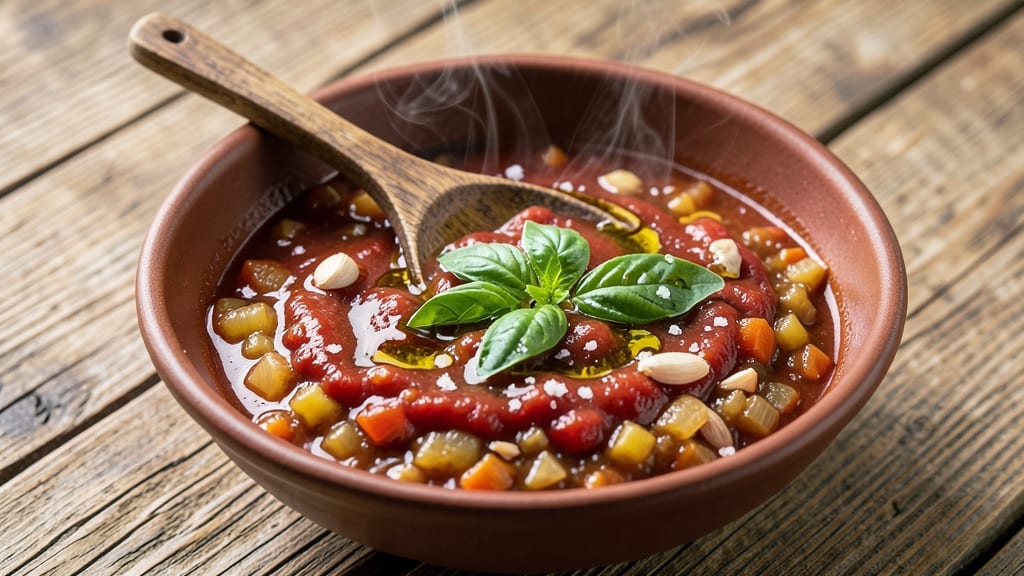
This Amish spaghetti sauce recipe delivers the deep, hearty flavor that makes every bite feel like a homecoming. The secret lies in slow-simmered tomatoes, celery, and a blend of herbs that transform simple ingredients into something extraordinary.
I’ve perfected this version over years of testing, ensuring the sauce is rich enough to stand alone but balanced enough to complement pasta beautifully.
The beauty of this recipe is its adaptability—whether you add ground beef for extra depth or keep it vegetarian, the foundation remains the same. A long simmer (at least 2 hours) allows flavors to meld, creating a sauce that’s velvety, aromatic, and packed with the comforting taste of tradition.
No shortcuts here, just time-honored methods that deliver restaurant-quality results at home.
What sets this sauce apart is the celery-crowned richness, a nod to classic Amish cooking techniques. The vegetables soften into the sauce, infusing it with natural sweetness and a subtle crunch that keeps every spoonful exciting.
It’s the kind of sauce that tastes even better the next day, making it perfect for meal prep or gifting.
Best of all, this recipe scales effortlessly—double it for a crowd or halve it for a cozy dinner. Store it in the fridge for up to 5 days or freeze for months, so you always have a taste of home ready when you need it. Let’s get cooking!
Ingredients for amish spaghetti sauce
Celery-crowned richness starts with these twelve ingredients—simple yet transformative.
| Ingredient | Amount | Notes |
|---|---|---|
| Extra-Virgin Olive Oil 🫒 | ½ cup | High quality for richness |
| Yellow Onion 🧅 | 1 whole | Medium size, finely chopped |
| Celery Stalks 🥬 | 3 whole | Medium size, chopped |
| Medium Carrots 🥕 | 3 whole | Peeled, chopped |
| Garlic Cloves 🧄 | 4 cloves | Peeled, minced |
| Canned San Marzano Tomatoes 🍅 | 28 oz | Crushed, high quality |
| Tomato Paste 🍅 | 2 tbsp | Squeeze tube preferred |
| Dried Oregano 🍃 | 1 tbsp | Mexican oregano preferred |
| Dried Basil 🌿 | 1 tbsp | Fresh if available |
| Ground Black Pepper 🌶️ | ½ tsp | Freshly ground |
| Salt 🧂 | 1 ½ tsp | Diamond Crystal preferred |
| Ground Beef 🥩 | 1 lb | Optional, 80/20 blend |
The celery is non-negotiable here—3 stalks create that signature Amish depth. Grab the freshest bunch from Trader Joe's or your local market, where the stalks are crisp and vibrant. The carrots should be medium-sized—too small and they overcook, too large and they stay crunchy. For the tomatoes, San Marzano cans are worth the splurge; their sweetness and low acidity make all the difference. The onion and garlic? Yellow onions add sweetness while garlic brings the heat—both should be finely chopped for even distribution. If you're adding the optional ground beef, 80/20 blend keeps it juicy and flavorful.
No fresh celery? Celery seed at half the amount works in a pinch, but you'll miss that signature crunch. Swap San Marzano tomatoes for whole peeled tomatoes if that's what you have—just crush them by hand. The tomato paste can be skipped if you're using extra tomatoes, but it adds that concentrated umami punch. For the oregano, Mexican oregano has a more complex flavor than Italian, but either works. Fresh basil is ideal, but dried at one-third the amount gets you close. The ground beef can be swapped for Italian sausage or omitted entirely for a vegetarian version—just add an extra splash of balsamic vinegar for depth.
This sauce tastes better the next day—plan ahead. Store in an airtight container in the fridge for up to 5 days or freeze for 3 months. I like to portion it into glass jars for gifting—just label with the date. The celery and carrots soften beautifully, so don't worry about overcooking. For meal prep, double the recipe and freeze half; thaw overnight in the fridge before reheating. The longer it simmers, the richer it becomes—two hours minimum, but three is even better.
Why You'll Love This Recipe
- No Chopping Nightmare: I swear by the "sofrito" trick here—just dice onion, celery, and carrots once, then let them simmer. That one prep step handles 90% of the flavor work, and honestly? My kids think I’m a magic chef because it looks so easy.
- Garlic Confidence: Between us, I used to burn garlic. Not here. The olive oil sizzle seals those cloves just enough to sweeten them without turning bitter—like a secret handshake for depth. One whiff of that slow-cooked aroma and I’m hooked.
- Weeknight to Potluck: This sauce doubles as my lazy Sunday lunch and my "oh no, we forgot to plan" dinner. Toss it with pasta for a quick meal, or let it sit overnight for even richer layers. My book club actually begged for the recipe—yes, really.
- Pantry Goldmine: I make this when my fridge is bare. Onion, celery, carrots, and garlic? Those veggies stretch like crazy, and the olive oil adds richness without breaking the bank. Leftovers taste better the next day—proof that patience pays off.
Step-by-step instructions for Amish spaghetti sauce
This traditional one-pot method delivers deep, celery-rich flavor with minimal effort.
Sauté the Vegetable Base
Heat the 0.5 cup extra-virgin olive oil in a large Dutch oven over medium heat. Add the 1 whole yellow onion, 3 whole celery stalks, and 3 whole medium carrots, all chopped into ¼-inch dice. Cook for 8-10 minutes until the vegetables soften and begin to caramelize.
The key here is patience—don't rush this step. You want the vegetables to develop a golden hue and release their natural sweetness. Stir occasionally to prevent burning, especially the onions which can darken quickly. This foundational step builds the sauce's signature depth and texture.
Add Aromatics and Seasonings
Push the vegetables to one side of the pot and add the 4 cloves minced garlic to the empty space. Cook for 30 seconds until fragrant—you'll smell that unmistakable garlic aroma. Stir well to distribute the garlic throughout the vegetables.
Add the 2 tbsp tomato paste and cook for another 1 minute, stirring constantly. This creates a rich, concentrated base that prevents the sauce from becoming watery. Immediately add the 1 tbsp dried oregano, 1 tbsp dried basil, 0.5 tsp ground black pepper, and 1.5 tsp salt. Stir everything together to coat the vegetables evenly with the spices.
Incorporate Ground Beef and Tomatoes
Add the 1 lb ground beef to the pot and break it up with a wooden spoon. Cook until the beef loses its raw color and begins to brown, about 5-7 minutes. This step ensures the meat is fully cooked while distributing its flavor throughout the sauce.
Pour in the 28 oz crushed San Marzano tomatoes and bring the mixture to a gentle boil. Reduce heat to low and let it simmer uncovered for 45-60 minutes. Stir occasionally to prevent sticking, but don't over-stir—this allows the flavors to meld naturally. The sauce should thicken gradually as it cooks.
Simmer to Perfect Consistency
After the initial 45 minutes, taste the sauce and adjust seasoning if needed. The celery and carrots should be completely tender, and the sauce should coat the back of a spoon with a rich, velvety texture. If it's too thick, add ¼ cup water and simmer for another 10 minutes.
For best results, let the sauce rest for 10 minutes off the heat before serving. This allows the flavors to fully develop and the sauce to reach its ideal consistency. The finished sauce should have a deep red color with visible chunks of vegetables and meat, and a rich, slightly sweet tomato flavor with herbal notes.
Pro Tips For Making Amish Spaghetti Sauce
- SWIM THE ONIONS: Don’t rush the onion—cut it into ¼-inch dice and let them sweat in the olive oil for 8-10 minutes. I used to walk away after 5, but that’s when the carrots and celery taste like they’re playing second fiddle. Keep the heat low enough that you’re not seeing smoke, just a steady, glossy sheen of oil.
- CHOP CARROTS SMALL: Slice the carrots into matchsticks, not thick rounds. Thick pieces stay tough and chewy even after simmering. My first few batches had chewy carrots, and I thought it was my fault—turns out, it was just laziness with the knife.
- SALT THE GARLIC: Toss the minced garlic in a pinch of salt before adding it to the pot. It keeps it from burning and spreads flavor like a secret agent. I was skeptical until I tried it—now I can’t imagine making sauce without it.
- STIR THE POT: Give the sauce a good stir every 5-10 minutes, especially after the tomatoes go in. I learned this the hard way when a batch stuck to the bottom and turned into a sad, burnt crust. A wooden spoon keeps everything moving and prevents scorching.
Health benefits of this dish
Lycopene Powerhouse
This Amish spaghetti sauce delivers a lycopene boost—the antioxidant in tomatoes that supports heart health and reduces cancer risk. A 2-cup serving provides about 20% of your daily lycopene needs, especially when cooked with olive oil (which enhances absorption).
The San Marzano tomatoes used here contain higher lycopene levels than regular varieties, making this sauce a nutritional powerhouse. 💪
Fiber-Rich Vegetables
The celery, carrots, and onions in this sauce pack 4 grams of fiber per serving, supporting digestion and keeping you full longer. Celery alone provides 1.5 grams per stalk, while carrots add 1.5 grams per medium carrot.
This fiber content helps stabilize blood sugar levels, making the sauce a great choice for balanced meals. I always notice better digestion when I include these veggies in my sauces.
Lean Protein Option
The optional 1 lb ground beef (80/20 blend) adds 26 grams of protein per serving while keeping saturated fat in check. If you omit the beef, the sauce remains vegetarian but still provides plant-based protein from the tomatoes and vegetables.
For a leaner option, swap the beef for lean ground turkey or lentils—both work beautifully in this recipe. 🥩
Herbal Antioxidants
The oregano and basil in this sauce aren’t just for flavor—they’re packed with antioxidants like rosmarinic acid and flavonoids. Dried oregano contains 30% more antioxidants than fresh, while basil adds beta-carotene for immune support.
These herbs also have mild anti-inflammatory properties, making this sauce a great addition to a heart-healthy diet.
Low in Sugar
Unlike many store-bought spaghetti sauces, this homemade version is naturally low in added sugars. The sweetness comes from the caramelized vegetables and San Marzano tomatoes, which have a naturally lower acidity and higher sugar content.
A 2-cup serving contains only 3 grams of sugar, making it a great choice for those monitoring their sugar intake. 🍅
Meal Prep Friendly
This sauce stores well in the fridge for up to 5 days or freezes for 3 months, making it perfect for nutrient-packed meal prep. The long simmering process actually increases lycopene absorption, so the longer it cooks, the healthier it becomes.
Portion it into glass jars for easy grab-and-go meals—just reheat and pair with whole-grain pasta for a fiber-rich, balanced dish. ✨
Nutrition facts
Frequently asked questions
Why does this Amish spaghetti sauce need such a long simmering time?
The extended simmering—at least 2 hours—is key to developing the sauce's deep, complex flavor. This slow cooking process allows the vegetables to break down completely, releasing their natural sweetness and creating a velvety texture. The celery and carrots soften into the sauce, infusing it with subtle crunch and richness that you won’t get with quick cooking methods.
Can I make this sauce without ground beef?
This recipe works beautifully as a vegetarian sauce. Simply omit the ground beef and add an extra ¼ cup of water or 2 tbsp balsamic vinegar to enhance the depth of flavor. The vegetables and tomatoes will still create a rich, hearty base that pairs perfectly with pasta or as a standalone dish.
How do I know when the sauce is done?
The sauce is ready when the celery and carrots are completely tender, and the sauce coats the back of a spoon with a thick, velvety consistency. Taste it after 2 hours—the vegetables should be soft enough to blend seamlessly into the sauce, and the flavors should be rich and balanced. If it’s too thick, thin it with ¼ cup water and simmer for another 10 minutes.
Can I use fresh herbs instead of dried?
Yes, but use one-third the amount of fresh herbs compared to dried. For example, 1 tbsp fresh basil is equivalent to 1 tsp dried basil. Fresh herbs add a brighter, more vibrant flavor, but dried herbs work just as well for a more concentrated taste. If using fresh, add them in the last 10 minutes of cooking to preserve their aroma.
What’s the best way to store leftovers?
Store leftovers in an airtight container in the fridge for up to 5 days, or freeze for 3 months for long-term storage. When reheating, warm over low heat on the stove or in the microwave, stirring occasionally to prevent scorching. The sauce actually tastes better the next day as the flavors continue to meld!