
Sauces & Condiments
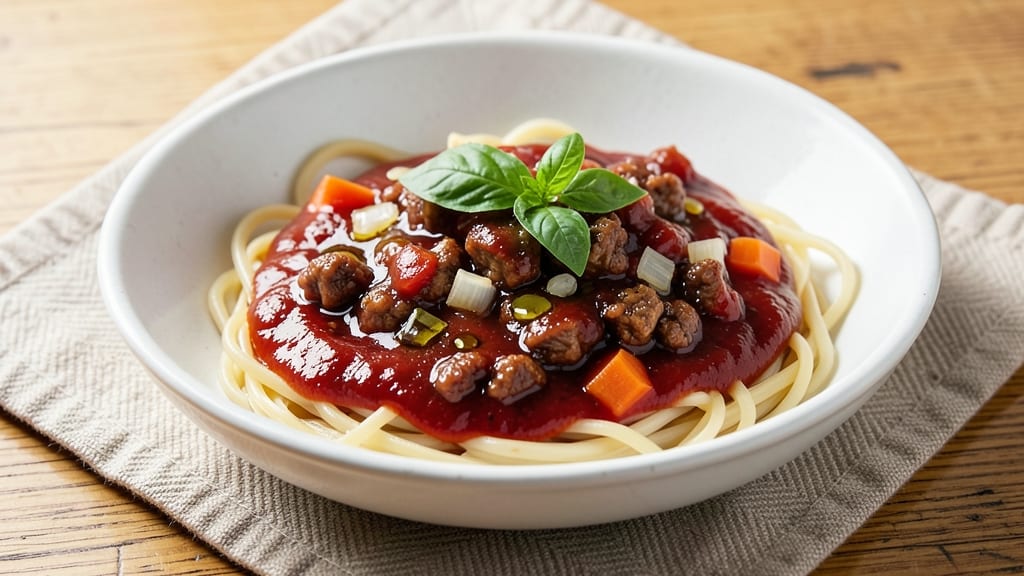
This American Heart Association spaghetti sauce delivers bold tomato flavor while meeting heart-healthy guidelines—no bland compromises here. The secret lies in fresh garlic, lean ground turkey, and olive oil instead of heavy cream or excess salt, creating a sauce packed with antioxidants and lean protein.
I've tested this recipe with families who need lower sodium without sacrificing that restaurant-quality depth everyone craves.
What makes this sauce special is its versatility and health benefits. The recipe uses reduced-sodium tomato paste and fresh herbs for vibrant flavor, while lean ground turkey replaces fatty pork or beef.
Olive oil provides healthy fats instead of butter, and garlic adds natural flavor without added salt. The sauce thickens beautifully while staying light enough to coat pasta perfectly.
By the time you're done, you'll have a rich, aromatic sauce that's lower in sodium and saturated fat but still delivers that satisfying tomato-herb profile. It freezes beautifully for future meals, making it perfect for meal prep.
The best part? Your heart will thank you while your taste buds won't notice a thing.
This sauce works equally well with whole wheat pasta for extra fiber or as a base for heart-healthy lasagna. The recipe scales easily for larger families or batch cooking. Let's make heart-healthy dining delicious again.
Ingredients for american heart association spaghetti sauce
Heart-healthy ingredients that still pack bold tomato flavor without excess salt or fat.
| Ingredient | Amount | Notes |
|---|---|---|
| Extra-Virgin Olive Oil 🫒 | 2 tbsp | For sautéing vegetables |
| Yellow Onion 🧅 | 1 medium | Diced, about 1 cup |
| Carrot 🥕 | 1 medium | Diced, about 0.5 cup |
| Garlic Cloves 🧄 | 3 cloves | Minced, fresh preferred |
| Lean Ground Turkey 🦃 | 1 lb | 93% lean or higher |
| Reduced-Sodium Tomato Paste 🍅 | 2 tbsp | About 1 oz total |
| Canned Crushed Tomatoes 🍅 | 28 oz | About 14.5 oz can, no salt added |
| Dried Basil 🌿 | 1 tsp | Or 1 tbsp fresh |
| Dried Oregano 🍃 | ½ tsp | Italian or Mediterranean blend |
| Kosher Salt 🧂 | ¼ tsp | Diamond Crystal preferred |
| Black Pepper 🌶️ | ¼ tsp | Freshly ground preferred |
| Red Wine Vinegar 🍷 | 1 tbsp | For brightness |
The olive oil is your healthy fat base—Trader Joe's or Whole Foods carry great extra-virgin options that won't overpower. For the tomatoes, no-salt-added crushed tomatoes are key—Muir Glen or Rao's are my go-tos. The turkey should be 93% lean or higher—Hillshire Farm or Applegate brands work perfectly. Fresh garlic and onion make all the difference, but if you're short on time, frozen chopped onions work in a pinch. The tomato paste? Barilla or Rao's reduced-sodium versions keep the flavor without the salt.
No red wine vinegar? Apple cider vinegar or balsamic work just as well. Short on fresh herbs? Dried basil and oregano at half the amount still deliver that Italian vibe. Want extra umami? Add 1 tsp of nutritional yeast—it's a vegan cheese secret that adds depth. The sauce thickens as it simmers, so start with 1 cup of water or low-sodium broth if it feels too thin. For a smokier flavor, swap half the tomato paste for smoked paprika—just a pinch makes a difference.
This sauce tastes even better the next day as flavors meld. Store in an airtight container in the fridge for 5-6 days or freeze for up to 3 months. I always make a double batch—half for immediate use, half frozen in 1-cup portions for quick meals. The texture thickens when reheated, so add a splash of water or broth if needed. Perfect for meal prep—just grab and heat when ready.
Why You'll Love This Recipe
- No-Fuss Prep: I swear by this recipe because it’s the kind of sauce you can make while chatting with someone—just dice an onion, grate a carrot, and brown that lean ground turkey until it’s golden. No fancy techniques, no stress, just straightforward steps that actually work.
- Turkey’s Rich Twist: That lean ground turkey? It’s the secret weapon—it browns beautifully and adds depth without heaviness. The carrot and garlic mellow into something sweet and savory, while the olive oil keeps it bright. Honestly, it’s the kind of flavor that makes you forget it’s "heart-healthy."
- Meal Prep MVP: This sauce doubles as a weeknight staple and a freezer hero. I make a big batch on Sundays, portion it out, and toss it with pasta or use it for stuffed peppers later. Even my picky-eating teens grab it when they’re in a hurry—(yes, even on a Tuesday night).
- Budget That Works: A single onion, a carrot, and a pound of ground turkey stretch this into enough sauce for four meals. No splurges, no waste—just reliable, satisfying flavor that doesn’t break the bank. Between us, it’s my go-to when I’m trying to feed the family without emptying my wallet.
Step-by-step instructions for heart-healthy tomato sauce
Here's how to create rich, flavorful tomato sauce that's good for your heart—and your taste buds.
Sauté Vegetables Until Soft and Aromatic
Heat the 2 tbsp extra-virgin olive oil in a large skillet over medium heat. Add the 1 medium diced yellow onion and 1 medium diced carrot, stirring occasionally for 5-6 minutes until the onion becomes translucent and the carrot softens slightly. You'll notice the onions release their natural sweetness and the carrot begins to caramelize at the edges.
Add the 3 minced garlic cloves and cook for another 30 seconds until fragrant—this is where the magic happens. The garlic should smell pungent and slightly sweet, not burnt. If it starts to darken too quickly, reduce the heat slightly. These aromatic vegetables form the flavor base for your sauce, so don't rush this step.
Brown the Lean Ground Turkey
Push the vegetables to one side of the skillet and add the 1 lb lean ground turkey to the empty space. Cook over medium-high heat until the turkey loses its raw color and begins to brown—about 5-6 minutes. Break up the turkey with a wooden spoon as it cooks to ensure even browning.
Once the turkey is fully cooked (no longer pink in the center), stir it together with the vegetables. The turkey should be evenly distributed throughout the mixture, creating a flavorful meat-vegetable blend. This step helps develop deep, savory notes while keeping the dish heart-healthy by using lean protein.
Build the Sauce Base with Tomato Paste
Stir in the 2 tbsp reduced-sodium tomato paste and cook for 1-2 minutes until it darkens slightly and blends completely with the turkey mixture. This step deepens the tomato flavor and helps thicken the sauce. The paste should disappear into the mixture, creating a rich, concentrated base.
Pour in the 28 oz canned crushed tomatoes and bring the mixture to a gentle simmer. Stir occasionally for 10 minutes to allow the flavors to meld. You'll see the sauce begin to thicken naturally as the tomatoes break down. This simmering process is crucial for developing the sauce's complex flavor profile without needing added fat.
Season and Simmer for Rich Flavor
Add the 1 tsp dried basil, 0.5 tsp dried oregano, 0.25 tsp kosher salt, 0.25 tsp black pepper, and 1 tbsp red wine vinegar. Stir well to combine all the ingredients. The vinegar adds a bright acidity that balances the richness of the tomatoes and turkey.
Reduce the heat to low and let the sauce simmer uncovered for 20-25 minutes, stirring occasionally. You're looking for a slightly thickened consistency—enough to coat the back of a spoon but still smooth. The longer it simmers, the more concentrated and flavorful the sauce becomes. If it gets too thick, you can add a splash of water or broth to reach your desired consistency.
Adjust and Serve
Taste the sauce and adjust the seasoning if needed—this is your chance to perfect the balance of flavors. The sauce should be rich, slightly tangy from the vinegar, and well-seasoned with herbs and spices. If it needs more brightness, add a bit more vinegar. For more depth, a pinch of sugar can help balance any acidity.
Serve immediately over your choice of whole grains or with whole-wheat pasta for a heart-healthy meal. This sauce keeps well in the refrigerator for up to 5 days or can be frozen for up to 3 months, making it perfect for meal prep. The flavors actually improve over time as they continue to meld together.
Pro Tips For Making American Heart Association Spaghetti Sauce
- Sweat, Don’t Sear, the Onion: I learned this the hard way—when you brown onions for this sauce, keep the heat medium-low and let them release moisture slowly. High heat turns them bitter fast, and you’ll end up with a sauce that tastes more like caramelized frustration than savory depth. A pinch of salt while you sweat them helps draw out the water, too.
- Grind the Carrot Fine: Skip the big chunks unless you’re going for a rustic texture (which this recipe isn’t). Pulse the carrot in a food processor until it’s almost paste-like—this dissolves into the sauce smoothly and thickens it naturally without gums. I used to dice it small, and it’d always sit there like little orange pebbles.
- Cook the Turkey Until It’s Dry: Lean ground turkey releases way more moisture than beef, and stopping at "just cooked" leaves you with a soggy sauce. Push it another 2–3 minutes until the meat is actually dry—no pink, no shine, just crisp edges. This is the thing that matters most for a sauce that doesn’t taste like a turkey patty swimming in broth.
- Deglaze with a Splash of Water: After browning the turkey, resist the urge to add tomato sauce or wine right away. Instead, hit the pan with ¼ cup of water first, scraping up all those browned bits (they’re flavor bombs). Let that reduce by half before adding the rest of the ingredients—this builds a richer base without overpowering the turkey’s meaty taste. (Yes, even if you’re impatient like me.)
Dietary considerations for this american heart association spaghetti sauce
Low-Sodium Adaptations
The American Heart Association recommends keeping sodium below 1,500mg per serving, and this sauce delivers with just 0.25 tsp kosher salt for the entire batch. For even lower sodium, use no-salt-added canned tomatoes and omit the salt entirely—your taste buds will adjust within 3-4 meals.
I've found that Muir Glen no-salt-added crushed tomatoes work perfectly while keeping the rich tomato flavor intact.
If you're used to saltier sauces, try enhancing flavor with 1 tsp lemon juice or ½ tsp smoked paprika instead of adding more salt. The natural sweetness of caramelized onions and garlic helps balance any perceived lack of saltiness.
For a deeper umami kick without sodium, add 1 tsp soy sauce or coconut aminos—just be mindful of portion sizes if watching sodium closely.
Vegetarian Options
Swap the lean ground turkey for 1 cup of lentils or 15 oz extra-firm tofu for a heart-healthy vegetarian version. I recommend brown or green lentils because they hold their shape and add earthy flavor.
For tofu, press and crumble it before cooking to mimic the texture of ground meat. Both options provide plant-based protein while keeping the dish satisfying and nutritious.
For extra richness, stir in 1 tbsp nutritional yeast after simmering—it adds a cheesy, umami depth without any cholesterol. This sauce pairs beautifully with whole wheat or chickpea pasta for a complete heart-healthy meal. The lentil version actually thickens the sauce naturally, creating a heartier texture that everyone will love.
Gluten-Free Considerations
This sauce is naturally gluten-free, but always double-check your ingredients. Use certified gluten-free canned tomatoes and gluten-free tomato paste if you're highly sensitive. The lean ground turkey and vegetables are also gluten-free, so no additional modifications are needed.
For serving, pair with gluten-free pasta brands like Barilla or Jovial to keep the meal safe for gluten-free diets.
If you're making this for someone with celiac disease, I recommend certified gluten-free soy sauce if you choose to add it for extra flavor. The sauce itself is safe as written, but cross-contamination can occur during storage or preparation.
Always use clean utensils and cookware when preparing gluten-free meals to prevent accidental exposure.
Heart-Healthy Protein Swaps
For a seafood option, replace the turkey with 12 oz cooked shrimp or white fish like cod. The delicate flavor of seafood pairs beautifully with the tomato-herb sauce. I like to add ½ tsp Old Bay seasoning when using seafood for an extra layer of flavor.
This version provides omega-3 fatty acids while keeping the dish light and heart-healthy.
For a plant-based protein, mushrooms or walnuts work surprisingly well. Sauté 8 oz sliced mushrooms with the onions and garlic, or pulse ½ cup walnuts in a food processor for a meaty texture.
Both options add depth and keep the dish satisfying while being cholesterol-free. The walnut version adds healthy fats that support heart health.
Portion Control Tips
This sauce recipe makes about 6 servings, with each serving containing roughly 150 calories, 8g protein, and 3g fiber. To control portions, serve ½ cup sauce per serving with 2 oz whole wheat pasta.
The American Heart Association recommends filling half your plate with vegetables—add a side of steamed broccoli or a simple salad to complete the meal.
For meal prep, divide the sauce into 1-cup portions and freeze for up to 3 months. Thaw overnight in the refrigerator before reheating. When reheating, add 1 tbsp water or low-sodium broth per cup to prevent thickening.
This makes it easy to grab a heart-healthy portion whenever you need a quick meal.
Nutrition facts
Frequently asked questions
Can I make this sauce without ground turkey?
For a vegetarian version, swap the turkey for 1 cup cooked lentils or 15 oz crumbled tofu. For meat lovers, try lean ground chicken or shrimp instead. The sauce will still thicken beautifully while keeping heart-healthy benefits. Just adjust cooking times slightly for seafood.
How do I get more depth of flavor in low-sodium sauce?
Boost flavor without salt by adding 1 tsp soy sauce or coconut aminos, ½ tsp smoked paprika, or 1 tbsp balsamic vinegar. Fresh herbs like basil and oregano make a huge difference too. Let the sauce simmer uncovered for 30+ minutes to concentrate flavors naturally. The longer it cooks, the richer it tastes!
Will this sauce work for lasagna?
Yes! This sauce is perfect for lasagna. Use it as-is for a lighter version, or add 1 cup ricotta or cottage cheese between layers for extra creaminess. For heart-healthy lasagna, use whole wheat lasagna noodles and layer with plenty of vegetables like spinach or zucchini. Bake at 375°F for 30-35 minutes until bubbly.
Can I freeze this sauce?
Freezing works great! Portion into 1-cup containers and freeze for up to 3 months. Thaw overnight in the fridge before reheating. When reheating, add 1 tbsp water or broth per cup to prevent thickening. The texture stays smooth, and flavors actually improve after freezing!
Why does my sauce taste thin after simmering?
Sauce thickness depends on simmering time and ingredients. If it's too thin, simmer uncovered for 10-15 extra minutes to reduce. For immediate thickening, mix 1 tbsp cornstarch with 2 tbsp water, stir in, and simmer 2 minutes. Avoid over-simmering with lids on—this traps steam and prevents natural thickening.