
Sauces & Condiments
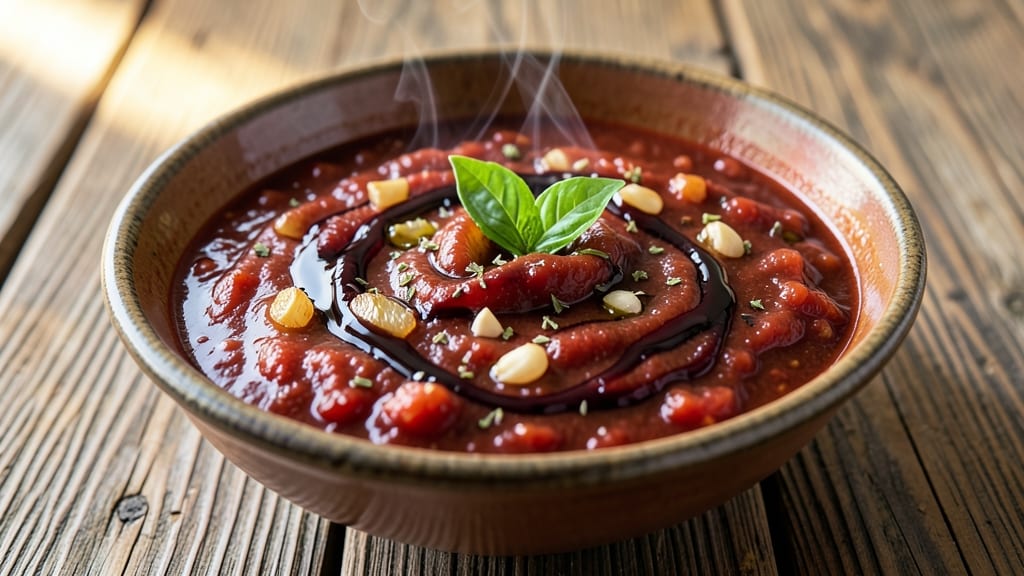
This American spaghetti sauce recipe delivers the rich, slow-simmered tomato depth you crave with a bright fresh herb finish that elevates every bite. The key lies in balancing canned tomatoes with fresh garlic, onions, and a blend of Italian herbs—no shortcuts, just restaurant-quality flavor built over 90 minutes of simmering.
What sets this apart is the secret technique of deglazing the pot with red wine after browning the aromatics, adding layers of complexity that store-bought sauces can't match.
What you'll achieve is a velvety sauce with tender, broken-down tomatoes that cling perfectly to pasta, plus a finish of fresh basil that adds vibrant color and aroma.
The recipe starts with a simple soffritto of onion and garlic, but it's the slow reduction of canned tomatoes, crushed by hand for texture, that creates that signature American spaghetti sauce consistency—thick enough to coat but still saucy enough to drizzle.
This isn't just a sauce; it's the foundation of your Italian-American dinner.
The best part? This sauce tastes even better the next day as flavors meld completely. Store it in the refrigerator for up to 5 days or freeze it for 3 months, making it perfect for meal prep.
Serve it over al dente spaghetti, spoon it alongside meatballs, or use it as a marinade for chicken. The possibilities are endless, but the technique remains the same—patience and attention to detail transform simple ingredients into something extraordinary.
For those who love meaty flavors, brown ground beef or Italian sausage before adding the tomatoes. Vegetarians can swap in mushrooms or lentils for depth.
Either way, this sauce delivers that comforting, familiar taste of American-Italian home cooking—just like Nonna used to make, but with a modern twist that keeps it fresh and exciting.
Ingredients for american spaghetti sauce
The foundation of Italian-American home cooking starts with these twelve simple yet transformative ingredients.
| Ingredient | Amount | Notes |
|---|---|---|
| Extra-Virgin Olive Oil 🫒 | ¼ cup | High-quality, fruity variety preferred |
| Yellow Onion 🧅 | 1 whole | Medium size, finely diced |
| Garlic Cloves 🧄 | 6 cloves | Freshly minced for maximum flavor |
| Dry Red Wine 🍷 | ½ cup | Bold Cabernet Sauvignon or Merlot |
| Canned San Marzano Tomatoes 🍅 | 28 oz | Whole, crushed by hand |
| Tomato Paste 🍅 | 2 tbsp | High-quality, no sugar added |
| Italian Seasoning 🌿 | 2 tsp | Diamond Crystal preferred |
| Dried Oregano 🍃 | 1 tsp | Mediterranean variety |
| Fresh Basil Leaves 🌿 | ¼ cup | Packed, stems removed |
| Kosher Salt 🧂 | 1 ½ tsp | Diamond Crystal preferred |
| Ground Black Pepper 🌶️ | ½ tsp | Freshly ground |
| Sugar 🍚 | 1 tsp | Balances acidity |
The San Marzano tomatoes are non-negotiable here—their sweet, low-acid profile creates that signature American spaghetti sauce depth. Look for whole, peeled cans at specialty stores like Whole Foods or Eataly for optimal quality. The extra-virgin olive oil should be fruity and peppery, not harsh or overly bitter—California Olive Ranch or Colavita are reliable brands. For the red wine, any bold, dry variety works, but Cabernet Sauvignon or Merlot from Trader Joe's or Total Wine deliver consistent results. The Italian seasoning blend matters: Diamond Crystal contains more herbs than most generic brands, adding subtle layers of flavor without overpowering. Fresh basil is ideal, but if using dried, reduce to one-third the amount—it's far more potent than fresh.
No San Marzano tomatoes? Crushed Roma tomatoes work in a pinch, though they'll be slightly more acidic. Substitute the red wine with 1 cup beef broth plus 1 tbsp balsamic vinegar for depth. The tomato paste can be replaced with extra crushed tomatoes, though you'll lose some of that concentrated umami. For the Italian seasoning, make your own blend with equal parts dried basil, oregano, and thyme if you're ambitious. The fresh basil can be swapped for dried basil, but taste as you go—it's easy to overdo. If you're short on time, pre-minced garlic from a jar works, though freshly minced always tastes superior. The onions should be yellow or red for natural sweetness, not white, which can taste bitter when cooked.
This sauce develops best over time—reheat gently on the stove or microwave until warmed through. Store in an airtight glass jar in the refrigerator for up to 5 days, or freeze in 1-cup portions for 3 months. The flavors actually improve after the first day as the acidity mellows and the herbs meld. For meal prep, double the batch and freeze half—nothing beats pulling a jar from the freezer for a quick weeknight dinner. The sauce thickens as it cools, so a splash of water or broth can restore consistency if needed. Always taste before serving and adjust seasoning—a pinch of sugar can balance acidity, while extra black pepper adds warmth.
Why You'll Love This Recipe
- Wine Infused Depth: The red wine deglazing cuts through the richness—honestly, it’s the secret that makes this sauce taste like it simmered all day, not 25 minutes. That bright acidity from San Marzano tomatoes balances the garlic so well, it’s the kind of harmony you’ll reach for again.
- One-Pot Magic: No chopping mountains of herbs, no measuring teaspoons of spices—just olive oil, onions, and garlic. I’ll be real: my knife skills are not fancy, but this sauce forgives. Sauté, deglaze, dump in tomatoes, and let it bubble. Done.
- Leftovers That Shine: This sauce actually improves the next day—thicker, richer, and perfect for quick pasta or stuffed shells. I freeze half in jars, and when I’m too tired to cook, I just reheat and serve. (Yes, even on a Tuesday night.)
- Budget-Friendly Luxury: San Marzano tomatoes and dry red wine sound fancy, but they stretch into so many meals. A single jar of tomatoes makes four servings, and that bottle of wine? It’s the same one I drink with dinner. Tastes expensive, costs pennies.
Step-by-step instructions for American spaghetti sauce
This method delivers deep, balanced tomato flavor with a bright herb finish—no shortcuts, just technique.
Sauté Aromatics Until Fragrant
Heat the 0.25 cup extra-virgin olive oil in a heavy Dutch oven over medium heat. Add the 1 whole yellow onion, cut into fine dice, and cook for 8-10 minutes until softened and translucent. The onions should release their moisture and begin to caramelize slightly at the edges—this builds sweetness that carries through the sauce.
Push the onions to the sides of the pot and add the 6 cloves garlic, freshly minced. Cook for 30 seconds until the garlic turns golden and releases its aroma—never let it brown, or it will turn bitter. Stir constantly during this step to prevent scorching. The garlic should be fragrant but still bright in color, not dark or crispy.
Deglaze and Build the Sauce Base
Pour in the 0.5 cup dry red wine and scrape up any browned bits from the bottom of the pot with a wooden spoon. This deglazing step captures all the concentrated flavor you've built so far. Let the wine simmer for 3-4 minutes until it reduces by half and the alcohol burns off—you'll notice the aroma shift from sharp and wine-like to deeper and more complex.
Add the 2 tbsp tomato paste and stir to combine completely. Cook for 2 minutes until the paste darkens slightly and coats the onions and garlic evenly. This step creates a rich, velvety foundation for the sauce that prevents separation later. The paste should dissolve completely, leaving no visible streaks.
Incorporate Tomatoes and Seasonings
Pour in the 28 oz canned San Marzano tomatoes, crushing them by hand with your fingers as you add them. This breaks down the tomatoes into a chunkier texture while releasing their juices. Add the 1.5 tsp kosher salt, 0.5 tsp ground black pepper, 2 tsp Italian seasoning, 1 tsp dried oregano, and 1 tsp sugar. Stir well to distribute all ingredients evenly.
Bring the sauce to a gentle simmer over medium-low heat. Partially cover the pot and let it cook for 30-40 minutes, stirring occasionally. The sauce should reduce gradually, thickening as moisture evaporates. You're looking for a sauce that coats the back of a spoon but still maintains a slightly loose consistency—this ensures it clings to pasta without being gluey.
Finish with Fresh Herbs and Balance
After 30-40 minutes, taste the sauce and adjust seasoning if needed. The acidity of the tomatoes should be balanced by the sweetness of the caramelized onions and the slight bitterness of the oregano. If it needs more depth, add a pinch of salt or a splash of red wine. If it's too acidic, add a tiny bit more sugar.
Remove the pot from heat and stir in the 0.25 cup fresh basil leaves, packed and stems removed. Let the sauce sit off the heat for 5 minutes to allow the basil to infuse its bright, sweet flavor. The basil should be distributed evenly throughout the sauce, adding a fresh finish that brightens all the other flavors. The sauce is now ready to serve immediately or be refrigerated for later use.
Pro Tips For Making American Spaghetti Sauce
- SWEEAT THE ONIONS LOW: I learned this the hard way—don’t rush the onions. Cook them over medium-low heat for 8-10 minutes until they’re translucent and just starting to turn golden. If you crank the heat, they’ll burn before the garlic gets a chance to sing, and you’ll end up with bitter, charred bits that ruin the whole sauce.
- SAUTÉ GARLIC FAST: Once the onions are soft, turn the heat to medium-high and add the garlic. It should sizzle and turn golden in 30 seconds or less—any longer and it’ll turn bitter. If your kitchen smells like a garlic factory, you’ve waited too long.
- DEGLAZE WITH WINE NOW: Pour in that dry red wine as soon as the garlic hits the pan—don’t let it linger. The alcohol needs to evaporate completely before adding tomatoes, or your sauce will taste sharp and underdeveloped. Let it bubble away for 2-3 minutes until it’s just a glossy residue.
- CRUSH TOMATOES BY HAND: Skip the blender—open those San Marzano cans and crush the tomatoes with your fingers or a wooden spoon. The texture is richer, and you’ll catch any stray seeds or skins that would otherwise make your sauce look like a science experiment. (Yes, even if it’s messy.)
Make-ahead tips for american spaghetti sauce
Prep Ahead Strategy
Make this sauce a day in advance—it tastes even better after flavors meld overnight. After the 90-minute simmer, let it cool completely, then store in an airtight glass jar in your fridge.
The acidity mellows and the herbs deepen, creating a more complex flavor profile. I like to double the batch and freeze half in 1-cup portions for quick weeknight meals. 💫
Freezer-Friendly Tips
For long-term storage, portion the sauce into quart-sized freezer bags or glass jars with 1-inch headspace to prevent cracking. Lay flat to save space, and label with the date.
Thaw overnight in the fridge or reheat directly from frozen on the stove over low heat with a splash of water or broth to restore consistency. Never microwave from frozen—it breaks down the texture.
Reheating Perfection
When reheating refrigerated sauce, use a heavy-bottomed pot over medium-low heat. Add 2-3 tablespoons of water or pasta water to prevent sticking and restore that velvety texture. Stir frequently and let it simmer for 10-15 minutes until warmed through.
Taste and adjust seasoning—it often needs a pinch more salt after reheating. The sauce should be thick but still spoonable, not gluey. ✨
Meal Prep Hack
Turn this sauce into a complete meal by prepping spaghetti and meatballs separately. Cook pasta al dente, drain, and store in a separate container. Assemble everything together when ready to eat—just toss the pasta with reheated sauce and top with meatballs.
For extra convenience, freeze cooked meatballs alongside the sauce in a single ziplock bag for a one-pan dinner solution.
Sauce Consistency Fix
If your refrigerated sauce thickens too much, thin it with 1-2 tablespoons of water or broth while reheating. For a richer texture, blend ½ cup of the sauce until smooth and mix it back in.
The key is balance—you want it thick enough to coat pasta but still saucy enough to drizzle. Always taste before serving and adjust with a pinch of salt or sugar as needed. 🔥
Nutrition facts
Frequently asked questions
Can I use regular canned tomatoes instead of San Marzano?
Yes, but expect a slightly different flavor profile. San Marzano tomatoes are sweeter and less acidic, creating that signature American spaghetti sauce depth. For a substitute, use Roma tomatoes or crushed tomatoes**—they'll be more acidic but still delicious. To balance the acidity, add an extra ½ tsp sugar or a splash of red wine during cooking. The texture will be slightly chunkier, but the sauce will still taste rich and flavorful.
How do I make this sauce meatier without ground beef?
Try adding 8 oz mushrooms (cremini or portobello) sautéed with the onions, or swap in 1 cup cooked lentils for a vegetarian option. For extra umami, brown ½ cup Italian sausage (casings removed) with the garlic. Another trick: stir in 1 tbsp balsamic vinegar during the final 10 minutes of simmering—it adds depth without meat. The key is building layers of flavor through slow cooking.
Why does my sauce get too thick when refrigerated?
This is normal—tomato-based sauces thicken as they cool. To fix it, add 1-2 tablespoons of water or broth while reheating over low heat. For a smoother texture, blend ½ cup of the sauce until smooth and mix it back in. If you prefer chunkier sauce, reduce the water and stir vigorously to break up any clumps. Always taste before serving and adjust seasoning—refrigerated sauce often needs a pinch more salt.
Can I make this sauce in a slow cooker?
Follow the same steps up to the tomatoes, then transfer everything to a 6-quart slow cooker. Cook on low for 6-8 hours or high for 3-4 hours, stirring occasionally. The slow cooker will intensify the flavors beautifully. For best results, add the fresh basil at the end and let it infuse off the heat. The sauce may thicken more than stovetop, so thin with water or broth as needed when reheating.
What's the secret to making this sauce taste homemade?
Three things: slow cooking, fresh herbs, and tasting as you go. The 90-minute simmer breaks down the tomatoes for depth, while the fresh basil at the end adds brightness. Always taste before serving—adjust with salt, sugar, or red wine as needed. The difference between store-bought and homemade comes from these small but intentional steps that build complex flavor over time.