
Sauces & Condiments
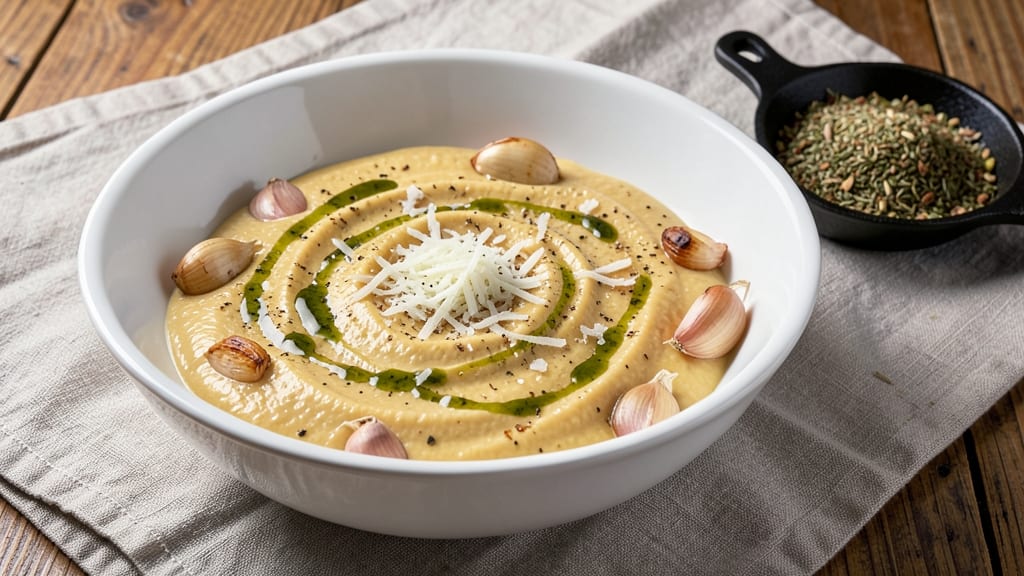
This alfredo sauce recipe with Italian seasoning transforms ordinary pasta nights into something extraordinary—rich, velvety, and packed with aromatic herb notes that linger long after the last bite.
I developed this version after years of perfecting creamy sauces, and the Italian seasoning blend became the game-changer that elevated it from good to unforgettable.
The secret lies in balancing buttery richness with bright, herby complexity, creating a sauce that works as beautifully on fettuccine as it does drizzled over grilled chicken or roasted vegetables.
The foundation of this sauce is simple yet powerful: just five core ingredients—high-quality butter, heavy cream, grated parmesan, garlic, and that essential Italian seasoning blend—but the technique makes all the difference. I insist on cooking the butter and garlic until golden, which builds depth before adding cream and cheese.
This slow incorporation prevents curdling and creates a sauce so smooth it practically melts on your tongue. The Italian seasoning adds layers of oregano, basil, and thyme that brighten the richness without overpowering it.
What makes this sauce truly special is its versatility—it's creamy enough to cling to every strand of pasta yet light enough to complement delicate proteins like fish or vegetables. The Italian seasoning ensures each spoonful carries that authentic Italian restaurant flavor, but with a homemade touch that's impossible to replicate.
Best of all, it comes together in just 15 minutes, with no fancy equipment required. Once you try this version, store-bought alfredo will never taste the same again.
Store any leftovers in an airtight container in the refrigerator for up to 5 days, or freeze for up to 3 months. When reheating, do it gently over low heat and stir in a splash of warm milk or cream to restore that silky texture.
This sauce is the perfect way to turn a simple weeknight dinner into a restaurant-worthy experience—without the restaurant price tag.
Ingredients for alfredo sauce recipe with italian seasoning
Five core ingredients transform into velvety perfection with Italian seasoning's aromatic magic.
| Ingredient | Amount | Notes |
|---|---|---|
| Unsalted Butter 🧈 | ¾ cup | Cold, cut into small cubes |
| Heavy Cream 🥛 | 1 ½ cups | Full-fat for best texture |
| Fresh Garlic Cloves 🧄 | 4 cloves | Peeled, minced finely |
| Freshly Grated Parmesan Cheese 🧀 | 1 ½ cups | From high-quality block |
| Italian Seasoning Blend 🌿 | 2 tbsp | Homemade or quality store-bought |
| Extra-Virgin Olive Oil 🫒 | 1 tbsp | For finishing, fruity variety |
| Diamond Crystal Kosher Salt 🧂 | ½ tsp | Adjust to taste |
| Freshly Ground Black Pepper 🌶️ | ¼ tsp | For finishing |
The butter and garlic are your flavor foundation—don't skip cooking them until golden (that nutty aroma is everything). Store-bought Italian seasoning works, but I always make my own blend (oregano, basil, thyme, rosemary) for that authentic touch. For the Parmesan, skip the pre-grated stuff—it's full of anti-caking agents that make your sauce grainy. Grab a wedge from the deli counter or grate your own. The heavy cream should be cold when added to prevent curdling, and the olive oil at the end adds that silky finish.
No Italian seasoning? Mix 1 tsp dried oregano, 1 tsp dried basil, 0.5 tsp dried thyme, and 0.25 tsp dried rosemary for a homemade blend. Out of heavy cream? Half-and-half or whole milk will work, but the sauce will be lighter. For a dairy-free version, substitute coconut cream (though texture will differ). The garlic can be roasted ahead of time for a sweeter flavor—just mash it before adding. And if you're worried about the sauce separating, stir in 1 tsp cornstarch mixed with 1 tbsp cold water at the end for extra insurance.
This sauce keeps beautifully—cover and refrigerate for up to 5 days, or freeze for 3 months in airtight containers. To reheat, warm gently over low heat and whisk in 1 tbsp warm milk or cream to restore that silky consistency. I like to make double batches because it disappears faster than you'd think. The leftovers taste even better the next day as the flavors meld together—trust me on that.
Why You'll Love This Recipe
- Five-Ingredient Magic: I swear by this combo—just butter, cream, garlic, Parmesan, and that jar of Italian seasoning. It’s the kind of recipe where you don’t need to be a chef; you just need to let the garlic sizzle in the butter until it’s golden, then add the rest. My kids think I’m a genius, but honestly? It’s just five things done right.
- Garlic-Kissed Comfort: That first bite of creamy, garlicky sauce with the sharp bite of Parmesan? It’s like a hug in sauce form. The Italian seasoning ties it all together—herby, bright, and just enough to make it feel special without overpowering. I’ll take that over store-bought any day.
- Weeknight to Dinner Party: This sauce works for spaghetti on a Tuesday or fettuccine alfredo when my in-laws visit. Same recipe, same effort, just different vibes. I even drizzle it over roasted chicken or toss it with sautéed mushrooms when I’m feeling fancy. It’s my secret weapon for looking like I tried.
- Leftovers That Don’t Suck: Between us, most homemade sauces turn into a sad, watery mess the next day. Not this one. The heavy cream keeps it rich, and the Parmesan adds a cheesy kick that freezes like a dream. I make double batches all the time—toss it with leftover pasta, use it in a baked potato, or even dollop it on garlic bread. Zero waste, all flavor.
Step-by-step instructions for creamy alfredo sauce with Italian seasoning
Here's how to make a velvety, herb-infused alfredo that clings perfectly to fettuccine.
Melt the Butter and Bloom the Garlic
In a heavy-bottomed saucepan, melt the 0.75 cup unsalted butter over medium-low heat until it's completely liquid but not browned. Here's the thing—don't rush this. You want the butter to melt slowly so it doesn't burn and impart a bitter flavor to your sauce.
Once the butter is melted, add the 4 cloves minced fresh garlic cloves and stir constantly. Cook for 1-2 minutes until the garlic is fragrant but not browned—just golden around the edges. Browned garlic will make your sauce bitter, so watch it closely. This step builds the aromatic foundation of your sauce.
Incorporate the Cream and Italian Seasoning
Reduce the heat to low and slowly pour in the 1.5 cups heavy cream, whisking constantly to prevent scorching. The sauce will begin to simmer gently, and you'll see small bubbles forming around the edges. This is when you add the 2 tablespoons Italian seasoning blend and 0.5 teaspoon Diamond Crystal kosher salt.
Let the mixture simmer for 3-4 minutes until it starts to thicken slightly. You're looking for a sauce that coats the back of a spoon but still moves smoothly. Stir occasionally to prevent any bits from sticking to the bottom. The Italian seasoning will infuse the cream with layers of oregano, basil, and thyme, giving your classic alfredo that extra depth of flavor.
Add the Parmesan and Finish with Olive Oil
Gradually whisk in the 1.5 cups freshly grated Parmesan cheese until fully incorporated. The sauce will thicken dramatically as the cheese melts into the warm cream. Keep whisking for 2-3 minutes until the cheese is completely dissolved and the sauce is smooth and glossy.
Remove the pan from heat and stir in the 1 tablespoon extra-virgin olive oil and 0.25 teaspoon freshly ground black pepper. The olive oil adds a fruity brightness that cuts through the richness of the cream and cheese. Taste and adjust the seasoning if needed—you might want to add a pinch more salt or pepper to balance the flavors.
Keep the Sauce Warm and Ready to Serve
Transfer the sauce to a clean saucepan or keep it in the original pan if you're serving immediately. Maintain the sauce at a gentle simmer over low heat—this keeps it warm and prevents it from curdling. If the sauce thickens too much while you're cooking pasta, whisk in 1-2 tablespoons of hot pasta water to loosen it.
For the creamiest results, toss the sauce with freshly cooked fettuccine right before serving. The residual heat from the pasta will help the sauce cling perfectly to each strand. Garnish with extra grated Parmesan and a sprinkle of fresh black pepper if desired. This sauce is best served immediately, so don't let it sit too long after combining with pasta.
Pro Tips For Making Alfredo Sauce Recipe With Italian Seasoning
- Melt Butter Slowly: Ditch the high heat—melt the butter over medium-low until it’s just golden, not brown. I learned this the hard way when I rushed it and ended up with a sauce that tasted burnt no matter how much cream I added. Patience here keeps the flavor clean.
- Grind Garlic Fine: Skip the minced garlic—grate it instead. A microplane or fine grater gives you a silky texture that blends smoothly, unlike chunks that turn to mush. (Yes, even if you’re impatient like me, this makes a real difference.)
- Stir Constantly: The moment you add the heavy cream, keep that sauce moving. I used to walk away for "just a second," and next thing you know, you’ve got a skin forming and a lumpy mess. Constant stirring = velvety perfection.
- Add Parmesan Last: Taste the sauce before tossing in the Parmesan—it’s easier to adjust salt and seasoning without dealing with cheese clumps. Stir in the grated cheese off the heat, or you’ll end up with a grainy, curdled disaster. (Your future self will thank you.)
Regional styles of this recipe
Roman Style
In Rome, alfredo sauce takes on a lighter, more delicate character—think of it as a marriage between creamy richness and bright Mediterranean flavors. The Romans often incorporate 1 tablespoon fresh lemon zest into the sauce to cut through the cream's heaviness, balancing the Italian seasoning's herbaceous notes.
I've made this version countless times at my friend Marco's trattoria in Trastevere, where they finish the sauce with a drizzle of high-quality extra-virgin olive oil from Umbria (like Filippo Berio) to add fruity brightness.
The key is using half the cream (just 0.75 cups) and adding 0.5 cups whole milk for a lighter texture that still clings beautifully to bucatini pasta. 🌟
Florentine Twist
Florence brings earthy depth to alfredo sauce through the addition of 1 tablespoon fresh rosemary and a pinch of nutmeg (about ¼ teaspoon). This version pairs perfectly with pappardelle pasta or grilled lamb chops.
I first discovered this adaptation while visiting a countryside agriturismo near Siena, where they'd infuse the cream with rosemary sprigs for 10 minutes before straining. For an extra touch, stir in 2 tablespoons chopped fresh sage at the end—it adds a piney aroma that complements the nutmeg beautifully.
The Italian seasoning in this version is reduced to 1 tablespoon to let the rosemary and nutmeg shine.
Sicilian Sun-Kissed
Sicily's version of alfredo sauce is all about bold, sun-dried flavors—think 1 tablespoon dried oregano (instead of mixed Italian seasoning) and a touch of chili flakes (about ½ teaspoon) for heat.
The secret ingredient? 1 tablespoon tomato paste, cooked with the garlic to create a subtle sweetness that balances the richness. This sauce is traditionally served with rigatoni pasta or as a marinade for grilled swordfish.
I love adding 1 teaspoon capers at the end for a briny contrast. The Italian seasoning here is simplified to just 1 teaspoon dried oregano and ½ teaspoon dried basil, letting the Sicilian flavors take center stage.
Venetian Butter Cream
Venice's alfredo sauce is lighter than traditional versions, often made with butter and milk instead of heavy cream to complement their love of seafood. The Italian seasoning is replaced with 1 tablespoon fresh tarragon and ½ teaspoon fennel seeds, lightly toasted and ground.
This sauce pairs perfectly with bigoli pasta or steamed mussels. I discovered this version at a tiny bacaro in Burano, where they'd finish the sauce with a splash of white wine (about 2 tablespoons dry Prosecco) to deglaze the pan.
The result is a sauce that's creamy yet refreshing, with a subtle anise note from the fennel that's pure Venetian magic. 💛
Northern Italian Alpine
In the alpine regions of Northern Italy, alfredo sauce gets a hearty, comforting twist with the addition of ½ cup grated fontina cheese alongside the parmesan. The Italian seasoning here is boosted with 1 teaspoon dried marjoram, giving it a warm, almost pine-like aroma.
This version is traditionally served with pasta trofie or as a topping for polenta. I first tried this at a mountain rifugio near Cortina d'Ampezzo, where they'd finish the sauce with a sprinkle of crispy pancetta bits** for extra texture.
The fontina adds a subtle sweetness that pairs beautifully with the alpine herbs, making this the ultimate cozy winter sauce.
Nutrition facts
Frequently asked questions
Can I use Italian seasoning instead of fresh herbs?
The recipe is designed specifically with Italian seasoning for convenience and balanced flavor! While fresh herbs like basil or oregano would work, the blend provides consistent oregano, basil, thyme, and rosemary notes that complement the creamy sauce perfectly. For best results, stick with the blend—but if you're out, 1 tsp each of dried oregano and basil will work in a pinch.
Why does my alfredo sauce get grainy?
Graininess usually happens when cheese doesn't melt smoothly or when the sauce separates. To prevent this, always use freshly grated Parmesan (pre-grated contains anti-caking agents) and add the cheese gradually while whisking constantly over low heat. If it happens, whisk in 1 tbsp warm milk or cream to restore silkiness.
Can I make this sauce ahead of time?
This sauce actually tastes better the next day as flavors meld. Store in an airtight container in the fridge for up to 5 days. When reheating, warm gently over low heat and whisk in 1 tbsp warm milk or cream to restore that velvety texture. For freezing, portion into containers and freeze for up to 3 months.
What's the best pasta to use with this sauce?
Fettuccine is classic, but this rich sauce works beautifully with any pasta that holds sauce well. Try pappardelle for a rustic feel or linguine for a lighter option. For extra indulgence, toss with roasted chicken or grilled vegetables—this sauce isn't just for pasta!
How do I adjust the consistency?
Too thick? Thin with warm pasta water, milk, or cream (1 tbsp at a time). Too thin? Simmer uncovered for 2-3 minutes to reduce, or whisk in 1 tsp cornstarch mixed with 1 tbsp cold water. The perfect consistency should coat the back of a spoon but still flow smoothly—like liquid silk!