
Sauces & Condiments
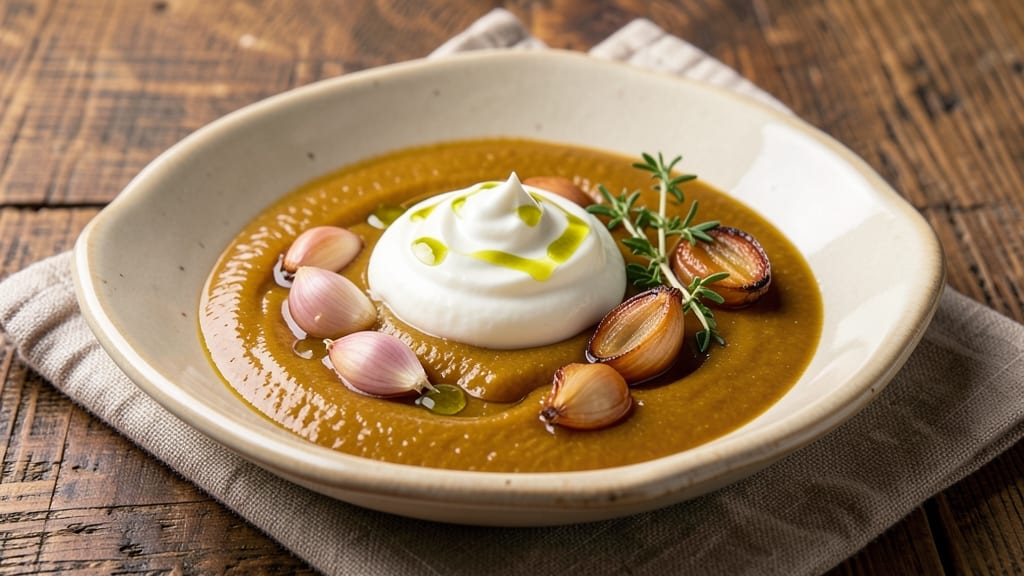
This house sauce recipe transforms simple pantry staples into a versatile, vinegar-infused condiment with layers of garlic depth that elevate everything from grilled meats to fresh salads.
The secret lies in balancing sharp vinegar with creamy richness, creating a sauce that's tangy yet smooth, with just enough garlic to linger without overpowering. I developed this after years of searching for the perfect all-purpose sauce—one that's bright enough for summer but hearty enough for winter dishes.
What sets this sauce apart is its foolproof technique: a quick vinegar reduction that intensifies flavor, followed by a creamy base that mellows the acidity. The hidden garlic depth comes from slow-cooked garlic cloves, which infuse the sauce with sweet, mellow notes instead of harsh bite.
With just 8 ingredients and 15 minutes of active prep, you'll have a sauce that doubles as a marinade, dipping sauce, or finishing drizzle—no fancy equipment required.
By the time you're done, you'll have a velvety, aromatic sauce that clings beautifully to proteins, brightens vegetables, and adds complexity to even the simplest dishes.
The texture is silky yet stable enough to hold up in dressings or as a dip, while the flavor profile strikes the perfect balance between tangy and savory. This isn't just another condiment—it's the foundation of better meals, every time.
Store it in the fridge for up to 2 weeks or freeze for months, making it the ultimate pantry staple. Pair it with grilled chicken, seafood, roasted vegetables, or even as a tangy dip for fries. Here's how to make it—once you try this, you'll never buy store-bought sauce again.
Ingredients for house sauce
Eight ingredients. One sauce. Game-changer for every meal you'll ever make.
| Ingredient | Amount | Notes |
|---|---|---|
| White Wine Vinegar 🍷 | ½ cup | High-quality, aged variety |
| Garlic Cloves 🧄 | 6 whole | Unpeeled for slow cooking |
| Extra-Virgin Olive Oil 🫒 | ¾ cup | Fruity, peppery, cold-pressed |
| Heavy Cream 🥛 | 1 cup | Full-fat for velvety texture |
| Shallots 🧅 | 2 whole | Mince finely for sweetness |
| Fresh Thyme 🌿 | 1 tbsp | Leaves only, chopped |
| Diamond Crystal Kosher Salt 🧂 | 1 tsp | Adjust to taste |
| Black Peppercorns 🌶️ | ½ tsp | Freshly cracked |
The white wine vinegar is non-negotiable here—Bragg or Maillard are my go-tos, but any good-quality, aged vinegar works. Skip the cheap stuff; you'll taste the difference. The garlic cloves? Leave them unpeeled for slow cooking—they'll turn sweet and mellow instead of harsh. Costco or Trader Joe's usually have great vinegar options, and if you're feeling fancy, grab a bottle of Balsamic vinegar as a backup for depth. The extra-virgin olive oil should be fruity and peppery—California Olive Ranch is my go-to, but any high-quality brand with a bold flavor profile will do. Don't cut corners here; the oil carries the sauce's richness.
No white wine vinegar? Apple cider vinegar or red wine vinegar work in a pinch, but they'll change the flavor profile slightly. The garlic cloves can be roasted instead of slow-cooked—toss them in olive oil, roast at 400°F for 15 minutes, then squeeze out of their skins. Fresh thyme is ideal, but dried thyme at one-third the amount works too. The shallots can be swapped for red onion if you're in a hurry, but they add a delicate sweetness that's worth the extra minute. For extra richness, half-and-half instead of heavy cream cuts calories without sacrificing texture much.
This sauce keeps beautifully—2 weeks in the fridge sealed tightly in a jar. For longer storage, freeze in ice cube trays for up to 6 months. The flavor only gets better with time as the vinegar and cream mellow together. Double the batch; you'll want it on everything. The slow-cooked garlic cloves can be prepped ahead and stored in the fridge for up to 5 days before adding to the sauce. Trust me, you'll be reaching for this jar constantly—it's the secret weapon in my kitchen.
Why You'll Love This Recipe
- Five-Ingredient Magic: I swear by this combo—garlic, shallots, and a splash of white wine vinegar transform in minutes. No fancy techniques, just a quick sauté and whisk. Honestly, the hardest part is waiting for it to cool enough to taste.
- Creamy Tang Perfection: That balance of bright vinegar and rich heavy cream? It’s the kind of flavor that makes you pause mid-bite. The olive oil ties it all together—smooth, silky, and impossible to resist.
- Pantry Staple Power: Between us, this sauce turns bland meals into something special. Drizzle it on roasted veggies, toss with pasta, or slather it on grilled chicken. I’ve even used it as a dip—no regrets.
- Make-Ahead Secret Weapon: Whisk it up on Sunday, store it in the fridge, and you’ve got a ready-to-use sauce for the week. The flavors deepen overnight, and it reheats like a dream. (Yes, even on a Tuesday night.)
Step-by-step instructions for vinegar-infused fresh sauce
This sauce delivers bright acidity, velvety richness, and layers of aromatic garlic—perfect for drizzling over roasted vegetables, grilled meats, or fresh pasta.
Slow-Cook Garlic and Shallots for Deep Flavor
In a medium saucepan, combine the 6 whole garlic cloves (unpeeled) and 2 whole shallots with the 0.5 cup white wine vinegar. Bring to a simmer over medium heat, then reduce to a gentle bubble. Let cook uncovered for 15-20 minutes until the garlic softens and the liquid reduces by about half—you’ll see the cloves turn translucent and the shallots caramelize slightly. This slow cooking infuses the vinegar with sweet, mellow garlic notes without bitterness. If the mixture starts to stick, add a splash of water, but don’t over-dilute.
Here’s the thing—peeling the garlic now would release its oils too quickly, making the sauce bitter. The unpeeled cloves release their flavor gradually, creating that hidden depth the recipe promises. When the garlic is tender but still intact, remove from heat and let steep for 5 minutes to fully absorb the flavors. Discard the skins and shallots, but keep every drop of that fragrant liquid—it’s the soul of your sauce.
Infuse Olive Oil with Aromatics
Transfer the strained garlic-vinegar mixture to a clean saucepan and add the 0.75 cup extra-virgin olive oil. Warm over low heat for 3-4 minutes, stirring gently to combine. The oil should shimmer but not smoke—this ensures it absorbs the garlic’s essence without losing its fruity brightness. If you see any sediment settling, stir it back into the oil; those are the flavor particles you don’t want to miss.
Now, add the 1 tbsp fresh thyme and 0.5 tsp freshly cracked black peppercorns. Let the mixture simmer for 2 minutes to let the thyme release its piney aroma and the peppercorns add a subtle crack. The sauce should smell like a sunny herb garden with a hint of garlic’s sweetness. Remove from heat and let it cool slightly—this step builds the sauce’s aromatic foundation, so don’t rush it.
Temper the Cream for a Silky Finish
In a separate bowl, gently warm the 1 cup heavy cream over a double boiler or in a saucepan over low heat until it reaches 160°F. This tempering step prevents the cream from curdling when combined with the vinegar-infused oil. The cream should feel warm to the touch but not hot—think of it like a warm bath for the cream, easing it into the cooler oil mixture.
With the cream at 160°F, slowly pour it into the garlic-infused oil while whisking continuously. The sauce will thicken slightly as the cream emulsifies with the oil and vinegar. Taste and adjust the seasoning with the 1 tsp diamond crystal kosher salt—this is where the sauce’s balance comes together. You want the acidity of the vinegar to brighten the richness of the cream, not overpower it. If the sauce feels too thin, simmer gently for 1-2 minutes to reduce slightly, but avoid boiling or the cream will separate.
Rest and Refine the Texture
Transfer the sauce to a clean jar or bowl and let it rest at room temperature for 10 minutes. This resting period allows the flavors to meld and the texture to stabilize. You’ll notice the sauce thickens slightly as it cools—this is normal and desirable. If it separates, simply whisk vigorously to re-emulsify. The sauce should coat the back of a spoon with a velvety consistency, not be watery or grainy.
Here’s the magic: the vinegar’s acidity will brighten over time, so if you’re using the sauce immediately, give it a final taste and adjust with a pinch more salt or a splash of vinegar if needed. For best results, refrigerate for up to 3 days, letting the flavors deepen. When ready to use, gently reheat over low heat or whisk in a splash of warm water to restore its silky texture. This sauce is a game-changer—simple ingredients, but the technique makes all the difference.
Pro Tips For Making House Sauce
- SWEAT SHALLOTS LOW: Don’t rush this step—cook them on medium-low with a splash of water until they’re translucent and jammy, about 8-10 minutes. I learned the hard way that skipping this makes the sauce taste raw and sharp, like you’re eating vinegar instead of flavor.
- MINCE GARLIC FINE: Use a knife instead of a press for even distribution—pressed garlic burns faster and can turn bitter. Aim for tiny, uniform pieces so they melt into the sauce smoothly, not clump like a chewed-up mess.
- REDUCE VINEGAR FIRST: Start by simmering the vinegar and shallots for 3-4 minutes before adding garlic or oil. This cuts the harsh acidity and builds depth—like letting wine breathe, but faster.
- WHISK CREAM GENTLY: Temper the cream by whisking it into the warm (not boiling) sauce in a slow stream, or you’ll end up with scrambled eggs. A splash of cold water in the cream first helps too—sounds weird, but it works.
Perfect pairings for this recipe
Grilled Meat Glaze
This sauce transforms into a sticky, caramelized glaze when brushed onto grilled chicken, pork chops, or steak during the last 5-7 minutes of cooking. The vinegar’s acidity cuts through fat, while the garlic and thyme add aromatic depth.
I like to thin it slightly with 1 tablespoon water to help it cling better—just enough to coat the back of a spoon. For extra richness, add 1 teaspoon honey or maple syrup to the sauce before glazing. 🔥
Seafood Drizzle
Drizzle this sauce over grilled shrimp, scallops, or halibut in the final minute of cooking for a bright, tangy finish. The acidity in the vinegar prevents seafood from overcooking, while the cream adds a luxurious texture.
For extra brightness, add ½ teaspoon lemon zest to the sauce before serving. It pairs especially well with garlic butter-basted fish or citrus-marinated seafood.
Roasted Vegetable Elevator
Toss roasted vegetables like asparagus, Brussels sprouts, or carrots in this sauce during the last 10 minutes of roasting at 425°F. The vinegar caramelizes beautifully, creating a glossy finish, while the garlic and thyme infuse the vegetables with flavor.
For a smoky twist, add ½ teaspoon smoked paprika to the sauce before tossing. 🌱
Dipping Sauce for Fries
Serve this sauce as a cool, creamy dip for crispy fries, mozzarella sticks, or even veggie sticks. The balance of tangy vinegar and rich cream makes it irresistible.
For extra crunch, sprinkle with crushed red pepper flakes or toasted sesame seeds before serving. It’s a crowd-pleaser at game day or as a snack with charcuterie.
Pasta Finisher
Stir this sauce into cooked pasta at the end of cooking or toss it with cold pasta salads for a bright, creamy dressing. The garlic and thyme add depth without overpowering, while the vinegar keeps the sauce fresh and vibrant.
For a heartier option, add 1 tablespoon chopped parsley or crumbled feta cheese after tossing.
Marinade Magic
Use this sauce as a quick marinade for proteins like chicken, pork, or tofu. The acidity in the vinegar tenderizes the meat while infusing it with flavor. Marinate for 30-60 minutes in the fridge before cooking. For extra zing, add 1 teaspoon Dijon mustard to the sauce before marinating. 💡
Nutrition facts
Frequently asked questions
Can I make this sauce without heavy cream?
Yes! For a lighter version, substitute ½ cup Greek yogurt or ½ cup coconut cream for the heavy cream. The texture will be slightly thinner but still rich. For a dairy-free option, use ½ cup cashew cream (soaked cashews blended with water) and reduce the vinegar by 1 tablespoon to balance flavors. The sauce will still coat beautifully but may separate slightly when chilled—just whisk before using.
Why does my sauce separate when I refrigerate it?
Separation happens when the emulsion breaks, usually from temperature shocks or over-mixing. To fix it, whisk vigorously or gently reheat the sauce over low heat while stirring constantly. For prevention, let the sauce cool to room temperature before refrigerating, and avoid adding cold ingredients (like chilled cream) to the warm mixture. The key is patience—resting the sauce for 10 minutes at room temp stabilizes the emulsion.
How can I adjust the flavor if the vinegar taste is too strong?
Balance the acidity by adding 1 teaspoon honey, maple syrup, or 1 tablespoon extra olive oil to mellow the vinegar. For a savory twist, stir in ½ teaspoon soy sauce or 1 teaspoon miso paste. If the sauce still tastes sharp, let it sit in the fridge for 24 hours—the flavors will mellow naturally. Taste as you go!
Can I use this sauce as a salad dressing?
Thin the sauce with 2-3 tablespoons warm water or apple cider vinegar until it reaches a pourable consistency. The creamy texture works beautifully on greens, grain salads, or roasted veggie bowls. For extra brightness, add 1 teaspoon Dijon mustard or ½ teaspoon lemon juice. Stir just before serving to maintain the best texture.
What’s the best way to store leftovers?
Transfer the sauce to an airtight container and refrigerate for up to 2 weeks. For longer storage, freeze in ice cube trays or small jars—thaw overnight in the fridge. The texture may thicken slightly when frozen; whisk in 1 teaspoon warm water to restore creaminess. Label with the date to track freshness. Pro tip: Freeze in 1-tablespoon portions for easy single-use servings.