
Sauces & Condiments
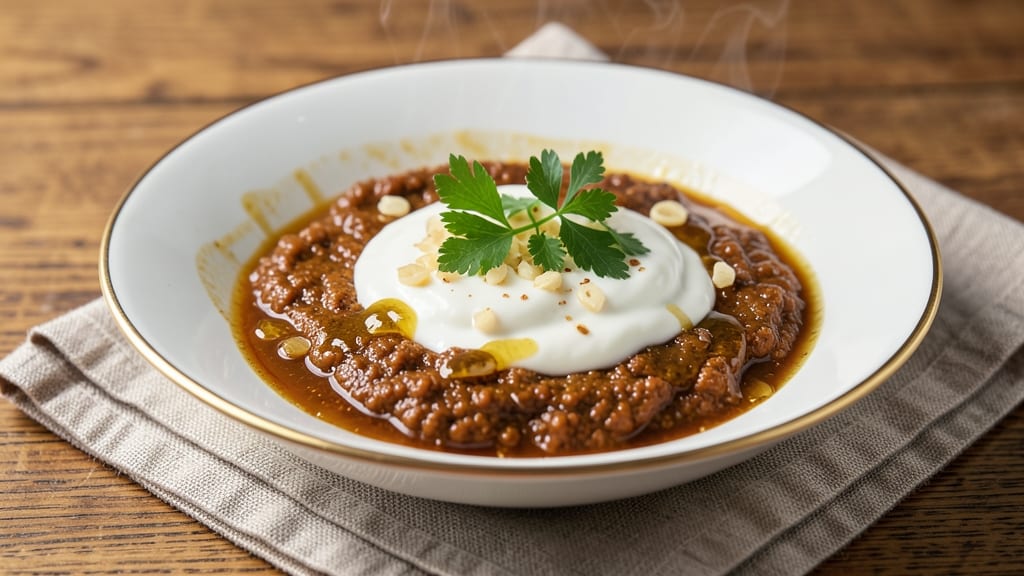
This all-purpose sauce recipe transforms ordinary meals into restaurant-quality dishes with just 15 minutes of prep time. The secret lies in a simple roux foundation—equal parts butter and flour—that creates a velvety base capable of adapting to any protein, vegetable, or grain.
I developed this recipe after years of testing sauces that could handle everything from roasted chicken to sautéed vegetables without extra effort.
The beauty of this sauce is its versatility—it works as a blank canvas for bold flavors or a subtle enhancement. Start with a basic brown sauce, then customize with broth, herbs, or spices to match your dish.
The technique is straightforward: melt butter, whisk in flour, and gradually add liquid while stirring constantly to prevent lumps. This method ensures a smooth, lump-free sauce every time, even for beginners.
What you’ll end up with is a rich, adaptable sauce that elevates any meal. Use it as a drizzle for roasted vegetables, a base for grilled meats, or a finishing touch for pasta.
The sauce thickens as it cools, making it perfect for meal prep—simply reheat with a splash of water or broth to restore its ideal consistency. It keeps in the refrigerator for up to a week, ready to transform your next dish.
Whether you’re cooking for a weeknight dinner or planning a holiday feast, this all-purpose sauce is your secret weapon. The possibilities are endless—try adding garlic and lemon for seafood, smoked paprika for steak, or fresh herbs for vegetables. Here’s how to make it foolproof every time.
Ingredients for all purpose sauce
Nine ingredients create this velvety base that works with anything from roasted chicken to pasta.
| Ingredient | Amount | Notes |
|---|---|---|
| Unsalted Butter 🧈 | ½ cup | Cold, cubed for even melting |
| All-Purpose Flour 🌾 | ½ cup | White or whole wheat preferred |
| Vegetable Broth 💧 | 2 cups | Low-sodium for flavor control |
| Heavy Cream 🥛 | ½ cup | Full-fat for richness |
| Garlic Cloves 🧄 | 3 cloves | Minced for aromatic depth |
| Shallots 🧅 | 2 whole | Finely chopped, or sub onions |
| Dry White Wine 🍷 | ¼ cup | Sauvignon Blanc preferred |
| Diamond Crystal Kosher Salt 🧂 | ½ tsp | Adjust to taste |
| Freshly Ground Black Pepper 🌶️ | ¼ tsp | For subtle heat balance |
| Fresh Thyme Leaves 🌿 | 1 tbsp | Or 1 tsp dried thyme |
The butter and flour form the sauce's backbone—European-style unsalted butter like Plugrá or Land O'Lakes works best for that rich, nutty flavor. King Arthur flour or Bob's Red Mill all-purpose blend creates a smoother roux, but any quality flour will do. For the broth, Pacific Foods or Swanson low-sodium options keep the flavor balanced without over-salting. The wine adds depth, so don't skimp—Trader Joe's or Whole Foods carry affordable bottles that work perfectly. Fresh thyme is ideal, but Penzeys or McCormick dried thyme works in a pinch if you're short on time.
No wine? Extra vegetable broth plus 1 tsp lemon juice mimics the acidity. Sub onions for shallots if needed—just chop them extra fine. The cream can be swapped for coconut milk for dairy-free or Greek yogurt for tang. For a richer sauce, add 1 tbsp cold butter at the end. Want more umami? 1 tsp fish sauce or soy sauce works wonders. The garlic and shallots should be cooked until soft but not browned—low and slow prevents bitterness. If your sauce gets too thick, whisk in 1 tbsp warm water or broth to adjust consistency.
This sauce thickens as it cools, so reheat with 1-2 tbsp liquid to restore smoothness. Store in an airtight container in the fridge for up to 1 week, or freeze for 3 months in ice cube trays for single-serving portions. I always make a double batch—one for immediate use and one to freeze. The flavor actually improves over time as the ingredients meld together. For extra freshness, add a pinch of salt and fresh herbs before serving.
Why You'll Love This Recipe
- I swear by the 1: 1:1 butter-to-flour-to-broth start—no measuring cups, no guesswork. Just melt the butter, toss in the flour, and whisk like you’re painting a masterpiece. That’s it. No stress, no second thoughts.
- Foolproof Ratio: I swear by the 1:1:1 butter-to-flour-to-broth start—no measuring cups, no guesswork. Just melt the butter, toss in the flour, and whisk like you’re painting a masterpiece. That’s it. No stress, no second thoughts.
- Garlic-Cream Magic: Between us, the roasted garlic cloves simmered into the cream? Chef’s kiss. It’s rich but not heavy, velvety with just a whisper of depth—like a hug from a sauce. Add a pinch of salt, and suddenly everything tastes like it’s been kissed by a French chef.
- Pantry to Plate: This is my weeknight lifesaver. Dump it over pasta, swirl it into mashed potatoes, or use it to deglaze a pan after searing chicken. The flour thickens it just enough to cling, so it doesn’t turn into a sad, watery mess. Honestly, I’ve used it for everything from dumplings to gravy, and it never lets me down.
Step-by-step instructions for all-purpose sauce
This versatile sauce comes together faster than you can say "dinner's ready."
Create a Golden Roux with Butter and Flour
In a medium saucepan over medium heat, melt the 0.5 cup unsalted butter until it's completely liquid and foaming. Immediately whisk in the 0.5 cup all-purpose flour to form a paste. This is your roux—the foundation of our sauce—and it needs constant attention.
Cook the mixture for 3-4 minutes, stirring vigorously with a wooden spoon or whisk, until it turns a rich, golden brown color. You're looking for a hue between peanut butter and caramel—this indicates the flour has cooked out and the raw flour taste has disappeared. If it darkens too quickly, reduce the heat slightly. This step builds flavor through the Maillard reaction, so don't rush it.
Cook Aromatics Until Fragrant
Add the finely chopped 2 whole shallots and minced 3 cloves garlic to the saucepan, stirring to coat them in the roux. Cook for 2-3 minutes until the shallots soften and the garlic becomes fragrant but doesn't brown. You want them to release their sweet, pungent aromas without burning.
Here's where the magic happens—those aromatics infuse the roux with layers of flavor. If you notice the shallots starting to brown too quickly, reduce the heat to medium-low to prevent bitterness. The thyme leaves come next, but I like to add them after the wine to preserve their delicate aroma.
Deglaze with Wine and Broth
Pour in the 0.25 cup dry white wine and scrape the bottom of the pan vigorously with a wooden spoon, collecting all those flavorful browned bits. Let the wine simmer for 2 minutes until it reduces by half and the alcohol cooks off—this prevents a harsh flavor in your sauce.
Next, gradually whisk in the 2 cups vegetable broth until the mixture is smooth. Add the 1 tbsp fresh thyme leaves and bring the sauce to a gentle simmer. Let it cook uncovered for 8-10 minutes until it thickens slightly. You'll see the sauce cling to the back of a spoon when you lift it—this indicates proper consistency.
Finish with Cream and Season
Reduce the heat to low and stir in the 0.5 cup heavy cream. Simmer gently for 3-4 minutes until the sauce is silky smooth and fully integrated. The cream adds richness and helps emulsify the sauce for a velvety texture. If the sauce looks too thick, whisk in 1-2 tablespoons of water to reach your desired consistency.
Finally, season with the 0.5 tsp kosher salt and 0.25 tsp black pepper. Taste and adjust the seasoning—this sauce should be well-balanced with a touch of acidity from the wine and depth from the aromatics. For extra brightness, you can finish with a squeeze of lemon juice or a pinch of sugar.
Strain and Use Immediately
For a perfectly smooth sauce, strain it through a fine-mesh sieve into a clean saucepan. This removes any thyme stems or shallot bits, leaving you with an elegant, restaurant-quality base. Keep the sauce warm over low heat or transfer it to a heatproof container if you're not using it immediately.
This all-purpose sauce is now ready to elevate any dish—toss it with pasta, drizzle over roasted vegetables, or use it as a base for creamy soups. The beauty of this recipe is its flexibility; you can customize it with herbs, spices, or even a splash of cream cheese for endless variations. The sauce will keep in the refrigerator for up to 5 days, or you can freeze it for 3 months for future use.
Pro Tips For Making All Purpose Sauce
- WHISK THE ROUX THIN: Start with a loose, pale roux—more like wet sand than paste. If it darkens too fast, you’re either too hot or not enough liquid. I learned this the hard way when my sauce turned nutty and bitter mid-cook. Keep the heat moderate and add flour gradually, or you’ll end up with a gluey mess.
- MINCE THAT GARLIC: No, "chopped" isn’t good enough—you want a paste. Smash those cloves flat with the side of your knife first, then mince into a near-invisible texture. Raw garlic chunks just sit there; this way, it melts into the sauce and adds depth without texture. (Yes, even if you’re impatient like me.)
- LOWER THE HEAT BEFORE CREAM: Heavy cream curdles faster than you think. Once you’re adding it, drop the heat to low and whisk constantly—like your life depends on it. I was skeptical until I tried it; now I never risk that scrambled-egg texture again.
- STRAIN THE BROTH FIRST: Vegetable broth from a carton often hides bits of herb stems or sediment. Strain it through a fine-mesh sieve before using, or you’ll get grittiness in your sauce. Takes 30 seconds and saves you from wondering why it tastes off. (Your future self will thank you.)
Creative variations of these flavors
Herb-Infused Variations
Swap the thyme for fresh tarragon or rosemary when pairing with fish or chicken—just 1 tbsp of either herb adds an elegant aroma. For a Mediterranean twist, add 1 tsp dried oregano and ½ tsp red pepper flakes with the broth.
I love this combo for grilled lamb or roasted eggplant. 🌿
Spicy Global Twists
Transform this sauce into a Thai-inspired curry base by adding 1 tbsp red curry paste and ½ cup coconut milk instead of heavy cream. For Mexican flavors, stir in 1 tsp ground cumin and ½ tsp smoked paprika with the broth, then finish with 1 tbsp lime juice.
Both versions work beautifully with rice or tacos.
Protein-Specific Adaptations
For seafood, add ½ cup fish stock instead of vegetable broth and finish with 1 tbsp lemon juice and 1 tsp capers. With steak, boost umami by adding 1 tsp Worcestershire sauce and ½ tsp black pepper to the roux.
The sauce becomes a rich, savory companion that complements the meat's natural flavors.
Vegetarian Upgrades
Make it nutty and rich by replacing the heavy cream with ½ cup cashew cream (blend ½ cup soaked cashews with ½ cup water). For a mushroom sauce, sauté 1 cup finely chopped cremini mushrooms with the aromatics. Both versions work perfectly with plant-based proteins or roasted vegetables.
Quick Customizations
Need a dinner party sauce in minutes? Add 1 tbsp Dijon mustard and 1 tsp honey to the finished sauce for depth. For a creamy garlic sauce, blend in 2 roasted garlic cloves after straining. These tweaks turn your base into a showstopper without extra effort.
Freezer-Friendly Flavors
Freeze this sauce in ice cube trays for single-serving portions—perfect for last-minute reheats. Label each cube with its flavor (e.g., "Herb" or "Spicy") so you can grab exactly what you need.
I keep a stash of these in my freezer for busy nights when I need flavor without prep time. ❄️
Nutrition facts
Frequently asked questions
Can I make this sauce without wine?
Yes! For every 0.25 cup dry white wine called for, substitute 0.25 cup extra vegetable broth plus 1 teaspoon lemon juice. This maintains the sauce's acidity and depth. The wine adds complexity, but the broth-lemon combo works perfectly for a kid-friendly or non-alcoholic version.
How do I adjust the thickness for different dishes?
For a thicker sauce (like gravy), simmer uncovered for 5-7 extra minutes to evaporate more liquid. Need it thinner (like a drizzle)? Whisk in 1-2 tablespoons warm water or broth at a time until smooth. The sauce will thicken slightly as it cools, so adjust while still warm for best results.
What's the best way to store leftovers?
Let the sauce cool completely, then transfer to an airtight container. It keeps in the fridge for 5-7 days—just reheat gently with a splash of water or broth. For longer storage, freeze in ice cube trays (portion-sized) or silicone molds for up to 3 months. Thaw overnight in the fridge before reheating.
Can I use this sauce for pasta?
Toss 1 cup cooked pasta with ½ cup sauce and finish with 2 tbsp grated Parmesan and fresh herbs. For extra richness, stir in 1 tbsp cold butter at the end. The sauce's velvety texture coats pasta beautifully—just reserve ½ cup pasta water to thin if needed.
Why did my sauce turn out lumpy?
Lumps happen when flour doesn't fully incorporate or liquid is added too quickly. Always whisk constantly when adding broth, and use a wire whisk for smoothness. For stubborn lumps, blend the sauce briefly with an immersion blender or strain through a fine-mesh sieve. Prevention tip: Cook the roux to a golden brown before adding liquids.