
Sauces & Condiments
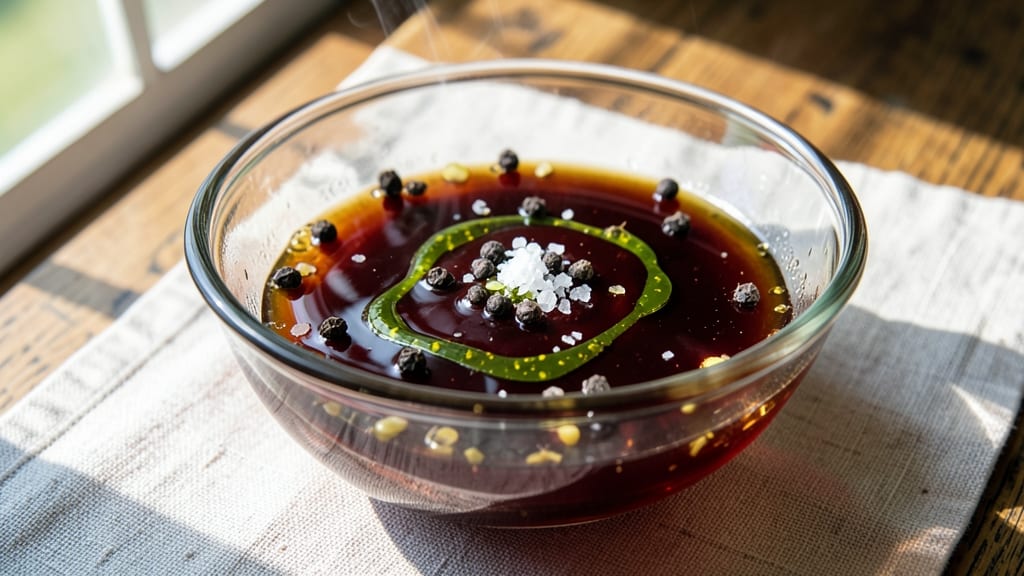
This balsamic vinegar reduction sauce transforms simple ingredients into a glossy, caramelized masterpiece that elevates everything from salads to grilled meats. The key lies in patience—simmering the vinegar until it thickens into a deep, velvety sauce with complex flavors that far surpass store-bought versions.
I developed this recipe after years of experimenting with ratios, and the result is a sauce that's rich, slightly sweet, and perfectly balanced.
The process is straightforward but requires attention: combining balsamic vinegar with honey or sugar (for depth) and shallots (for aromatic complexity) before reducing over medium heat. What you'll end up with is a sauce that's glossy enough to coat back-of-the-fork, with a caramelized depth that adds sophistication to any dish.
The aroma alone makes it worth the effort—imagine the tangy-sweet scent filling your kitchen as it thickens.
This sauce keeps beautifully in the refrigerator for up to two weeks, making it perfect for meal prep or gifting. Use it to drizzle over grilled chicken, toss with roasted vegetables, or swirl into creamy pasta dishes.
The versatility is its greatest strength—each application reveals a new layer of flavor, from bold and tangy to subtly sweet.
For best results, don't rush the reduction. The longer you simmer, the more complex the flavors become, transforming a simple vinegar into a luxurious condiment. With just five ingredients and 15 minutes of active time, you'll have a sauce that rivals restaurant-quality reductions. Let's get started!
Ingredients for balsamic vinegar reduction sauce
Five ingredients transform into a restaurant-quality reduction with glossy depth and caramelized sweetness.
| Ingredient | Amount | Notes |
|---|---|---|
| Balsamic Vinegar 🍷 | 1 ½ cups | High-quality aged balsamic preferred |
| Granulated Sugar 🍯 | ½ cup | Or honey for floral notes |
| Shallots 🧅 | 3 whole | Minced, or substitute 3 tbsp onion |
| Extra-Virgin Olive Oil 🫒 | 2 tbsp | For glossy finish |
| Salt 🧂 | ½ tsp | Diamond Crystal preferred |
| Black Pepper 🌶️ | ¼ tsp | Freshly cracked |
The balsamic vinegar makes or breaks this sauce. Look for aged balsamic—the deeper the color, the richer the flavor. I always grab mine from Trader Joe's or Whole Foods since their aged varieties have that perfect balance of tang and sweetness. The sugar (or honey) is non-negotiable—it's what creates that caramelized depth. Shallots add aromatic complexity, but if you're in a rush, minced onion works just fine. The olive oil isn't just for flavor; it's what gives that glossy finish you see on restaurant plates.
No aged balsamic? White balsamic vinegar plus 1 tbsp extra sugar gets you close. Honey lovers? Swap the sugar for honey, but reduce by half the amount since it's already sweet. Shallots too strong? Garlic powder at 1/4 tsp adds depth without overpowering. The olive oil can be swapped for avocado oil if you're avoiding olive flavor, but trust me on the extra-virgin—it makes a difference. For a spicier kick, add a pinch of red pepper flakes at the end.
This sauce keeps beautifully in a sealed jar in the fridge for up to 2 weeks. The flavors actually improve over time—it's like magic. For gifting, pour it into small bottles with a ribbon. If you make extra, freeze portions in ice cube trays for 3 months. Just thaw at room temperature before using. The longer you simmer, the more complex the flavors become—don't rush it. Patience here is your friend.
Why You'll Love This Recipe
- Five-Ingredient Magic: I swear by this—just vinegar, sugar, shallots, olive oil, and salt. That’s it. No fancy gadgets, no chopping marathon, just a tiny pot and 15 minutes of your time.
- Sweet-Savory Balance: The sugar and vinegar marry into something ridiculously good—tangy with a caramelized depth. Honestly, it’s the kind of sauce that makes you pause mid-bite and think, “Why didn’t I do this sooner?”
- Dresses Up Everything: Slather it on grilled chicken, drizzle over roasted veggies, or toss with pasta—it’s my go-to for weeknights and fancy dinners alike. (Yes, even on a Tuesday night.)
- Makes Leftovers Shine: Double the batch and store it in the fridge. That glossy, syrupy sauce stays perfect for days, turning last night’s roasted Brussels sprouts into today’s star. Budget-friendly? Absolutely.
Step-by-step instructions for balsamic vinegar reduction sauce
Transform simple ingredients into a rich, glossy sauce with caramelized depth—this method delivers restaurant-quality results.
Sauté Shallots Until Translucent
Heat the 2 tablespoons extra-virgin olive oil in a heavy-bottomed saucepan over medium heat. Add the 3 whole shallots, peeled and finely minced, and cook them for 5-6 minutes until they become translucent and just beginning to soften. Stir occasionally to prevent browning—they should release their sweet aroma without turning golden.
This step builds flavor foundation. If you notice the shallots sticking to the pan, reduce the heat slightly and let them cook undisturbed for 30 seconds before stirring again. The goal is to develop their natural sweetness without burning, which would create bitterness that carries through the reduction.
Add Sugar and Cook Until Dissolved
Increase heat to medium-high and sprinkle in the ½ cup granulated sugar, stirring constantly for 1-2 minutes until completely dissolved. You'll see the sugar crystals disappear and the mixture turn into a clear syrup. Watch carefully—sugar burns quickly, so keep the pan moving and maintain steady heat.
This caramelization stage is where the sauce gets its initial depth. If you prefer floral notes, substitute the sugar with ½ cup honey at this point, though it will require slightly longer cooking time to achieve the same reduction. The sugar acts as a catalyst for the balsamic's natural sweetness to emerge during reduction.
Pour in Balsamic Vinegar and Simmer
Pour in the 1½ cups balsamic vinegar all at once, then add the ½ teaspoon salt and ¼ teaspoon freshly cracked black pepper. Stir to combine, then increase heat to high until the mixture comes to a full boil. Once boiling, immediately reduce heat to medium-low and let it simmer uncovered for 10-12 minutes, stirring occasionally.
You'll notice the liquid reduce dramatically as it simmers. The sauce should darken to a deep amber color with a glossy sheen—this indicates proper reduction. If you see small bubbles forming on the surface but the liquid isn't actively boiling, you're at the right simmering temperature. Don't walk away during this phase; constant attention prevents burning.
Finish with Glossy Caramelization
After 10-12 minutes, increase heat to medium-high and continue simmering for another 3-5 minutes, stirring frequently, until the sauce thickens to a syrupy consistency that coats the back of a spoon. It should reduce by about half—what started as 2 cups should now be roughly 1 cup of concentrated sauce. The aroma will be intense, with sweet balsamic notes dominating.
For maximum gloss, I like to finish by swirling the pan off the heat for 30 seconds to let any remaining moisture evaporate. This final step creates that signature mirror-like finish. If the sauce thickens too much, whisk in 1-2 teaspoons hot water to loosen it slightly while maintaining its rich texture.
Rest and Serve Warm
Remove from heat and let the sauce rest for 5 minutes before serving. This resting period allows the flavors to meld completely and the sauce to reach its optimal consistency. Taste and adjust seasoning—you might need a pinch more salt or a crack of pepper to balance the sweetness.
The finished sauce should be thick enough to coat the back of a spoon but still flow smoothly. It's perfect for drizzling over grilled meats, roasted vegetables, or creamy pastas. For extra depth, finish with a sprinkle of fresh thyme leaves or a pinch of flaky sea salt just before serving.
Pro Tips For Making Balsamic Vinegar Reduction Sauce
- Sweat Shallots Slow: Don’t rush the shallots—cook them on medium-low for 8-10 minutes until they’re soft and translucent, not browned. I learned this the hard way when I burned the first batch; now I set a timer and resist the urge to crank the heat.
- Use Real Balsamic: Skip the cheap stuff—go for aged balsamic vinegar (like Modena or traditional). It’s pricier but adds depth that regular vinegar can’t match. Yes, even if you’re making a quick weeknight sauce, the difference is noticeable.
- Stir Constantly Early: The first 5 minutes of simmering are when sugar and vinegar react fastest—stir every 30 seconds to prevent scorching. I used to walk away, and the sauce would turn bitter. Now I keep my eye on it like a hawk.
- Finish with Oil: Swirl in the olive oil at the very end—just before serving—to coat the reduction and mellow its acidity. A splash of water or a pinch of salt can also help balance, but the oil makes it silky. (And yes, it’s worth the extra step.)
Troubleshooting this dish
Sauce Too Thin?
If your reduction isn't thickening enough, you likely didn't simmer long enough or used too much liquid. I've found that medium-low heat is key—pushing to high heat can cause the vinegar to evaporate too quickly without proper reduction.
For a quick fix, continue simmering uncovered for another 5-10 minutes, stirring occasionally. If it's still too thin, transfer to a small saucepan and reduce over low heat until it reaches the desired consistency. 🌡️
Burnt or Bitter Flavor?
This usually happens when sugar caramelizes too aggressively or the sauce boils dry. Always stir frequently during the sugar stage and keep heat at medium-high—never walk away. If you notice burnt bits, strain the sauce through a fine-mesh sieve to remove any dark particles.
To prevent future issues, reduce heat slightly when adding vinegar and maintain a gentle simmer throughout.
Grainy Texture?
Undissolved sugar or improperly minced shallots cause graininess. Make sure the sugar is completely dissolved before adding vinegar—stir constantly for 1-2 minutes until it forms a clear syrup. For shallots, use a microplane for ultra-fine texture or pulse them in a food processor.
If graininess persists, blend the finished sauce briefly with an immersion blender for a silky consistency.
Not Sweet Enough?
The sugar-to-vinegar ratio is critical. If your sauce tastes too tangy, add 1-2 teaspoons more sugar and simmer for 3-5 minutes longer to let it caramelize. For a more complex sweetness, try honey instead of sugar—it adds floral notes while balancing acidity.
I often finish with a dash of vanilla extract (½ teaspoon) for depth, especially when using white balsamic vinegar.
Lacks Gloss?
A glossy finish comes from proper reduction and olive oil. If your sauce looks dull, simmer uncovered for an extra 2-3 minutes to evaporate remaining moisture. For shine, whisk in 1 teaspoon extra-virgin olive oil at the end.
Avoid covering the pan with a lid during reduction—steam prevents proper caramelization. A light swirl of the pan off heat for 30 seconds before serving also enhances the gloss.
Storage Issues?
If your sauce separates or develops mold in the fridge, it likely wasn't stored properly. Always transfer to an airtight glass container and refrigerate within 2 hours of cooking. The sauce should last 2 weeks—if it thickens too much, whisk in 1 teaspoon warm water to restore consistency.
For freezing, portion into ice cube trays and transfer to a bag; thaw in the fridge for 12 hours before using to prevent separation. 💫
Nutrition facts
Frequently asked questions
Can I make this sauce with white balsamic vinegar?
Yes, but you'll need to adjust the flavor balance. White balsamic has a milder, slightly sweeter profile, so add an extra 1 tablespoon of sugar or ½ teaspoon vanilla extract to compensate. Simmer for 1-2 minutes longer to let the flavors meld. The result will be lighter in color but still delicious—great for pairing with seafood or delicate salads!
How do I know when the sauce is fully reduced?
The sauce is ready when it coats the back of a spoon smoothly and reduces by about half (from 2 cups to roughly 1 cup). Look for a deep amber color with a glossy sheen—this indicates proper caramelization. If it's still too thin, continue simmering uncovered for another 5 minutes, stirring occasionally. The aroma should be rich and concentrated, not vinegary.
Can I use this sauce on seafood?
The tangy-sweet balance of this reduction pairs beautifully with seafood like grilled salmon, shrimp skewers, or even oysters. For extra harmony, finish with a sprinkle of fresh thyme or a pinch of flaky sea salt. Just avoid overpowering delicate fish—use it as a drizzle rather than a heavy coating. The glossy texture also makes it perfect for garnishing seafood platters.
What’s the best way to store leftovers?
Transfer the cooled sauce to an airtight glass container and refrigerate for up to 2 weeks. The flavors actually improve over time! If it thickens too much, whisk in 1 teaspoon warm water to restore consistency. For freezing, portion into ice cube trays and store in a bag for up to 3 months. Thaw in the fridge overnight for best results.
Why does my sauce taste too bitter?
Bitterness usually comes from over-reducing or burnt sugar. Always stir frequently during the sugar stage and maintain medium heat—never let it boil dry. If bitterness lingers, strain the sauce through a fine-mesh sieve to remove any burnt particles. For future batches, reduce heat slightly when adding vinegar and simmer gently. A splash of lemon juice (½ teaspoon) can also help balance the flavor.