
Sauces & Condiments
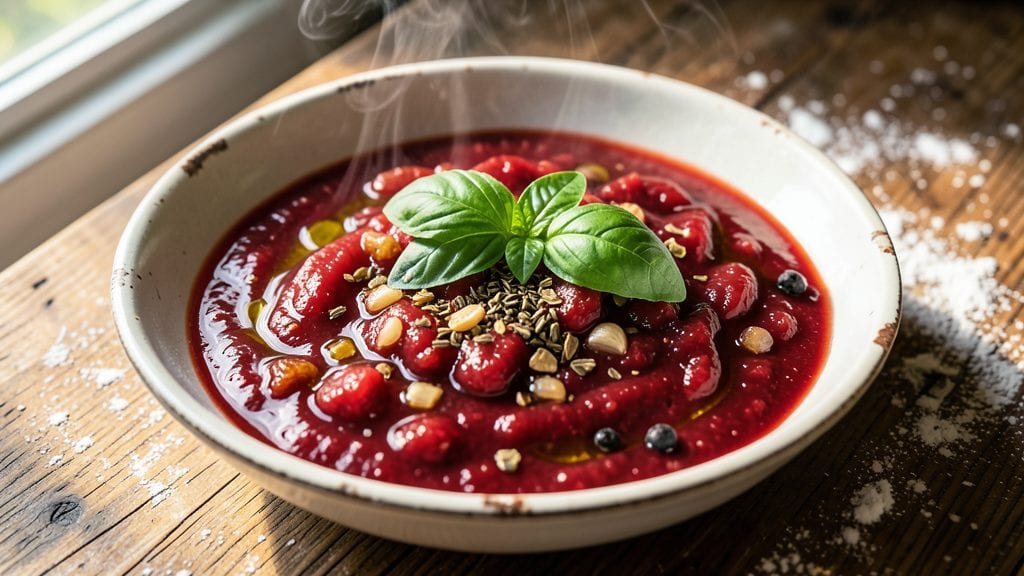
Grandma's old-fashioned tomato sauce recipe is the kind that transforms simple ingredients into something deeply flavorful through slow simmering and a carefully guarded spice blend.
The secret lies in letting the sauce develop its own rich, umami depth over time—no shortcuts, just patience and a few key techniques passed down through generations.
I still remember the first time I tasted her version, where the tomatoes weren't just cooked down but caramelized into something almost sweet, with layers of garlic and herbs that made every spoonful sing.
What sets this sauce apart is the balance between texture and flavor—chunky enough to feel rustic, but smooth enough to coat pasta perfectly.
The process is straightforward but requires attention: onions and garlic are cooked until golden, tomatoes are simmered until their natural sugars concentrate, and herbs are added just before the end to preserve their brightness.
My grandma always insisted on a long, slow cook (at least 45 minutes), which allows the flavors to meld into something truly special.
The result is a sauce that's rich, aromatic, and packed with depth—ideal for pasta, pizza, or even as a topping for grilled meats. It keeps well in the refrigerator for up to a week, and the flavors actually improve with time as the spices continue to develop.
This isn't just tomato sauce; it's a taste of home, built one simmer at a time. Let's get started on recreating it.
One of the best parts of this recipe is its versatility—you can adjust the chunkiness by blending it slightly or leaving it as-is for a more rustic finish.
The spice blend can also be tweaked to suit your taste, whether you prefer a touch more basil, a hint of red pepper flakes, or even a pinch of sugar to balance acidity. The key is paying attention to the cooking process, as that's where the magic happens.
Ingredients for grandma's old fashioned tomato sauce
Simple ingredients, slow simmer—Grandma's secret lies in patience and freshness.
| Ingredient | Amount | Notes |
|---|---|---|
| San Marzano Tomatoes 🍅 | 28 oz | Whole, peeled, crushed by hand |
| Yellow Onion 🧅 | 1 whole | Finely chopped, not too small |
| Garlic Cloves 🧄 | 6 cloves | Minced, not pre-minced jar |
| Extra-Virgin Olive Oil 🫒 | ½ cup | High quality, fruity variety |
| Fresh Basil Leaves 🌿 | ½ cup | Packed, stems removed |
| Dried Oregano 🍃 | 1 tsp | Italian variety preferred |
| Red Pepper Flakes 🌶️ | ½ tsp | Adjust for heat preference |
| Salt 🧂 | 1 ½ tsp | Kosher or sea salt |
| Granulated Sugar 🍚 | 1 tsp | Balances acidity |
| Red Wine 🍷 | ¼ cup | Dry, bold variety |
San Marzano tomatoes are non-negotiable here—they're sweeter and less acidic, which gives you that authentic Italian flavor. Trader Joe's and Whole Foods carry them canned, but if you're using fresh, look for plump, firm ones with vibrant color. The garlic and onion are the flavor anchors—cook them until golden brown for that deep, caramelized base. Fresh basil is best, but if you're using dried, reduce to one-third the amount. I always grab extra basil because half gets torn over the sauce at the end, and it makes all the difference.
No red wine? Substitute with extra tomato paste or beef broth—just add a splash of balsamic for depth. The sugar might seem odd, but it balances the acidity and brings out the tomatoes' natural sweetness. If you prefer a smoother sauce, blend half before serving. For extra richness, stir in a spoonful of butter at the end (trust me on this). The key is letting everything simmer low and slow—45 minutes minimum—so don't rush it. That's where the magic happens.
This sauce tastes even better the next day as the flavors meld. Store in an airtight container in the fridge for up to 1 week, or freeze for 6 months in portions. I always make a double batch—one for pasta, one for freezing. The red pepper flakes lose potency over time, so add them fresh when reheating if you want extra kick. And if you're serving with pasta, toss in a splash of pasta water at the end to loosen it up.
Why You'll Love This Recipe
- No-Chop Nightmare: I swear, the only prep is dicing one onion and crushing garlic—no peeling cans, no seed-picking nightmares. Just slice, simmer, and let the San Marzano tomatoes do the heavy lifting while you stir.
- Garlic-Basil Magic: That first spoonful? Sweet, tangy, with a bright basil finish that makes you want to lick the spoon. The olive oil caramelizes the onion until it’s golden and jammy—no shortcuts, just pure flavor.
- Pasta Party Starter: Slap this over spaghetti for a 15-minute dinner, or let it sit overnight for a deeper taste. It’s my go-to for potlucks (because it travels well) and lazy Sundays when I’d rather drink coffee than cook.
- Fridge Goldmine: Make a big batch—this sauce only gets better after a day or two. Freezes like a dream too, so I always have a backup for when I burn the garlic bread (again). Budget-friendly? More like flavor-per-dollar.
Step-by-step instructions for Grandma's old fashioned tomato sauce
Here's the method that brings out the rich, umami flavors Grandma relied on for her legendary sauce.
Sauté the Aromatics in Olive Oil
Heat the 0.5 cup extra-virgin olive oil in a large, heavy-bottomed pot over medium heat. Add the 1 whole finely chopped yellow onion and cook for 5-6 minutes until softened and translucent. Here's the thing—don't rush this step. You want the onions to caramelize slightly, which builds deep flavor.
Add the 6 cloves minced garlic and cook for another 30 seconds until fragrant. Watch carefully—the garlic burns quickly. Remove the pot from heat immediately if it starts to brown too aggressively. This aromatic base is the foundation of your sauce, so take your time getting it right.
Add Tomatoes and Initial Seasonings
Return the pot to medium heat and add the 28 oz San Marzano tomatoes, crushed by hand. Stir well to combine with the onions and garlic. Add the 1 tsp dried oregano, 0.5 tsp red pepper flakes, 1.5 tsp salt, and 1 tsp granulated sugar. The sugar might seem odd, but it balances the acidity of the tomatoes beautifully.
Bring the mixture to a gentle simmer. You'll see bubbles form around the edges, but it shouldn't be a rolling boil. Let it cook uncovered for 20 minutes, stirring occasionally. This initial simmer helps break down the tomatoes and develop their natural sweetness. The sauce will thicken slightly as it reduces.
Deglaze with Red Wine
After 20 minutes, pour in the 0.25 cup red wine and stir to combine. The wine will help dissolve any browned bits stuck to the bottom of the pot, adding depth of flavor. Let the sauce simmer uncovered for another 10-12 minutes, until it has thickened noticeably and the wine alcohol has cooked off.
Here's where it gets fun—the sauce should be rich and slightly glossy, with a deep red color. If it's too thick, you can add a splash of water later, but it should naturally reduce to your desired consistency. Taste and adjust seasoning if needed, adding more salt or red pepper flakes to your preference.
Finish with Fresh Basil
Remove the pot from heat and stir in the 0.5 cup fresh basil leaves, packed and stems removed. Let the basil steep in the warm sauce for 5 minutes. This allows the fresh, bright flavors to infuse without overpowering the rich tomato base.
Taste your sauce one final time. It should be balanced—sweet from the tomatoes and sugar, tangy from the wine, with a subtle heat from the red pepper flakes. The basil adds that fresh, herbal note that makes this sauce truly special. If you prefer a smoother texture, you can blend it briefly, but Grandma always left it rustic and chunky.
Simmer to Perfection
Return the sauce to low heat and let it simmer gently for another 15-20 minutes, stirring occasionally. This final reduction deepens the flavors and achieves that perfect old-fashioned consistency. The sauce should coat the back of a spoon but still be loose enough to spoon easily.
Real talk: Your oven might run hot, so start checking at the 15-minute mark for doneness. The sauce is ready when it's thick, flavorful, and has that beautiful glossy sheen. If it's too thick, add a splash of water or pasta water to reach your desired consistency. Serve immediately over pasta, or let it cool and store for later use.
Pro Tips For Making Grandma'S Old Fashioned Tomato Sauce
- Sweat the Onion Slow: Don’t rush the onion—cook it over medium-low heat for 8-10 minutes until it’s translucent and just starting to deepen in color. I learned this the hard way: burning it turns the sauce bitter, and you’ll taste it even after hours of simmering.
- Crush Garlic, Don’t Mince: Use the flat side of your knife to smash the garlic cloves before adding them to the pot. This releases more flavor without burning, and you won’t lose any to sticking. (Yes, even if you’re impatient like me.)
- Simmer, Don’t Boil: Keep the sauce at a gentle simmer—small bubbles, occasional swirls—never a rolling boil. Boiling breaks down the tomatoes too fast, making the sauce thin and mealy. After burning three batches, I finally figured out: patience here means richer flavor later.
- Reserve Some Basil: Tear half the basil leaves and set them aside until the very end. Adding them all at once turns the sauce bitter—just like my grandmother warned. The reserved leaves wilt into the sauce at the last minute, keeping their bright, fresh punch. (Your future self will notice the difference.)
Troubleshooting this dish
Sauce Too Thin?
If your sauce isn’t thickening enough, reduce the heat to low and let it simmer uncovered for an extra 15-20 minutes. Stir occasionally to prevent sticking.
For faster results, mix 1 tablespoon tomato paste with 1 tablespoon cold water and stir in. The paste acts as a natural thickener while adding depth. 💡
Sauce Too Thick?
Thick sauce? Add 1-2 tablespoons of water or pasta water while stirring constantly. Heat on low for 2-3 minutes to let it reabsorb. Avoid adding too much at once—you can always adjust later. For a smoother texture, blend half the sauce before serving.
Burnt Onions or Garlic?
If your aromatics burn too quickly, reduce the heat to medium-low and cook onions for 8-10 minutes until soft but not browned. Remove from heat immediately if garlic starts to darken. For extra flavor without burning, sauté garlic in 1 tablespoon olive oil separately and add it later.
Sauce Too Acidic?
Add ½ teaspoon sugar or 1 teaspoon honey to balance acidity. If the tomatoes are overly tart, simmer uncovered for 5-10 extra minutes to evaporate excess liquid. A splash of red wine (like in the recipe) also helps mellow sharpness.
Basil Losing Flavor?
Fresh basil wilts quickly in hot sauce. Stir it in only at the end and let it steep for 5 minutes off heat. For stronger flavor, use ½ cup packed leaves and remove stems.
If using dried basil, reduce to 1 teaspoon and add it with the oregano earlier in cooking.
Sauce Separating?
Separation happens when sauce cools too quickly. Return it to low heat and stir gently for 5 minutes to re-emulsify. For prevention, avoid rapid temperature changes—cool the sauce gradually before refrigerating. A splash of cold water while stirring can also help blend it back together.
Nutrition facts
Frequently asked questions
Why does Grandma's recipe call for San Marzano tomatoes specifically?
San Marzano tomatoes are the gold standard for tomato sauce because they're sweeter, less acidic, and have fewer seeds—perfect for creating a rich, balanced flavor. Their thick flesh breaks down beautifully during simmering, giving you that velvety texture without needing extra thickeners.
Can I make this sauce without red wine?
Replace the 0.25 cup red wine with 0.25 cup tomato paste thickened with 2 tablespoons water, or use 0.25 cup beef broth for depth. For extra richness, add 1 teaspoon balsamic vinegar to mimic the wine's tangy complexity. The sauce will still develop amazing flavor.
How do I know when the sauce is done?
The sauce is ready when it coats the back of a spoon smoothly but still has a loose, spoonable consistency. It should have reduced by about 25-30% from its starting volume and have a glossy sheen. Taste for balance—sweetness from tomatoes, depth from aromatics, and bright herb notes should all shine through.
Can I make this sauce in a slow cooker?
Yes! Sauté onions and garlic first, then transfer everything to the slow cooker and cook on low for 4-5 hours or high for 2-3 hours. Add fresh basil at the end and let it steep off heat. The slow cooker method works well for hands-off prep, though you may need to add a splash of water if it gets too thick.
What's the best way to store leftover sauce?
Let the sauce cool completely, then transfer to an airtight container. It keeps in the fridge for up to 1 week, with flavors actually improving over time. For longer storage, freeze portions in ice cube trays (for single servings) or ziplock bags (for larger batches). Thaw overnight in the fridge before reheating.